The modern global landscape is undeniably shaped by a pervasive digital transformation, ushering in an era where nearly every facet of human interaction and commerce finds a counterpart in the digital realm. This digital-first paradigm has profoundly reshaped traditional perspectives on investment, financial transactions, and property ownership through the rise of digital assets. These intangible yet highly valuable entities are not merely technological curiosities but fundamental drivers of economic evolution, necessitating a comprehensive understanding of their forms, functions, and implications. The increasing prominence of digital assets, exemplified by the tokenization of traditional assets, underscores a seismic shift in how value is perceived, stored, and exchanged.
Evident in the burgeoning number of cryptocurrency owners and the escalating interest in asset tokenization, a decidedly positive market sentiment surrounds digital assets. Historically, the term "digital assets" referred predominantly to an organization’s internal digital files—images, videos, and documents. However, this definition has undergone a radical makeover, now encompassing a sophisticated array of blockchain-native instruments that demand detailed exploration to grasp their transformative power fully. Professionals seeking to lead in this dynamic environment can step into the future of finance by becoming a Certified Digital Asset Compliance Expert (CDACE)™, a designation offered by 101 Blockchains, enabling them to confidently navigate crypto compliance, auditing, and governance.
Understanding the Significance of Digital Assets in Real Life
At its core, a digital asset can be described as a digital representation of value or ownership rights secured on a blockchain. Unlike tangible assets, digital assets lack physical form but possess the crucial attributes of ownership, transferability, and tradability. The most widely recognized examples include cryptocurrencies like Bitcoin and Ethereum, but the spectrum extends to Non-Fungible Tokens (NFTs), stablecoins, and various utility tokens that power decentralized applications.
The imperative to comprehend digital asset examples in the real world stems from their direct and indirect impact on global finance, commerce, and societal structures. For businesses and investors keen on leveraging this burgeoning asset class, a thorough understanding of these aspects is paramount for strategic decision-making. Crucially, distinguishing between various types of digital assets, supported by real-world illustrations, also provides clarity on the appropriate regulatory, taxation, and governance frameworks applicable to each. This knowledge is not merely academic; it is foundational for identifying viable investment opportunities, mitigating risks, and ensuring compliance in a rapidly evolving regulatory environment.
Unraveling the Top Digital Asset Examples in Real Life
The practical applications and societal integration of digital assets are becoming increasingly apparent across various sectors. Delving into distinct subcategories offers a clearer perspective on their current necessity and future potential. Understanding these notable variants helps in discerning "what is the most valuable digital asset" and, more importantly, how their utility translates into real-world benefits, fostering greater adoption and innovation.
1. Real-World Asset Tokens (RWAs): Bridging the Physical and Digital Divide
Real-World Asset (RWA) tokens represent one of the most compelling intersections between the physical and digital realms. These digital assets fundamentally represent verifiable ownership of tangible or intangible assets on a blockchain network. By leveraging tokenization, RWAs enable the fractionalization and digital representation of diverse assets, including real estate, revenue streams from businesses, commodities, and even intellectual property. The defining characteristic of RWAs is their backing by physical or tangible assets, granting digital exposure to traditional asset classes.
The market for tokenized real-world assets is projected for explosive growth. A report by Boston Consulting Group (BCG) and ADDX in 2022 estimated that the market for tokenized illiquid assets alone could reach $16 trillion by 2030. This projection underscores the immense potential for RWAs to unlock liquidity and expand investment opportunities globally. RWA tokenization is emerging as a next-generation solution for capital raising, offering an alternative to traditional securities offerings. While investors do not receive a physical stock certificate or note, the tokens represent their fractional share or investment in specific underlying assets.
Crucially, RWA tokens are distinct from pure cryptocurrencies. They are typically issued and traded on authorized, often regulated, platforms, which lends them higher regulatory certainty and integrated security features. Examples of assets that can be tokenized include commercial and residential real estate, corporate stocks and bonds, private equity or debt, fine art, and even employee stock options. The growth of RWA tokens as promising digital asset investment options is driven by their multifaceted benefits for both issuers and investors. Asset tokenization broadens global investor reach, facilitates access to enhanced liquidity options, and significantly reduces intermediaries and associated operational costs. For investors, tokenized assets offer the unprecedented advantage of fractional ownership in high-value, previously illiquid assets, thereby enabling more diversified investment portfolios. Individuals and organizations keen to grasp the mechanics and implications of this transformative technology can enroll in 101 Blockchains’ Tokenization Fundamentals Course to understand the fundamentals of tokenization and its practical implications.
2. Cryptocurrencies: The Pioneering Digital Exchange
No discourse on digital assets is complete without a comprehensive discussion of cryptocurrencies. As a type of digital asset, cryptocurrency functions primarily as a medium of exchange and a store of value, created and secured on a blockchain. Cryptographic functions are integral to their operation, ensuring the security and integrity of financial transactions. The decentralized network underpinning most cryptocurrencies plays a pivotal role in governing the creation and distribution of new units, free from central authority.
To fully appreciate the utility of cryptocurrencies as digital assets, it is essential to understand their common traits. Unlike traditional assets such as real estate or gold, cryptocurrencies do not possess intrinsic physical value; their value is derived from market demand and perceived utility. Every cryptocurrency exists exclusively as digital entries on a blockchain, operating outside the control of banks or centralized governmental bodies.
Transactions involving cryptocurrencies are verified and immutably registered on the blockchain by a distributed network of nodes. Decentralized governance, often managed by network participants or embedded smart contract code, dictates the supply and protocol evolution of cryptocurrencies. Over the years, the use cases for cryptocurrencies have expanded dramatically beyond simple payments. They are now extensively used for cross-border payments, remittances, decentralized finance (DeFi) applications including lending and borrowing, and as speculative investments. The total market capitalization of cryptocurrencies frequently surpasses $1 trillion, with Bitcoin and Ethereum consistently dominating. According to Chainalysis’s 2023 Geography of Cryptocurrency Report, global cryptocurrency adoption continues to rise, especially in emerging economies, highlighting their role in financial inclusion and alternative payment systems. However, their volatility and the evolving regulatory landscape remain significant challenges.
3. Central Bank Digital Currencies (CBDCs) and Stablecoins: Regulated Digital Finance
The next significant category of digital assets attracting considerable attention comprises Central Bank Digital Currencies (CBDCs) and stablecoins, both offering distinct approaches to digital monetary systems. CBDCs, in particular, stand out among digital asset examples for their potential to offer regulatory certainty, being directly issued and regulated by a nation’s central monetary authority. This fundamental difference sets CBDCs apart from decentralized cryptocurrencies, as they do not adhere to the principle of decentralization.
Globally, numerous countries are actively exploring or piloting CBDC projects. The Atlantic Council’s CBDC Tracker indicates that as of late 2023, 130 countries, representing 98% of global GDP, are exploring a CBDC, with 11 having fully launched one. Nigeria launched its eNaira project in 2021, becoming one of the first countries to do so, while China’s e-CNY has been in extensive pilot stages since 2020. India, Russia, the European Union (with its Digital Euro project), and the United States are also prominent among nations investigating CBDCs for their potential to revolutionize financial systems. Motivations for CBDCs include enhancing financial inclusion, improving payment system efficiency, strengthening monetary policy tools, and countering the rise of private cryptocurrencies. However, concerns regarding privacy, potential impacts on commercial banking, and geopolitical implications are also significant aspects of the ongoing debate.
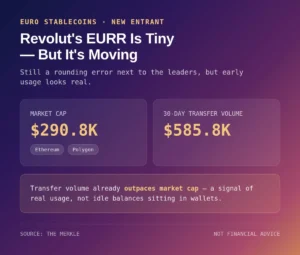
Parallel to CBDCs, stablecoins have garnered substantial momentum within the digital asset space. Stablecoins are a class of cryptocurrencies designed to minimize price volatility by pegging their value to a stable asset, such as a fiat currency (e.g., the US dollar) or a commodity (e.g., gold). Their price stability is typically achieved through collateralization (backing with reserves of the pegged asset) or through algorithmic mechanisms that adjust supply and demand. The most popular examples of stablecoins include Tether (USDT), USD Coin (USDC), and Dai (DAI), collectively boasting a market capitalization often exceeding $100 billion. Stablecoins are widely used for hedging against crypto market volatility, facilitating faster and cheaper cross-border payments, and as a primary medium for trading and lending within decentralized finance (DeFi) ecosystems. Their growing adoption has also intensified calls for comprehensive regulatory frameworks, with governments worldwide exploring how to integrate and oversee these digital financial instruments. Professionals aiming to master the future of digital finance can gain practical fluency in integrating stablecoins with DeFi platforms, smart contracts, crypto wallets, and cross-border payments through 101 Blockchains’ Stablecoins Mastery Course.
Navigating the Digital Frontier: The Imperative for Expertise
The rapid evolution and increasing complexity of digital assets underscore a critical need for specialized expertise across various sectors. From financial institutions grappling with integration and compliance to technology firms developing new blockchain solutions, the demand for skilled professionals is accelerating. The intricacies of blockchain technology, cryptographic security, smart contract functionality, and the ever-shifting regulatory landscape require individuals who possess both theoretical knowledge and practical application skills.
The ability to understand, analyze, and implement solutions involving RWAs, cryptocurrencies, CBDCs, and stablecoins is no longer a niche skill but a fundamental requirement for innovation and risk management. This necessitates a workforce equipped to handle digital asset compliance, perform thorough audits, establish robust governance frameworks, and navigate the technical nuances of various blockchain protocols. The interdisciplinary nature of digital assets means that professionals in finance, law, technology, cybersecurity, and even public policy must develop a strong foundation in this domain. Certifications like the Certified Digital Asset Compliance Expert (CDACE) from 101 Blockchains are designed precisely to bridge this skill gap, providing structured learning paths that lead to recognized credentials essential for career advancement in this burgeoning field. Such programs ensure that professionals are not just aware of digital assets but are proficient in their practical and regulatory implications, positioning them as invaluable assets to their organizations.
Conclusion: Shaping the Future of Finance and Technology
The diverse examples of digital assets discussed—from the groundbreaking tokenization of real-world assets to the innovative frameworks of cryptocurrencies, CBDCs, and stablecoins—unequivocally demonstrate that the world has moved beyond mere acquaintance with digital assets. Cryptocurrencies have already made significant inroads into the traditional financial services sector, showcasing diverse use cases and delivering promising benefits in terms of efficiency, transparency, and global reach. The emergence of RWA tokens further highlights a broad spectrum of opportunities to bridge the gap between traditional real-world assets and the expansive digital space, unlocking new avenues for investment and capital formation. Simultaneously, the development of CBDCs and stablecoins signifies a concerted effort to redefine how we interact with money, potentially offering enhanced stability, efficiency, and regulatory oversight within digital monetary systems.
This dynamic environment calls for continuous learning and adaptation. As organizations and individuals seek to harness the full potential of these transformative technologies, the demand for certified blockchain experts will only intensify. Understanding the intricacies of digital assets, their underlying technologies, and their regulatory implications is no longer optional but a strategic imperative for sustained growth and innovation. Embracing comprehensive educational pathways and certifications, such as those offered by 101 Blockchains, provides the ideal roadmap to adopt digital assets effectively and prepare for the future of finance and technology. The journey into the digital asset economy is just beginning, and equipping oneself with the right expertise is the key to navigating its complexities and seizing its immense opportunities.