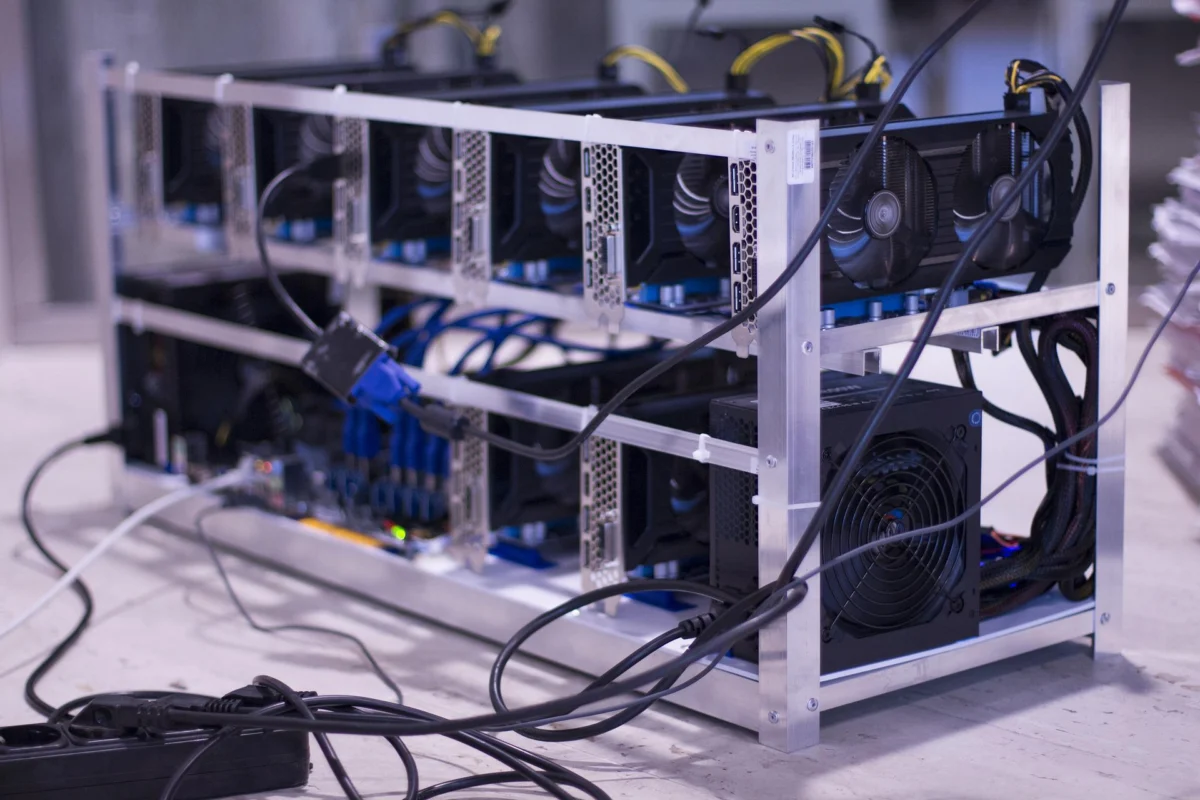
The Iranian government has significantly escalated its enforcement actions against unauthorized cryptocurrency mining operations, with state authorities reporting the detection and seizure of 9,404 illegal mining farms and devices across the capital city of Tehran over the past five months. This aggressive crackdown, spearheaded by the Tehran Electricity Distribution Company in coordination with national police forces, comes as the Islamic Republic grapples with a deepening energy crisis that has resulted in widespread power outages and mounting social unrest. As the nation faces record-breaking summer temperatures and a strained electrical grid, the government has identified energy-intensive crypto mining—particularly those operations utilizing subsidized or stolen power—as a primary catalyst for the current instability in the domestic energy sector.
Kambiz Nazerian, the head of the Tehran Electricity Distribution Company, confirmed the scale of the recent operations in a public statement, noting that the seized hardware was discovered across various districts of the capital. This recent surge in enforcement follows a major June operation in which Iranian police confiscated approximately 7,000 illegal mining machines in a single sweep. The systematic targeting of these "energy-guzzling" devices reflects a broader national strategy to stabilize the grid and prevent the total collapse of public services during peak demand periods.
The Mechanism of the Energy Crisis and the Role of Crypto Mining
To understand the severity of the Iranian crackdown, it is necessary to examine the technical and economic factors that made Iran a global hub for cryptocurrency mining. Crypto mining, particularly for Proof-of-Work (PoW) assets like Bitcoin, requires immense computational power. This process involves high-performance computers, known as Application-Specific Integrated Circuits (ASICs), running 24 hours a day to solve complex mathematical puzzles. The byproduct of this activity is extreme electricity consumption and significant heat generation.
Iran’s status as an oil and gas-rich nation has historically allowed the government to provide heavily subsidized electricity to its citizens and industries. While these subsidies were intended to foster domestic growth and support low-income households, they inadvertently created a "gold mine" for crypto enthusiasts. With electricity costs in Iran among the lowest in the world, the profit margins for mining Bitcoin became exceptionally high, attracting both local entrepreneurs and international syndicates, particularly from China.
The impact on the national grid has been quantifiable and devastating. According to the Cambridge Bitcoin Electricity Consumption Index (CBECI), Iran’s contribution to the global Bitcoin hashrate peaked at approximately 7.5% in early 2021. While this established Iran as a major player in the global digital economy, it placed an unsustainable burden on an aging electrical infrastructure that was already struggling with maintenance issues due to international sanctions.
A Chronology of Conflict: The 2021-2022 Mining Crackdown
The relationship between the Iranian state and the crypto mining industry has been characterized by a cycle of tolerance, regulation, and total prohibition. The following timeline outlines the key events leading to the current state of emergency:
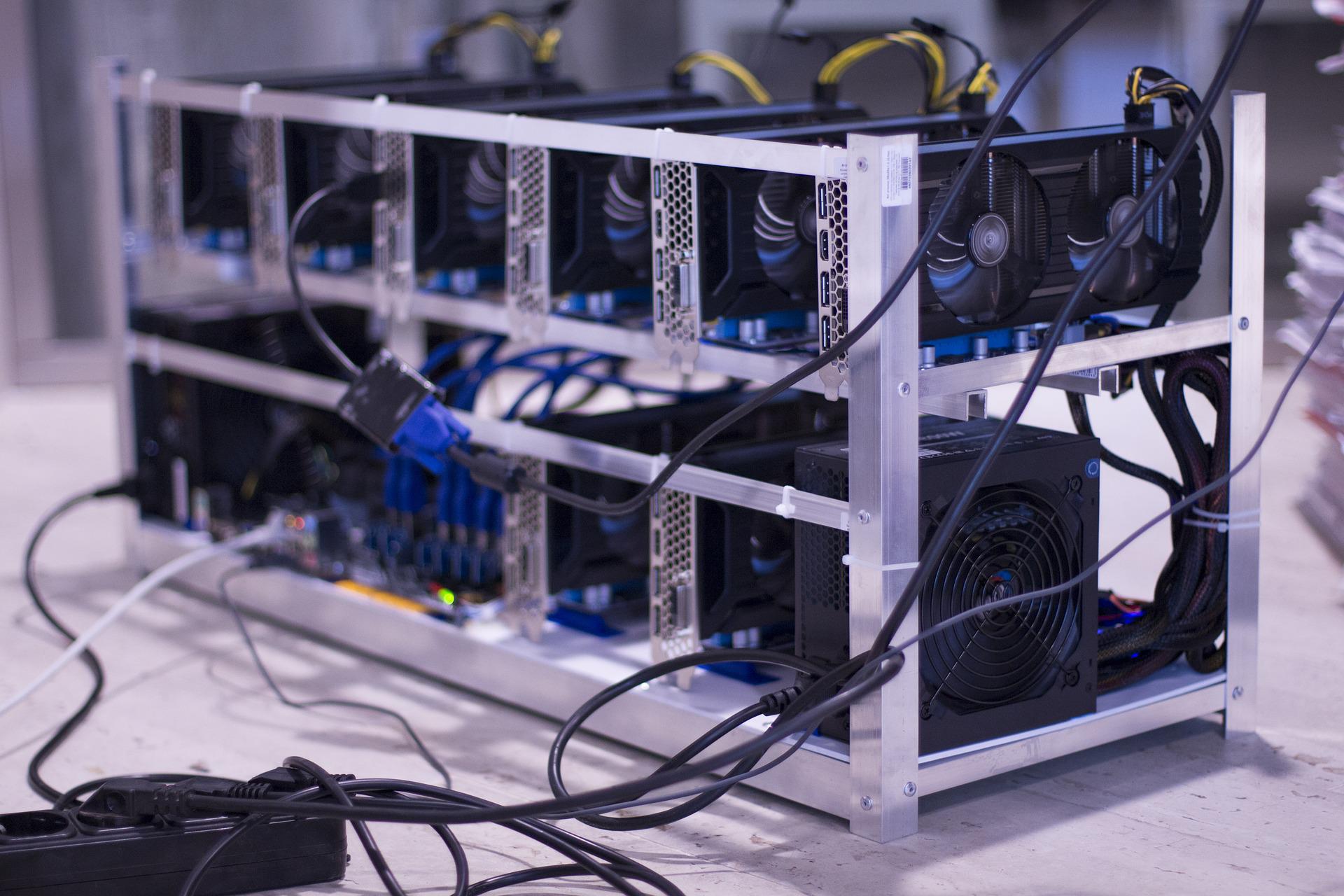
- Early 2021: Iranian authorities detect a massive surge in power consumption. In response, state-run energy provider Tavanir begins large-scale raids, seizing 45,000 ASIC machines that were reportedly using subsidized electricity intended for households and legitimate businesses.
- May 2021: As summer temperatures rise and blackouts begin to hit major cities, the Iranian government issues a blanket ban on all crypto mining—including licensed operations—for a period of four months to preserve the grid for air conditioning and essential services.
- March 2022: Data reveals that despite the bans, illegal mining continues to flourish in the shadows. Iran’s share of the global hashrate remains significant, prompting the government to reconsider its enforcement tactics.
- June 2022: A landmark operation results in the seizure of 7,000 machines in Tehran, marking one of the largest single-day hauls in the country’s history.
- August 2022: The Tehran Electricity Distribution Company reports that the total number of seized units over the preceding five months has surpassed 9,000. Additionally, authorities announce the shutdown of 1,620 specialized mining centers that had collectively consumed an estimated 250 megawatts of power over an 18-month period.
Exploitation of Public Infrastructure and Subsidized Zones
A particularly contentious aspect of the illegal mining boom in Iran is the location of these farms. Investigative reports from Iranian media outlets, including Iran International, have highlighted a trend where miners install their equipment in public or religious institutions. Mosques, schools, and community centers in Iran often receive free or highly subsidized electricity from the state.
By hiding mining rigs within these facilities, operators can eliminate their primary overhead cost—electricity—thereby turning a 100% profit on the coins mined. This practice has sparked outrage among the public and officials alike, as it is viewed not only as economic theft but as a desecration of communal spaces. Furthermore, the reports suggest that "influential networks" and well-connected groups have often been behind these large-scale clandestine operations, making it difficult for local police to intervene without high-level authorization.
The involvement of Chinese mining groups has also been a point of geopolitical interest. Following China’s total ban on crypto mining in 2021, many Chinese firms sought new jurisdictions with cheap power. Iran’s special economic zones initially welcomed these investors, but the sheer volume of energy they required quickly outpaced the country’s generation capacity, leading to the current friction between foreign investors and the Iranian Ministry of Energy.
Official Responses and Policy Shifts
The Iranian government’s response has been two-pronged: increased militarization of energy enforcement and a tightening of the licensing framework. Tavanir, the state-run power generation and distribution company, has been granted broader powers to monitor power usage patterns. Using advanced data analytics, the company can identify neighborhoods where electricity draw is inconsistent with residential use, leading police directly to the doorsteps of illegal mining farms.
"Our priority is the stability of the national grid and the comfort of our citizens," a spokesperson for the Ministry of Energy noted in a recent briefing. "While we recognize the potential of blockchain technology, we cannot allow the pursuit of private profit to jeopardize the health and safety of the Iranian people during the hottest months of the year."
To manage the demand, the government has periodically cut off power to the 118 officially licensed mining platforms in the country. These licensed operators, who pay a higher "export rate" for their electricity, have complained that they are being unfairly punished for the actions of illegal miners. However, the state maintains that during periods of peak demand, no industrial activity—regardless of its legal status—can take precedence over residential needs.
Broader Impact and Socio-Economic Implications
The consequences of the mining crackdown and the underlying energy crisis extend far beyond the crypto market. The frequent power outages and water shortages (often linked to the lack of power for pumping stations) have led to national protests. In many provinces, citizens have taken to the streets to voice their frustration with the government’s inability to provide basic utilities. By blaming crypto miners, the authorities have attempted to redirect public anger toward a specific group of "economic saboteurs."

From an economic perspective, the crackdown complicates Iran’s relationship with digital assets. For a country under heavy international sanctions, Bitcoin was seen by some within the leadership as a way to bypass the traditional global banking system and conduct international trade. However, the domestic cost of producing these digital assets has proven to be higher than the government initially anticipated.
The environmental impact is also a growing concern. Iran’s electricity is primarily generated from fossil fuels. The massive energy requirements of thousands of mining rigs contribute significantly to the country’s carbon footprint and worsen the air quality in industrial hubs. As the global community moves toward more sustainable energy practices, the "dirty" nature of Iranian Bitcoin—mined with coal and gas-heavy power—has made it less attractive to some institutional buyers who prioritize Environmental, Social, and Governance (ESG) criteria.
Future Outlook: Can the Grid Withstand the Digital Age?
As the current ban on mining is set to be reviewed or lifted in the coming months, the future of the industry in Iran remains uncertain. The government is reportedly considering new legislation that would impose even harsher penalties for illegal mining, including heavy fines and potential prison sentences for operators who use subsidized power. There are also discussions about creating "isolated" mining zones that would run exclusively on renewable energy or surplus natural gas that would otherwise be flared.
However, until the Iranian electrical infrastructure undergoes a massive modernization effort, the conflict between the state and the miners is likely to persist. The 9,404 devices seized in Tehran represent only a fraction of the estimated hundreds of thousands of rigs still operating in basements, warehouses, and rural farms across the country.
In conclusion, the Iranian crackdown is a cautionary tale of what happens when a digital-age industry meets a mid-20th-century energy grid. While crypto mining offers a path to financial sovereignty for some, its "energy-guzzling" nature poses a direct threat to national stability in regions where resources are finite. As the authorities in Tehran continue their search for the next hidden farm, the rest of the world watches to see if a balance can ever be struck between the decentralized promise of cryptocurrency and the centralized requirements of national energy security.