


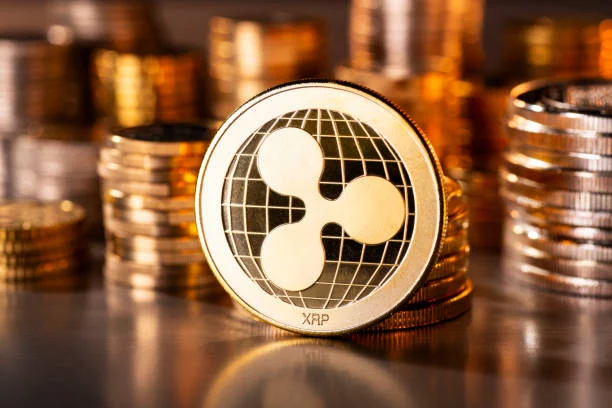
The digital asset ecosystem is currently navigating a period of intense metric-driven scrutiny, and the XRP Ledger (XRPL) has found itself at the center of this analytical focus following recent on-chain data revelations. According to data aggregated by DefiLlama and various XRPL-native explorers such as Bithomp, the network’s daily transaction fees have recently plummeted to levels below $400. This development has reignited a long-standing debate within the cryptocurrency community regarding the relationship between low-cost transaction environments and the actual economic demand for network block space. While the XRPL was architecturally designed to facilitate high-speed, low-cost cross-border payments, the current fee generation metrics present a complex narrative for investors and developers alike.
The reported weekly fee burn—the process by which the XRPL destroys XRP used for transaction costs rather than distributing it to validators—has hovered around the $3,100 mark. This figure stands in stark contrast to high-fee environments such as Ethereum or the Bitcoin mainnet, where individual transactions can occasionally cost more than the entire XRPL’s daily aggregate. The divergence in fee structures highlights the fundamental difference in protocol philosophy: whereas Ethereum utilizes a fee-market mechanism to manage congestion and reward stakers, the XRPL prioritizes throughput and cost-efficiency to serve as a global settlement layer. However, when fees drop to such nominal levels, market participants often question whether the network is experiencing a lull in meaningful transactional utility or if it is simply demonstrating its intended technical prowess.
Technical Architecture and the Philosophy of Low Fees
To understand the significance of the $400 daily fee metric, one must first examine the underlying mechanics of the XRP Ledger. Unlike Proof-of-Work (PoW) or traditional Proof-of-Stake (PoS) systems, the XRPL utilizes a unique Consensus Protocol. In this system, transaction fees are not paid to any central entity or validator; instead, they are permanently "burned," effectively reducing the total supply of XRP over time. The minimum transaction fee on the network is typically set at 0.00001 XRP (10 drops), a value intentionally kept low to prevent spam while ensuring that the network remains accessible to everyone from retail users to multi-national financial institutions.
For supporters of the Ripple-backed ecosystem, the drop in fees is an affirmation of the network’s scalability. They argue that even as other blockchains struggle with "gas wars" that price out smaller participants, the XRPL remains a stable and predictable environment for value transfer. In this view, low fees are not a sign of stagnation but a competitive advantage. If the network can process thousands of transactions for a total cost of a few hundred dollars, it fulfills its primary mission as a "Value Web" infrastructure.
Conversely, critics and on-chain analysts often point to fee revenue as a proxy for "Real Economic Value" (REV). In a landscape where blockchains are increasingly viewed as businesses, the ability to generate fees is often equated with the demand for that specific network’s security and services. When the daily fee generation for a blockchain with a multi-billion dollar market capitalization falls below the daily revenue of a mid-sized local business, it invites skepticism regarding the level of enterprise adoption and "organic" retail activity currently taking place on the ledger.
A Chronology of XRPL Fee Volatility
The history of transaction fees on the XRPL has generally been one of extreme stability, punctuated by brief periods of volatility. In late 2023 and early 2024, the ledger saw a significant spike in activity—and consequently, fees—driven by the emergence of "inscriptions" and a surge in non-fungible token (NFT) minting following the implementation of the XLS-20 standard. During those peaks, daily fees reached levels many times higher than the current $400 average.
The recent decline back to sub-$400 levels suggests that the initial fervor surrounding these new use cases may have cooled, or that the network has successfully optimized its handling of these transaction types. Furthermore, the timeline of this fee drop coincides with a broader market shift where liquidity has been rotating between various Layer 1 and Layer 2 solutions. While Solana and various Ethereum L2s like Base have seen surges in "meme coin" trading and decentralized exchange (DEX) volume, the XRPL’s activity has remained more focused on its core competencies: payments and trust-line-based asset issuance.
Comparative Data: XRPL vs. The Broader Market
To put the $400 figure into perspective, it is necessary to compare it with other major protocols. On an average day, the Ethereum network generates between $3 million and $10 million in transaction fees. Bitcoin typically generates between $500,000 and $2 million, depending on the demand for Ordinals or general transfers. Even high-throughput, low-fee competitors like Solana often generate upwards of $500,000 in daily fees due to the sheer volume of transactions (often exceeding 20 million non-vote transactions per day).
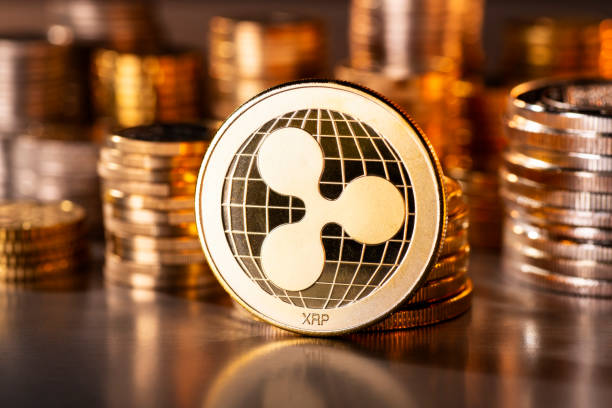
The XRPL’s $400 daily total suggests a much lower transaction velocity or a lack of complex, high-fee smart contract interactions. While the XRPL does support decentralized finance (DeFi) through its native DEX and the recently launched Automated Market Maker (AMM) functionality (XLS-30), these features are integrated into the protocol level, which keeps costs significantly lower than the complex "gas-hungry" smart contracts found on the Ethereum Virtual Machine (EVM).
Strategic Shifts: RLUSD and the Enterprise Narrative
The current fee data arrives at a critical juncture for Ripple, the most prominent contributor to the XRPL ecosystem. Ripple is currently in the process of launching RLUSD, a USD-pegged stablecoin designed for enterprise-grade payments and institutional use. The introduction of RLUSD is widely expected to drive a new wave of transaction volume on the XRPL, as stablecoins are the primary vehicle for global liquidity and cross-border settlement.
Market analysts are closely watching to see if the launch of RLUSD will act as a catalyst for fee generation. If institutional adoption of the stablecoin takes hold, the sheer volume of transactions—even at a fraction of a cent each—could push the daily fee burn back into the thousands or tens of thousands of dollars. Additionally, Ripple’s ongoing efforts to integrate AI agent payments and enhance the EVM-compatible sidechain suggest a strategy aimed at diversifying the types of activity on the ledger, moving beyond simple XRP transfers to more complex economic interactions.
Official Perspectives and Market Implications
While Ripple Labs and the XRPL Foundation have not issued specific statements regarding the $400 fee milestone, their historical stance has always emphasized "efficiency over extraction." In various technical documentation and developer summits, the focus remains on keeping the "reserve requirement" and transaction costs as low as possible to encourage micro-payments and the "Internet of Value."
From a trader’s perspective, the low fee data is a "neutral-to-cautious" indicator. It suggests that there is currently no "bottleneck" or "hype-driven congestion" on the network. This is positive for those looking for a functional payment rail, but it may be viewed as a lack of "momentum" by those who follow on-chain activity to predict price breakouts. In the crypto-asset world, high fees often precede price rallies as they signal intense demand; conversely, low fees can indicate a period of consolidation or "quiet" before the next major protocol update or adoption cycle.
Future Outlook: What to Watch
Moving forward, several key factors will determine whether the XRPL’s fee metrics remain in this low-range or begin to climb. First is the confirmation of data across multiple explorers. While DefiLlama is a highly respected source, discrepancies can sometimes arise between aggregators and native ledger explorers like Bithomp or XRPScan. A sustained trend across all platforms would confirm that the network is indeed in a low-activity phase regarding paid transactions.
Second, the community is looking toward the "Hooks" amendment and other smart contract-like features that could introduce more complex—and therefore more expensive—transactions to the mainnet. If the XRPL can successfully attract developers building sophisticated DeFi applications, the fee burn will naturally increase.
Finally, the broader regulatory environment in the United States continues to play a role. As the legal clarity surrounding XRP improves, institutional players who were previously hesitant to utilize the ledger for high-volume settlement may begin to deploy capital. Such a shift would likely be reflected in on-chain data months before it becomes a headline in mainstream financial media.
In conclusion, the drop in daily XRPL fees to below $400 is a significant data point that highlights the ledger’s extreme efficiency, but it also serves as a reminder of the challenges the network faces in a highly competitive blockchain landscape. Whether this is a sign of a "quiet" before an institutional storm or a reflection of a need for greater retail engagement remains to be seen. For now, the XRPL continues to function exactly as designed: a high-speed, nearly-free settlement layer that refuses to pass the costs of network operation onto its users, even if it means generating headlines for its remarkably low revenue.














