



Iranian law enforcement and energy officials have intensified their crackdown on illicit cryptocurrency mining operations, seizing 9,404 mining units across the capital city of Tehran over the past five months. This surge in enforcement comes as the Islamic Republic grapples with a deepening energy crisis that has triggered widespread power outages, social unrest, and a significant strain on the national power grid. Kambiz Nazerian, the head of the Tehran Electricity Distribution Company, confirmed the seizures in a recent statement, highlighting that the discovered devices were located across various districts of the capital.
The recent operations represent a significant escalation in the state’s effort to stabilize its electrical infrastructure. According to reports from the Iranian media outlet Iran International, the majority of these energy-intensive devices were being operated without legal authorization, often drawing power from subsidized or free electricity sources intended for public institutions. The scale of the crackdown was particularly evident in June, when police reported the confiscation of approximately 7,000 illegal mining machines in a single series of raids. These actions reflect a broader national policy to mitigate the impact of "energy guzzlers" on a grid that is increasingly unable to meet the demands of both industrial and residential consumers during peak periods.
The Nexus of Subsidized Energy and Crypto Mining
Iran has long been an attractive destination for cryptocurrency miners due to its vast reserves of fossil fuels and heavily subsidized electricity rates. For years, the Iranian government has provided cheap power to its citizens, a policy designed to distribute the nation’s oil wealth. However, this economic environment created a massive incentive for both domestic tech enthusiasts and international mining syndicates to establish large-scale operations within the country.
The disparity between the cost of electricity in Iran and the global market rate has led to a phenomenon where mining Bitcoin and other digital assets becomes highly profitable, even when the market value of the assets fluctuates. According to data from the Cambridge Bitcoin Electricity Consumption Index (CBECI), Iran’s contribution to the global Bitcoin hashrate peaked at approximately 7.5% in early 2021. While this cemented Iran’s position as a global player in the crypto-economy, it simultaneously placed an unsustainable burden on Tavanir, the state-run energy provider.
A troubling trend identified by Iranian authorities is the placement of mining farms in public and religious spaces. Reports indicate that many unregistered miners have surreptitiously installed rigs in mosques and schools. These institutions receive free or highly discounted electricity from the government, allowing miners to operate with virtually zero overhead costs. This exploitation of public resources has become a primary target for the Tehran Electricity Distribution Company and national police forces, who view these activities not just as theft, but as a direct threat to national security via grid destabilization.
Chronology of the Iranian Crypto Crackdown
The struggle between the Iranian state and the cryptocurrency mining industry has evolved through several distinct phases of regulation, prohibition, and enforcement:
Early 2021: Initial Mass Seizures
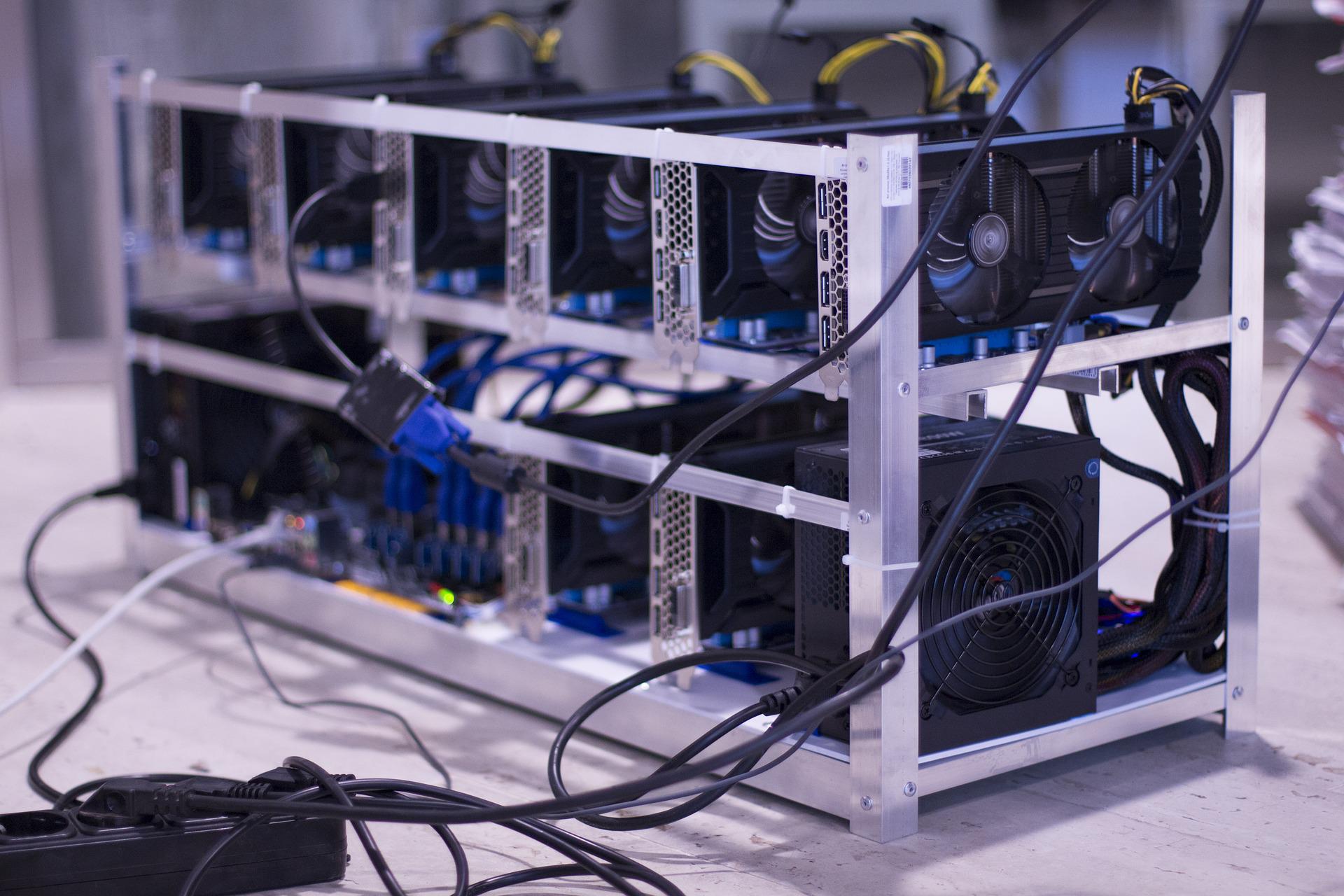
At the beginning of 2021, Iranian authorities began to realize the scale of the "hidden" energy drain. In one of the largest early operations, the government detected and seized 45,000 Application-Specific Integrated Circuit (ASIC) machines. These devices, specifically designed for mining, were found to be using subsidized electricity at an industrial scale, often in warehouses that lacked the necessary industrial permits.
May 2021: The National Mining Ban
As the summer heat intensified and water shortages affected hydroelectric power generation, Iran faced a severe electricity deficit. The government responded by implementing a blanket four-month ban on all crypto-mining activities, including those conducted by licensed operators. This drastic measure was intended to preserve the grid for residential cooling and essential services.
Summer and Winter 2021: Seasonal Instability
Despite the ban, illegal mining persisted. Throughout the summer of 2021, Iran suffered from rolling blackouts that sparked national protests in several major cities. Authorities pointed directly to crypto mining as a primary cause, claiming that the "unauthorized" consumption of power was the tipping point for the grid. Similar restrictions were reinstated during the winter months to prioritize natural gas for heating over electricity production for mining.
June 2022: Targeted Tehran Operations
The most recent phase of enforcement saw the seizure of 7,000 rigs in June alone. This was followed by the discovery of an additional 1,620 mining operations earlier this month. Official data suggests that these operations collectively consumed over 250 megawatts of electrical power over an 18-month period—a staggering amount of energy that could have powered thousands of Iranian households.
August 2022: Current Enforcement Metrics
The latest figures provided by Kambiz Nazerian bring the five-month total to 9,404 units. This coincides with the government’s decision to cut power to 118 licensed mining platforms during the hottest months of the current year to ensure grid stability.
Official Responses and the Role of International Actors
The Iranian government’s stance has been a complex mix of attempting to harness the economic potential of blockchain technology while fiercely guarding its energy resources. Tavanir, the state energy provider, has been vocal about the "parasitic" nature of illegal mining. Officials have noted that while licensed miners contribute to the economy and are subject to specific tariffs, the illegal sector operates entirely in the shadows, contributing nothing to the state treasury while causing billions in infrastructure damage.
Adding another layer of complexity is the involvement of foreign entities. Reports from Iranian media suggest that a significant portion of the large-scale mining operations in the country are conducted by influential networks, some of which involve Chinese groups. These international syndicates often partner with local entities to navigate the regulatory landscape or to hide their operations in remote areas. The presence of these groups has led to calls for stricter border controls on the importation of mining hardware and more rigorous monitoring of industrial zones.
In response to the crisis, the Iranian government has proposed several legislative measures. These include increasing the fines for illegal mining to several times the value of the electricity consumed and potential prison sentences for repeat offenders. Furthermore, the state is looking into "bounty" programs, where citizens are encouraged to report suspected mining operations in their neighborhoods in exchange for financial rewards.
Broader Impact and Economic Implications
The crackdown in Iran has implications that extend far beyond its borders. As one of the significant contributors to the global Bitcoin hashrate, sudden shifts in Iranian policy can impact the "mining difficulty" of the Bitcoin network. When thousands of rigs are taken offline in Tehran, the global hashrate dips, eventually leading to an adjustment in how difficult it is for other miners around the world to process transactions and earn rewards.

Domestically, the energy crisis has highlighted the urgent need for infrastructure modernization. Iran is an oil-rich state, yet it suffers from "energy poverty" in the form of unreliable utility services. The obsession with crypto mining has, in some ways, served as a scapegoat for deeper structural issues within the Iranian energy sector, including aging power plants and a lack of investment in renewable energy sources.
However, the data provided by Tavanir is difficult to ignore. The 250-megawatt consumption attributed to recently closed operations is a tangible drain. For a country facing international sanctions and economic isolation, the ability to maintain domestic stability through consistent power and water delivery is paramount. The government views the unauthorized use of subsidized electricity as a form of economic sabotage.
Technical Analysis of Mining Consumption
To understand why the Iranian police are so focused on these devices, one must look at the technical requirements of modern cryptocurrency mining. Mining Bitcoin requires "Proof of Work" (PoW), a consensus mechanism that necessitates massive computational power to solve complex mathematical puzzles.
The machines seized in Tehran—mostly ASIC miners—are designed to run at maximum capacity 24 hours a day. A single high-end mining rig can consume as much electricity as a large residential air conditioning unit. When multiplied by the 9,404 units seized in the last five months, the cumulative load on the Tehran grid is equivalent to adding a small city’s worth of demand overnight. This "flat" load profile (constant high demand) is particularly difficult for grids to manage during peak hours when residential demand spikes.
Conclusion and Future Outlook
The seizure of nearly 10,000 mining rigs in Tehran marks a turning point in Iran’s domestic policy toward digital assets. While the state has previously shown interest in using cryptocurrency to bypass international trade sanctions, the immediate need for grid stability has taken precedence. The current ban on mining is expected to be reconsidered in September as temperatures cool, but the "war" on illegal miners using subsidized power is unlikely to end.
For the global crypto community, the situation in Iran serves as a case study in the tension between decentralized finance and state-controlled resources. As Iranian authorities continue to patrol districts for the hum of cooling fans and the tell-tale heat signatures of mining farms, the industry in the Middle East remains in a state of high-stakes flux. The Iranian government’s challenge remains twofold: to upgrade its failing energy infrastructure while creating a regulatory framework that can distinguish between productive technological innovation and the exploitative consumption of national resources.














