


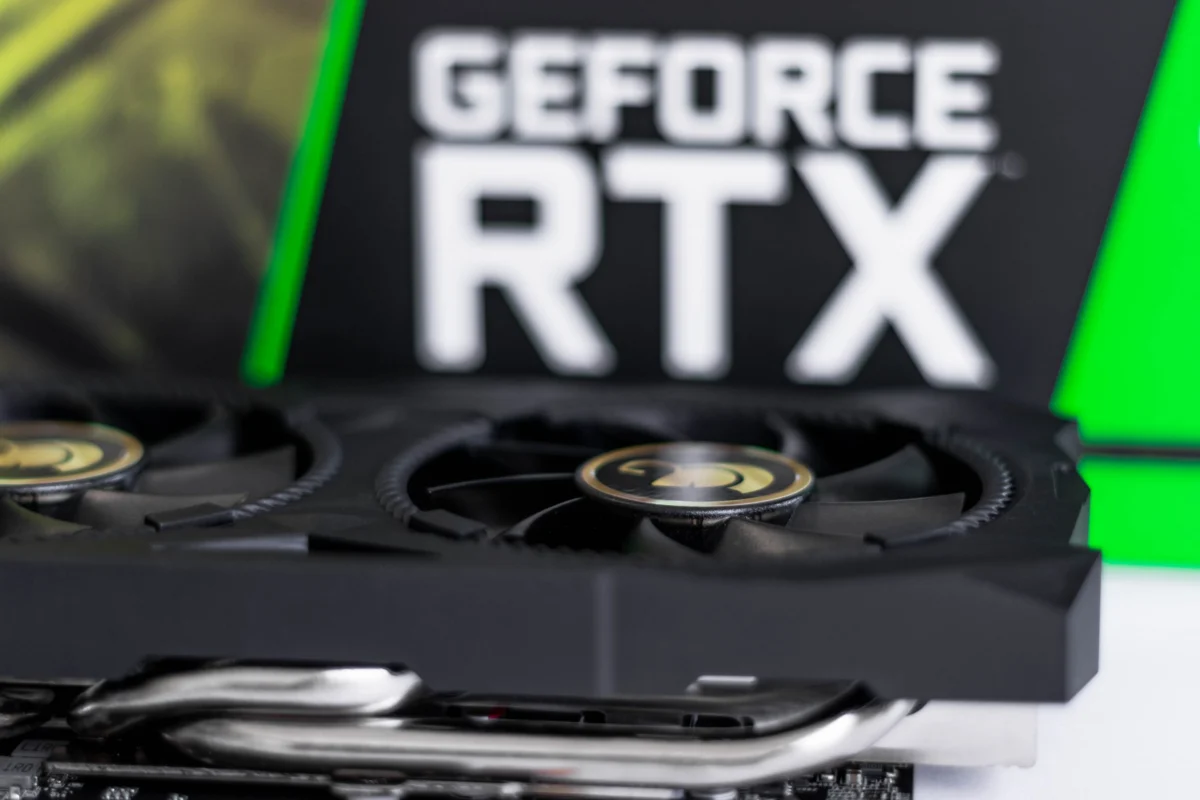
The secondary market for graphics processing units (GPUs) in China is currently experiencing an unprecedented influx of inventory as cryptocurrency miners liquidate their hardware following a series of aggressive regulatory interventions by the Chinese government. High-performance cards, including the widely sought-after Nvidia RTX 3060, are being listed for as low as $270—a price point significantly below the manufacturer’s suggested retail price (MSRP) and a stark contrast to the inflated prices seen during the height of the 2021 mining boom. This mass liquidation marks a pivotal shift in the global hardware supply chain and signals the end of an era for domestic industrial-scale mining in the world’s most populous nation.
The Genesis of the Great Mining Liquidation
For years, China served as the global epicenter of cryptocurrency mining, at one point accounting for over 65% of the global Bitcoin hashrate. This dominance was fueled by access to inexpensive hydroelectric power in provinces like Sichuan and Yunnan, as well as coal-based energy in Inner Mongolia and Xinjiang. However, the landscape shifted dramatically in mid-2021 when the Chinese State Council’s Financial Stability and Development Committee, led by Vice Premier Liu He, announced a comprehensive crackdown on Bitcoin mining and trading activities.
The government cited concerns over financial stability, capital flight, and the environmental impact of energy-intensive mining operations as primary drivers for the ban. In rapid succession, regional authorities began issuing "cease and desist" orders to mining facilities. In Sichuan, the "capital of hydro-mining," power companies were instructed to terminate electricity supply to all known mining farms within 24 hours. This sudden policy shift left thousands of miners with vast inventories of hardware and no domestic means of operation.
While some large-scale institutional miners opted to relocate their operations to crypto-friendly jurisdictions such as Kazakhstan, Russia, and the United States (particularly Texas), many smaller and medium-sized enterprises found the logistical costs of international migration prohibitive. Consequently, a significant portion of these operators chose to exit the industry entirely, leading to the current "dump" of graphics cards on the used market.
Market Saturation and Pricing Trends
The scale of the sell-off is vast, involving thousands of units from both Nvidia and AMD. The primary platforms for these sales are Chinese second-hand e-commerce sites like Xianyu (owned by Alibaba). Data from these platforms indicate a sharp decline in the valuation of the Nvidia Ampere and AMD RDNA2 architectures.
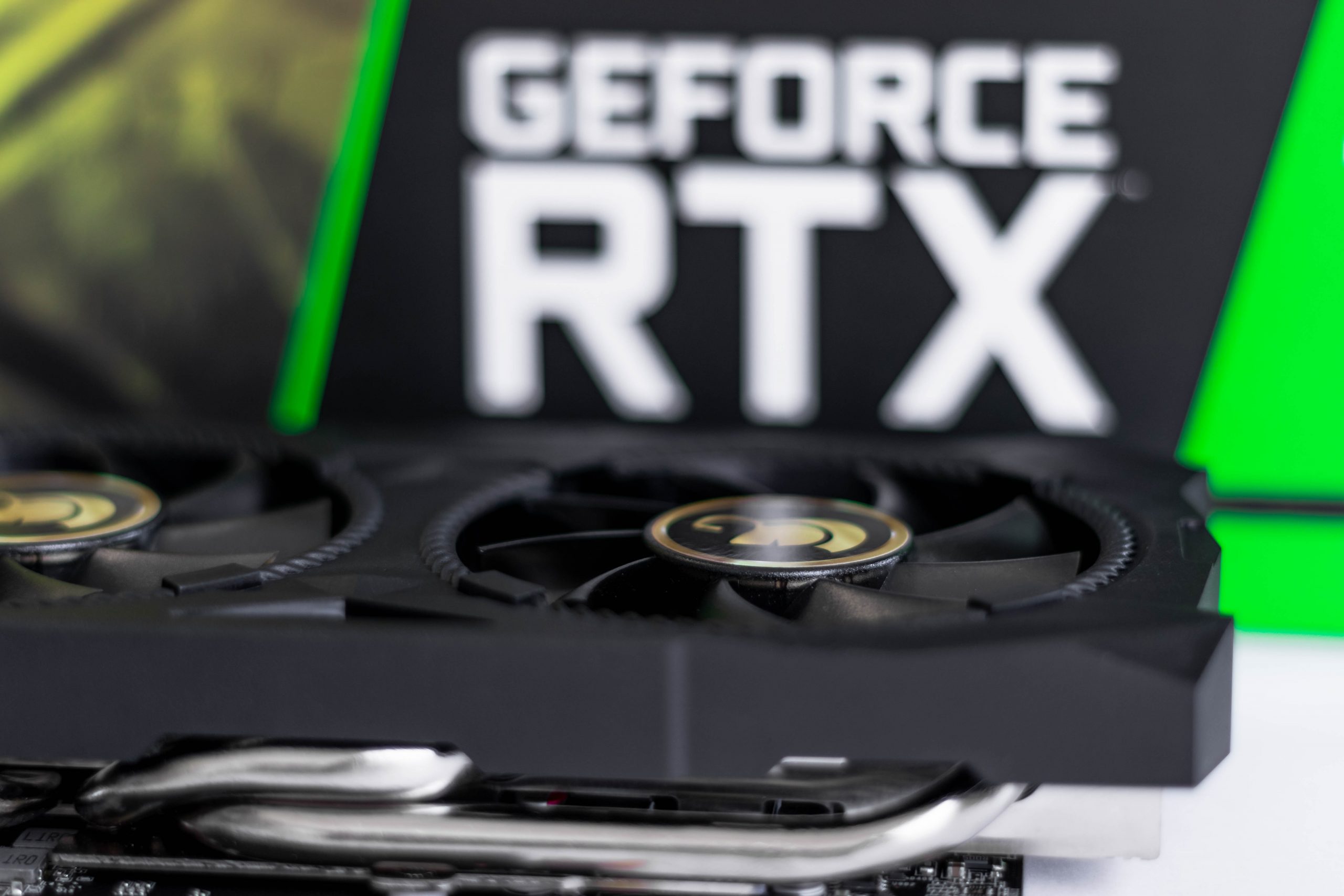
The RTX 3060, which had previously commanded prices upwards of $800 on the black market due to global shortages, has seen its value crater. Recent listings show units available for approximately $270. Higher-tier models are following a similar trajectory; the RTX 3070 is frequently spotted for roughly $400, while the RTX 3060 Ti is being offloaded for approximately $350. Even high-end flagship cards like the RTX 3080 and RTX 3090, which are essential for professional rendering as well as mining, have seen price reductions of 30% to 50% compared to their peak values.
A unique aspect of this liquidation is the emergence of mining-specific hardware that was repurposed during the height of the shortage. Sellers have even begun listing laptops equipped with RTX 3060 GPUs. These machines were used by miners as makeshift "rigs" when standalone desktop cards were unavailable. These laptops are currently being offered for approximately $1,000 per unit, reflecting the desperation of sellers to recoup capital.
The Bulk-Sale Barrier and Buyer Hesitation
Despite the attractive price points, the inventory is not moving as quickly as some might expect. One of the primary reasons for this stagnation is the sale format. Most large-scale miners are unwilling to sell cards on an individual basis. Instead, they are demanding bulk purchases, often requiring buyers to take between 100 and 200 units per transaction. This effectively locks out the average PC gamer or hobbyist, leaving the market open only to hardware recyclers, international exporters, or other mining operations located outside of China.
Furthermore, there is a significant "trust deficit" regarding the condition of these cards. Mining is an intensive process that involves running GPUs 24 hours a day, seven days a week, often in high-temperature environments. To maximize efficiency, many miners "overclock" the memory while "undervolting" the core. While undervolting can theoretically preserve the life of the silicon, the constant heat stress on the Video Random Access Memory (VRAM) and the mechanical wear on the cooling fans often result in a shortened lifespan for the hardware.

Potential buyers are wary of "mining-worn" cards that may suffer from artifacts, thermal throttling, or total component failure shortly after purchase. The lack of manufacturer warranties—which are often voided by mining use or the modification of BIOS settings—further compounds the risk for secondary market participants.
Global Implications and the Easing of the GPU Shortage
The Chinese crackdown and subsequent hardware dump are contributing to a broader easing of the global GPU shortage. For the past two years, a "perfect storm" of pandemic-related supply chain disruptions, increased demand for home entertainment, and the cryptocurrency boom had made it nearly impossible for consumers to purchase graphics cards at MSRP.
Evidence of a cooling market is already appearing in Western regions. In Germany and Austria, reports indicate that GPU prices at major retailers have dropped by as much as 40% in recent months, reaching their lowest levels since early 2021. As the secondary market becomes saturated with used cards from China, demand for new cards from retailers is expected to soften, forcing prices down across the board.
Nvidia’s leadership has acknowledged this shift. In recent industry commentary, Nvidia CEO Jensen Huang noted that the company’s introduction of "Lite Hash Rate" (LHR) cards—which are designed to be less efficient at mining Ethereum—combined with the increasing availability of used hardware, should help return the market to a state of equilibrium. Huang suggested that the combination of regulatory pressure and technical limitations would eventually make GPUs more accessible to the gaming community, which remains Nvidia’s core demographic.
The Strategic Pivot: Digital Yuan and the New Financial Order
The timing of China’s mining ban is not coincidental. As the government removes decentralized cryptocurrencies from its borders, it is simultaneously accelerating the rollout of the Digital Yuan (e-CNY), a Central Bank Digital Currency (CBDC). By eliminating the competition posed by Bitcoin and other private digital assets, the People’s Bank of China (PBOC) aims to consolidate control over the nation’s monetary system and enhance the efficiency of domestic and cross-border payments.

The "void" left by the mining industry is being filled by state-sanctioned blockchain initiatives that do not rely on energy-intensive Proof-of-Work (PoW) mechanisms. This transition allows China to meet its carbon neutrality goals while maintaining its status as a leader in financial technology. For the miners, however, this shift represents a total loss of the "wild west" environment that allowed them to flourish for nearly a decade.
Ethereum’s Transition and the Future of GPU Mining
The future of GPU mining faces another significant headwind: Ethereum’s transition from Proof-of-Work to Proof-of-Stake (PoS), commonly referred to as "The Merge." Ethereum has historically been the most profitable coin to mine using GPUs. Once the network transitions to PoS, the need for graphics cards to secure the network will be eliminated entirely.
This looming technical milestone is a major factor in why Chinese miners are choosing to sell now rather than later. If they wait until after The Merge, the global market could be flooded with millions of additional GPUs from miners worldwide, potentially driving prices even lower than the current $270 floor. The current sell-off in China may be the first wave of a global "Great GPU Flush" that could redefine the hardware market for years to come.
Current Market Status: Bitcoin and Beyond
As of late 2021, the cryptocurrency market remains in a state of consolidation. Bitcoin is currently trading near the $33,000 mark, reflecting a modest recovery from recent lows but still struggling to overcome technical resistance at $35,000. The loss of Chinese hashrate initially caused a dip in the network’s security metrics, but the "difficulty adjustment" mechanism inherent in Bitcoin’s code has allowed the network to remain stable even as miners unplug their machines.
The broader market sentiment remains cautious. While the influx of cheap GPUs is a boon for gamers and researchers in need of high-compute hardware, it serves as a sobering reminder of how quickly regulatory shifts can dismantle an entire industry. For now, the Chinese used market remains a graveyard of the mining boom, with thousands of Nvidia RTX cards waiting for new homes in a world that is rapidly moving away from decentralized hardware-based mining.














