


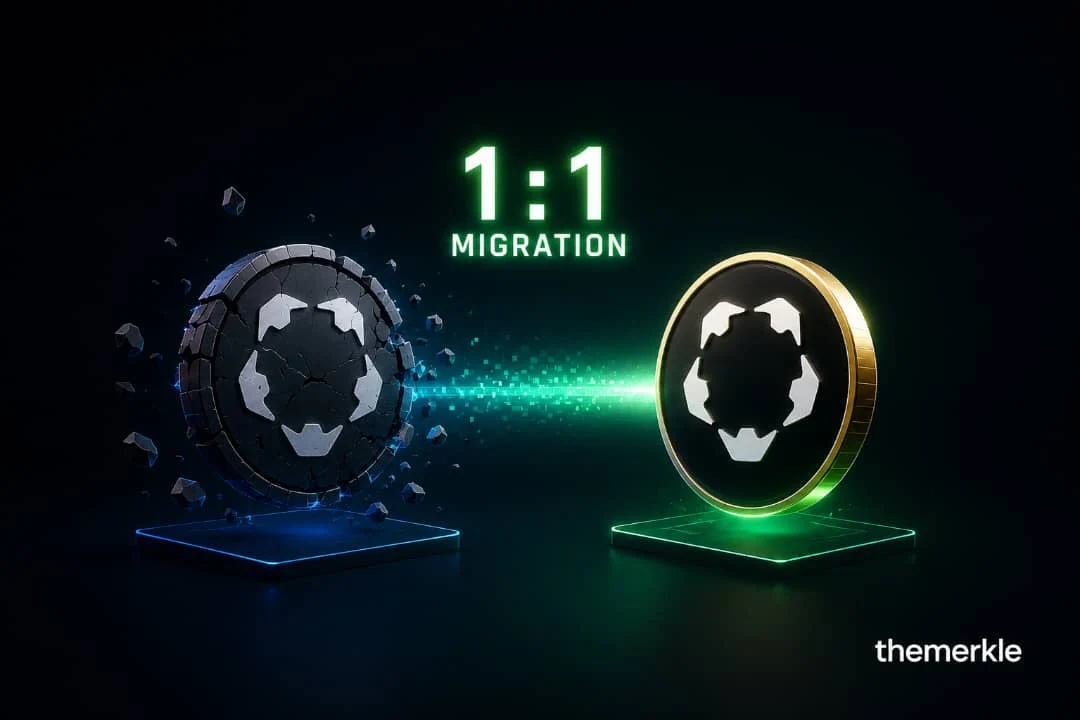
The incident, which saw the project’s ecosystem compromised, necessitated a radical overhaul rather than a piecemeal patch. The move to a completely new token contract on Ethereum signifies Humanity Protocol’s commitment to a "clean break" and a fresh start, underpinned by a newly audited codebase. This approach is not uncommon in the cryptocurrency space following severe exploits, as it often provides the most robust path to restoring confidence and security. The details of this recovery operation are of paramount importance to existing H token holders across various networks, who are now navigating the complexities of a forced migration.
The Genesis of the Crisis: A Security Breach Unveiled
The impetus for this drastic measure was a security breach that fundamentally compromised the Humanity Protocol ecosystem. While the specific vectors or methodologies of the attack were not immediately detailed in the public announcement, the severity of the incident was clearly significant enough to warrant a full token retirement. Such breaches in the blockchain space can range from smart contract vulnerabilities to private key compromises, or even sophisticated phishing attacks targeting core infrastructure. Regardless of its exact nature, the exploit created an untenable situation for the existing H token, leading the team to conclude that a new, secure foundation was essential for the project’s future viability.
The decision to deploy a new audited ERC-20 contract on Ethereum, rather than attempting to salvage the compromised infrastructure, highlights the team’s prioritization of security and user trust. This often involves a meticulous code audit by independent security firms to identify and rectify any vulnerabilities before deployment. The financial and reputational costs associated with such a comprehensive recovery are substantial, reflecting the profound impact of the breach on the project’s operational capacity and market standing.
Humanity Protocol: A Vision for Decentralized Identity
To fully appreciate the gravity of the breach and the scale of the recovery effort, it’s important to understand Humanity Protocol’s mission. Launched with the ambition to create a decentralized identity layer for Web3, Humanity Protocol aims to solve the pervasive "Sybil attack" problem – where a single entity can pose as multiple distinct users – by establishing a robust, privacy-preserving proof-of-humanity system. This protocol envisions a future where users can verify their unique human identity without relying on centralized authorities, thereby enabling fairer airdrops, more secure governance mechanisms, and more equitable access to decentralized applications.
The H token serves as the native utility token within this ecosystem, designed to facilitate transactions, reward participation, and potentially enable governance within the protocol. Given its foundational role in establishing verifiable human identity, the integrity and security of the Humanity Protocol are not merely about financial assets but about the very trust mechanisms underpinning its ambitious vision. A security breach in such a project not only impacts token holders but also casts a shadow over the fundamental premise of decentralized identity itself, making the recovery process even more critical for the broader Web3 ecosystem.
A Precise Timeline of the Exploit and Recovery Planning
The exact moment of the security breach has been pinpointed with forensic precision, forming the bedrock of the migration plan. The critical snapshot, which determines eligibility for the new tokens, was captured across multiple blockchain networks:
- Ethereum (ETH): Block 25,274,179
- BNB Chain (BSC): Block 103,071,069
- Humanity Mainnet: Block 24,247,803
All these blocks correspond to a unified timestamp of June 8, 2026, at 17:25:35 UTC. This exact moment serves as the hard cutoff. Balances of H tokens recorded at this precise second across the specified networks will be deemed eligible for the 1:1 replacement with the new ERC-20 tokens.
Following the discovery of the exploit, the Humanity Protocol team initiated immediate investigations and, likely, paused relevant smart contracts or operations to prevent further damage. This initial response would have been followed by a period of intensive analysis to understand the extent of the breach, identify compromised assets, and formulate a viable recovery strategy. The Tuesday statement, outlining the full migration plan, signifies the culmination of these efforts, providing clarity and a structured path forward for the affected community. This announcement would have been critical in reassuring users and preventing further panic-driven market activity.
The New H Token: Technical Specifications and Distribution Mechanics
The replacement asset will retain the familiar $H ticker, ensuring brand continuity, but it will be deployed as an entirely new ERC-20 token on the Ethereum blockchain. The official smart contract address for this new token has been publicly disclosed as 0xE76c5b78f93909d34404E9eb4C1f19e7582a5dE1. This transparency is vital for users to verify the legitimacy of the new token and avoid potential scams.
A key aspect of the migration is the 1:1 swap ratio, meaning every old H token held by an eligible user before the snapshot will be directly converted into one new H token. This decision to maintain the original ratio is crucial for minimizing financial disruption to legitimate holders, as it avoids any "haircut" or reduction in their token count, a practice sometimes seen in post-exploit recoveries where a portion of lost funds cannot be fully recouped.
Eligibility for the airdrop extends across the three networks where H tokens were previously active: Ethereum, BNB Chain, and the native Humanity Mainnet. This multi-chain support ensures that a broad base of users, regardless of their preferred network for holding H, will be included in the recovery.
For users holding H tokens in standard, self-custody wallets (e.g., MetaMask, Ledger), the distribution process is designed to be straightforward: the new tokens will be automatically airdropped directly to their eligible addresses. However, tokens held within more complex structures, such as decentralized finance (DeFi) protocols (e.g., liquidity pools, lending platforms) or wrapped versions on other chains, require a more nuanced approach. The Humanity Protocol team has indicated that these balances will be handled through a dedicated distribution process managed outside the standard airdrop mechanism. This distinction is necessary because DeFi positions often involve various smart contracts and ownership structures that differ significantly from simple wallet holdings.
A critical component of the distribution strategy is the explicit exclusion of addresses connected to the exploit. Forensic analysis would have been performed to identify wallets involved in the malicious activity, ensuring that the perpetrators do not benefit from the recovery process. Furthermore, the team is actively collaborating with centralized exchanges (CEXs) and other infrastructure partners to coordinate the migration for users who hold their H tokens on these platforms. CEX users are advised to monitor official announcements from their respective exchanges for specific instructions on how the transition will be managed. This multi-pronged approach aims to cover all possible scenarios of token holding and ensure a fair, albeit complex, distribution.
Navigating the Migration: A Multi-faceted Approach for Holders
The Humanity Protocol’s recovery plan acknowledges the diverse ways users interact with cryptocurrency, addressing various categories of token holders:
-
Self-Custody Wallet Holders: These are the most straightforward cases. Users who held H in non-custodial wallets on Ethereum, BNB Chain, or Humanity Mainnet at the snapshot time will automatically receive the new ERC-20 H tokens via airdrop to their original addresses. This direct distribution simplifies the process for a significant portion of the community.
-
DeFi Protocol Participants: This category includes users who had their H tokens staked in liquidity pools, lent on decentralized lending platforms, or utilized in other complex DeFi applications. Due to the inherent smart contract interactions and pooled asset structures in DeFi, a direct airdrop to individual wallet addresses might not be feasible or accurate. The team’s commitment to a "dedicated distribution process" for DeFi users suggests they will work with specific protocol teams or develop custom solutions to identify eligible balances and ensure their migration. This often involves careful reconciliation of smart contract states at the time of the snapshot.
-
Centralized Exchange (CEX) Users: Millions of users prefer the convenience of holding their assets on CEXs. For these users, the migration process will largely be managed by the exchanges themselves. Humanity Protocol is coordinating with these platforms, which will typically handle the swap internally and update user balances. CEX users are strongly advised against attempting to move their tokens or take any action before receiving official guidance from their specific exchange to avoid complications or potential loss of eligibility.
-
The "Post-Dip" Buyers: This is perhaps the most contentious group. The protocol has made it unequivocally clear that anyone who purchased H tokens after the June 8, 2026, 17:25:35 UTC snapshot will not receive replacement tokens. This deliberate exclusion serves to ring-fence the recovery to pre-exploit legitimate holders, preventing speculators who "bought the dip" from benefiting from the recovery at the expense of others or the project’s resources. While harsh for those who took a calculated risk, it’s a common policy in post-exploit scenarios to prevent moral hazard and maintain the integrity of the recovery.
Rebuilding Trust: Compensation, Security Warnings, and Community Engagement
Recognizing that no snapshot-based recovery is perfectly comprehensive, Humanity Protocol has proactively established mechanisms to address edge cases and bolster community trust:
-
Compensation Fund and Claims Portal: Acknowledging that some legitimate holders might fall outside the standard airdrop parameters (e.g., tokens in transit during the snapshot, unusual custody arrangements, or specific protocol interactions not covered by the main distribution), the project has set up a dedicated compensation fund and an accompanying claims portal. This portal provides a formal avenue for users with unique circumstances to present their case and seek resolution, preventing them from being left without recourse. The availability of such a mechanism is a strong indicator of the team’s commitment to fairness and thoroughness in its recovery efforts.
-
Heightened Security Warnings: Post-exploit environments are notorious breeding grounds for malicious actors. Phishing attempts, impersonation scams, and fraudulent "claim" links proliferate as attackers prey on the anxiety and urgency of affected communities. The Humanity Protocol team has issued a pointed and crucial security warning: all official announcements and instructions will come exclusively from verified channels. Users are vehemently urged to treat any unsolicited links or communications regarding token claims with extreme caution. This proactive warning is essential in protecting users from further financial losses to scams.
-
Transparency and Communication: Effective communication is paramount during a crisis. The team’s detailed Tuesday statement and ongoing coordination with exchanges and infrastructure partners demonstrate an effort to maintain transparency and provide clear guidance. This consistent flow of information, coupled with channels for support and clarification, will be vital in rebuilding community trust and ensuring a smooth migration process.
Market Reaction and Broader Implications
The market’s immediate response to the breach and the subsequent migration news was predictable. CoinMarketCap data showed the H token declining approximately 17% on the day of the announcement. This drop reflects a confluence of factors: the direct impact of the exploit, the inherent uncertainty that accompanies any forced token migration (regardless of how well-structured the recovery plan appears), and the explicit exclusion of post-snapshot buyers.
The 17% decline provides a stark illustration of the market pricing in the confirmation that those who bought the distressed asset after the exploit will not receive replacement tokens. These "dip buyers" were essentially betting on an inclusive recovery, and their exclusion means their purchases are now effectively worthless in terms of receiving the new H tokens. Conversely, the sellers on the other side of those trades managed to exit their positions, albeit at a reduced price, by offloading their tokens to these speculative buyers. This market dynamic highlights the risks involved in trading assets during periods of extreme volatility and uncertainty.
Beyond the immediate price action, the implications for Humanity Protocol are significant:
- Reputational Damage: Any security breach, especially one necessitating a full token replacement, inflicts reputational damage. Rebuilding trust will be a long-term endeavor requiring consistent security enhancements, transparent communication, and successful execution of the project’s roadmap.
- Project Roadmap Impact: Resources and development efforts that would typically be directed towards advancing the protocol’s core features will now be diverted to managing the recovery and migration. This inevitably impacts the project’s timeline and could delay the rollout of new functionalities.
- Enhanced Security Focus: Moving forward, Humanity Protocol will likely face heightened scrutiny regarding its security posture. This will necessitate continuous audits, bug bounty programs, and a robust internal security framework to prevent future incidents.
Broader Industry Context: Lessons from a Breach
The Humanity Protocol incident is not an isolated event but rather another entry in a long list of security breaches that have plagued the cryptocurrency industry. In 2023 alone, blockchain security firm CertiK reported over $1.7 billion lost to exploits and scams. These incidents serve as continuous reminders of the nascent and often vulnerable nature of decentralized technologies.
The lessons learned from such events are critical for the entire ecosystem:
- The Importance of Audits: While audits are not foolproof, they are a fundamental layer of defense. Regular, comprehensive audits by reputable firms are non-negotiable for smart contracts and blockchain infrastructure.
- Robust Incident Response: A clear, well-rehearsed incident response plan is crucial. This includes rapid detection, containment, transparent communication, and a clear path to recovery.
- Community Vigilance: Educating users about phishing risks and secure practices is vital, as attackers frequently target the human element.
- Decentralization Challenges: While decentralization offers many benefits, it also presents unique challenges in recovery and governance during a crisis, often requiring centralized coordination for swift action.
The Humanity Protocol’s decision to scrap its old token and embark on a full migration reflects a commitment to long-term viability over short-term expediency. While the path to recovery will be arduous, the comprehensive plan, coupled with a focus on fairness and security, lays the groundwork for rebuilding confidence and continuing its mission to establish a foundational proof-of-humanity layer for Web3. The success of this migration will not only define the future of Humanity Protocol but also offer valuable insights for the broader blockchain industry on navigating the treacherous waters of security breaches.














