


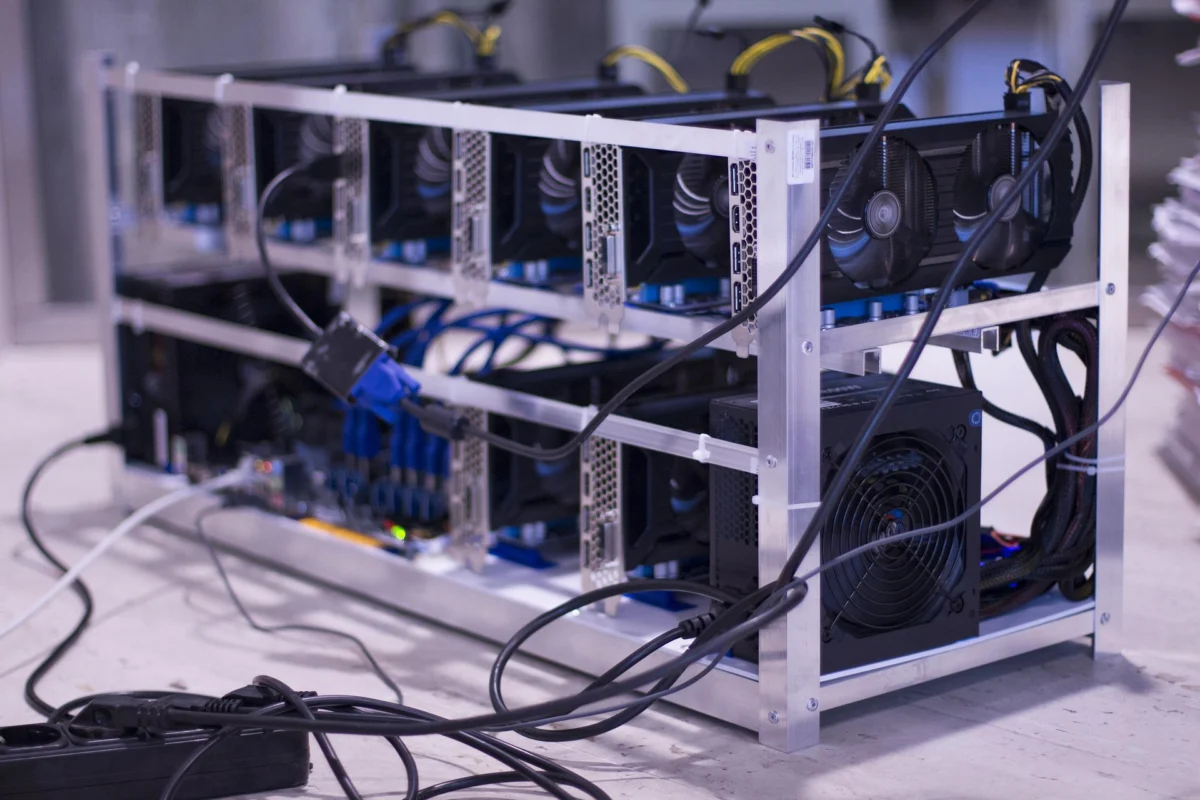
Iranian law enforcement and energy officials have intensified a nationwide crackdown on unauthorized cryptocurrency mining operations, resulting in the detection and seizure of 9,404 illicit mining units over the past five months. This surge in enforcement comes as the Islamic Republic grapples with a persistent energy deficit that has triggered widespread power outages and social unrest. Kambiz Nazerian, the head of the Tehran Electricity Distribution Company, confirmed in a recent statement that these energy-intensive devices were discovered hidden across various districts of the capital city, Tehran. The move underscores the government’s growing desperation to stabilize a power grid bucking under the weight of record-breaking summer temperatures and the clandestine drain of digital asset production.
The scale of the recent seizures highlights a sophisticated and decentralized network of miners seeking to capitalize on Iran’s heavily subsidized electricity. In June alone, police confiscated approximately 7,000 machines, illustrating the rapid acceleration of the state’s "zero-tolerance" policy toward unlicensed crypto operations. This enforcement surge is not an isolated event but rather the latest chapter in a multi-year struggle between the Iranian state and a burgeoning underground industry that views the country’s cheap energy as a primary resource for profit.
The Economic Drivers of Illicit Mining in Iran
To understand the scale of the crisis, one must look at the unique economic landscape of the Islamic Republic. Iran possesses some of the world’s largest reserves of natural gas and oil, which the government uses to provide some of the cheapest electricity on the planet. For years, these subsidies were intended to support domestic manufacturing and provide relief to low-income households. However, the advent of Bitcoin and other Proof-of-Work (PoW) cryptocurrencies transformed this cheap power into a lucrative commodity for "digital gold" miners.
The disparity between the cost of subsidized electricity and the market value of Bitcoin created an irresistible arbitrage opportunity. According to industry reports, most of these unregistered miners have embedded themselves into the social fabric of the country, setting up shop in public institutions such as mosques, schools, and agricultural centers. These locations often receive electricity for free or at significantly reduced rates, allowing miners to operate with virtually zero overhead costs. This practice has drawn the ire of the Iranian public, particularly when blackouts affect hospitals and residential cooling systems during the sweltering summer months.
Furthermore, investigative reports from Iranian media outlets suggest that the mining landscape is not merely composed of small-scale hobbyists. There is significant evidence pointing toward influential domestic networks and well-funded foreign groups, particularly from China, who moved their operations to Iran following Beijing’s blanket ban on crypto mining in 2021. These entities utilize high-powered Application-Specific Integrated Circuit (ASIC) machines, which are designed specifically for the complex calculations required to secure blockchain networks but consume massive amounts of wattage in the process.
A Timeline of the Energy Crisis and Regulatory Response
The tension between the crypto industry and the Iranian state reached a breaking point in early 2021. In March of that year, the Cambridge Bitcoin Electricity Consumption Index (CBECI) estimated that Iran accounted for approximately 7.5% of the global Bitcoin hashrate. While this brought in much-needed foreign currency—a vital asset for a nation under heavy international sanctions—it came at a devastating cost to the national infrastructure.
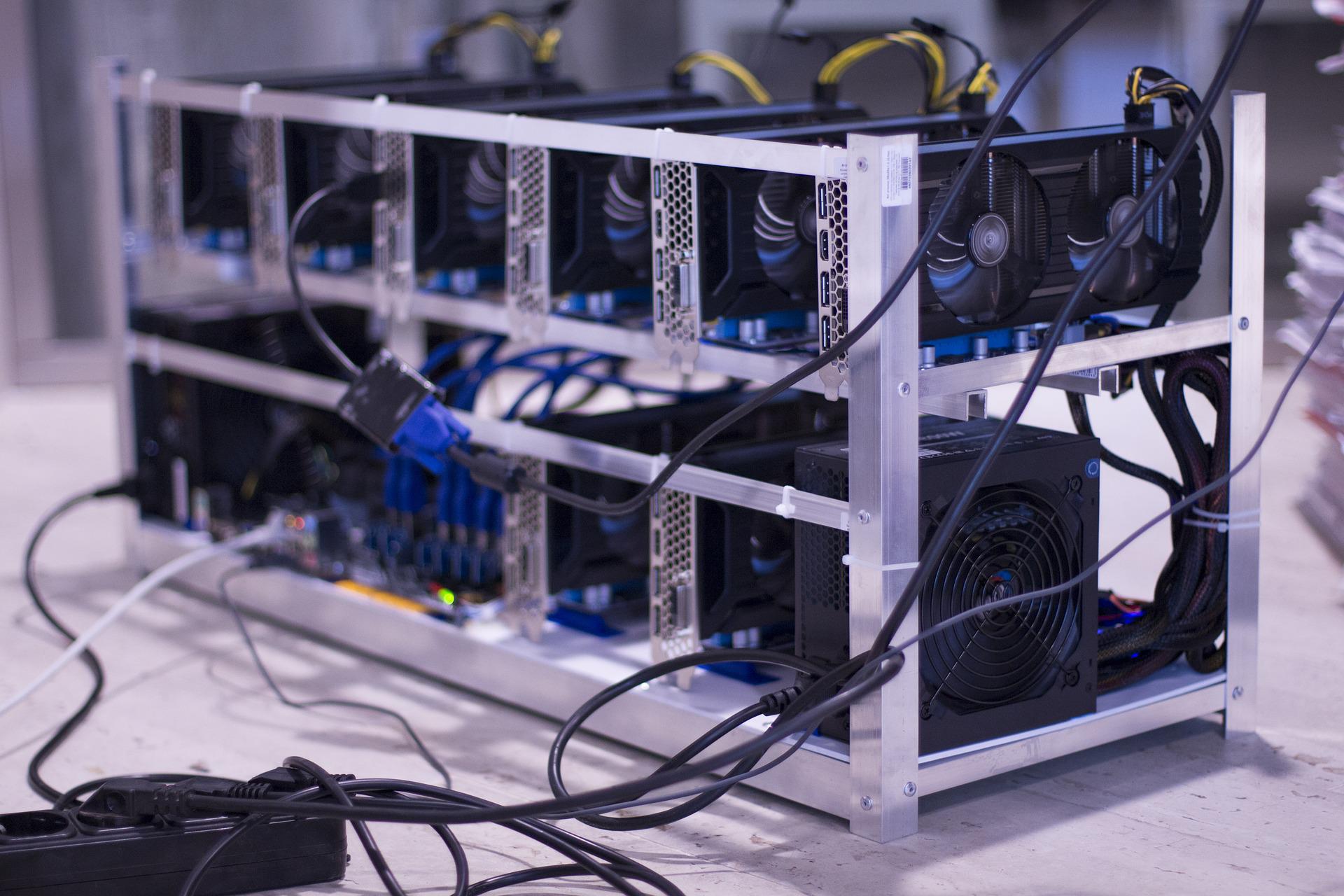
By May 2021, the Iranian government was forced to take drastic measures. Following a series of rolling blackouts that sparked protests in several major cities, the authorities imposed a four-month blanket ban on all crypto mining, including for licensed operators. Although the ban was technically temporary, it set a precedent for seasonal restrictions. In the summer of 2022, the state-run energy provider, Tavanir, once again cut power to 118 licensed mining platforms to prioritize residential and essential industrial demand.
The chronology of enforcement reveals a tightening net:
- Early 2021: Tavanir reports the seizure of 45,000 ASIC machines operating illegally.
- May 2021: A nationwide ban is implemented through September to protect the grid during peak summer heat.
- June 2022: A massive raid results in the confiscation of 7,000 machines in a single month.
- August 2022: Tehran Electricity Distribution Company confirms the detection of 9,404 units over a five-month period.
- Recent Weeks: Authorities shut down an additional 1,620 operations which had collectively consumed an estimated 250 megawatts of power over an 18-month span.
Grid Stability and the Threat of Social Unrest
The Iranian authorities have been vocal in blaming crypto mining for the country’s energy woes, though critics argue that aging infrastructure and a lack of investment in new power plants are also to blame. Nevertheless, the numbers provided by Tavanir are significant. A single Bitcoin mining rig can consume as much electricity as a small apartment complex, and when thousands of these units are concentrated in urban areas like Tehran, the local distribution transformers often overheat and fail.
The impact of these failures extends beyond mere inconvenience. During the summer of 2021, power outages led to water shortages, as electric pumps failed to deliver water to high-rise buildings and agricultural fields. This sparked a wave of "water protests" in provinces like Khuzestan, which quickly evolved into broader anti-government demonstrations. By cracking down on miners, the Iranian government is attempting to remove a visible scapegoat for these systemic failures and prevent further civil instability.
Official responses have been stern. Mostafa Rajabi Mashhadi, a spokesperson for the power industry, has repeatedly warned that illegal mining "endangers the electricity supply for the public" and has called for the cooperation of citizens in reporting suspicious energy spikes in their neighborhoods. To incentivize this, the government has offered bounties to whistleblowers who help police locate hidden mining farms.
Global Context: A Regional Trend of Restriction
Iran is not the only nation struggling to balance the opportunities of the digital economy with the realities of energy scarcity. The Iranian experience mirrors similar crises in other regions:
- Kosovo: In late 2021, Kosovo banned all cryptocurrency mining after declaring a state of emergency due to an energy crisis. Like Iran, Kosovo benefited from cheap electricity, which attracted miners until the grid could no longer support the load.
- Kazakhstan: Following the Chinese exodus, Kazakhstan became the world’s second-largest mining hub. However, massive power shortages led to government raids, tax hikes on miners, and eventually, internet shutdowns during periods of political unrest.
- Russia: While Russia has traditionally been more welcoming to miners, the ongoing conflict in Ukraine and subsequent sanctions have forced firms like SBI Holdings to exit the Russian mining market, citing geopolitical risks and energy priorities.
In the Iranian context, the struggle is further complicated by the U.S.-led "maximum pressure" campaign. For the Iranian central bank, Bitcoin represents a potential tool for bypassing international banking restrictions and facilitating cross-border trade. This creates a paradoxical situation where the state wants to harness the economic benefits of crypto while simultaneously needing to suppress the very activity that produces it to keep the lights on.

Technical Implications and the Future of Mining in Iran
The 9,404 seized units represent a significant loss of hardware for the underground mining community. ASIC miners are expensive and difficult to import under current trade restrictions. The confiscation of these machines, combined with the threat of heavy fines and imprisonment, may drive the industry even further underground or force it to relocate to more stable jurisdictions.
However, as long as the price of electricity remains subsidized and the Iranian Rial continues to face inflationary pressure, the incentive to mine will persist. Analysts suggest that the government may eventually move toward a model of "controlled mining," where all operations must be housed in specialized industrial zones far from residential centers, powered by dedicated power plants or renewable energy sources.
Until such a transition occurs, the "cat and mouse" game between Tehran’s police and crypto miners is expected to continue. The current crackdown serves as a stark reminder of the physical limitations of the digital economy. While Bitcoin exists in a decentralized virtual space, the infrastructure required to maintain it is deeply tethered to the physical world—and in Iran, that world is currently running out of power.
Broader Impact and Conclusion
The seizure of nearly 10,000 mining units in Tehran is a clear signal that the Iranian government views energy security as a matter of national security. The implications of this crackdown are twofold. Locally, it may provide temporary relief to a strained power grid and reduce the frequency of blackouts for millions of citizens. Globally, it contributes to the ongoing shift in the Bitcoin hashrate, as miners seek out locations with not only cheap power but also regulatory and social stability.
As the September deadline for the lifting of the most recent mining restrictions approaches, the industry remains in a state of flux. Licensed miners are waiting to see if they will be allowed to resume operations without interruption, while illegal operators are finding fewer places to hide. The Iranian energy crisis serves as a case study for the rest of the world on the challenges of integrating high-density energy consumers into a traditional power grid. For now, the hum of mining rigs in Tehran’s mosques and schools has been replaced by the silence of confiscated hardware, as the state prioritizes the basic needs of its population over the promise of digital wealth.














