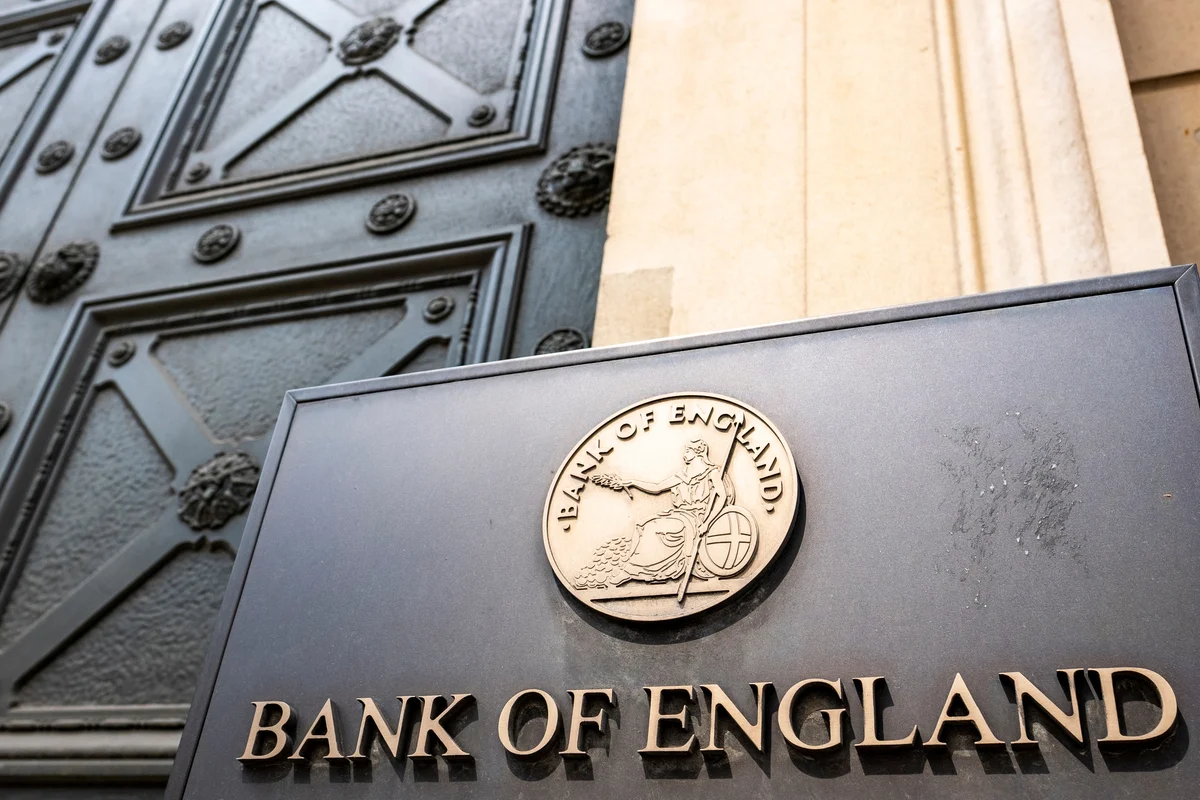
The Bank of England has unveiled a comprehensive and significantly refined regulatory framework for sterling-denominated stablecoins, marking a pivotal step towards integrating these digital assets into the UK’s financial infrastructure. This robust new regime, which is expected to facilitate a supervised launch of systemically important stablecoins by 2027, establishes stringent requirements designed to safeguard financial stability, ensure consumer protection, and foster innovation within a controlled environment. Key revisions from earlier proposals include enhanced flexibility for stablecoin issuers regarding reserve management, notably increasing the permissible allocation to short-dated UK government securities, and a strategic pivot from individual holding thresholds to an aggregate issuance ceiling. This move underscores the UK’s ambition to position itself at the forefront of digital finance, balancing the transformative potential of stablecoins with the imperative of robust oversight.
The Evolving Landscape of Digital Currencies and the UK’s Strategic Response
Stablecoins, a class of cryptocurrencies designed to minimize price volatility by pegging their value to a stable asset like a fiat currency, have garnered increasing attention from regulators worldwide. Their potential to enhance payment efficiency, reduce transaction costs, and facilitate broader financial inclusion has been widely acknowledged. However, their rapid growth and increasing adoption also present potential risks to financial stability, particularly if they achieve systemic importance within an economy. Concerns range from liquidity mismatches and operational resilience to consumer protection and the potential for capital flight from traditional banking systems.
Recognizing this dual nature, the UK government and its financial regulators have been actively developing a proportionate regulatory response. The journey began with initial consultations exploring the broader implications of crypto-assets, culminating in a clear strategic intent to embrace responsible innovation while mitigating risks. This framework is a direct outcome of that strategic vision, specifically addressing stablecoins used for payments, which are deemed to carry the highest potential for systemic impact. The Bank of England’s mandate, alongside the Financial Conduct Authority (FCA) and HM Treasury, has been to craft a regime that is both forward-looking and firmly rooted in established principles of financial regulation.
A Chronology of Policy Development and Consultations
The development of this regulatory framework has been an iterative and consultative process, reflecting a commitment to incorporating industry feedback and adapting to the dynamic nature of digital finance.
- Early 2020s: The UK government and regulators initiated broad discussions and consultations on the regulatory approach to crypto-assets, acknowledging the need for a tailored regime for stablecoins.
- April 2022: The UK Treasury announced its intention to regulate stablecoins as a form of payment, signaling a clear direction for policy development. This commitment was reiterated in subsequent government statements emphasizing the UK’s ambition to become a global hub for crypto-asset technology and investment.
- November 2025 Consultation: The Bank of England published its initial proposals for a regulatory framework for systemic stablecoins. This document outlined stringent requirements for reserve management, redemption, and governance, including a proposed 60% allocation limit for short-dated government securities and specific individual holding thresholds for retail and institutional users.
- Post-Consultation Period (Late 2025 – Early 2026): Extensive industry commentary was received, highlighting concerns about the competitiveness of UK-issued tokens under the proposed restrictions. Market participants argued that overly restrictive reserve mandates could disadvantage UK operators compared to those in less regulated or differently regulated international jurisdictions. There were also debates around the practical implications of individual holding limits.
- Current Publication (Early 2026): The Bank of England publishes the revised framework, reflecting a careful consideration of industry feedback while maintaining core principles of financial stability. This framework represents the penultimate stage before the finalization of detailed operational guidelines.
- September 22, 2026: Deadline for public commentary on the draft Code of Practice, which will provide granular details on compliance and operational expectations.
- End-2026: Finalization of the comprehensive regulatory framework, including the Code of Practice.
- Throughout 2027: Anticipated commencement of operations for authorized systemically important stablecoins under the new British regulatory regime, following successful authorization processes.
This timeline underscores a deliberate, phased approach, allowing ample time for industry preparation and ongoing dialogue to ensure the framework is robust and implementable.
Enhanced Flexibility for Interest-Generating Reserves: Balancing Liquidity and Yield
One of the most significant adjustments in the updated Stablecoin Rules pertains to reserve management. The Bank of England has increased the permissible allocation of backing reserves into short-dated UK government securities from the initially proposed 60% to 70%. The remaining 30% must be held in central bank deposits. This modification directly addresses concerns raised by market participants during the consultation period regarding the economic viability and competitiveness of UK-issued stablecoins.
The rationale behind this adjustment is multifaceted. Firstly, it offers stablecoin issuers enhanced opportunities to generate yield from their reserves. In a market where operational costs are significant, the ability to generate a return on backing assets is crucial for the long-term sustainability and profitability of stablecoin operations. By allowing a higher proportion of reserves to be invested in liquid, high-quality government securities (gilts), the framework aims to make UK-regulated stablecoins more attractive and competitive on a global scale. Short-dated gilts, typically maturing within a year, are considered highly liquid and carry minimal credit risk, making them suitable assets for stablecoin reserves.
Secondly, the mandatory 30% allocation to central bank deposits remains a cornerstone of the framework, ensuring immediate access to highly liquid capital. This dual-layer approach is designed to strike an optimal balance: the 30% central bank deposits provide an unimpeachable layer of liquidity for rapid redemption requests, thereby maintaining market confidence and operational stability, while the 70% in short-dated gilts allows for yield generation without compromising the fundamental principle of full backing and ready convertibility. Regulators believe this structure effectively mitigates liquidity risk, ensuring that stablecoin holders can always redeem their tokens for sterling on demand, even during periods of market stress. The requirement for independent auditing and transparent reporting of reserve assets will also be critical to building and maintaining trust in these digital currencies.
Aggregate Issuance Ceiling Supersedes Individual Restrictions: A New Approach to Systemic Risk
Perhaps the most notable departure from the earlier proposals is the elimination of individual holding limits. Previously, the Bank had considered caps of £20,000 for retail users and £10 million for institutional participants. The revised framework instead introduces a £40 billion aggregate issuance ceiling for each systemically important stablecoin.
This strategic shift reflects a deeper understanding of how systemic risks might manifest in a stablecoin ecosystem. The primary concern of regulators is not merely the size of individual holdings, but rather the potential for large-scale, rapid capital flight from traditional banking deposits into stablecoin reserves. Such a migration, if unchecked, could diminish the liquidity of commercial banks, constrain their lending capacity to consumers and businesses, and ultimately undermine broader financial stability. The £40 billion aggregate cap serves as a macro-prudential guardrail, controlling the overall market exposure to any single systemic stablecoin and preventing an excessive shift of funds out of the conventional banking sector.
This approach offers several advantages. It removes the operational complexity and potential friction associated with enforcing individual account-level restrictions, which could have hindered adoption and user experience. Instead, it places the onus on the issuer to manage its overall issuance within the prescribed limit, allowing for greater flexibility for individual users and institutions to utilize stablecoins without artificial caps. The £40 billion threshold is a temporary measure, and the framework mandates its periodic reassessment based on macroeconomic conditions and the evolving understanding of associated credit risks. Officials have expressed their intention to lift this restriction once systemic concerns regarding bank funding stability and credit provision are satisfactorily mitigated. Industry representatives, while welcoming the removal of individual limits, continue to advocate for more definitive timelines for the cap’s removal and differentiated risk assessments tailored to various operational models and business strategies.
Operational Requirements, Governance, and Consumer Safeguards
Beyond reserve management and issuance limits, the comprehensive framework addresses a broad spectrum of operational and governance requirements crucial for the safe and sound functioning of systemic stablecoins. These include:

- Redemption Processes: Mandating clear, prompt, and reliable redemption mechanisms, ensuring that stablecoin holders can convert their tokens to fiat currency without undue delay or cost. This is fundamental to maintaining the stable peg.
- Token Issuance Standards: Requiring transparency and clarity around the terms and conditions of token issuance, including information on the underlying assets, redemption rights, and associated risks.
- Cybersecurity and Operational Resilience: Issuers will be expected to maintain robust cybersecurity frameworks and operational resilience measures to protect against cyber-attacks, system failures, and other disruptions that could impact the stability or availability of the stablecoin service. This aligns with standards applied to other critical financial infrastructure.
- Consumer Protection: While the BoE focuses on systemic stability, the broader regulatory ecosystem, particularly the FCA, will ensure adequate consumer protection mechanisms are in place. This includes clear disclosure of risks, effective dispute resolution procedures, and measures to prevent market manipulation.
- Governance Structures: Systemic stablecoin issuers will be required to establish robust governance frameworks, including clear roles and responsibilities, risk management policies, and internal controls, mirroring expectations for traditional financial institutions.
The Dual Regulatory Landscape: A Collaborative Approach to Oversight
The supervisory responsibilities for the stablecoin ecosystem in the UK will be distributed strategically between the Bank of England and the Financial Conduct Authority (FCA), with HM Treasury retaining a critical role in designation.
- Bank of England (BoE): Will assume primary oversight for stablecoins deemed "systemically designated payment tokens." This designation, determined by HM Treasury, implies that the failure or disruption of such a stablecoin could pose a risk to the broader UK financial system. The BoE’s focus will be on ensuring the financial stability implications, including reserve management, liquidity, and operational resilience.
- Financial Conduct Authority (FCA): Will govern non-systemic stablecoins, exchange-traded products (ETPs) linked to crypto-assets, and a broader range of crypto-asset activities. The FCA’s mandate centers on consumer protection, market integrity, and competition. This includes ensuring fair treatment of customers, preventing market abuse, and promoting healthy competition among market participants.
- HM Treasury: Retains the crucial authority to designate which stablecoins warrant systemic classification, based on criteria such as transaction volume, user base, and interconnectedness with the wider financial system.
This tripartite approach ensures that stablecoins are regulated proportionately to their potential risk profile. The framework also establishes clear transition protocols for entities that may migrate from FCA jurisdiction into systemic supervision by the Bank of England, ensuring a smooth and coordinated handover. Supplementary guidance documents from the FCA, detailing its finalized standards and implementation materials for non-systemic stablecoins, are expected later this year, completing the comprehensive regulatory architecture. This collaborative model is designed to provide clarity for market participants and prevent regulatory arbitrage, while ensuring holistic oversight across the digital asset spectrum.
Industry Reactions and Broader Implications for the UK
The Bank of England’s finalized framework has been largely met with a sense of cautious optimism from the industry. Many stakeholders welcome the increased clarity and the UK’s proactive stance in establishing a dedicated regulatory regime for stablecoins. The enhanced flexibility for reserve management, in particular, is seen as a pragmatic adjustment that improves the economic viability of operating in the UK. The shift to an aggregate issuance ceiling, rather than individual limits, is also viewed favorably, as it reduces friction for users and allows for greater scalability.
However, challenges and ongoing debates persist. Industry representatives will likely continue to advocate for more precise timelines regarding the eventual removal of the £40 billion aggregate cap, seeking greater certainty for long-term business planning. There will also be a strong emphasis on ensuring that the implementation of the Code of Practice is practical and does not impose undue compliance burdens that could stifle innovation. Competition with other jurisdictions, notably the European Union’s Markets in Crypto-Assets (MiCA) regulation, will remain a key consideration. The UK’s framework aims to be robust but also agile enough to attract and retain leading fintech firms and stablecoin issuers.
The broader implications for the UK’s financial sector are significant. This framework is a cornerstone of Britain’s strategic initiative to advance digital payment systems and tokenized financial infrastructure. By providing a clear and comprehensive regulatory environment, the UK aims to:
- Attract Investment and Innovation: Establish the UK as a leading jurisdiction for stablecoin issuance and digital asset innovation, drawing in talent and capital.
- Enhance Payment Efficiency: Facilitate the development of more efficient, faster, and potentially cheaper payment systems, both domestically and internationally.
- Reinforce Financial Stability: Integrate stablecoins into a regulated framework, mitigating risks to the broader financial system and ensuring consumer confidence.
- Maintain Global Competitiveness: Position London as a global financial hub in the evolving landscape of digital finance, competing effectively with other major financial centers.
- Future-Proofing Financial Infrastructure: Lay the groundwork for a more tokenized economy, where a wider range of assets and financial instruments could be digitized and traded on distributed ledger technology.
In conclusion, the Bank of England’s latest stablecoin regulatory framework represents a significant and well-considered step forward for the United Kingdom. It demonstrates a sophisticated understanding of the opportunities and risks presented by stablecoins, seeking to foster innovation within a meticulously controlled and secure environment. As the UK moves towards a supervised launch in 2027, the success of this framework will depend on its effective implementation, ongoing adaptability to market developments, and continued collaboration between regulators and the industry, ultimately shaping the future of digital payments and finance in the nation.