The recent vote in the U.S. Senate to overturn a Securities and Exchange Commission (SEC) policy on cryptocurrency has sent ripples of optimism through the digital asset community. This development, championed by prominent figures like Bitcoin bull Michael Saylor, represents a significant, albeit potentially temporary, victory for the burgeoning crypto industry. However, the ultimate impact hinges on a crucial decision: whether President Joe Biden will veto the Senate’s resolution.
Senate Delivers Blow to SEC’s Crypto Stance
In a move that surprised many, the Senate voted 60-38 to disapprove of Staff Accounting Bulletin 121 (SAB 121). This SEC policy, enacted in March 2022, has been a major point of contention, with critics arguing it effectively prohibits regulated financial institutions from holding crypto assets on their balance sheets. The core of the controversy lies in SAB 121’s requirement for custodians to hold crypto assets at fair value on their balance sheets, marking them as liabilities. This accounting treatment, according to industry participants, creates significant capital requirements that are practically prohibitive for many traditional financial entities wishing to engage with digital assets.
Michael Saylor, co-founder and executive chairman of MicroStrategy, a company with a substantial Bitcoin treasury, has been a vocal critic of the SEC’s approach to cryptocurrency regulation. Saylor has consistently advocated for a more favorable regulatory environment that encourages institutional adoption of Bitcoin. Following the Senate’s vote, Saylor took to social media to express his strong approval, hailing it as a crucial step towards fostering innovation and investment in the digital asset space. His public endorsement underscores the significance of this legislative action for proponents of broader cryptocurrency integration within the traditional financial system.
The vote was a bipartisan effort, demonstrating a growing recognition in Congress that the SEC’s current stance may be stifling innovation and driving businesses away from the United States. Proponents of the resolution argued that SAB 121 was an overreach by the SEC, imposing a de facto ban on certain crypto-related activities without proper legislative authority. They contend that such policies create an uneven playing field and hinder the development of a robust digital asset ecosystem within the U.S.

Background: The Genesis of SAB 121 and the Crypto Lobbying Effort
Staff Accounting Bulletin 121 was issued by the SEC under the leadership of Chair Gary Gensler, who has been known for his hawkish stance on cryptocurrency regulation. The bulletin was intended to provide guidance on accounting for the custody of crypto assets. However, its implications extended far beyond accounting, effectively shaping the landscape of institutional involvement in the crypto market.
Financial institutions, including major banks and payment processors, expressed concerns that complying with SAB 121 would require them to hold significant capital reserves against any crypto assets they custody for clients. This, they argued, would make it economically unfeasible for them to offer services like crypto custody to their customers. This sentiment was echoed by crypto exchanges and asset managers, who saw the policy as a significant barrier to entry for traditional finance.
In response, a concerted lobbying effort was undertaken by the crypto industry and its allies in Congress. This effort culminated in the introduction of a joint resolution of disapproval, which, if passed by both houses of Congress and signed by the President, would nullify SAB 121. The Senate’s passage of this resolution marks a critical milestone in this campaign.
The Crucial Presidential Decision: Veto or Signature?

The Senate’s victory is not yet definitive. The resolution now heads to President Biden’s desk, where it faces a significant hurdle. The Biden administration has generally adopted a cautious approach to cryptocurrency regulation, often signaling concerns about investor protection, financial stability, and illicit finance. While the administration has not explicitly stated its position on SAB 121, its broader regulatory philosophy suggests a potential for a veto.
If President Biden vetoes the resolution, it would send a strong signal that the administration remains aligned with the SEC’s current approach to crypto regulation. This would likely dampen the spirits of the crypto industry and potentially lead to a renewed push for more restrictive regulations. Conversely, if President Biden signs the resolution into law, it would represent a significant policy shift, signaling a more open stance towards institutional participation in the digital asset market and potentially encouraging other regulatory bodies to reconsider their policies.
The White House has been under pressure from various interest groups. Proponents of the resolution are urging the President to sign it, emphasizing the potential for job creation, economic growth, and U.S. leadership in blockchain technology. They argue that a supportive regulatory environment is essential to prevent the U.S. from falling behind other nations in the digital asset revolution. On the other hand, consumer protection advocates and some within the financial regulatory community may continue to voice concerns about the risks associated with increased institutional involvement in crypto, potentially influencing the President’s decision.
Implications for the Crypto Market and Institutional Adoption
The potential nullification of SAB 121 carries significant implications for the future of cryptocurrency adoption by traditional financial institutions. If the policy is overturned, it could pave the way for banks and other regulated entities to more comfortably offer a range of crypto services, including custody, trading, and asset management. This could lead to a substantial influx of capital into the crypto market, potentially driving up asset prices and fostering greater liquidity.

Furthermore, a more accommodating regulatory environment could encourage greater innovation within the U.S. crypto ecosystem. Companies that have been hesitant to operate in the U.S. due to regulatory uncertainty might find the market more attractive, leading to the establishment of new businesses and the expansion of existing ones. This could solidify the U.S.’s position as a global leader in blockchain technology and digital assets.
However, it is crucial to acknowledge that the Senate’s vote is only one piece of the complex regulatory puzzle. Even if SAB 121 is overturned, other regulatory challenges and concerns will persist. The SEC, under Chair Gensler, continues to pursue enforcement actions against crypto firms, indicating a broader intention to regulate the industry through existing securities laws. Therefore, a favorable outcome on SAB 121 would not necessarily signal a complete deregulation of the crypto market.
Broader Economic and Technological Context
The debate surrounding SAB 121 is emblematic of a larger global discussion about the role of digital assets in the modern economy. As blockchain technology matures and cryptocurrencies gain wider recognition, governments worldwide are grappling with how to regulate this rapidly evolving space. The U.S. has often been seen as a bellwether in financial regulation, and its actions on cryptocurrency can have a significant influence on international policy.
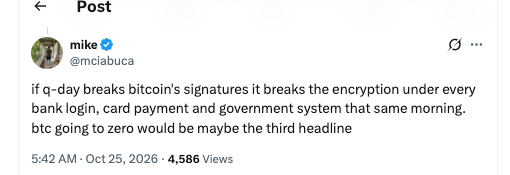
The potential for quantum computing to disrupt cryptography, a topic recently highlighted by Bitcoin analyst Willy Woo, adds another layer of complexity to the regulatory landscape. While the threat of "Q-Day" remains a subject of debate and its timeline uncertain, the proactive approach taken by the Senate in addressing a current regulatory impediment suggests a growing awareness of the need for adaptable and forward-thinking policies in the digital age.
The Senate’s vote on SAB 121 represents a significant moment, offering a glimpse of a potentially more crypto-friendly regulatory future in the United States. The outcome of President Biden’s decision will be closely watched by the global financial community, with far-reaching consequences for institutional adoption, technological innovation, and the overall trajectory of the digital asset market. The coming days and weeks will reveal whether this legislative victory for the crypto industry will translate into lasting policy change or remain a temporary reprieve.