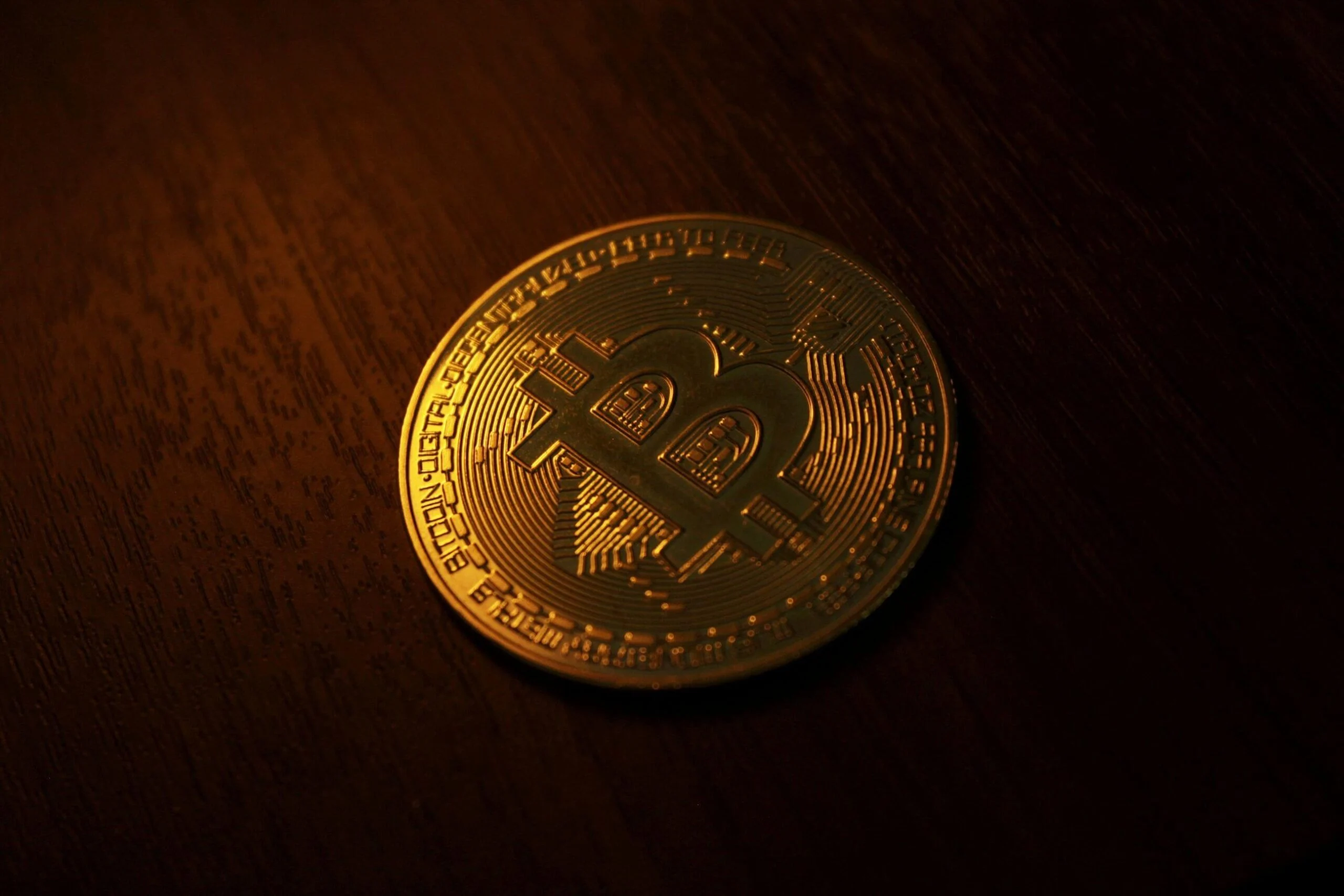
Bitcoin, the world’s leading cryptocurrency, experienced a significant price surge on Tuesday, breaking the $64,000 barrier following the release of a more favorable-than-expected U.S. inflation report. This pivotal macroeconomic data point spurred a wave of bullish sentiment across the cryptocurrency markets, as traders recalibrated their expectations for future monetary policy tightening by the Federal Reserve. The sudden shift in economic outlook, driven by cooler inflation figures, provided a potent catalyst for risk assets, with Bitcoin leading the charge in a broader market rally.
The June 2026 Consumer Price Index Report: A Detailed Look
The U.S. Consumer Price Index (CPI) for June 2026 registered at 3.5% on an annual basis, significantly falling short of the consensus forecast of 3.8%. This marked a welcome deceleration in the pace of inflation, offering relief to policymakers and investors alike. Even more strikingly, the monthly reading indicated a 0.4% decline, a substantial improvement compared to the market’s expectation of a mere 0.1% decrease. This single-month reduction was particularly noteworthy, representing the most significant CPI drop observed since April 2020, according to data from the U.S. Bureau of Labor Statistics.
Core inflation metrics, which exclude the volatile food and energy components and are often considered a better indicator of underlying inflationary trends, also surprised to the downside. The core CPI posted an annual increase of 2.6% year-over-year, underperforming forecasts that had projected a 2.8% rise. These figures collectively painted a picture of moderating price pressures, suggesting that previous monetary tightening measures might be effectively working their way through the economy.
A primary driver behind the overall decline was a sharp reduction in energy costs. The energy sector index plummeted by 5.7% during June, a stark reversal from the 3.9% increase recorded in the preceding month. This decline in energy prices occurred despite ongoing geopolitical tensions, including the U.S.-Iran conflict and persistent disruptions to crucial oil shipping routes through the Strait of Hormuz. Analysts had largely anticipated that these geopolitical factors would sustain upward pressure on energy prices, making the reported decline even more impactful and unexpected. The broad-based nature of the inflation slowdown, particularly in core metrics, reinforced the market’s perception that the inflationary peak might be firmly in the rearview mirror. Historically, significant deviations from inflation forecasts have often triggered substantial reactions in financial markets, as investors adjust their portfolios to reflect evolving central bank policy expectations.
Immediate Market Response: A Broad-Based Rally
The financial markets reacted swiftly and decisively to the benign inflation data. Bitcoin, often sensitive to macroeconomic shifts and liquidity conditions, immediately advanced from its intraday low near $62,000. Within hours, it had climbed to approximately $63,700, reflecting a daily increase exceeding 2%. As traditional U.S. markets commenced trading, the cryptocurrency’s upward momentum continued, momentarily pushing BTC above the psychologically significant $64,000 mark. This rapid ascent underscored Bitcoin’s role as a high-beta asset, often amplifying broader market sentiment.
Beyond the cryptocurrency sphere, U.S. stock market futures surged on the news, signaling a strong open for equities. Major indices like the S&P 500 and Nasdaq 100 futures indicated robust gains, as investors cheered the prospect of a less aggressive Federal Reserve. The bond market also experienced a notable reaction, with Treasury yields falling across the curve. The yield on the benchmark 10-year U.S. Treasury note, a key indicator for borrowing costs, saw a significant decline, reflecting reduced expectations for future interest rate hikes and potentially even anticipating future rate cuts. A falling dollar index (DXY), which measures the U.S. dollar against a basket of major currencies, further corroborated the market’s interpretation of a less hawkish Fed, as a weaker dollar typically accompanies lower interest rate expectations.
The broader cryptocurrency market mirrored Bitcoin’s positive trajectory. Many altcoins, including Ethereum (ETH), Solana (SOL), and various decentralized finance (DeFi) tokens, posted considerable gains in tandem with Bitcoin’s rally. The total cryptocurrency market capitalization saw a noticeable increase, reflecting a renewed influx of capital and investor confidence. This synchronous movement across digital assets highlighted the interconnectedness of the crypto ecosystem and its sensitivity to macro-level economic indicators, particularly those pertaining to inflation and central bank policy.
Federal Reserve Policy Outlook: Softening the Stance
The softer-than-anticipated inflation figures dramatically reduced market expectations for continued monetary tightening by the Federal Reserve. Prior to the report, a more hawkish stance was widely anticipated, with many traders bracing for further interest rate hikes. However, the June CPI data fundamentally altered this outlook.
Data from the CME FedWatch Tool, a widely used gauge of market expectations for Federal Reserve interest rate changes, showed a precipitous drop in the probability of an interest rate increase at the upcoming July Federal Open Market Committee (FOMC) meeting. The likelihood now stands at a mere 14.4%, a stark contrast to previous weeks when probabilities were considerably higher. Similarly, decentralized prediction platform Polymarket, which allows users to bet on real-world events, reflected an even more pronounced shift. On Polymarket, the chances of a July rate hike plummeted to just 7%, a sharp decline from a recent peak of 34%. This indicates a strong market consensus that the Fed is unlikely to raise rates in the immediate future.
Furthermore, the likelihood of any rate increase occurring throughout the entirety of 2025 also declined significantly on Polymarket, falling to 55% from a previous high of 71%. This suggests that market participants are increasingly pricing in a prolonged pause in rate hikes, and potentially even anticipating rate cuts in the not-too-distant future, should disinflationary trends persist.
Prominent economist Mohamed El-Erian shared his perspective on social media platform X, stating that the inflation data "should help temper what had become an excessively hawkish market tilt to the monetary policy outlook." His remarks underscored the widespread sentiment among financial experts that the market had perhaps become overly pessimistic regarding the Fed’s future actions, and that the latest data offered a much-needed rebalancing of expectations. The Federal Reserve operates under a dual mandate: to achieve maximum employment and maintain price stability. While employment figures have remained robust, the recent moderation in inflation provides the Fed with greater flexibility, potentially allowing them to adopt a more accommodative stance or at least maintain current rates for longer without resorting to further hikes. This shift away from a "higher for longer" interest rate narrative is generally perceived as bullish for growth-oriented assets like technology stocks and cryptocurrencies, which tend to thrive in environments of lower borrowing costs and ample liquidity.
Cryptocurrency Market Dynamics: Short Squeezes and Liquidation Cascades
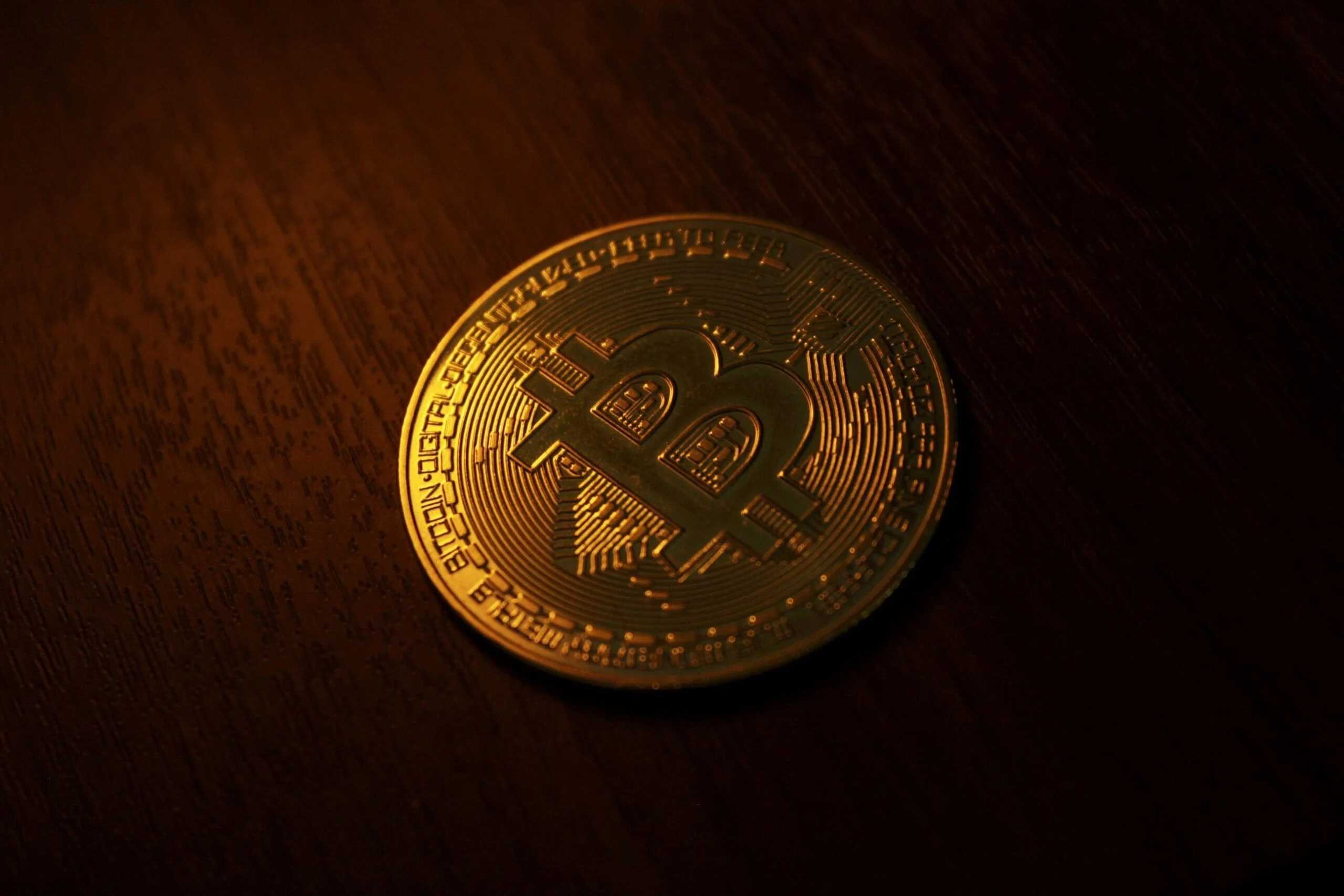
The rapid upward movement in Bitcoin’s price triggered a significant wave of liquidations in the cryptocurrency derivatives market. According to CoinGlass data, cryptocurrency short position liquidations exceeded $220 million in the 24-hour period following the inflation report’s release. A short squeeze occurs when the price of an asset rapidly increases, forcing traders who have bet against the asset (i.e., short sellers) to buy it back to cover their positions and limit their losses. This forced buying further fuels the price rally, creating a cascade effect.
The substantial volume of liquidations indicates that a significant number of traders were positioned for a decline or stagnation in Bitcoin’s price, likely anticipating a more hawkish Fed stance. The unexpected inflation data caught many off guard, leading to substantial losses for these short sellers and contributing to the intensity of Bitcoin’s rally. This dynamic highlights the volatile nature of the cryptocurrency market, where leverage and rapid price movements can lead to amplified gains or losses.
The broader crypto market capitalization also benefited from this influx of liquidity and renewed optimism. While Bitcoin typically leads such rallies, many altcoins saw their prices appreciate as capital flowed back into the digital asset space. This effect is often observed when market sentiment shifts positively, with Bitcoin acting as the primary bellwether. The short squeeze activity, while contributing to immediate price action, also serves as a reminder of the inherent risks associated with leveraged trading in highly speculative markets.
Technical Analysis and Market Caution at Key Resistance Levels
Despite the significant upward momentum, technical analysts are exercising caution, refraining from declaring a definitive breakout just yet. The consensus among many analysts is that while the fundamental news provided a strong impetus, Bitcoin still needs to convincingly overcome key technical resistance levels to confirm a sustained uptrend.
Cryptocurrency analyst Daan Crypto Trades observed on X that Bitcoin was "testing the top of its range regardless of all the geopolitics." He further emphasized that today’s push was "obviously fueled by the low CPI print," but stressed the necessity for a confirmed closing price above current resistance levels. For technical traders, a mere breach of a resistance level is often not enough; a sustained close above it, particularly on higher timeframes (e.g., daily or weekly charts), is crucial to validate the move.
Trader Killa identified significant liquidity accumulation above the $64,800 mark, indicating potential buying interest or short-covering opportunities if that level is breached. However, Killa issued a cautionary note: "If we can’t reclaim and hold the weekly open, this is likely just a lower high before we move down to test the $60K region." This perspective highlights the importance of historical price levels and the potential for a "fakeout" if the upward momentum cannot be sustained. The weekly open price is a critical reference point for many traders, signaling the strength or weakness of current price action relative to the start of the trading week.
Market analyst Ted highlighted substantial selling pressure at the $65,000 level, suggesting that this price point acts as a formidable barrier. According to Ted’s analysis, a decisive break above this threshold, accompanied by strong volume, could trigger a further 5-6% price surge, as it would likely clear out remaining sell orders and potentially initiate a new wave of buying.
Crypto commentator Exitpump, while acknowledging the short squeeze activity, characterized current market conditions as "still a range trading environment." This view suggests that despite the impressive one-day rally, Bitcoin remains confined within a broader price range and has not yet entered a clear bullish or bearish trend. For range-bound assets, traders often look for prices to oscillate between defined support and resistance levels until a significant catalyst forces a breakout in either direction. The interplay between strong fundamental news and entrenched technical levels creates a dynamic and often unpredictable trading environment.
Broader Economic Implications and the Road Ahead
The June CPI report and its subsequent market reaction carry significant broader economic implications. A sustained trend of moderating inflation could pave the way for a more stable economic environment, potentially reducing the likelihood of a severe recession. This "soft landing" narrative, where inflation cools without triggering a significant economic downturn, would be highly favorable for both traditional financial markets and risk assets like cryptocurrencies. Consumer and business confidence could improve, encouraging spending and investment, which are vital for economic growth.
Looking ahead, the financial markets will remain highly sensitive to incoming economic data. The next major catalyst arrives with the upcoming Producer Price Index (PPI) release, which measures inflation from the perspective of producers. The PPI often serves as a leading indicator for consumer inflation, and its figures could introduce additional volatility to Bitcoin’s price trajectory and broader market sentiment. Beyond specific data releases, upcoming Federal Open Market Committee (FOMC) meetings will be closely scrutinized for any shifts in the Federal Reserve’s language or forward guidance. Speeches from Fed officials, employment reports, and global economic developments will also continue to shape market expectations.
Furthermore, geopolitical factors, such as the ongoing U.S.-Iran conflict and any new disruptions to global supply chains, remain significant wildcards. While energy prices declined in June, persistent tensions could easily reignite inflationary pressures, particularly in the energy sector, thereby complicating the Fed’s efforts to maintain price stability. The debate surrounding Bitcoin’s role as an inflation hedge versus a high-beta risk asset also continues. In a disinflationary environment, Bitcoin’s appeal as a hedge against rising prices might diminish, but its sensitivity to liquidity and risk-on sentiment could see it benefit from a more dovish Fed. The global economic landscape, including inflation trends and central bank policies in other major economies, will also influence the overall market environment for digital assets.
In conclusion, the surprisingly benign U.S. inflation report for June 2026 served as a powerful catalyst for Bitcoin and the broader cryptocurrency market, triggering a significant rally and dramatically reducing expectations for further Federal Reserve interest rate hikes. While the immediate market reaction has been overwhelmingly positive, technical analysts urge caution, emphasizing the need for Bitcoin to decisively clear key resistance levels to confirm a sustained uptrend. The interplay of macroeconomic data, central bank policy, and technical market dynamics will continue to shape the trajectory of digital assets in the coming weeks, with investors keenly awaiting further economic indicators and central bank guidance. The market’s current trajectory is a testament to its sensitivity to inflation signals and the profound impact of evolving monetary policy expectations.