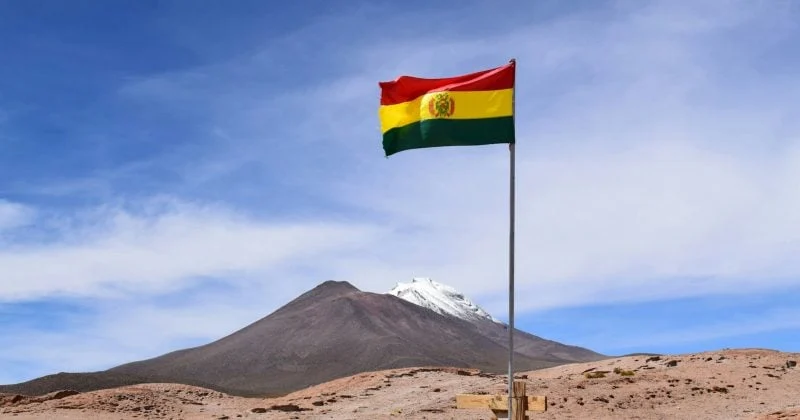
The Bolivian government is currently conducting a high-level evaluation regarding the formal integration of the stablecoin Tether (USDT) into the country’s national payment system, a move that signals a significant departure from previous restrictive financial policies. According to recent statements made by the Minister of Economy and Public Finance, José Gabriel Espinoza, which were first reported by the national outlet EL DEBER, the administration is considering a framework where USDT would function as a recognized and legitimate means of payment. Under this proposal, the stablecoin—which currently boasts a market capitalization exceeding $184 billion—would operate alongside the United States dollar and the national currency, the Bolivian boliviano, providing a digital alternative to traditional fiat transactions.
This initiative marks a pivotal moment in the Andean nation’s economic strategy, representing what Minister Espinoza describes as the "next phase" of Bolivia’s digital assets policy. The move follows the landmark decision in early 2024 to lift long-standing prohibitions on the use of cryptocurrencies and digital assets. While the removal of these restrictions allowed for the legal possession and trading of digital assets, the government acknowledges that formal adoption into the national infrastructure requires a robust and comprehensive regulatory framework to ensure financial stability and international compliance.
The Evolution of Bolivian Crypto Policy: A Chronological Shift
To understand the magnitude of this proposal, it is essential to examine the trajectory of Bolivia’s relationship with digital finance. For nearly a decade, Bolivia maintained one of the most stringent stances against cryptocurrencies in Latin America. In 2014, the Central Bank of Bolivia (BCB) issued a resolution (N° 044/2014) that explicitly prohibited the use of any currency not issued or regulated by the state, effectively banning Bitcoin and all subsequent altcoins. This stance was reaffirmed in 2020, with officials citing concerns over money laundering, fraud, and the lack of consumer protections.
However, the global economic landscape and internal domestic pressures began to shift the government’s perspective. By late 2023 and early 2024, the Bolivian economy faced increasing strain due to a shortage of physical US dollars, which are vital for international trade and domestic savings. In June 2024, the Central Bank of Bolivia, in coordination with the Financial System Supervision Authority (ASFI) and the Financial Investigations Unit (UIF), announced the lifting of the ban on crypto transactions. This policy shift was designed to modernize the payment system and provide citizens with alternative financial tools amidst a tightening foreign exchange market.
The current evaluation of USDT integration is the logical progression of this liberalization. Minister Espinoza noted that while digital assets are no longer "clandestine," the transition from "permitted" to "integrated" requires a structured approach. The government’s aim is to move beyond the mere legality of crypto and toward its active utilization within the state’s regulated financial architecture.
Economic Drivers: The Dollar Scarcity and the Rise of USDT
The primary catalyst for this policy shift is the acute shortage of US dollars that has plagued the Bolivian economy over the past year. Traditionally, Bolivia relied on its natural gas exports to maintain healthy foreign exchange reserves. However, declining production and increased domestic demand for subsidized fuel have depleted these reserves, leading to a thriving black market for dollars and making it difficult for businesses to settle international invoices.
In this vacuum, Tether (USDT) has emerged as a de facto alternative. Because USDT is pegged 1:1 to the US dollar and backed by reserves, it offers the stability that volatile cryptocurrencies like Bitcoin lack, making it a preferred medium for commercial transactions. Reports from the commercial sector indicate that since the lifting of the crypto ban in 2024, there has been a sharp increase in the use of USDT for fuel imports, the purchase of industrial machinery, and the settlement of cross-border trade obligations.
By integrating USDT into the national payment system, the government hopes to:
- Mitigate Foreign Currency Shortages: By allowing transactions to occur in USDT, the demand for physical US dollar banknotes is reduced, easing the pressure on the Central Bank’s reserves.
- Facilitate International Trade: Importers can bypass the bottlenecks of the traditional banking system, which often lacks the necessary dollar liquidity to process large international wire transfers.
- Lower Transaction Costs: Digital assets offer a more efficient and cost-effective method for remittances, which are a vital source of income for many Bolivian households.
- Modernize Savings: USDT provides a digital "safe haven" for citizens looking to protect their purchasing power against the inflation of the boliviano without needing to navigate the complexities of the informal dollar market.
Strategic Integration into the Formal Banking Sector
The proposal is part of a broader economic vision attributed to a strategic shift under the influence of political figures like Rodrigo Paz Pereira, who have advocated for the modernization of the financial sector. The ultimate goal is not just to allow USDT in peer-to-peer transactions but to embed it within the formal banking industry.
Minister Espinoza previously stated that the plan includes allowing commercial banks to offer a suite of crypto-based products. This would include:
- USDT-Denominated Savings Accounts: Allowing citizens to deposit and earn interest on stablecoins within a regulated environment.
- Crypto-Linked Credit Cards: Enabling consumers to spend their digital assets at local points of sale, with the banking system handling the conversion at the moment of transaction.
- Business Loans: Providing credit lines to enterprises using digital assets as collateral or as the primary currency of the loan.
This level of integration would represent one of the most advanced digital asset frameworks in the world, positioning Bolivia as a regional leader in the adoption of stablecoins for institutional finance.
Regulatory Challenges and the FATF Grey List
Despite the ambitious nature of the proposal, significant hurdles remain, particularly regarding international financial oversight. Bolivia is currently on the Financial Action Task Force (FATF) "grey list," a designation for jurisdictions under increased monitoring due to perceived deficiencies in their anti-money laundering (AML) and counter-terrorist financing (CTF) regimes.
The government has emphasized that the implementation of the USDT payment system is strictly dependent on establishing a comprehensive regulatory framework that satisfies international standards. The FATF requires member countries to implement the "Travel Rule," which mandates that virtual asset service providers (VASPs) collect and share personal data of the originators and beneficiaries of digital asset transfers.
To move forward, the Bolivian government must:
- Define Legal Tenders: Clarify the legal status of USDT to ensure it does not conflict with the constitutional role of the boliviano.
- Establish Supervision Protocols: Empower ASFI to oversee digital asset exchanges and ensure they maintain high standards of transparency and security.
- Taxation Frameworks: Develop clear guidelines on how transactions and gains in USDT will be taxed to ensure the state benefits from the growing digital economy.
Minister Espinoza highlighted that the integration process would be gradual, with a focus on building a "bridge" between the traditional financial world and the digital asset space that does not compromise the country’s efforts to exit the FATF grey list.
Market Context and Supporting Data
The choice of Tether as the primary vehicle for this integration is grounded in its dominant market position. With a market capitalization of $184 billion (as cited in the proposal’s context), USDT is the most liquid and widely used stablecoin globally. In Latin America, USDT accounts for a significant portion of all crypto-related transaction volume, particularly in countries facing currency devaluation such as Argentina and Venezuela.
Data from regional blockchain analytics firms suggest that Bolivia has seen a triple-digit percentage increase in stablecoin wallet registrations since the June 2024 policy change. Furthermore, the use of USDT in the "informal-formal" hybrid sector—where legitimate businesses use digital assets to overcome banking hurdles—has become a cornerstone of the country’s economic resilience.
Brief Analysis of Implications
If successful, Bolivia’s integration of USDT could serve as a blueprint for other developing nations facing "dollar traps" or limited access to global financial markets. By legitimizing a digital version of the dollar, the government is essentially performing a "digital dollarization" without the need to officially abandon its national currency.
However, the move is not without risks. Tether Limited, the issuer of USDT, has faced historical scrutiny regarding the transparency of its reserves. By tying its national payment system to a private, centralized entity, Bolivia potentially exposes its economy to the counterparty risks associated with Tether. Furthermore, the volatility of the "peg" (the 1:1 ratio) during times of extreme market stress could lead to domestic financial instability if not managed with proper safeguards.
From a geopolitical perspective, the adoption of a US-dollar-pegged stablecoin allows Bolivia to maintain its economic ties to the dollar-denominated world while utilizing technology that can bypass some of the traditional Western-led banking sanctions or restrictions. It represents a pragmatic approach to economic sovereignty in an increasingly digital and multipolar world.
Conclusion: A Major Policy Shift
The evaluation of USDT as a national payment method marks the end of Bolivia’s era of crypto-isolationism. The government’s recognition of the utility of stablecoins for everyday payments, cross-border trade, and savings reflects a modern understanding of financial technology’s role in solving real-world economic problems.
As the Ministry of Economy and Public Finance works toward a formal regulatory framework, the eyes of the international financial community will be on Bolivia. The success of this initiative will depend on the government’s ability to balance the innovative potential of digital assets with the rigorous demands of international financial supervision. For now, the proposal stands as a bold attempt to stabilize a struggling economy and provide the citizens of Bolivia with the tools necessary to participate in the 21st-century global digital market.