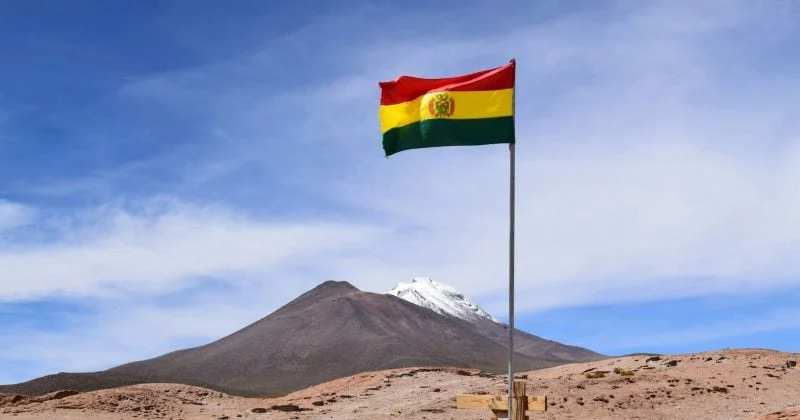
The Bolivian government is currently evaluating the formal integration of the stablecoin Tether (USDT) into the country’s national payment system, marking a transformative shift in the Andean nation’s approach to digital finance. According to recent statements made by Economy and Public Finance Minister José Gabriel Espinoza, the proposal aims to elevate USDT to a recognized means of payment, allowing it to function alongside the United States dollar and the national currency, the Bolivian boliviano. This initiative follows the removal of long-standing prohibitions on crypto-assets earlier in 2024 and signals a strategic pivot intended to address chronic foreign currency shortages and modernize the domestic financial landscape.
Minister Espinoza characterized the proposal as the "next phase" of Bolivia’s evolving digital assets policy. While the 2024 lifting of restrictions decriminalized the use of cryptocurrencies, the current objective is to move beyond mere legality and toward institutionalized adoption. By integrating USDT—a digital asset with a market capitalization exceeding $184 billion—into the formal banking and payment architecture, the government hopes to provide a stable, digital alternative for everyday transactions, international trade, and long-term savings.
The Evolution of Bolivia’s Stance on Digital Assets
For nearly a decade, Bolivia maintained one of the most restrictive stances toward digital assets in Latin America. In 2014, the Central Bank of Bolivia (BCB) issued a resolution prohibiting the use of any currency not issued or regulated by the state, effectively banning Bitcoin and other decentralized protocols. This stance was reinforced in 2020 and 2022 as authorities cited the need to protect the national currency and shield citizens from potential fraud or high volatility.
However, the economic realities of 2023 and 2024 necessitated a radical rethink of this isolationist policy. As foreign exchange reserves dwindled and the availability of physical US dollars became increasingly scarce in the domestic market, the private sector and individual citizens began turning to stablecoins as a workaround. Recognizing that a total ban was becoming unenforceable and counterproductive to economic survival, the government reversed its course in June 2024.
The transition from prohibition to the current proposal for integration reflects a pragmatic adjustment to global financial trends. The initial lifting of the ban allowed commercial banks to facilitate crypto-related transactions, but the new proposal under consideration would see Tether woven into the very fabric of the national clearinghouse. This would represent one of the most significant state-level endorsements of a private stablecoin in the region, moving Bolivia closer to the "circular economy" models seen in neighboring countries where digital dollars are becoming a primary unit of account.
Economic Drivers and the Dollar Shortage
The primary catalyst for this policy shift is the ongoing liquidity crisis regarding the US dollar in Bolivia. For years, Bolivia maintained a fixed exchange rate, which required substantial foreign reserves to defend. As those reserves declined—driven by falling natural gas exports and rising import costs—a gap emerged between the official exchange rate and the informal market rate. This "dollar crunch" has hampered the ability of importers to pay for essential goods, including fuel and industrial machinery.
Tether (USDT) has emerged as a vital tool for Bolivian businesses to bypass these traditional banking bottlenecks. Because USDT is pegged 1:1 to the US dollar, it offers a digital proxy that is easier to acquire and transfer than physical greenbacks. Minister Espinoza noted that the use of USDT has already seen a "sharp increase" since 2024, particularly in sectors such as fuel imports and large-scale commercial transactions.
By formalizing USDT, the government seeks to achieve several objectives:
- Liquidity Provision: Providing a digital alternative to physical dollars to ease pressure on the Central Bank’s reserves.
- Trade Facilitation: Allowing exporters and importers to settle accounts in a globally recognized digital asset without the delays associated with correspondent banking.
- Remittance Efficiency: Lowering the cost and increasing the speed for Bolivians abroad to send money home, a crucial source of income for many households.
- Financial Inclusion: Bringing unbanked or underbanked segments of the population into the digital economy via mobile-based stablecoin wallets.
The Regulatory Framework and International Supervision
Despite the government’s enthusiasm, the path to full integration is paved with regulatory challenges. Minister Espinoza emphasized that formal adoption requires a "comprehensive regulatory framework" that aligns with international standards. A critical hurdle is Bolivia’s status on the Financial Action Task Force (FATF) "grey list." Being on this list means the country is under increased monitoring regarding its Anti-Money Laundering (AML) and Counter-Terrorist Financing (CFT) protocols.
To satisfy international regulators, the Bolivian government must demonstrate that the integration of USDT will not facilitate illicit financial flows. This will likely involve:
- Mandatory KYC/AML: Requiring all exchanges and financial institutions handling USDT to implement rigorous "Know Your Customer" protocols.
- Transaction Monitoring: Utilizing blockchain analytics to track and report suspicious activities to the Financial Investigations Unit (UIF).
- Supervisory Oversight: Granting the Supervisory Authority of the Financial System (ASFI) the power to audit digital asset holdings within the banking sector.
The government has indicated that it is working closely with international bodies to ensure that its digital asset policy does not jeopardize its standing in the global financial community. The goal is to create a "safe harbor" for digital assets that attracts investment while maintaining the integrity of the national financial system.
Integration into the Formal Banking Sector
The proposal is part of a broader economic strategy spearheaded by President Rodrigo Paz Pereira. The vision entails a multi-stage integration of digital assets into the formal banking sector, starting with stablecoins like Tether due to their lower volatility compared to assets like Bitcoin or Ethereum.
Under this plan, Bolivian commercial banks would be authorized to offer a variety of crypto-based services. These include:
- USDT Savings Accounts: Allowing citizens to hold digital dollar balances within a regulated bank, providing a hedge against boliviano inflation.
- Crypto-Linked Credit Cards: Enabling consumers to spend their USDT balances at any point-of-sale terminal that accepts standard card payments.
- Digital Asset Loans: Using cryptocurrency as collateral for boliviano-denominated loans, providing liquidity to business owners without requiring them to liquidate their digital holdings.
This shift would mark a major departure from the traditional banking model in Bolivia. By allowing banks to manage digital assets, the government hopes to capture economic activity that is currently taking place in the informal "P2P" (peer-to-peer) markets. Bringing these transactions into the formal sector would not only provide better protection for consumers but also allow the state to generate tax revenue from the burgeoning digital economy.
Market Data and Global Context
The choice of Tether as the primary vehicle for this integration is not incidental. As of late 2024, Tether remains the dominant stablecoin globally, often accounting for the majority of trading volume on international exchanges. In Latin America specifically, USDT has become the "de facto" digital dollar in economies facing high inflation or currency controls, such as Argentina and Venezuela.
Bolivia’s move reflects a growing trend of "stablecoinization" across the global south. Unlike El Salvador, which focused on Bitcoin as legal tender—an experiment that met with mixed results due to price volatility—Bolivia’s focus on USDT suggests a more conservative, utility-driven approach. The government is prioritizing the "dollar-like" characteristics of the asset to solve immediate macroeconomic problems rather than attempting to replace the boliviano with a decentralized currency.
Supporting data suggests that the demand for stablecoins in Bolivia is largely driven by necessity. Since the lifting of the ban in mid-2024, local trading volumes on platforms like Binance and Bybit have reportedly surged. By integrating these assets into the national payment system, the government is essentially catching up to a market reality that has already been established by the public.
Potential Implications and Risks
While the benefits of USDT integration are significant, the move is not without risk. Critics and economists have pointed out several potential pitfalls:
- Monetary Sovereignty: Increased reliance on a digital asset pegged to the US dollar could further erode the Central Bank’s control over domestic monetary policy. If the boliviano continues to lose ground to USDT in everyday use, the government’s ability to manage inflation through interest rates may be diminished.
- Counterparty Risk: Although Tether is the most liquid stablecoin, it has faced perennial questions regarding the transparency of its reserves. If Tether were to experience a de-pegging event or regulatory crackdown in the United States, the impact on a "USDT-integrated" Bolivian economy could be severe.
- Cybersecurity: Moving the national payment system toward digital assets requires a robust technological infrastructure. Bolivia will need to invest heavily in cybersecurity to protect its banking sector from hacks and digital theft.
Furthermore, the social impact of this shift remains to be seen. While tech-savvy urban populations may adapt quickly, the "digital divide" in rural areas could lead to increased economic inequality if access to USDT-based financial services is not equitably distributed.
Conclusion and Future Outlook
The evaluation of Tether integration into Bolivia’s national payment system represents a landmark moment for the country. It signifies the end of an era of financial isolation and the beginning of a bold experiment in digital-first economic management. By leveraging the liquidity and stability of USDT, the Bolivian government is attempting to navigate a path through a difficult currency crisis while simultaneously positioning itself as a regional leader in digital asset regulation.
The success of this initiative will depend on the government’s ability to craft a regulatory framework that satisfies both domestic needs and international standards. If successful, Bolivia could provide a blueprint for other developing nations looking to stabilize their economies through the strategic adoption of stablecoins. For now, the eyes of the financial world—and the citizens of Bolivia—remain fixed on the Ministry of Economy and Public Finance as it prepares the final guidelines for this historic policy shift. As Minister Espinoza suggested, the transition is no longer a matter of "if" but "how," as Bolivia prepares to embrace a digital future where the boliviano, the dollar, and the stablecoin coexist in a unified financial ecosystem.