


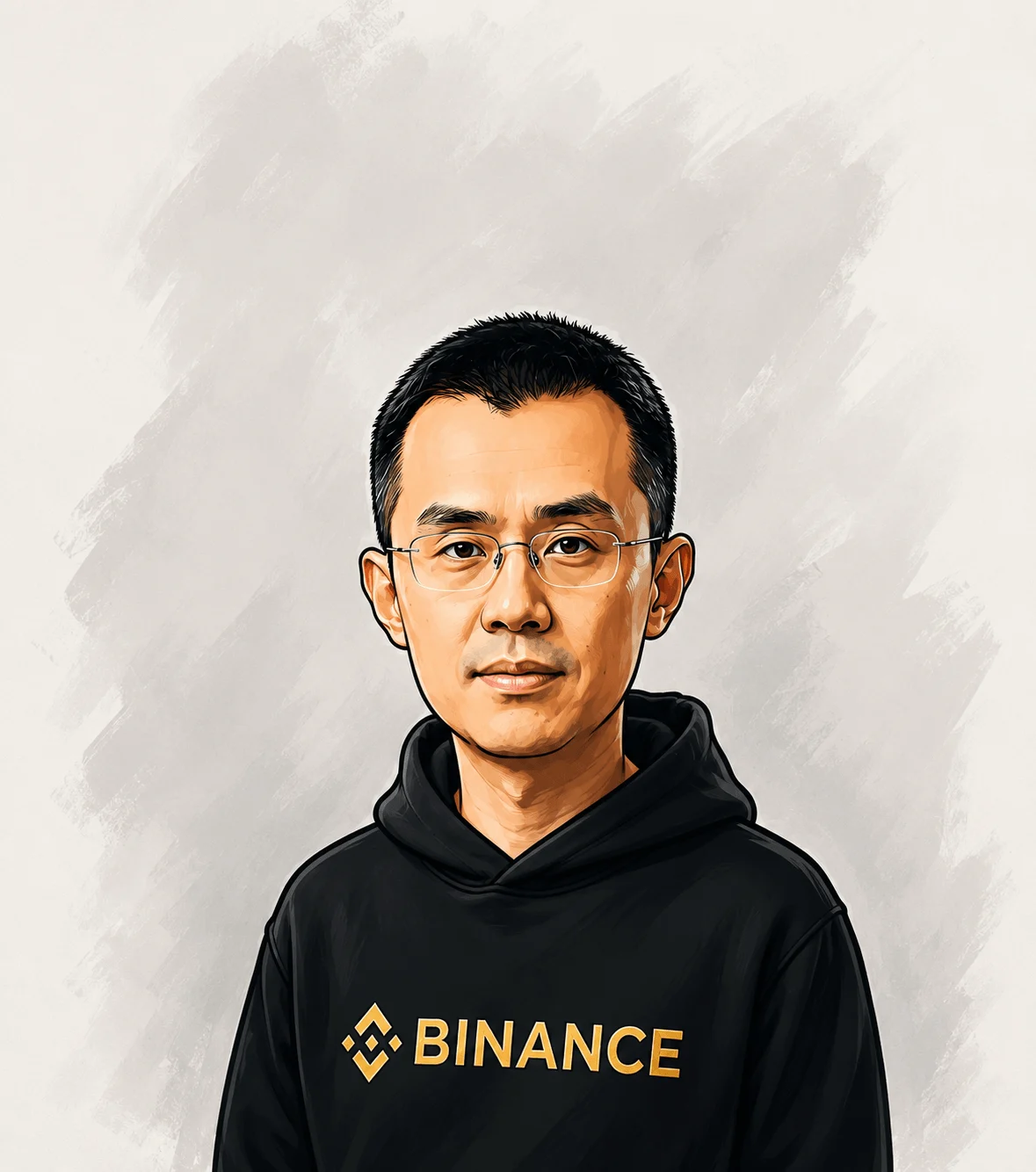
At the prestigious Bitcoin Asia 2026 conference held in Hong Kong, Changpeng Zhao, the visionary founder of Binance, widely known as CZ, delivered a keynote address titled "The Bitcoin Century," asserting a bold forecast: Bitcoin is poised to surpass gold’s long-standing dominance as a store of value and strategic asset, potentially as soon as the upcoming major bull market. His declaration resonated through the convention halls, sparking fervent discussion among the thousands of attendees, ranging from seasoned institutional investors to emerging blockchain innovators and policymakers. The conference, a pivotal event in the global cryptocurrency calendar, served as a nexus for exploring the future trajectory of digital assets, regulatory landscapes, and technological convergences shaping the financial world.
Zhao’s optimistic projection is rooted in the significantly narrowing valuation gap between the two assets. As of late August 2026, gold maintains an approximate market capitalization of $32.4 trillion, a figure that underscores its millennia-long history as a global standard for wealth preservation and central bank reserves. In stark contrast, Bitcoin’s valuation has surged to an impressive $1.6 trillion, demonstrating a dramatic ascent from its humble beginnings. This represents a valuation differential of roughly 10-fold, a multiple that Zhao believes is increasingly vulnerable to the relentless forces of digital adoption and technological evolution. "Bitcoin will undoubtedly become more significant than gold," Zhao declared with conviction, suggesting that this transformative shift could materialize "in the near future" and potentially within the scope of the next major bullish market cycle, often characterized by periods of exponential growth in cryptocurrency valuations.
The Enduring Legacy and Substantial Advantage of Gold
Despite Bitcoin’s rapid appreciation and growing prominence, Zhao readily acknowledged the formidable and deeply entrenched position of gold within the global financial architecture. For Bitcoin to truly achieve superiority, it necessitates not only monumental capital inflows but also a profound and widespread institutional acceptance that transcends speculative investment, embedding itself into the fabric of national economies and sovereign reserves.
The primary impediment, as Zhao elucidated, is not a fundamental limitation in Bitcoin’s capabilities as a digital store of value or medium of exchange. Rather, it lies in the immense, generations-spanning infrastructure that nations across the globe have meticulously constructed around gold. For centuries, governments, central banks, and financial institutions have invested staggering resources in developing robust frameworks for assessing, safeguarding, transporting, and administering gold. This includes intricate systems for vaulting, auditing, and settling transactions involving the precious metal, as well as its legal and regulatory integration into national monetary policies and international trade agreements. These frameworks are not merely financial instruments but deeply ingrained strategic assets, representing stability, trust, and a hedge against geopolitical and economic uncertainties.
"Transitioning these nations toward Bitcoin requires patience, though it’s inevitable," Zhao remarked, underscoring the inertia inherent in such massive systemic shifts. The process involves overcoming deeply ingrained habits, risk aversion from conservative financial bodies, and the complexities of establishing new legal and regulatory precedents for digital assets on a global scale. This transition will demand extensive education, robust security solutions, and international cooperation to standardize protocols and ensure interoperability.
Bitcoin’s Resilient Performance and Market Context in 2026
The backdrop to Zhao’s assertive declaration was a period of notable strength for Bitcoin. In the week leading up to the Bitcoin Asia 2026 conference, the digital currency experienced a significant surge, exceeding 25% in value. On the day of Zhao’s keynote, Bitcoin was trading robustly near $79,700, reflecting a 1.5% increase over the preceding 24 hours. This impressive performance highlighted Bitcoin’s resilience and its increasing appeal amidst evolving macroeconomic conditions. Simultaneously, gold, continuing its own upward trajectory, had also advanced, breaking above the $4,600 threshold per ounce, signaling a broader market appreciation for safe-haven assets and alternative investments in 2026.
This concurrent rise in both assets suggests a diversified appetite among investors for hedges against inflation and market volatility, as well as a growing recognition of Bitcoin’s distinct value proposition. The year 2026 followed a period characterized by sustained inflationary pressures in many major economies, ongoing geopolitical realignments, and a general search for uncorrelated assets that could offer protection and growth. Bitcoin, with its decentralized nature, finite supply, and increasing liquidity, has progressively moved from a niche speculative asset to a mainstream contender in global asset allocation strategies. Its performance was further bolstered by continued advancements in regulatory clarity in key jurisdictions and the expansion of institutional investment vehicles, such as spot Bitcoin ETFs, which had become more widely available and accepted since their initial approvals in prior years.
Zhao’s Blueprint for Government Cryptocurrency Holdings
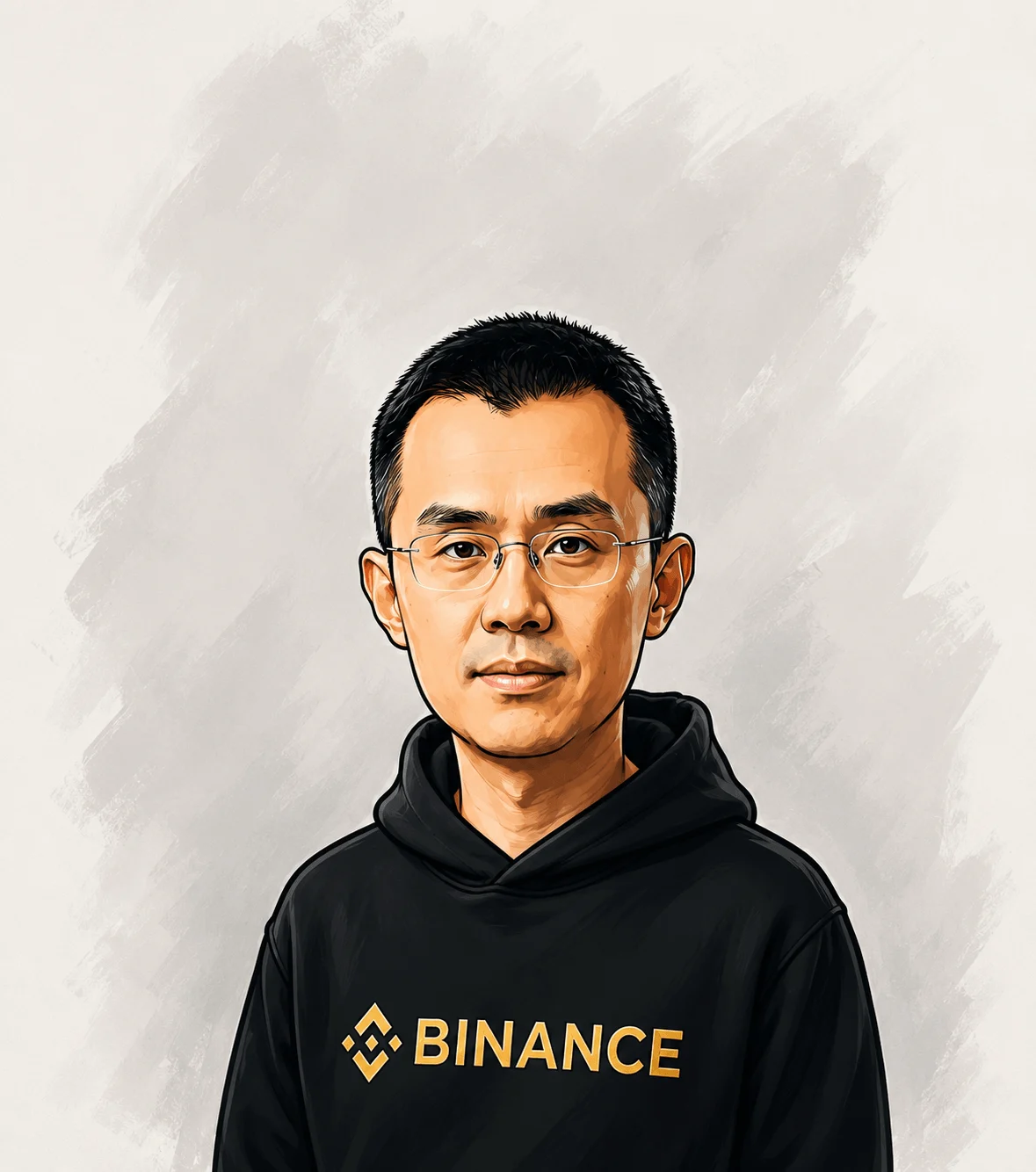
Beyond his overarching prediction, the Binance founder delved into practical strategies for integrating cryptocurrencies into national financial frameworks. Zhao revealed that he actively advises governments on establishing robust cryptocurrency reserves, a practice that, if widely adopted, could fundamentally reshape global finance. His recommended allocation model for sovereign digital asset portfolios positions Bitcoin as the cornerstone, advocating for approximately 50% of the reserves to be held in BTC. Ethereum, recognized for its smart contract capabilities and vibrant ecosystem, is suggested to comprise between 10% and 20%, reflecting its critical role in decentralized finance and Web3 development. The remaining balance, Zhao proposed, should be allocated to other top-tier digital assets, selected based on their market capitalization, technological innovation, and long-term viability.
Zhao candidly conceded that this framework carries "some self-interest," given that BNB, the native token of the Binance platform he established, would naturally feature in such diversified holdings due to its market prominence and utility within the broader blockchain ecosystem. This transparency underscored the practical realities of industry influence in shaping emerging financial policies. The implications of governments holding significant cryptocurrency reserves are profound, potentially leading to increased price stability, greater legitimacy for digital assets, and new avenues for international financial cooperation. However, it also presents complex challenges related to national security, regulatory harmonization, and the management of volatile assets within conservative sovereign portfolios.
The Intersection of Bitcoin, AI, and Future Payments
Zhao’s vision extended beyond traditional financial comparisons, drawing compelling connections between Bitcoin’s trajectory and the rapid advancements in artificial intelligence. He articulated a future where AI agents, operating autonomously or semi-autonomously, will increasingly embrace cryptocurrency for their transactional needs. He predicted an initial adoption of stablecoins by AI systems, owing to their price stability and efficiency for automated payments. "After integrating stablecoins, incorporating Bitcoin becomes remarkably straightforward," he explained, envisioning a seamless transition for AI agents to leverage Bitcoin’s store-of-value properties and secure, censorship-resistant network for larger or more strategic transactions.
This integration is expected to revolutionize various sectors. Zhao projected that AI would penetrate trading markets with unprecedented speed and efficiency, far outpacing its adoption in consumer payment applications initially. He predicted that AI could enhance trading efficiency by a factor of ten, primarily through its superior ability to analyze vast quantities of market information, identify complex patterns, and execute trades with accelerated response times compared to human traders. This could lead to hyper-efficient markets, tighter spreads, and potentially new forms of algorithmic arbitrage, reshaping the landscape of global financial trading.
Addressing the escalating infrastructure expenses associated with advanced AI, Zhao highlighted the staggering capital requirements for computational capacity. He noted that one gigawatt of computational power—a benchmark for large-scale AI operations—requires investments ranging from $30 billion to $50 billion. With certain enterprises potentially pursuing hundreds of gigawatts in the coming years, the demand for capital and resources is immense. To address this, Zhao proposed an innovative "data center token" concept. This token would grant investors access to computational resources or proprietary AI systems, effectively tokenizing the infrastructure that powers the AI revolution. Such a model could democratize access to high-performance computing, enable fractional ownership of AI assets, and provide a novel funding mechanism for the capital-intensive AI industry, fostering greater decentralization and market participation.
Bitcoin’s Ultimate Objective: Beyond Price Appreciation
While acknowledging the allure of Bitcoin’s price appreciation, Zhao emphasized that achieving a valuation of $1 million faster than market consensus anticipates is not the ultimate objective. His vision for Bitcoin transcends mere price targets; it centers on achieving widespread adoption in mainstream payment networks and securing positions within pension portfolios and retirement accounts. This broader integration would signify Bitcoin’s maturation into a fundamental component of global financial planning and daily commerce, moving beyond its current status as an alternative investment.
For Bitcoin to reach this zenith, it must overcome several formidable challenges. Regulatory clarity, while improving, still varies significantly across jurisdictions, creating fragmentation and uncertainty for large-scale institutional adoption. Scalability solutions, while continuously evolving, must be robust enough to handle the transactional volume of a global payment network. Furthermore, public perception and education remain critical, as a significant portion of the global population still lacks a comprehensive understanding of cryptocurrency. Addressing concerns related to energy consumption, security vulnerabilities, and market volatility will also be crucial in building the necessary trust for mainstream integration.
The implications of Bitcoin achieving such widespread adoption are monumental. It could offer unprecedented financial inclusion to unbanked populations, provide a censorship-resistant alternative to traditional financial systems, and introduce new efficiencies into cross-border transactions. Its integration into pension funds and retirement accounts would not only inject massive capital into the ecosystem but also cement Bitcoin’s status as a legitimate, long-term asset class, offering diversification and a hedge against traditional market fluctuations. Zhao’s address at Bitcoin Asia 2026 was not merely a prediction; it was a comprehensive roadmap for a future where digital assets, led by Bitcoin, fundamentally redefine wealth, power, and the global economic landscape, driven by the relentless march of technological innovation and increasing institutional confidence.














