


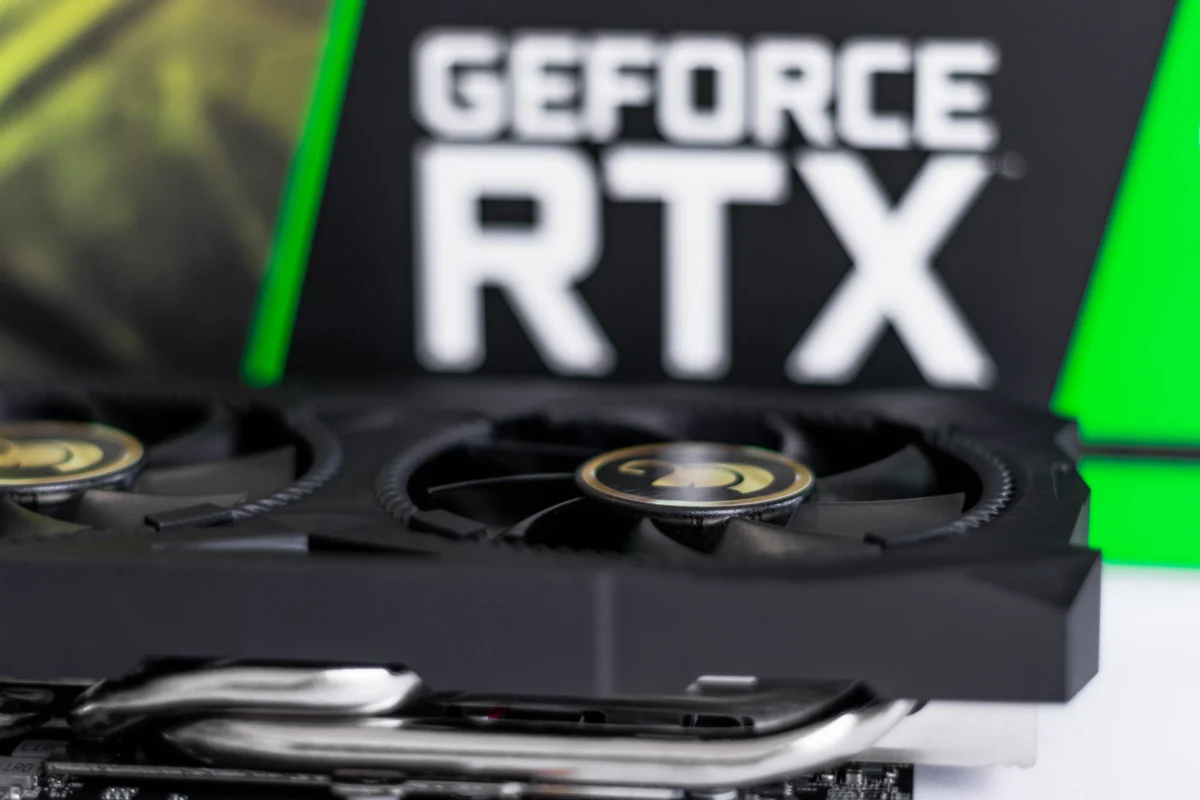
The landscape of the global graphics processing unit (GPU) market is undergoing a seismic shift as Chinese cryptocurrency miners begin liquidating their hardware en masse. Following a series of stringent regulatory maneuvers by the Chinese government aimed at dismantling the domestic crypto mining industry, thousands of Nvidia and AMD graphics cards are flooding secondary marketplaces. This sudden influx of supply has driven prices for popular models, such as the Nvidia GeForce RTX 3060, to as low as $270—a figure significantly below the manufacturer’s suggested retail price (MSRP) and a stark contrast to the inflated prices seen during the height of the mining boom.
The liquidation represents a pivot point for the hardware industry, which has been gripped by a global semiconductor shortage for over a year. As the Chinese "Great Mining Migration" continues, the secondary market is being reshaped by an overabundance of used silicon, creating a complex environment for gamers, hardware enthusiasts, and industrial resellers alike.
The Mechanics of the Market Flood: Prices and Bulk Requirements
The primary driver of the current price collapse is the sheer volume of hardware being offloaded by industrial-scale mining operations. In previous months, the Nvidia RTX 3060, RTX 3070, and RTX 3060 Ti were nearly impossible to find at retail, often selling for double or triple their intended price due to high demand from miners and scalpers. However, recent listings on Chinese secondhand platforms like Xianyu show a drastic reversal.
Current market data indicates that RTX 3060 units are being listed for approximately $270 per unit. Higher-tier cards are following a similar downward trajectory; the RTX 3070 is frequently spotted at the $400 mark, while the RTX 3060 Ti is hovering around $350. Even mobile hardware has not been spared. Some mining operations, which famously turned to gaming laptops when desktop GPUs became scarce, are now offloading RTX 3060-equipped laptops for roughly $1,000 per unit.
Despite these attractive price points, the "fire sale" comes with significant caveats. Most sellers are avoiding individual transactions, instead opting for bulk liquidations. Many listings require a minimum purchase of 100 to 200 units, effectively barring the average PC gamer from taking advantage of the low prices. These listings are primarily targeted at international exporters or smaller mining farms located in regions with more favorable regulatory climates.
Chronology of the Chinese Regulatory Crackdown
The sudden surplus of hardware is the direct result of a multi-phased offensive by the Chinese government against the cryptocurrency sector. While China has historically maintained a skeptical stance toward digital assets, the intensity of the 2021 crackdown has been unprecedented.
The timeline of these events highlights the speed at which the industry was dismantled:
- May 2021: The State Council of China, led by Vice Premier Liu He, announced a high-level intention to crack down on Bitcoin mining and trading activities. The stated goals were to mitigate financial risks and support the nation’s carbon neutrality targets.
- June 2021: Regional authorities in major mining hubs, including Inner Mongolia, Qinghai, and Yunnan, issued formal notices ordering the immediate cessation of mining operations.
- Mid-June 2021: The crackdown reached Sichuan, a province known for its abundant hydroelectric power. Sichuan had previously been a "safe haven" for miners, but the provincial government’s order to shut down 26 major mining projects signaled the end of large-scale operations in the country.
- Late June 2021: Major Chinese banks and payment platforms, including Alipay, were instructed to sever ties with any accounts linked to cryptocurrency trading, further suffocating the ecosystem’s liquidity.
This sequence of events left miners with three options: shut down and wait, relocate their operations to countries like Kazakhstan, Russia, or the United States, or liquidate their assets to recoup capital. The current flood of GPUs in the used market suggests that a significant portion of mid-sized miners have chosen the latter.
Technical Implications: The Risks of Mining-Wear Silicon
While the prospect of a $270 RTX 3060 is enticing, industry experts warn of the inherent risks associated with purchasing ex-mining hardware. Unlike cards used for gaming, which experience fluctuating workloads, mining GPUs are typically run 24/7 at maximum or near-maximum capacity.

There are several technical factors that potential buyers must consider:
- Thermal Degradation: Continuous heat exposure can lead to the drying out of thermal paste and the degradation of thermal pads, particularly on high-performance memory modules.
- Fan Failure: The cooling fans on GPUs are mechanical components with finite lifespans. Cards that have been spinning at high RPMs for months on end are significantly more likely to suffer from bearing failure.
- Silicon Aging: While silicon itself is durable, the constant voltage and heat can lead to "electromigration," a process that can eventually cause instability or total component failure.
- VRAM Stress: Mining Ethereum—the primary driver for GPU demand—is extremely intensive on Video RAM (VRAM). Many miners overclock their memory while undervolting the core to maximize efficiency, which can push memory chips to their thermal limits.
Because of these factors, the secondary market in China is seeing a "wait-and-see" approach from many buyers. The lack of warranty coverage on these used units, combined with the uncertainty of their remaining lifespan, has slowed the pace of sales despite the aggressive pricing.
The Shift to the Digital Yuan and Proof-of-Stake
The Chinese government’s hostility toward decentralized cryptocurrencies is partly motivated by the development and deployment of its own Central Bank Digital Currency (CBDC), known as the digital yuan or e-CNY. By clearing the domestic market of private digital assets and energy-intensive mining operations, the People’s Bank of China (PBoC) is creating a controlled environment for the rollout of its state-backed digital currency.
Simultaneously, the broader cryptocurrency world is moving toward more energy-efficient models. Ethereum, the network for which most of these GPUs were utilized, is in the process of transitioning from Proof-of-Work (PoW) to Proof-of-Stake (PoS). This transition, often referred to as "The Merge," will eliminate the need for GPU mining on the Ethereum network entirely.
Nvidia CEO Jensen Huang recently noted that the combination of regulatory pressure and the shift toward PoS would likely lead to a more balanced supply-demand dynamic for gamers. The "LHR" (Low Hash Rate) limiters introduced by Nvidia on newer cards were an initial attempt to deter miners, but the current market crash in China has proven far more effective at freeing up inventory.

Broader Impact on the Global GPU Shortage
The liquidation in China is having a ripple effect across the global market. In Europe, specifically in Germany and Austria, hardware retailers have reported price drops of up to 40% over the last several weeks. While prices still remain above MSRP in most Western retail outlets, the downward pressure from the Chinese used market is forcing retailers to adjust.
Furthermore, the "Great Migration" of hash power is shifting the geopolitical center of the crypto industry. As Chinese miners sell off their older or less efficient gear, they are taking their most efficient ASICs (Application-Specific Integrated Circuits) to North America. This has led to a surge in demand for industrial-scale energy infrastructure in states like Texas and Wyoming, which have welcomed the industry with open arms.
Bitcoin Market Correlation and Outlook
The hardware sell-off is occurring against a backdrop of stagnation in the broader crypto markets. Bitcoin (BTC) has struggled to maintain momentum, currently trading around the $33,000 mark. The digital asset has faced stiff resistance at the $35,000 level, and the lack of a clear upward catalyst has dampened miner confidence.
For many Chinese miners, the combination of a bearish market and a hostile regulatory environment made the decision to sell inevitable. If Bitcoin continues to trade within its current range or dips further, the volume of used hardware entering the market is expected to increase, potentially driving prices down even further.
In summary, the era of Chinese dominance in the cryptocurrency mining sector has come to a dramatic conclusion. The resulting surplus of Nvidia and AMD hardware marks the beginning of a correction phase for the GPU market. While the risks of buying used mining cards remain high, the "dumping" of these components provides a glimmer of hope for a gaming industry that has been starved of affordable hardware for nearly two years. As the dust settles, the focus now shifts to how the global supply chain will stabilize and whether the decentralized nature of mining will find a more permanent and sustainable home in the West.














