The landscape of digital asset wealth is witnessing a dramatic expansion, with a significant surge in the number of individuals accumulating fortunes exceeding $100 million. This burgeoning class of "crypto elites" is reshaping the perception of wealth creation and management in the digital age, even amidst periods of market volatility. Wealth managers are observing a discernible shift, with many younger investors now prioritizing the preservation of their digital asset portfolios over aggressive growth strategies. This trend underscores a maturing cryptocurrency market and a growing recognition of digital assets as a significant component of diversified investment portfolios.
Crypto Millionaire Spike Fuels Optimism and Strategic Wealth Management
New figures released by Henley & Partners, a specialist in international residence and citizenship advisory, reveal a substantial increase in the number of "digital asset whales" – individuals holding substantial amounts of cryptocurrency. The report indicates that the total number of crypto millionaires, defined as users holding at least $1 million in digital assets, has reached an impressive 135,694. Of this elite group, Bitcoin (BTC) remains the dominant asset, with approximately 92,272 users holding significant Bitcoin holdings.
This surge in crypto millionaires is not an isolated event; it frequently follows periods of significant market growth, commonly referred to as bull phases. These periods are often characterized by increased adoption and the entry of new investor demographics. The recent approval of spot Bitcoin Exchange-Traded Funds (ETFs) in key markets has been identified as a pivotal catalyst, opening a new avenue for traditional capital to flow into the cryptocurrency ecosystem. This development has democratized access to Bitcoin for institutional investors and a broader range of retail participants, contributing to the overall expansion of the millionaire class within the crypto space.
Dr. Guenther Dobrauz-Saldapenna, Managing Partner at Henley & Partners, offered a compelling perspective on the implications of this trend. He stated, "Traditional wealth often crosses borders slowly, through intermediaries, or not at all. A self-custodied digital asset can move with its owner almost instantly. That makes the individual’s choice of residence, citizenship, and regulatory environment far more important. When wealth becomes highly mobile, planning around the person who owns it becomes critical." This observation highlights a fundamental shift in how wealth can be managed and protected in an increasingly digital and borderless world, emphasizing the strategic importance of personal jurisdiction for crypto-asset holders.
Despite a notable price correction in Bitcoin, which has seen its value decline by over 35% from its all-time high of approximately $125,000 last year, a significant portion of these large-scale holders, or "whales," have not divested their assets. Their continued conviction in Bitcoin is often attributed to concerns about inflation and the inherent risks associated with traditional fiat currencies. This resilience in holding positions, even during downturns, suggests a long-term investment thesis and a belief in the enduring value proposition of digital assets as a hedge against macroeconomic instability.
The Ascendance of the $100 Million Digital Asset Fortunes
At the apex of the crypto ultra-rich hierarchy are 290 individuals who possess digital asset portfolios valued at $100 million or more. Among this rarefied group, approximately 151 actively hold Bitcoin, reinforcing its status as a cornerstone asset for significant wealth accumulation. Over the past two years, a consistent theme among wealth managers has been the advocacy for diversification within crypto assets. The proliferation of investment funds and financial products that offer market exposure has enabled investors to strategically allocate capital across a broader spectrum of digital assets, thereby mitigating single-asset risk and enhancing portfolio resilience.
A substantial driving force behind this recent investment surge can be attributed to the strategic asset acquisition activities of corporate treasury firms. These entities, notably including firms like Strategy and BitMine, made significant purchases of digital assets throughout the past year. Their bullish bets were often framed as a strategic move to diversify their corporate balance sheets, reduce exposure to fiat currency volatility, and capitalize on the perceived long-term growth potential of cryptocurrencies. These large-scale acquisitions by institutional players have played a crucial role in stabilizing and, at times, driving market sentiment.
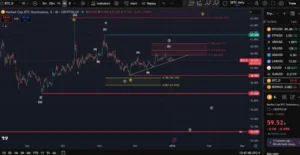
The data further illuminates Bitcoin’s overwhelming dominance within the digital asset space. With a market capitalization of $1.54 trillion, it significantly outpaces the total market capitalization of all cryptocurrencies, which currently stands at $2.62 trillion. Bitcoin is presently trading around the $76,547 mark, exhibiting modest growth that is mirrored by many other leading altcoins. This sustained performance, even with its considerable market cap, underscores Bitcoin’s position as the premier digital asset and a primary store of value for many sophisticated investors.
Historical Context and the Evolution of Crypto Wealth
The emergence of a significant crypto-rich elite is a relatively recent phenomenon, intrinsically linked to the rapid evolution of blockchain technology and digital currencies. Bitcoin, launched in 2009, was initially a niche interest for cypherpunks and early adopters. Its journey from a speculative experiment to a multi-trillion dollar asset class has been marked by periods of explosive growth, dramatic corrections, and increasing institutional acceptance.
The initial wave of crypto wealth creation was largely driven by early investors who acquired substantial amounts of Bitcoin and other cryptocurrencies at very low prices. These pioneers benefited immensely from the exponential price appreciation as the technology gained traction and wider adoption. Early 2017 and late 2020 to early 2021 are often cited as key periods of significant price surges that created a substantial number of crypto millionaires.

The subsequent years have seen a maturation of the crypto market. The introduction of new asset classes like Ethereum and its subsequent explosion in utility through decentralized finance (DeFi) and non-fungible tokens (NFTs) broadened the scope of digital asset investment. While Bitcoin often remains the benchmark, the growth of the altcoin market has provided further avenues for wealth creation.
The year 2023 and into 2024 have been particularly noteworthy. The aforementioned approval of spot Bitcoin ETFs in the United States by the Securities and Exchange Commission (SEC) was a landmark event. This decision, after years of deliberation and rejections, signaled a new era of institutional integration for Bitcoin. Major financial institutions, including BlackRock, Fidelity, and others, launched ETFs that allowed investors to gain exposure to Bitcoin through traditional brokerage accounts. This move not only legitimized Bitcoin as an investment asset but also facilitated a substantial inflow of capital, directly contributing to the current surge in crypto millionaires and ultra-high-net-worth individuals.
The shift in investor behavior, from building to preserving wealth, is also a testament to the market’s evolution. Early crypto investors often engaged in high-risk, high-reward strategies. As the market has matured and regulatory clarity has slowly improved, a more cautious and strategic approach to wealth management has become prevalent. This includes diversifying across different digital assets, utilizing yield-generating protocols, and employing sophisticated risk management techniques.
The Role of Diversification and Investment Strategies
The emphasis on diversification by wealth managers is a critical development. The crypto market, while offering immense potential, is also characterized by high volatility and evolving technological landscapes. By encouraging investors to spread their capital across various cryptocurrencies, blockchain platforms, and even digital asset-related equities, managers aim to create more robust and resilient portfolios.
The advent of regulated investment products has been instrumental in this diversification. Beyond ETFs, options like crypto-focused mutual funds, hedge funds, and managed accounts provide different risk profiles and accessibility levels. This has allowed a wider array of investors, from accredited individuals to institutional entities, to participate in the digital asset market with greater confidence and structured investment frameworks.
Corporate treasury strategies have also introduced a new dynamic. Companies holding Bitcoin on their balance sheets are not merely speculative investors; they are employing it as a strategic financial tool. This includes hedging against inflation, securing assets against currency devaluation, and potentially facilitating future digital transactions. The success of these early corporate adopters could pave the way for broader corporate adoption, further solidifying the role of digital assets in global finance.
Bitcoin’s Dominance and Future Outlook
Bitcoin’s continued dominance, as evidenced by its market capitalization and the high concentration of wealth held by its investors, remains a key feature of the crypto landscape. Its scarcity, decentralized nature, and established track record have cemented its position as the "digital gold" of the 21st century. The ongoing narrative of Bitcoin as an inflation hedge and a store of value is resonating strongly with investors concerned about the stability of traditional financial systems.
The current market conditions, with Bitcoin trading at a significant level and showing mild growth, suggest a period of consolidation and steady accumulation following the strong performance of the past year. The increasing number of individuals holding over $100 million in digital assets points to a growing concentration of wealth, mirroring trends seen in traditional financial markets but with a distinctly digital flavor.
The implications of this expanding crypto elite are far-reaching. It signifies the growing maturity of the digital asset class, its increasing integration into mainstream finance, and its potential to redefine wealth creation and management paradigms. As more individuals and institutions recognize the value and potential of cryptocurrencies, the trend of expanding crypto fortunes is likely to continue, presenting both opportunities and challenges for investors, regulators, and the broader global economy. The strategic importance of personal jurisdiction, as highlighted by Henley & Partners, will likely become even more pronounced as digital wealth becomes increasingly mobile and globally accessible.