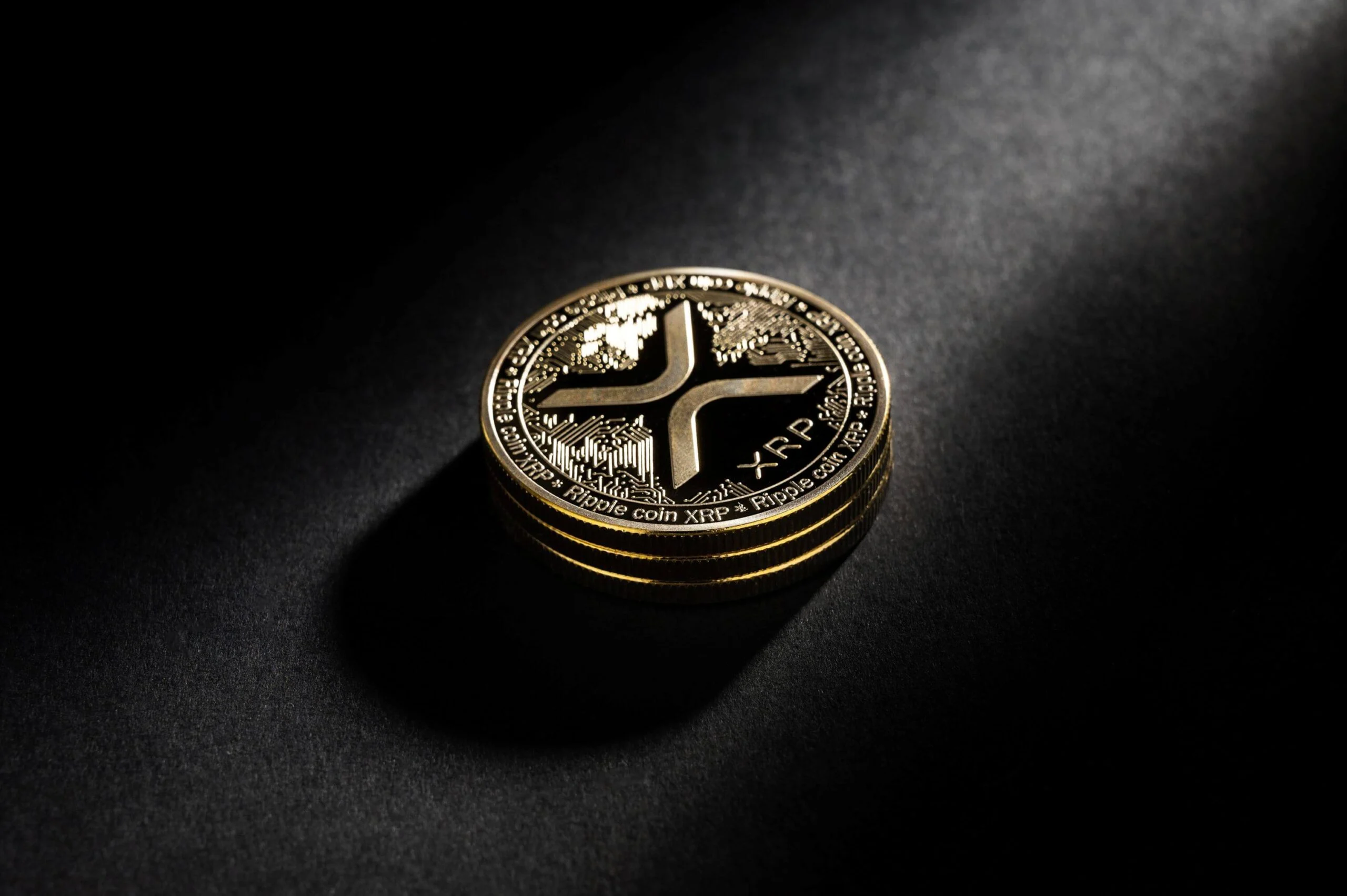
David Schwartz, Ripple’s distinguished CTO emeritus and a foundational architect of the XRP Ledger, has issued a direct appeal to members of the "XRP Army" to refrain from posting insults, engaging in off-topic cryptocurrency promotion, or injecting irrelevant crypto content into his social media discussions. The directive, published on X (formerly Twitter) on November 7, 2026, underscored a growing frustration with persistent digital disruptions that he warned would lead to account blocks. This move comes as the digital asset XRP grapples with significant price pressure, trading near $1.17 after a notable decline in October, highlighting a period of both community introspection and market uncertainty for the Ripple ecosystem.
The Genesis of a Directive: Schwartz’s Stance on Social Media Etiquette
Schwartz’s message, delivered on November 7, 2026, through his widely followed X account (@JoelKatz), was explicit: "Recently, there’s been a significant increase in people responding to replies of mine that have nothing to do with crypto with insults or crypto content. I hate to do it, but I pretty much have to block for this because otherwise the people I’m replying to have no choice but to…" This partial tweet, followed by subsequent explanations, outlined a clear policy shift. He emphasized that the primary motivation for these blocks was to protect other participants in his conversations—individuals and their followers—from unsolicited and often aggressive cryptocurrency-related content. These disruptions, he noted, were particularly prevalent when he engaged in discussions entirely unrelated to the blockchain or digital assets.
The CTO emeritus clarified that his policy extends beyond outright insults or hostile comments to include even enthusiastic, but misplaced, promotion of XRP. While supportive engagement is generally welcomed, its timing and relevance are paramount. He underscored that legitimate criticism, provided it contains substantive points, avoids personal slurs, and is presented within an appropriate discussion context, remains welcome. This nuanced approach seeks to foster meaningful dialogue while curbing the often-overwhelming tide of irrelevant or aggressive commentary that can derail productive online exchanges. Schwartz also offered a pragmatic path forward for blocked users, indicating that those who agree to cease disruptive replies could contact him for a block removal, stressing that his actions stemmed from a necessity for order, not personal animosity.
Understanding the XRP Army: Passion, Purpose, and Pitfalls
The "XRP Army" is a colloquial term referring to the highly passionate and vocal community of XRP holders and enthusiasts. Known for its fervent support of Ripple and its native digital asset, the community often rallies around key events, news, and especially, the legal battles facing Ripple. Their zeal stems from a deep conviction in XRP’s potential to revolutionize cross-border payments and establish itself as a cornerstone of the future financial system. Many are long-term holders, some having invested heavily in XRP’s early days, fostering a sense of shared destiny and collective purpose.
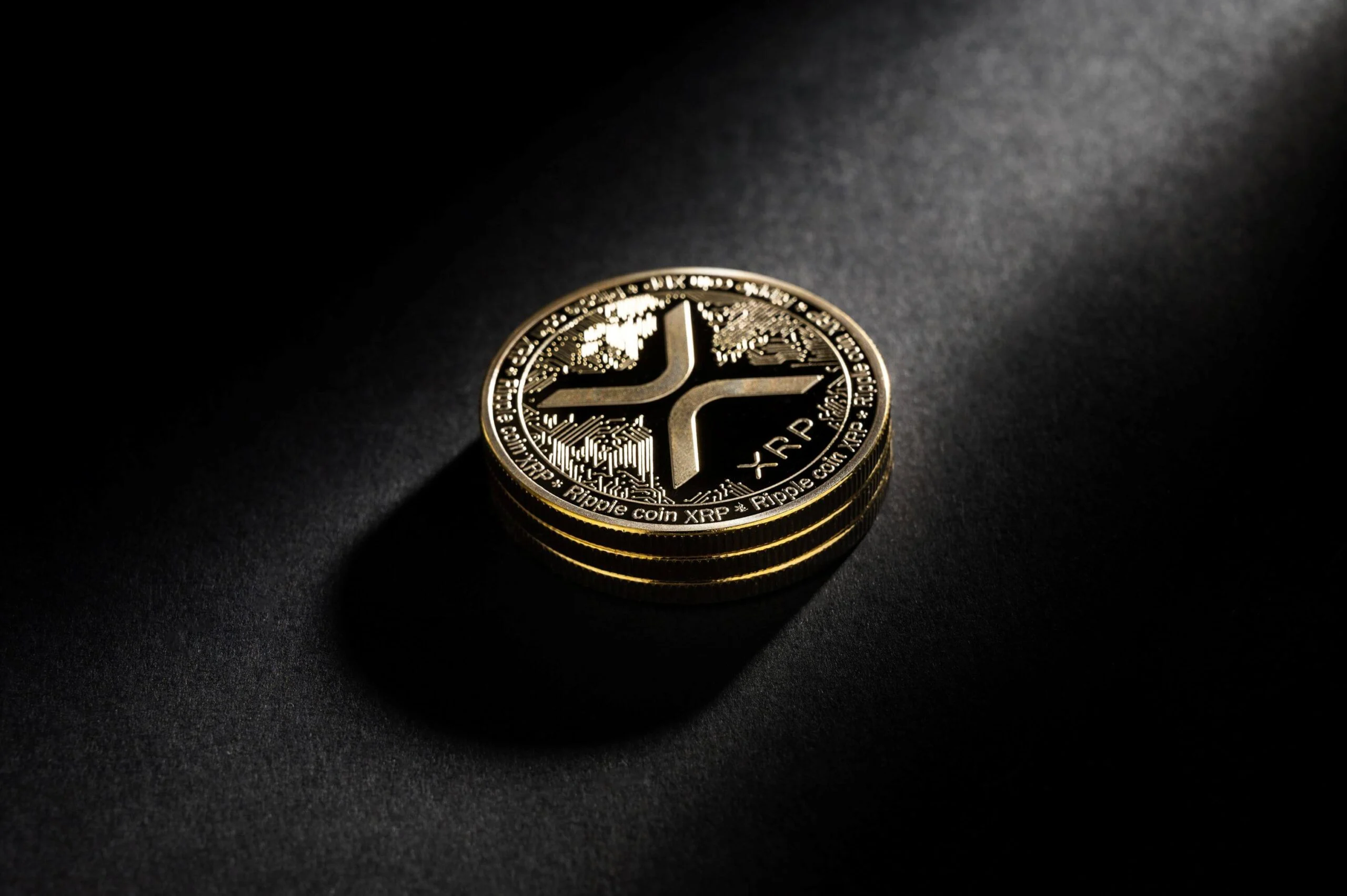
However, this passion can, at times, manifest in behaviors perceived as aggressive or overly zealous. The community’s strong online presence, particularly on platforms like X, often leads to concerted efforts to promote XRP, defend Ripple against criticism, and challenge perceived misinformation. While this collective action can be a powerful force for advocacy, it also carries the risk of overwhelming public figures, drowning out nuanced discussions, and alienating those outside the immediate community. The term "Army" itself, while indicative of solidarity, also implies a combative stance that can contribute to the perception of an insular and sometimes hostile group. This duality presents a continuous challenge for Ripple executives like Schwartz, who value community support but must also maintain a professional and accessible public persona.
The Shadow of the SEC Lawsuit: A Catalyst for Community Intensity
A critical backdrop to the XRP Army’s intense engagement, and arguably a significant catalyst for its heightened activity, is the ongoing legal battle between Ripple Labs and the U.S. Securities and Exchange Commission (SEC). Filed in December 2020, the lawsuit alleged that Ripple conducted an unregistered securities offering by selling XRP. This legal challenge plunged Ripple and XRP into a protracted period of regulatory uncertainty, leading to significant price suppression, delistings from some U.S. exchanges, and immense frustration among XRP holders.
The lawsuit galvanized the XRP Army, transforming it into a formidable force dedicated to defending XRP and Ripple. Community members meticulously followed legal proceedings, disseminated updates, and passionately argued against the SEC’s claims. This shared adversity fostered an even stronger sense of camaraderie and a collective "us versus them" mentality. While this unity was crucial in supporting Ripple through a challenging period, it also inadvertently fueled some of the aggressive online behaviors Schwartz is now addressing. The deep-seated frustration over XRP’s performance relative to other cryptocurrencies during the lawsuit, combined with a fierce loyalty to Ripple’s vision, often translated into emotional and sometimes combative interactions with perceived critics or those deemed "misinformed." The partial victories Ripple achieved in court, particularly the July 2023 ruling that XRP sales on exchanges did not constitute unregistered securities offerings, provided moments of elation but did not fully resolve the underlying tensions or temper the community’s defensive posture. The legal saga continues to be a central narrative point for the XRP Army, influencing its discourse and interactions across social media.
Ripple’s Broader Communication Strategy and Brand Perception
Ripple, as a company striving for mainstream adoption of its payment technologies and digital asset, faces a delicate balancing act in managing its public image. On one hand, the enthusiastic support of the XRP Army provides a powerful, decentralized marketing and advocacy arm. On the other hand, the negative connotations associated with overly aggressive or "toxic" online communities can pose significant reputational risks. Financial institutions and regulatory bodies, key stakeholders for Ripple’s business model, often prioritize stability, professionalism, and adherence to established norms. A community perceived as unruly or prone to harassment could potentially deter partnerships or complicate regulatory approvals, undermining Ripple’s efforts to position itself as a responsible and legitimate player in global finance.
Ripple executives have historically navigated this challenge by generally encouraging positive community engagement while subtly distancing themselves from extreme behaviors. Brad Garlinghouse, Ripple’s CEO, and David Schwartz frequently engage with the community, offering insights and updates, but they also maintain a professional tone. Schwartz’s recent directive can be seen as an effort to reinforce professional boundaries, not just for his personal well-being, but also implicitly to protect Ripple’s broader brand image. By setting clear expectations for respectful discourse, Ripple aims to cultivate a community that is both passionate and professional, aligning with its corporate aspirations for legitimacy and widespread adoption.
Navigating the Digital Discourse: The Wider Cryptocurrency Community Context
The challenges faced by David Schwartz are not unique to Ripple or the XRP Army; they are emblematic of a broader phenomenon within the cryptocurrency space. Many digital asset projects foster highly tribal and fervent communities, often dubbed "armies" or "cults," that exhibit similar patterns of intense loyalty, aggressive promotion, and sometimes hostile reactions to criticism. Projects like Dogecoin, Shiba Inu, Cardano, and others have seen their communities mobilize en masse on social media, influencing narratives and market sentiment.
Social media platforms, particularly X, have become indispensable channels for cryptocurrency projects to communicate with their communities, disseminate news, and engage with the broader public. However, the open and often unmoderated nature of these platforms also amplifies both the positive and negative aspects of these communities. The ease of anonymous posting, the viral nature of trending topics, and the instant gratification of online validation can encourage extreme behaviors. Project leaders across the crypto industry frequently grapple with the dilemma of maintaining open dialogue with their communities while setting boundaries against harassment, misinformation, and off-topic spam. Schwartz’s move is a public acknowledgment of this pervasive issue and an attempt to establish clear parameters for respectful engagement, reflecting a growing maturity in how crypto projects manage their public-facing interactions.
XRP’s Market Dynamics: Navigating Support and Resistance Amidst Sentiment Shifts
Against this backdrop of community management, XRP’s market performance has been under considerable pressure. The digital asset was trading near $1.17, reflecting a 2.43% decline over the preceding 24 hours. More significantly, this represented a substantial drop of approximately 24.5% from its cited October level of $1.55, indicating a sustained bearish trend. This decline has undoubtedly contributed to the anxiety and intensity observed within the XRP Army, as price movements often correlate with community sentiment.
Data from CoinGlass highlighted significant activity in the derivatives market. Roughly $10.71 million in total futures liquidations were recorded during the preceding day, signaling that many leveraged positions were closed out as the price fell. Open interest, which represents the total number of outstanding derivatives contracts, stood around $2.76 billion, but saw a 12.36% decline as XRP lost the $1.21 support level. While falling open interest suggests reduced outstanding exposure, it does not unilaterally indicate the direction of remaining positions; rather, it often reflects a decrease in market participation or a consolidation phase.
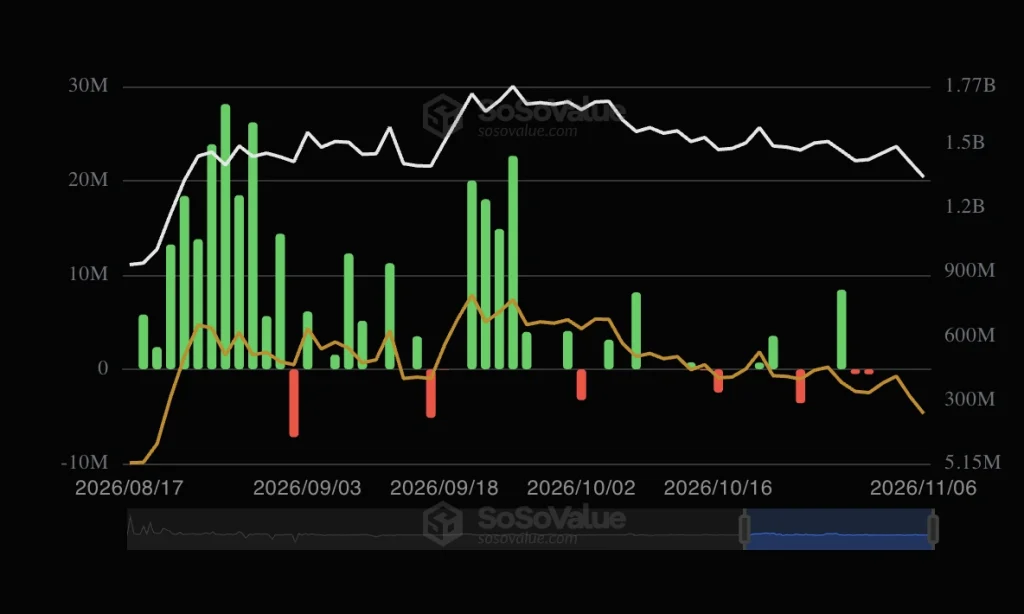
Social sentiment, a key indicator of community mood and potential future price action, was reportedly at its weakest since July. This decline in positive sentiment aligns with the price drop and the perceived frustration within the XRP Army. Despite this, XRP exchange-traded funds (ETFs) recorded cumulative net inflows of $1.81 billion, with inflows observed on six days during the previous month. It’s important to note that sessions without inflows can encompass both withdrawals and flat readings, meaning this pattern does not necessarily establish continuous outflows but rather a fluctuating demand for XRP investment products. The divergence between weak social sentiment and persistent, albeit inconsistent, ETF inflows suggests a complex market where retail sentiment might be wavering while institutional interest remains a factor.

Expert Technical Analysis: Diverse Perspectives on XRP’s Trajectory
Market analysts offered varied technical perspectives on XRP’s immediate and medium-term trajectory. Analyst ChartNerd identified a critical demand zone for XRP between $1.04 and $1.16, following a breakdown beneath a significant weekly support level. He suggested that a reclaim of the $1.34 price point would be necessary to improve the technical outlook and signal a potential reversal of the bearish trend. ChartNerd also pointed out that XRP’s price remained below its 20-week and 50-week moving averages, which now act as strong resistance levels for buyers, compounding the challenge after the loss of the crucial 10-week support floor. This indicates a challenging environment for buyers to push the price higher.
Ali Martinez, another prominent analyst, highlighted a channel boundary near $0.99 as a potential support level, suggesting that this psychological and technical barrier could halt further declines. However, his assessment also cautioned about weak trading volume and a declining market share for XRP. Furthermore, Martinez noted that the broader dominance of Bitcoin in the cryptocurrency market was complicating a sustained recovery for altcoins like XRP, as capital often flows into or out of Bitcoin first, influencing the wider market.
In contrast, analyst Dark Defender offered a more optimistic interpretation of XRP’s price weakness, maintaining that the longer-term market structure remained intact despite recent dips. He identified $1.12 as a robust support level, noting its historical significance as a resistance point during July and August. Dark Defender highlighted that he had accurately marked $1.21 and $1.12 as key support levels on October 25, well before the most recent decline tested these lower areas, suggesting a predictable pattern within the asset’s price action. This diversity of analytical opinion underscores the inherent uncertainty and complexity in predicting cryptocurrency movements, even for a widely tracked asset like XRP.
Charting a Path Forward: Community Engagement and Future Outlook
David Schwartz’s decisive action on social media, coupled with the ongoing market volatility for XRP, highlights a critical juncture for both Ripple and its dedicated community. His positive reception to suggestions for a dedicated weekly thread for community promotion on X indicates a willingness to accommodate fervent support, provided it is channeled appropriately. This approach seeks to provide a constructive outlet for the XRP Army’s enthusiasm, fostering a more organized and less disruptive form of engagement. Offering a path back for blocked users who commit to respectful behavior further underscores his goal of fostering a healthy community, not alienating it.
For the broader cryptocurrency ecosystem, Schwartz’s directive serves as a significant case study in the delicate art of community management. As digital assets increasingly intersect with traditional finance and regulatory frameworks, the conduct of their associated communities becomes ever more scrutinized. Maintaining open, transparent communication while simultaneously enforcing boundaries against toxicity and spam is a challenge many project leaders face. The long-term success of projects like Ripple, which rely heavily on both technological innovation and community adoption, will depend not only on their ability to deliver on their promises but also on their capacity to cultivate a supportive, yet respectful, global community. The evolution of the XRP Army’s behavior in response to Schwartz’s call will be a key indicator of its maturity and its potential to contribute positively to Ripple’s ongoing mission without compromising the integrity of public discourse.