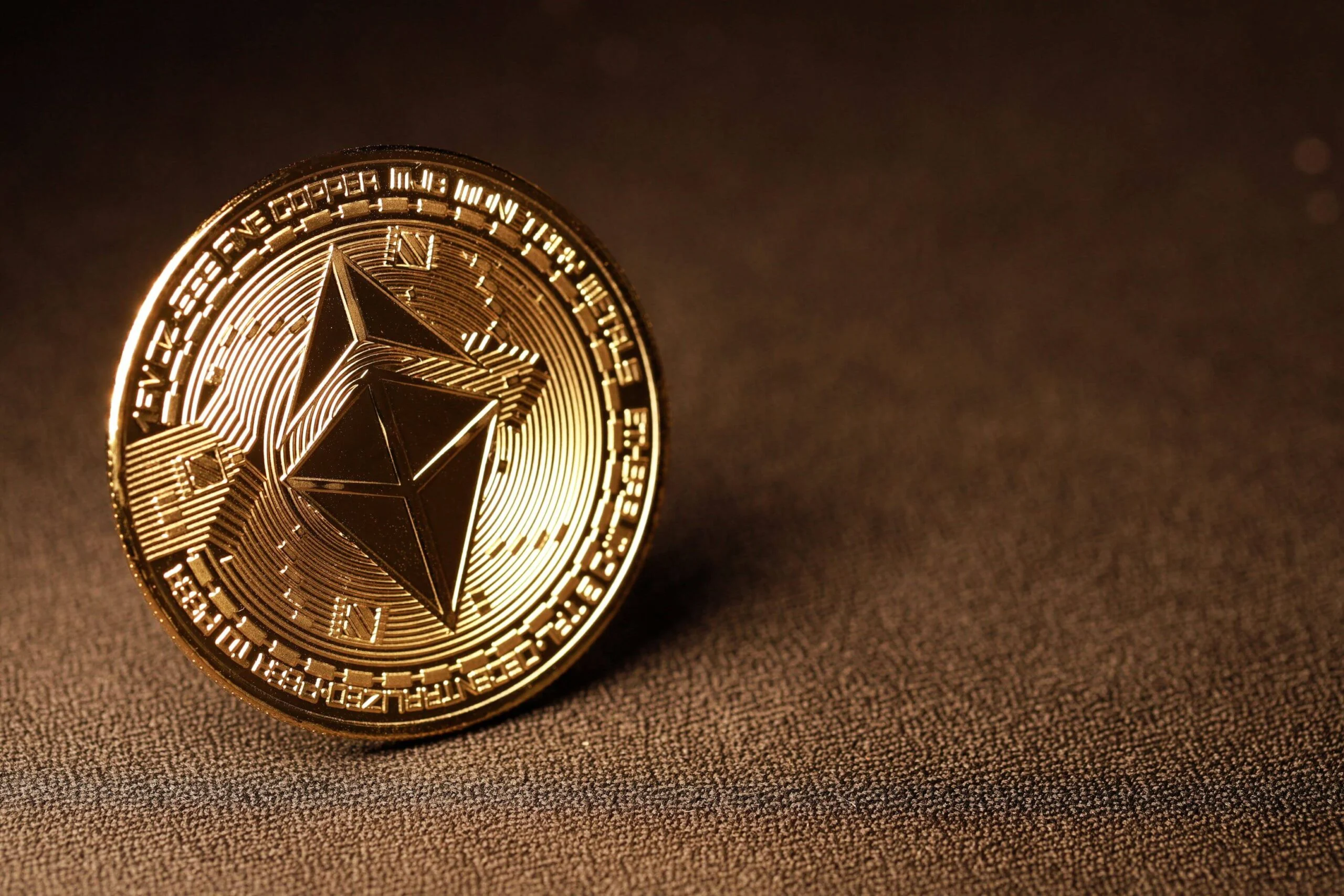
Ethereum (ETH), the world’s second-largest cryptocurrency by market capitalization, continues to hold a critical price point around $1,665, a level maintained despite a recent period of intense market activity. This stability follows significant movements by dormant whale wallets, a series of strategic developmental announcements from core contributors, and a landscape of diverging technical analyses from prominent market commentators. The confluence of these factors paints a complex picture for ETH’s immediate trajectory, balancing historical resilience with future-facing innovation.
Significant Whale Activity and Market Reaction
A notable event that recently captured the attention of the crypto community was the re-emergence of a long-dormant Ethereum whale. According to on-chain surveillance platform Lookonchain, a specific wallet address, identified as 0x0965, sprang back to life after an astonishing seven-year period of inactivity. Over a concentrated 48-hour window, this address liquidated a substantial 27,585 ETH, with transactions occurring at an approximate average price of $1,625 per token. This massive sell-off generated an estimated $44.84 million in proceeds, resulting in a staggering profit exceeding $39 million for the wallet holder. This profit, while significant, is dwarfed by the paper gains the wallet had accrued during ETH’s all-time high, which had once surpassed $130 million, underscoring the immense wealth creation potential and volatility inherent in the cryptocurrency market.
Such large-scale movements by ‘whales’ – individuals or entities holding vast amounts of cryptocurrency – often send ripples through the market. The sudden liquidation of a large sum can be interpreted in several ways: profit-taking after a long hold, a strategic rebalancing of portfolios, or even a bearish signal if perceived as a lack of confidence in future price appreciation. In this instance, the wallet’s seven-year dormancy adds an extra layer of intrigue, suggesting a long-term holder capitalizing on current market conditions. Historically, significant whale activity has been closely watched by traders and analysts as a potential indicator of market sentiment and short-term price movements, though its ultimate impact is often absorbed by broader market dynamics.
Diverging Technical Perspectives Shape Future Outlook
The current price stability around $1,665 is seen by analysts as a pivotal moment for Ethereum, with technical indicators pointing to critical support and resistance levels that could dictate its next major move. Cryptocurrency analyst Ali Charts highlighted that ETH is presently operating within a crucial volume concentration zone, specifically between $1,584 and $1,683. Within this relatively narrow band, approximately 4 million ETH tokens have changed hands, indicating robust trading activity and a significant level of interest from both buyers and sellers.
According to Ali Charts, the ability of Ethereum to maintain its position within this corridor and secure it as a support level is paramount. Should ETH successfully consolidate above this range, it could pave the way for an upward trajectory towards the next major supply clusters identified at $1,980 and subsequently $2,079. These levels represent historical resistance points where a large volume of selling pressure is anticipated. Conversely, a failure to hold the $1,584-$1,683 range, leading to a decisive break below, could trigger significant retracements. Ali Charts’ analysis suggests potential downside targets at demand areas around $1,237, and in a more bearish scenario, potentially as low as $1,089. These demand areas represent price levels where historical buying interest has been strong, potentially acting as floors for further declines.
Adding another layer to the technical analysis, market commentator Ardi emphasized the strategic importance of the $1,500 threshold. His analysis suggests that this particular price point represents the most crucial floor for Ethereum over the coming four-month period. Ardi’s historical review indicates that ETH has consistently respected the $1,500 level, acting as a robust support during every significant market correction since the conclusion of the 2022 bear cycle. This consistent respect for the $1,500 mark reinforces its psychological and technical significance, making any sustained breach of this level a cause for concern among investors. The interplay of these technical viewpoints underscores the current market’s indecision and the heightened importance of key price levels in determining Ethereum’s short to medium-term direction.
Chronology of Ethereum’s Development and Market Milestones
Ethereum’s journey began with its whitepaper in 2013, followed by a crowdsale in 2014, and the launch of its genesis block in July 2015. Since then, it has undergone a series of significant upgrades, each aiming to improve its functionality, security, and scalability.
- Frontier (July 2015): The initial live release, primarily for developers.
- Homestead (March 2016): The first stable release, introducing several protocol changes.
- Metropolis (Byzantium & Constantinople, October 2017 & February 2019): Introduced privacy-enhancing features and improved smart contract capabilities.
- Istanbul (December 2019): Optimized gas costs for certain operations and enhanced interoperability with Zcash.
- Berlin (April 2021): Optimized gas costs and increased the efficiency of the Ethereum Virtual Machine (EVM).
- London (August 2021): Introduced EIP-1559, which reformed transaction fee mechanisms by introducing a base fee and a burning mechanism, leading to a more predictable fee market and making ETH a deflationary asset at times.
- The Merge (September 2022): The most monumental upgrade, transitioning Ethereum from a Proof-of-Work (PoW) consensus mechanism to Proof-of-Stake (PoS). This drastically reduced its energy consumption and set the stage for future scalability improvements.
- Shanghai/Capella (April 2023): Enabled the withdrawal of staked ETH, completing a crucial piece of the PoS transition and significantly de-risking staking for participants.
- Cancun-Deneb (Dencun, March 2024): Introduced "proto-danksharding" (EIP-4844), which significantly reduced transaction costs for Layer 2 rollups by introducing "blobs" for data storage, a critical step towards full sharding.
The recent whale activity and analyst commentary are set against this backdrop of continuous innovation. The market’s reaction to current price levels is therefore not just about immediate supply and demand, but also about the perceived success and future potential of these ongoing technical advancements. The upcoming "Glamsterdam" upgrade, anticipated before year-end, represents the next iteration in this ongoing evolution, further promising scalability enhancements and reduced gas costs, directly impacting user experience and developer adoption.
Technical Enhancements Focus on Velocity and Cross-Chain Functionality
The long-term health and growth of Ethereum are inextricably linked to its technical evolution, particularly its ability to scale and facilitate seamless interaction across its burgeoning ecosystem. Joseph Lubin, a co-founder of Ethereum and the CEO of ConsenSys, a leading blockchain software company, recently provided detailed insights into forthcoming improvements designed to significantly enhance coordination between Ethereum’s Layer 1 (the main blockchain) and its Layer 2 (L2) scaling solutions.
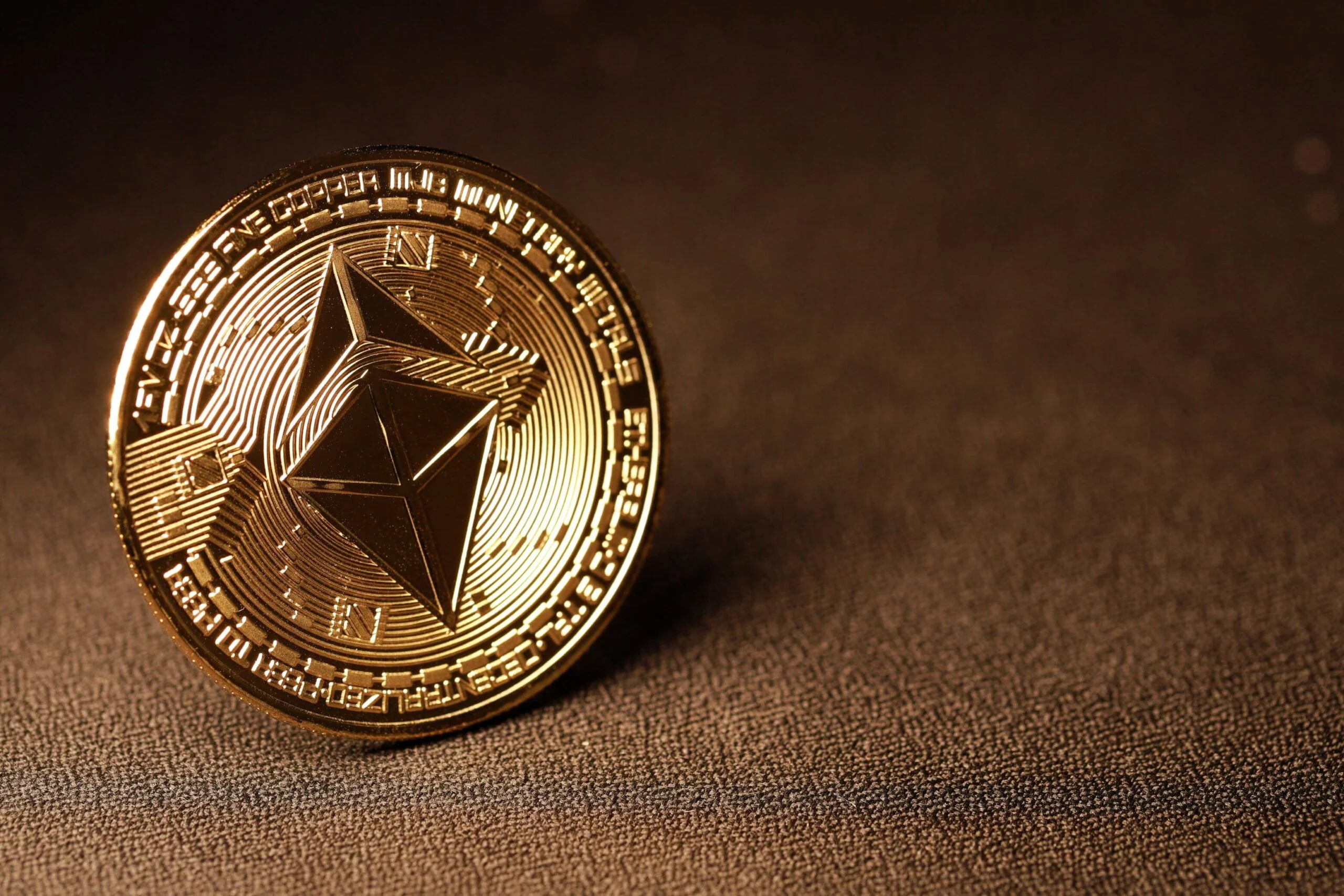
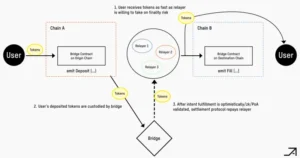
Lubin elaborated on the integration of zero-knowledge cryptographic proofs (ZK proofs) as a cornerstone of these enhancements. ZK proofs are a cryptographic method by which one party (the prover) can prove to another party (the verifier) that a statement is true, without revealing any information beyond the validity of the statement itself. In the context of Ethereum, ZK proofs will enable accelerated and more secure asset movement across various Ethereum-based networks, including between the mainnet and different L2 rollups, as well as potentially between different L2s.
A key benefit highlighted by Lubin is the potential to minimize dependence on traditional cross-chain bridges. These bridges, while essential for interoperability in the current landscape, have historically been vulnerable to exploitation, leading to significant financial losses in several high-profile incidents (e.g., the Ronin Bridge hack, the Wormhole exploit). By leveraging ZK proofs, Ethereum aims to create a more robust and secure method for value transfer, inherently reducing the attack surface. Furthermore, these modifications are expected to facilitate a more efficient and dynamic distribution of liquidity throughout the entire Ethereum ecosystem, improving capital efficiency and user experience.
Lubin emphasized that the benefits of these technical advancements would be substantial and far-reaching, impacting a diverse range of participants. Traditional financial institutions, which are increasingly exploring blockchain technology, stand to gain from enhanced security and efficiency for tokenized assets. Decentralized Finance (DeFi) protocols, already a dominant force on Ethereum, will benefit from faster, cheaper, and more secure transactions, fostering further innovation and adoption. Even emerging artificial intelligence (AI) applications, which could leverage blockchain for data integrity, provenance, and decentralized computing, are expected to see significant advantages once these implementations are finalized. The forthcoming Glamsterdam upgrade, which is on the roadmap for before the year’s end, is poised to deliver further scalability improvements and reduced gas costs, building upon the foundations laid by previous upgrades like Dencun and solidifying Ethereum’s position as a leading platform for decentralized applications.
Ethereum’s Unwavering Dominance in DeFi and Real-World Assets
Despite a notable 30% valuation decline over the past twelve months, Ethereum’s ecosystem demonstrates remarkable resilience and continues to command a dominant position across several critical sectors of the blockchain industry. The network remains the undisputed leader in decentralized finance (DeFi), consistently holding over half of all capital deployed across all DeFi platforms globally. This immense Total Value Locked (TVL) underscores Ethereum’s role as the primary settlement layer for a vast array of lending protocols, decentralized exchanges (DEXs), yield farming platforms, and other financial primitives. Its robust infrastructure, battle-tested security, and extensive developer community make it the preferred choice for launching and operating complex DeFi applications.
Beyond DeFi, Ethereum similarly controls approximately 50% of the circulating stablecoins and tokenized real-world assets (RWAs). Stablecoins, crucial for mitigating cryptocurrency volatility and facilitating transactions, primarily reside and operate on the Ethereum blockchain, leveraging its security and liquidity. This includes major stablecoins like USDT (Tether) and USDC (USD Coin), which together represent hundreds of billions in market capitalization. The dominance in stablecoins highlights Ethereum’s function as a global settlement layer for digital dollar equivalents.
The growth of tokenized real-world assets (RWAs) on Ethereum is another significant trend. Institutional giants, including JPMorgan Chase, are actively leveraging Ethereum infrastructure for the launch of tokenized financial products. This involves representing traditional assets such as bonds, real estate, and commodities as digital tokens on the blockchain, enabling greater liquidity, transparency, and fractional ownership. JPMorgan’s Onyx platform, for instance, has explored various applications of tokenized assets on private Ethereum-based networks, signaling a broader trend of traditional finance embracing the underlying technology. This move by established financial players validates Ethereum’s enterprise-grade capabilities and its potential to bridge the gap between conventional financial systems and the decentralized world.
With nearly 2,000 decentralized applications (dApps) actively running on its platform, ranging from gaming and NFTs to supply chain management and identity solutions, Ethereum showcases unparalleled ecosystem diversity. This vast array of applications, coupled with an impressive operational record spanning more than ten years without significant downtime, solidifies its reputation as a reliable and innovative blockchain. The network’s continuous evolution, its strong community support, and its strategic position at the forefront of DeFi and RWA tokenization reinforce its long-term potential, even as it navigates short-term market fluctuations.
Broader Impact and Future Implications
The current market dynamics, characterized by significant whale movements, critical technical price levels, and ambitious developmental roadmaps, collectively shape Ethereum’s broader impact and future implications. The whale activity, while potentially unsettling in the short term, can be viewed as a natural market phenomenon – large holders taking profits after years of patience. The market’s ability to absorb such liquidations without a catastrophic collapse speaks to Ethereum’s growing liquidity and maturity.
The ongoing technical enhancements, particularly those leveraging ZK proofs and optimizing Layer 1 and Layer 2 coordination, are pivotal for Ethereum’s sustained growth. By addressing core challenges like scalability, transaction costs, and cross-chain security, these upgrades are not merely incremental improvements but foundational shifts that expand Ethereum’s capacity to serve a global user base and complex institutional demands. Reduced dependence on vulnerable bridges and more efficient liquidity distribution will enhance user confidence and accelerate adoption across various sectors. The Glamsterdam upgrade, following the successful Dencun implementation, will continue this trajectory, ensuring Ethereum remains competitive and robust.
Ethereum’s enduring dominance in DeFi, stablecoins, and the burgeoning RWA market positions it as a cornerstone of the future financial landscape. The increasing engagement from traditional financial institutions like JPMorgan Chase is a strong validation of its underlying technology and security. As these institutions explore tokenized products and decentralized solutions, Ethereum’s proven track record and developer ecosystem make it the natural choice.
Ultimately, ETH’s present valuation, anchored near $1,665, is a testament to the ongoing tug-of-war between immediate market forces and long-term fundamental strengths. Market observers will continue to focus intensely on the $1,584–$1,683 volume band, viewing it as a critical battleground that will likely determine the subsequent directional breakout. A successful hold and breakout above this range could signal renewed bullish momentum, propelled by the promise of ongoing technical innovation and expanding institutional adoption. Conversely, a failure to maintain these levels could lead to further consolidation or downward pressure, albeit within a network that continues to demonstrate unparalleled resilience and a relentless pursuit of its ambitious vision. The coming months will be crucial in observing how these multifaceted factors converge to shape the next chapter for Ethereum.