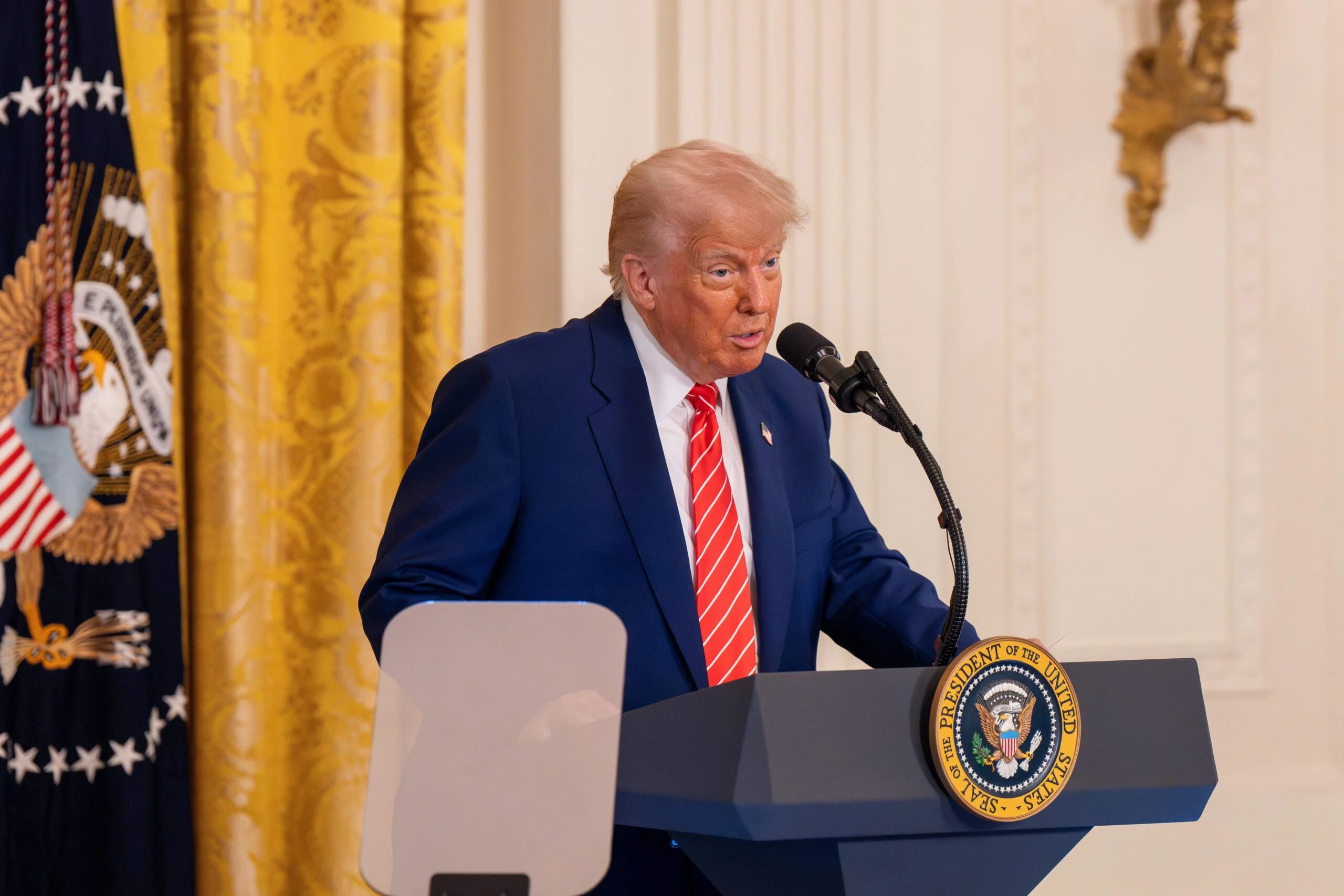
Washington D.C. – A comprehensive, bipartisan housing reform package, poised for presidential signature, has been abruptly derailed by former President Donald Trump. The legislative measure, which notably included a provision to prohibit the Federal Reserve from launching a retail central bank digital currency (CBDC) until the end of 2030, now faces an uncertain future. Trump’s decision, announced just moments before a scheduled White House signing ceremony on Wednesday, ties the fate of the widely supported housing legislation to the passage of separate voter identification requirements. This unexpected maneuver has injected significant uncertainty into both housing policy and the evolving regulatory landscape for digital assets in the United States.
The Unraveling of Bipartisan Consensus: A Sudden Halt to Housing Reform
The 21st Century ROAD to Housing Act, a legislative achievement born from extensive bipartisan negotiations, had garnered overwhelming support across Capitol Hill. It cleared the House of Representatives with a commanding 358 affirmative votes against just 32 negative votes, following an equally decisive Senate passage by an 85-to-5 margin. Such broad consensus is rare in contemporary American politics, underscoring the perceived urgency and importance of addressing the nation’s pressing housing challenges. The bill was widely lauded by lawmakers from both sides of the aisle for its potential to expand housing inventory, improve affordability, streamline mortgage lending protocols, and reduce regulatory obstacles to construction.
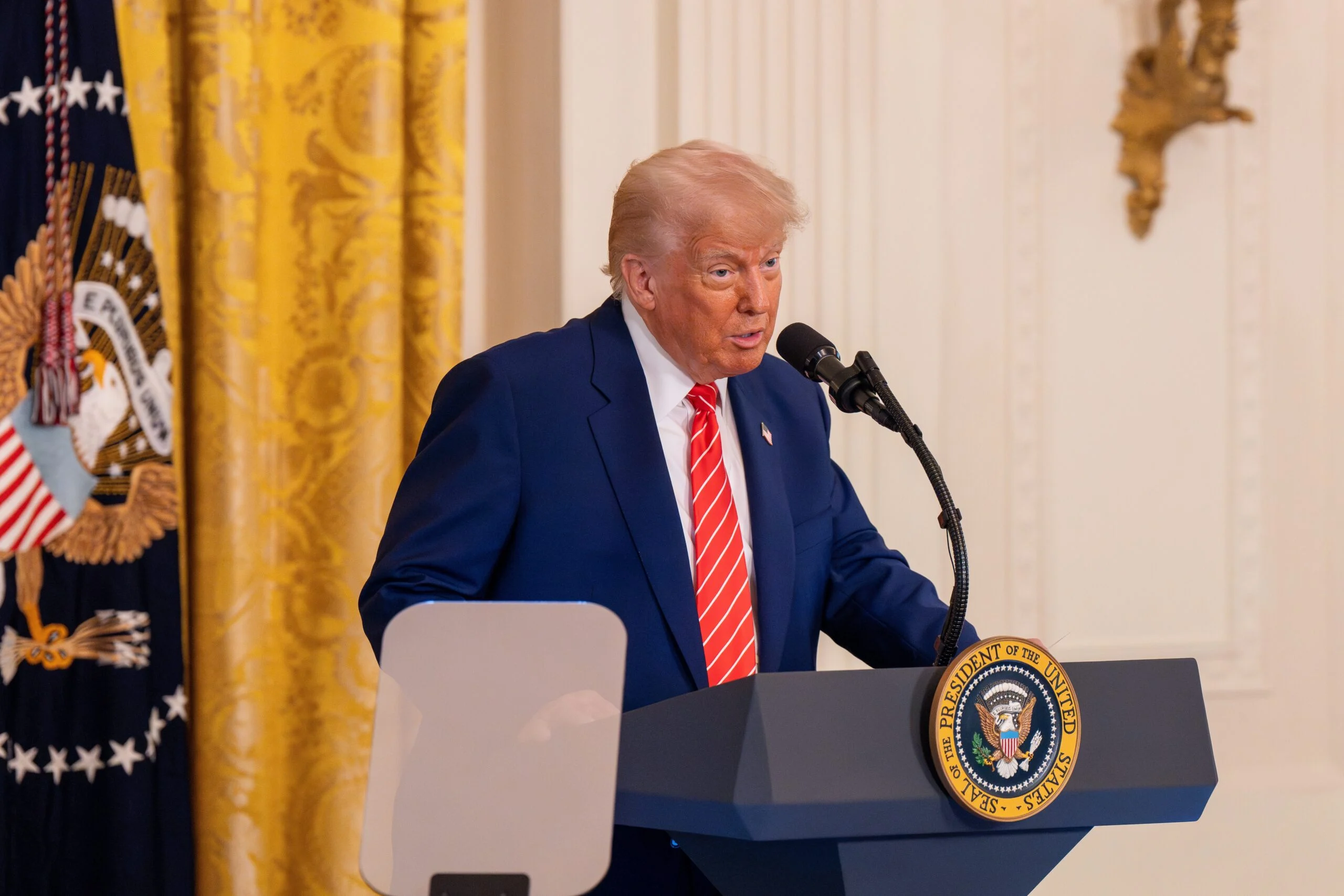
Despite this extraordinary show of unity and the bill’s arrival at the executive branch with strong congressional backing, Trump announced the cancellation of the signing ceremony via his Truth Social platform. His statement made it clear that his approval was now conditional upon congressional lawmakers first passing the "SAVE America Act." This sudden linkage of two unrelated pieces of legislation has cast a long shadow over a bill that was, until Wednesday, considered a near certainty to become law. The move has not only stalled critical housing reforms but also plunged the embedded CBDC prohibition into a state of legislative limbo, complicating the cryptocurrency regulatory agenda.
The "SAVE America Act": A New Legislative Prerequisite
At the heart of Trump’s conditional approval lies the "SAVE America Act," a proposed piece of legislation focused on mandating citizenship verification during federal voter registration. This bill would require individuals registering to participate in federal elections to provide documentary proof of United States citizenship. Proponents of such measures, including former President Trump, characterize these requirements as essential infrastructure for maintaining election integrity and preventing potential voter fraud. They argue that ensuring only eligible citizens vote is fundamental to the democratic process.
Conversely, critics of the "SAVE America Act" and similar voter ID laws contend that such requirements create unnecessary and often insurmountable obstacles for legitimate voters, particularly impacting minority groups, low-income individuals, and elderly citizens who may lack easy access to the required documentation. They argue that these measures disproportionately disenfranchise eligible voters and represent a form of voter suppression rather than a genuine enhancement of election security. Trump has publicly urged Republican senators to expedite the proposal, despite the minimal Democratic backing it currently enjoys, setting the stage for a potential legislative showdown. The move highlights his consistent focus on election reform since the 2020 presidential election, making it a cornerstone of his political platform.
Central Bank Digital Currency Prohibition: An Unseen Casualty
While the 21st Century ROAD to Housing Act primarily focused on real estate and urban development, it quietly carried a significant provision with far-reaching implications for the digital asset landscape. Congressional negotiators had inserted language explicitly barring the Federal Reserve from developing or deploying a retail CBDC. This prohibition, designed to maintain force through December 31, 2030, was a strategic move by lawmakers concerned about the potential implications of a government-issued digital dollar.
The language of the prohibition was carefully crafted to encompass "digital instruments exhibiting characteristics substantially similar to central bank digital currencies." Crucially, it included a carve-out for "private dollar-denominated assets functioning through transparent, permissionless, and decentralized infrastructure." This specific exclusion was designed to safeguard eligible stablecoins and other private sector innovations from the federal restriction, ensuring that the ban would not stifle the broader digital asset ecosystem.
The inclusion of the CBDC ban in the housing bill was not an accident but a deliberate legislative tactic. Often, contentious or specific policy riders are attached to large, "must-pass" bills to ensure their advancement through Congress. This strategy leverages the broader support for the main bill to push through related, but distinct, policy objectives. In this instance, the widespread desire to address the housing crisis provided a vehicle for a policy highly favored by a segment of Congress and former President Trump – preventing the creation of a retail digital dollar.
Background and Context of CBDC Debates
The debate surrounding a U.S. CBDC has been ongoing for several years. The Federal Reserve has conducted extensive exploratory research into the possibilities and implications of a digital dollar, releasing various reports and discussion papers, including a seminal paper in January 2022 exploring the pros and cons. While the Fed has maintained a cautious and exploratory stance, emphasizing that it would not proceed without clear congressional authorization, the prospect of a government-controlled digital currency has drawn significant concern from various quarters.
Critics often raise concerns about privacy, arguing that a retail CBDC could grant the government unprecedented surveillance capabilities over citizens’ financial transactions. They also worry about the potential for government overreach, disintermediation of commercial banks, and the impact on financial stability and innovation within the private sector. Proponents, on the other hand, highlight potential benefits such as increased financial inclusion, faster and cheaper payments, and the maintenance of the dollar’s global dominance in an increasingly digitized world, especially as other major economies like China advance their own digital currencies (e.g., the digital yuan).
Former President Trump has consistently voiced strong opposition to a U.S. CBDC. He has previously issued executive guidance prohibiting federal agencies from establishing, deploying, or advocating for a United States CBDC absent explicit statutory authority. The congressional language embedded in the housing bill would, therefore, have codified this existing executive policy through statutory law, providing a more permanent and legally binding framework for his stance. The delay now leaves the policy primarily reliant on executive guidance, which could be reversed by a future administration.
Reactions and Stakeholder Perspectives
The sudden postponement has elicited a range of reactions from various stakeholders. Congressional leaders who championed the housing bill are likely to express disappointment and frustration over the delay of a legislative package they worked tirelessly to craft and pass. Housing advocacy groups, which have consistently highlighted the nation’s severe housing shortage and affordability crisis – with median home prices reaching record highs in many areas and interest rates impacting affordability – will view this as a significant setback to efforts aimed at alleviating these pressures. Stalled reforms could exacerbate existing challenges, including a lack of affordable housing units and increasing homelessness in some regions.
Within the digital asset industry, the delay in the CBDC prohibition introduces fresh uncertainty. While many in the crypto space generally oppose a U.S. retail CBDC, the legislative limbo means the issue remains unresolved. Organizations like the Chamber of Digital Commerce, which advocate for clear regulatory frameworks, might express concern over the unpredictable nature of legislative progress. The explicit carve-out for private stablecoins was a significant victory for the industry, and its delay adds another layer of complexity to their operational and investment planning.
Meanwhile, election integrity groups will likely have mixed reactions. Those aligned with Trump’s position will welcome the renewed focus on citizenship verification, seeing it as a necessary step. Critics, however, will reiterate their concerns about potential voter disenfranchisement and the weaponization of legislative processes for political gain.

Broader Implications for the Digital Asset Regulatory Landscape
This legislative postponement extends beyond just the CBDC ban, generating additional uncertainty across the broader cryptocurrency regulatory agenda. Notably, it complicates the path forward for the Digital Asset Market Clarity Act, often referred to as the CLARITY Act, which is currently pending in Congress. This crucial legislation aims to establish clear jurisdictional boundaries for digital asset oversight and allocate regulatory responsibilities among federal agencies, primarily the Commodity Futures Trading Commission (CFTC) and the Securities and Exchange Commission (SEC).
Trump has previously expressed support for establishing comprehensive market structure frameworks for the cryptocurrency industry, recognizing the need for regulatory clarity to foster innovation while protecting investors. The CLARITY Act awaits Senate floor deliberations, potential amendments, and conclusive voting. However, the housing legislation dispute now injects another political prerequisite into an already congested Senate legislative schedule. The Senate’s limited time and the need for bipartisan cooperation to advance major bills mean that linking unrelated measures can significantly slow down or entirely derail legislative progress.
Furthermore, legislators continue to negotiate ethical guidelines concerning political figures’ participation in digital asset enterprises, and other stablecoin-focused bills are also making their way through committees. The current political maneuvering creates a ripple effect, potentially decelerating congressional progress across multiple policy domains relevant to the crypto industry. The CBDC prohibition, therefore, remains entangled with broader controversies involving not just housing policy and electoral procedures but also the entire framework for digital asset regulation.
The Path Forward: Legislative Limbo and Presidential Prerogatives
Constitutionally, a president has several options when presented with a bill. They can sign it into law, veto it, or allow it to become law without their signature if Congress remains in session for 10 business days after the bill is presented. Trump retains the option to sign the housing package following congressional advancement of his preferred election legislation, though the likelihood of the "SAVE America Act" passing a Democrat-controlled Senate is exceedingly low. This sets up a potential stalemate.
The timing of any future action will depend on formal legislative presentation protocols and congressional scheduling dynamics, which are notoriously complex and subject to political pressures. Trump has not issued explicit veto threats regarding the market structure legislation or other pending cryptocurrency proposals. However, his refusal to advance unconnected measures serves as a powerful political tool, demonstrating his willingness to use presidential leverage to achieve his policy objectives.
The current situation represents a multifaceted legislative quagmire. A bipartisan effort to address critical housing needs is on hold, a significant policy stance on central bank digital currencies hangs in the balance, and the broader push for regulatory clarity in the digital asset space faces new impediments. The political strategy employed by former President Trump underscores the interconnectedness of legislative agendas and the enduring power of presidential influence, even when exercised conditionally. The ultimate fate of the 21st Century ROAD to Housing Act, and with it the CBDC prohibition, will likely be determined by complex negotiations, political calculations, and the unpredictable dynamics of an election year.