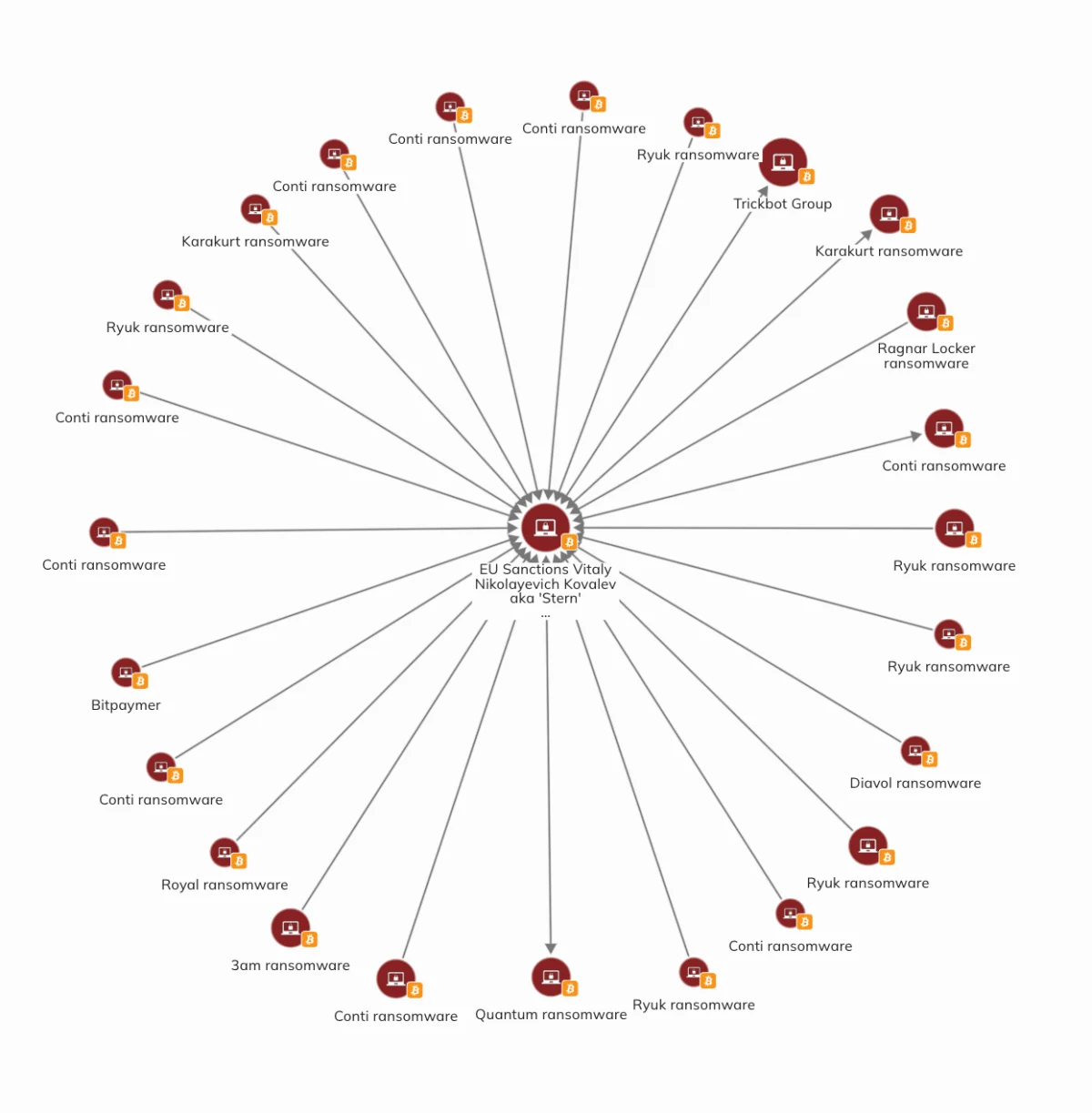
In a coordinated effort to dismantle the financial and operational pillars of global cybercrime, the United States, the European Union, and the United Kingdom announced a massive expansion of sanctions on July 13, 2026. This trilateral enforcement action targets an extensive network of nation-state hackers, prolific cybercriminals, and the technical enablers who facilitate their illicit activities. The sweeping measures represent one of the most significant and strategically aligned cyber enforcement efforts in history, signaling a shift toward targeting the entire ecosystem of ransomware-as-a-service (RaaS) rather than just individual threat actors.
The primary focus of this international crackdown is the infrastructure and leadership responsible for billions of dollars in damages inflicted upon global businesses, critical infrastructure, and governmental institutions. By freezing assets and restricting the ability of these actors to interact with the global financial system, the coalition aims to paralyze the operational capacity of syndicates that have long operated with a sense of impunity from within jurisdictions that offer them safe harbor.
The Rise of Stern: Identifying the $300 Million Administrator
Central to the announcement is the European Union’s formal designation of Vitaly Nikolayevich Kovalev, a Russian national known in the criminal underworld by the moniker “Stern.” While Kovalev had been previously identified by the U.S. Department of the Treasury’s Office of Foreign Assets Control (OFAC) and the U.K.’s Office of Financial Sanctions Implementation (OFSI) in early 2023, the EU’s July 2026 action is the first to explicitly link the “Stern” identity to his legal name in a formal sanctioning document.
Stern is described by intelligence officials as a "CEO-like" figure within the Trickbot Group, a notorious cybercriminal syndicate that birthed some of the world’s most devastating ransomware strains, including Conti and Ryuk. Blockchain analysis reveals that cryptocurrency wallets directly associated with Stern have received over $300 million in ransom payments. However, experts note that this figure represents only his personal share or "cut" of the proceeds; the total revenue generated by the Trickbot ecosystem is estimated to be in the billions.
The "Conti Leaks"—a massive trove of internal chat logs leaked in 2022—provided the foundational intelligence for this designation. These logs depicted Stern as a high-level administrator who managed budgets, oversaw procurement of technical tools, handled hiring and firing of "employees," and even participated in the strategic planning of high-stakes attacks. His centrality to the group’s operations makes his designation a major blow to the organizational memory of the Russian-speaking cybercrime world.
Dismantling the Infrastructure: 1VPNS and Cryptor Providers
A pivotal aspect of the July 2026 sanctions is the strategic focus on "enablers"—the service providers that allow ransomware gangs to remain anonymous and bypass security measures. OFAC has targeted First VPN Service (1VPNS), a Virtual Private Network provider that catered almost exclusively to criminal clientele.
According to Treasury officials, 1VPNS provided the secure tunnels necessary for ransomware actors to infiltrate corporate networks without triggering geographic-based security alerts. Alongside the service itself, its administrator, Dmytro Rashevskyi, was designated. This action follows a successful law enforcement operation in May 2026, led by European authorities with support from the FBI’s Boston Field Office, which resulted in the physical seizure of 1VPNS servers.

Furthermore, the coalition designated Yevgeniy Vladimirovich Silayev, a specialist "cryptor" provider. In the cybercrime world, a cryptor is a tool used to obfuscate malware code, making it "fully undetectable" (FUD) by standard antivirus and Endpoint Detection and Response (EDR) software. By sanctioning the developers of these tools, authorities are attempting to increase the technical costs and "friction" for attackers, forcing them to develop their own bespoke tools or risk exposure.
The EU’s Broadened Scope: LummaC2 and Bullet-Proof Hosting
While the U.S. and U.K. focused heavily on the financial infrastructure, the European Union expanded its list to include broader ecosystem threats. Among the newly sanctioned entities is the platform known as LummaC2. Operating on a Malware-as-a-Service (MaaS) model, LummaC2 is an information stealer used to harvest sensitive data, including browser credentials, cryptocurrency private keys, and system metadata. Its accessibility has allowed even low-skilled actors to conduct sophisticated data exfiltration campaigns.
The EU also took aim at Media Land LLC, a Russian-based "bullet-proof" hosting provider. Since 2016, Media Land has reportedly provided the digital bedrock for groups like LockBit, EvilCorp, and BlackBasta. Bullet-proof hosts are characterized by their refusal to comply with takedown notices from foreign law enforcement or cybersecurity researchers, effectively providing a safe haven for Command and Control (C2) servers. By blacklisting Media Land, the EU makes it illegal for any entity with ties to the European financial system to provide bandwidth, hardware, or peering services to the provider, theoretically isolating them from the Western internet.
Chronology of Enforcement: A Multi-Year Campaign
The July 13, 2026, sanctions are the culmination of a multi-year effort to map and dismantle the Trickbot and Conti networks.
- February 2023: The U.S. and U.K. issued their first joint sanctions against seven key members of the Trickbot group, marking the beginning of a public "naming and shaming" campaign.
- September 2023: An additional 11 members were sanctioned, expanding the list to include developers and low-level managers.
- May 2026: A coordinated international "takedown" operation led to the seizure of domain names and server infrastructure belonging to 1VPNS, disrupting the connectivity of dozens of active ransomware affiliates.
- July 2026: The current trilateral action brings the total number of sanctioned Trickbot-affiliated individuals to 19 and introduces the "Stern" moniker into the official EU record, while simultaneously striking at the MaaS and hosting providers that support the wider industry.
Data Analysis: The Financial Footprint of Cybercrime
The scale of the financial impact disclosed in these sanctions is unprecedented. Blockchain forensics provided by firms like Chainalysis indicate that Stern and his subordinates transacted with a diverse array of ransomware strains. The list includes not only the well-known Ryuk and Conti but also offshoots and successor groups such as Diavol, Karakurt, Royal, 3am, Quantum, and Bitpaymer.
The flow of funds reveals a sophisticated corporate hierarchy. Ransom payments would typically flow into "aggregator" wallets managed by Stern’s deputies before being distributed. These distributions were not merely for profit-sharing; they were used to pay "salaries" to developers, purchase zero-day exploits, and lease infrastructure from providers like Media Land LLC. The 2026 designations included cryptocurrency addresses across a wide variety of blockchains, reflecting the criminals’ attempts to diversify their holdings. Identified wallets span Bitcoin (BTC), Ethereum (ETH), Litecoin (LTC), Zcash (ZEC), Dash, TRON, Dogecoin (DOGE), and Solana (SOL).
Official Responses and International Alignment
The coordinated nature of the announcement drew praise from policy experts and stern warnings from government officials.

A spokesperson for the U.S. Treasury Department emphasized that the U.S. would continue to use every tool at its disposal to "disrupt the financial incentives that drive the ransomware economy." The U.K. Foreign Commonwealth and Development Office (FCDO) echoed these sentiments, stating that the sanctions "demonstrate the U.K.’s commitment to protecting our critical infrastructure and ensuring that those who profit from cyber sabotage have nowhere to hide their wealth."
In Brussels, the EU Council noted that the inclusion of "Stern" and the targeting of MaaS platforms like LummaC2 represent a "maturation" of the EU’s cyber diplomacy toolbox. By aligning with Washington and London, the EU ensures that there is no "jurisdictional arbitrage" available to these actors within the Western financial system.
Broader Impact and the Future of Cybersecurity Compliance
The implications of these sanctions extend far beyond the individuals named. For the cryptocurrency industry and financial institutions, the addition of these names and specific wallet addresses to the Specially Designated Nationals (SDN) list creates an immediate compliance obligation. Any exchange or financial platform that facilitates a transaction involving these addresses risks "secondary sanctions," which could effectively bar them from the U.S. dollar-clearing system.
Furthermore, this action signals a strategic pivot in global counter-cybercrime policy. Authorities are moving away from a "whack-a-mole" approach—where they chase individual hackers—and toward a "scorched earth" strategy against the enabler ecosystem. By making it illegal to provide hosting, VPN services, or "crypting" to these groups, law enforcement is attempting to break the business model of ransomware.
As the digital landscape becomes increasingly fraught with state-sponsored and organized criminal threats, the July 13, 2026, sanctions stand as a landmark moment. They underscore the reality that in the modern age, cybersecurity is not merely a technical challenge but a geopolitical and financial one. The message to the global cybercrime community is clear: the veil of anonymity is thinning, and the world’s largest economies are finally acting in concert to shut down the infrastructure of extortion.