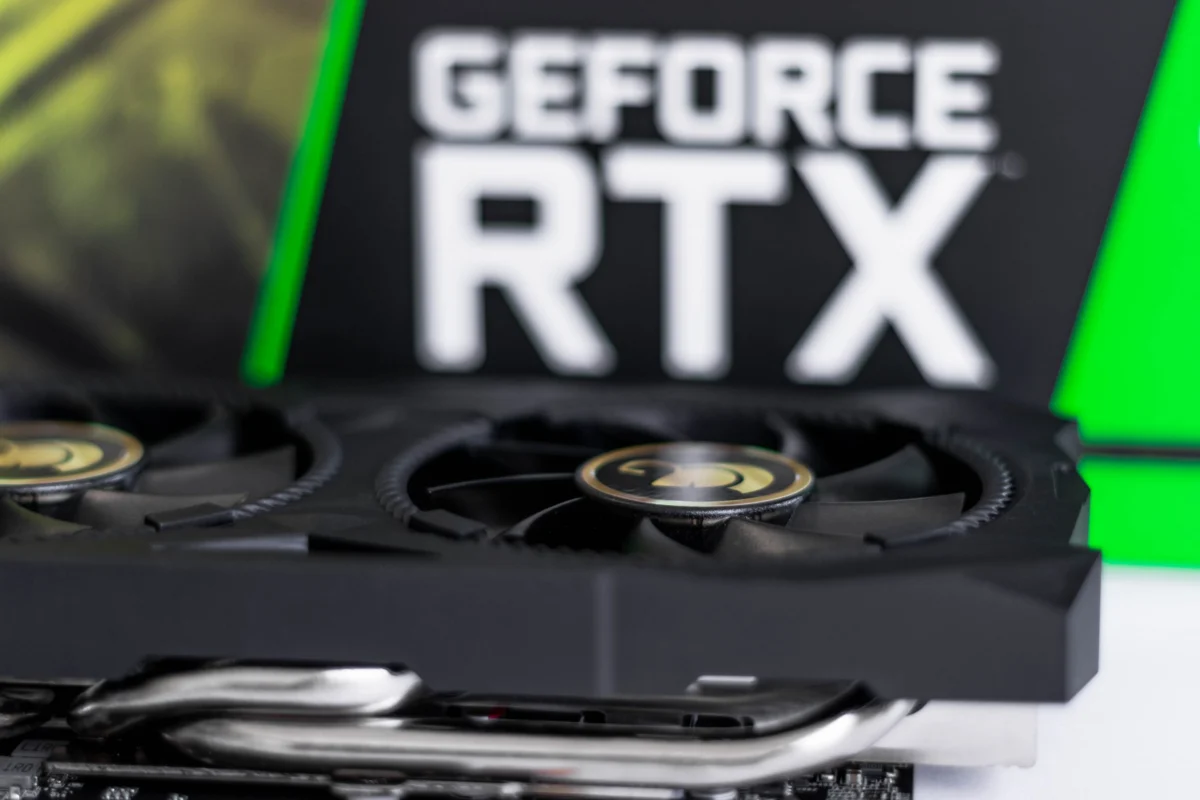
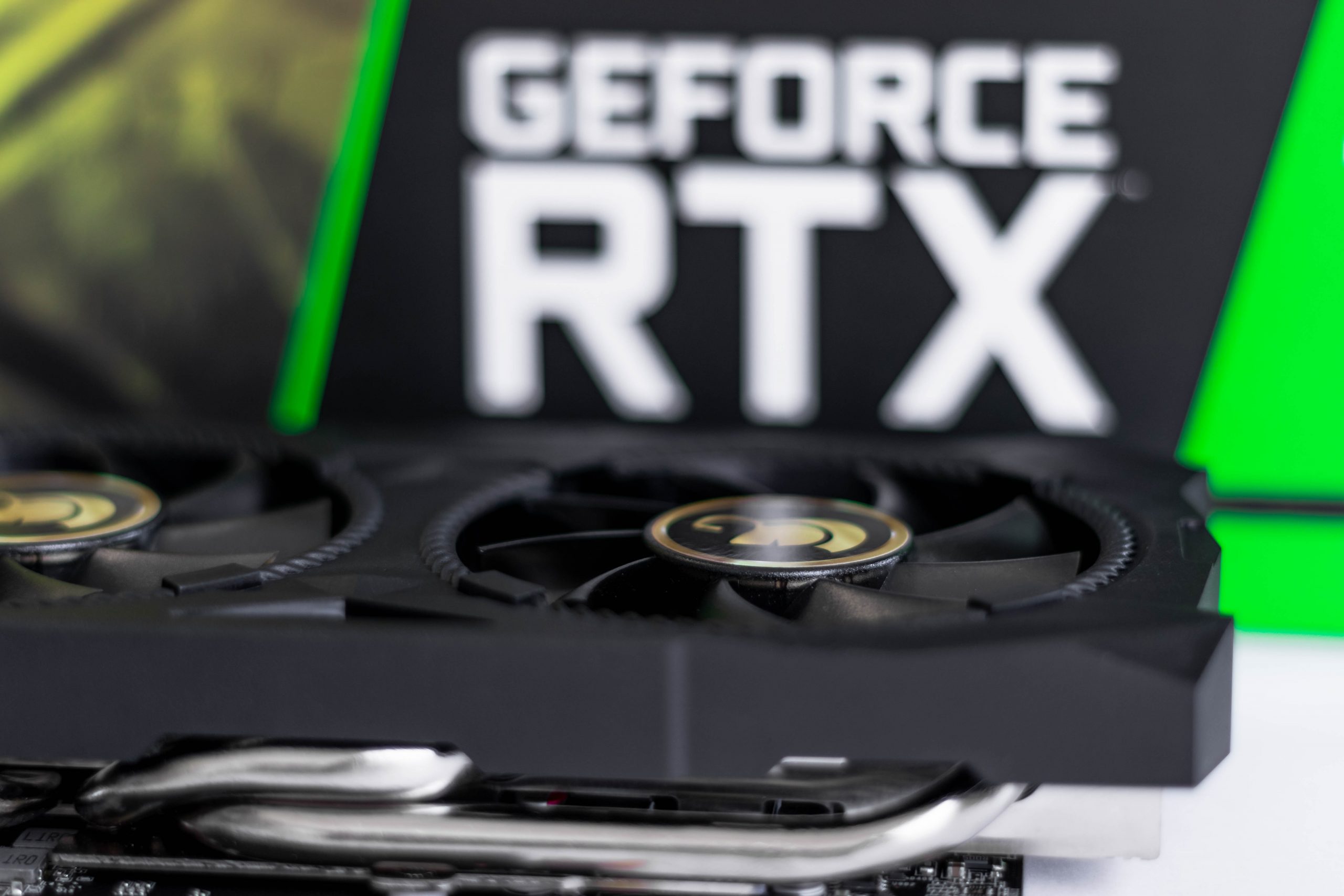
The secondary market for graphics processing units (GPUs) in China has entered a state of rapid deflation as cryptocurrency miners begin offloading thousands of high-performance cards following a series of aggressive regulatory interventions by the Chinese government. Prices for popular mid-range and high-end hardware, such as the Nvidia GeForce RTX 3060, have plummeted to as low as $270 on regional second-hand platforms, marking a significant departure from the inflated prices seen during the peak of the 2021 mining boom. This mass liquidation event follows a definitive shift in Beijing’s domestic policy toward decentralized digital assets, forcing industrial-scale mining operations to either shutter their doors or relocate their infrastructure to more favorable jurisdictions abroad.
The current influx of hardware into the used market includes a wide array of architectures from both Nvidia and AMD. While the latest Ampere and RDNA2 architectures are the most sought-after by gamers, the market is also being saturated with older generations, including the Pascal and Polaris series. This "mining dump" is not merely a localized phenomenon but a symptom of a broader structural change in the global crypto-mining landscape. As miners in provinces once known as "mining hubs"—such as Sichuan, Inner Mongolia, and Xinjiang—face electricity cuts and legal prohibitions, the urgency to recoup capital has led to a price war on second-hand marketplaces.
The Regulatory Catalyst: A Chronology of the Crackdown
The sudden surplus of GPUs is directly attributable to the Chinese government’s escalating campaign against cryptocurrency mining and trading. The timeline of this crackdown reveals a systematic effort to dismantle the industry. In May 2021, the State Council of the People’s Republic of China, led by Vice Premier Liu He, announced a stern policy direction aimed at "cracking down on Bitcoin mining and trading behavior" to prevent individual risks from being transmitted to the social field.
Following this high-level directive, local authorities moved swiftly. Inner Mongolia was among the first to implement a "clean-up" of mining projects, citing the need to meet energy consumption targets. This was followed by similar moves in Qinghai and Yunnan. However, the most significant blow came when Sichuan—a province that historically accounted for a massive portion of the global Bitcoin hashrate due to its abundant and cheap hydroelectric power—ordered all mining projects to shut down in June 2021.
This regulatory sweep left many miners with few options. Large-scale operations with significant capital began the "Great Mining Migration," moving their ASICs (Application-Specific Integrated Circuits) to North America, Kazakhstan, and Russia. However, smaller-scale miners and those utilizing GPU-based rigs for Ethereum mining found the logistics of international relocation more challenging. For many of these operators, the most viable path forward was to liquidate their hardware locally, leading to the current saturation of the used market.
Market Dynamics and Pricing Analysis
The impact on pricing has been dramatic. During the height of the GPU shortage, an Nvidia RTX 3060 often commanded prices well above $800 on the retail market, despite having a much lower Manufacturer’s Suggested Retail Price (MSRP). Currently, however, listings on Chinese second-hand sites show these cards being offered for approximately $270. Higher-tier cards are following a similar trajectory; the RTX 3070 has been spotted for around $400, while the RTX 3060 Ti is frequently listed at $350.
A notable characteristic of this liquidation event is the "bulk-only" nature of the sales. Many sellers are refusing to sell individual units to retail consumers or gamers. Instead, they are requiring minimum orders of 100 to 200 units. This suggests that the sellers are industrial-level operators looking to offload entire server racks quickly. In some instances, specialized mining hardware that utilizes mobile components has also appeared; laptops equipped with RTX 3060 GPUs, which were used as makeshift mining rigs when desktop cards were unavailable, are now being sold for roughly $1,000 per unit.
Despite these low prices, the hardware is not moving as quickly as might be expected. Several factors contribute to this stagnation. First, the bulk-purchase requirement alienates the average consumer. Second, there is a pervasive "buyer beware" sentiment regarding the physical condition of these cards.
Technical Risks: The Cost of 24/7 Operation
From a technical perspective, purchasing a GPU that has been used for cryptocurrency mining carries inherent risks. Mining rigs typically operate 24 hours a day, seven days a week. To maximize efficiency and hash rates, miners often overclock the video memory (VRAM) while undervolting the core clock. While undervolting can sometimes preserve the life of the GPU core, the constant high temperatures on the memory modules—especially on GDDR6X variants found in higher-end Nvidia cards—can lead to thermal degradation.

Furthermore, the cooling fans on these cards are mechanical components with finite lifespans. Constant operation at high speeds often leads to bearing failure. While a fan replacement is a relatively simple repair, the potential for deeper silicon degradation or PCB (Printed Circuit Board) warping due to prolonged heat exposure remains a concern for gamers and professional creators. This "mining fatigue" is a primary reason why the second-hand market is struggling to absorb the sheer volume of cards, even at steep discounts.
Broader Implications for the Global Tech Industry
The Chinese crackdown and the subsequent hardware dump are occurring against the backdrop of a global semiconductor shortage that has plagued the electronics industry for nearly two years. The sudden availability of thousands of cards in China is beginning to exert downward pressure on global GPU prices. In Europe, specifically in markets like Germany and Austria, analysts have noted price drops of up to 40% as supply chains begin to stabilize and the demand from miners wanes.
Nvidia’s leadership has acknowledged this shift. During interviews surrounding the E3 2021 period, Nvidia CEO Jensen Huang noted that the company’s introduction of "Lite Hash Rate" (LHR) cards—which feature hardware-level limiters to make them less effective for mining—was a deliberate move to ensure that more GPUs end up in the hands of gamers. Additionally, the impending transition of the Ethereum network from a Proof-of-Work (PoW) consensus mechanism to Proof-of-Stake (PoS)—commonly referred to as "The Merge"—is expected to permanently decouple the GPU market from the volatility of the crypto market.
The Rise of the Digital Yuan
China’s aggressive stance against private cryptocurrencies is not merely a regulatory whim but a strategic move to clear the path for its own sovereign digital currency. As mining rigs are dismantled, the Chinese government has accelerated the rollout and testing of the Digital Yuan (e-CNY). By removing the competition of decentralized assets like Bitcoin and Ethereum, Beijing aims to consolidate control over the digital payments ecosystem, ensuring that all financial transactions remain within the purview of the People’s Bank of China.
This transition highlights a fundamental divergence in how nations view blockchain technology. While some Western nations are looking to integrate and regulate private crypto-assets, China is moving toward a state-sanctioned, centralized blockchain model. The GPUs currently being sold for pennies on the dollar are, in a sense, the discarded remnants of an era of financial decentralization that China is determined to close.

Current Market Sentiment and Bitcoin Valuation
The turmoil in the mining sector has had a palpable impact on the price of Bitcoin and other digital assets. At the time of this reporting, Bitcoin (BTC) is trading at approximately $33,000, representing a modest 2% increase over a 24-hour period but a slight decline over the trailing week. The market remains in a range-bound state, struggling to overcome a psychological and technical resistance level at $35,000.
The loss of hashrate from China initially caused a significant drop in the network’s total computational power, leading to a downward adjustment in mining difficulty. While the network has proven its resilience by continuing to produce blocks without interruption, the short-term market sentiment remains cautious. Investors are closely monitoring whether the "Great Migration" of miners to the West will provide a new floor for the asset’s price or if the regulatory shadow of the Chinese crackdown will continue to loom over the market.
In conclusion, the fire sale of GPUs in China marks the end of an era for the country’s dominance in the crypto-mining space. For gamers, the flood of cheap hardware offers a glimmer of hope for a return to normalcy in the PC hardware market. However, for the cryptocurrency industry, it serves as a stark reminder of the impact that state-level intervention can have on decentralized networks. As the hardware moves from the dark, heat-filled warehouses of Sichuan to the secondary markets of the internet, the global tech landscape continues to recalibrate for a post-mining-boom future.