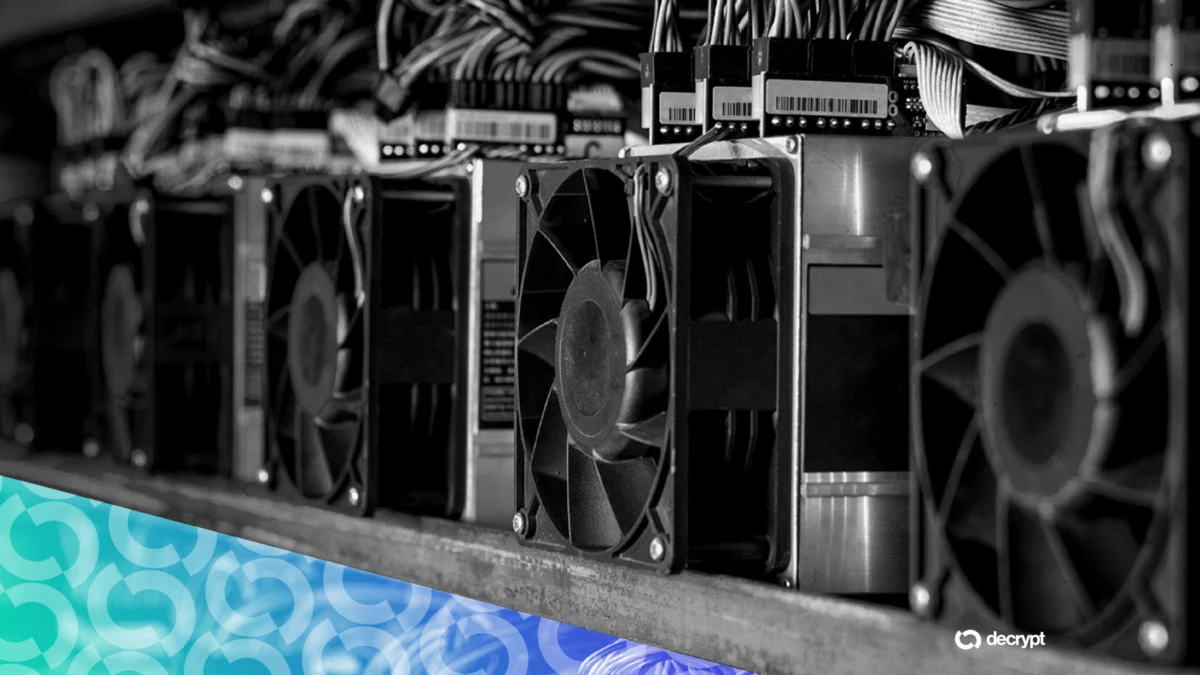
Bitcoin mining firm HIVE Digital Technologies is strategically positioning itself to capitalize on the burgeoning artificial intelligence (AI) sector, with an ambitious target of generating $45 million in annual revenue from a planned AI data center in Boden, Sweden. This significant revenue projection, detailed in the company’s latest earnings update, underscores HIVE’s determined pivot towards high-performance computing (HPC) infrastructure, moving beyond its traditional reliance on cryptocurrency mining. However, this promising venture remains contingent on several critical milestones, including securing a definitive lease agreement, finalizing financing, and undertaking substantial facility upgrades before the project can commence operations.
HIVE’s Strategic Evolution: From Crypto Mining to AI Infrastructure Powerhouse
HIVE Digital Technologies, originally established as one of the pioneers in publicly traded cryptocurrency mining, has been undergoing a transformative journey. Founded in 2017, the company initially focused on mining Ethereum and later expanded into Bitcoin, leveraging large-scale data centers in regions with access to abundant, low-cost, and often renewable energy. This business model, while highly profitable during bull markets, proved susceptible to the extreme volatility of cryptocurrency prices and the fluctuating economics of mining, including network difficulty and energy costs.
Recognizing the inherent risks and opportunities, HIVE began to diversify its operations, adopting what CEO Aydin Kilic refers to as a "dual-engine" strategy. This model aims to balance the foundational revenue stream from Bitcoin mining with the rapidly expanding demand for GPU-based HPC services, primarily driven by the AI revolution. The pivot is not merely a reactive measure but a proactive strategic shift to leverage its existing infrastructure, technical expertise in managing large-scale GPU operations, and access to sustainable energy sources. The global surge in AI development, particularly in generative AI, large language models (LLMs), and machine learning, has created an unprecedented demand for specialized computing infrastructure, presenting a lucrative avenue for companies capable of providing high-density GPU capacity. HIVE’s existing data centers, initially designed for energy-intensive crypto mining, are inherently suitable for conversion to HPC facilities, albeit requiring significant technological upgrades.
The Boden Project: A Detailed Overview and Current Negotiation Status
The proposed AI data center in Boden, Sweden, is central to HIVE’s HPC ambitions. The facility, known as Big Boden, currently boasts a 32-megawatt utility connection, which HIVE plans to retrofit to accommodate up to 10,000 Nvidia GB300 GPUs. This massive undertaking will involve implementing advanced liquid cooling systems, essential for managing the intense heat generated by high-density computing racks required for cutting-edge AI workloads. While the facility has a 32-megawatt connection, the proposed customer would receive approximately 25 megawatts of usable computing capacity, with the remaining power dedicated to supporting data center operations and infrastructure.
HIVE first publicly disclosed the proposal in June through a Letter of Intent (LOI) signed with an unnamed "investment-grade Swedish technology company." The LOI contemplates a long-term colocation arrangement, potentially spanning up to 10 years, signifying a substantial and stable revenue stream if finalized. During the company’s recent earnings call, CEO Aydin Kilic provided crucial updates on the ongoing negotiations. He emphasized that HIVE is proceeding cautiously, meticulously discussing key contractual terms such as deposits, termination rights, and other provisions that could significantly impact future financing costs and the overall profitability of the deal. Kilic stated, "We do not want to rush into a deal just for the sake of reporting new top-line revenue," underscoring the company’s commitment to securing favorable and sustainable terms. This approach highlights a mature business strategy, prioritizing long-term stability and optimal risk management over short-term headline figures.
Further signaling progress, Kilic confirmed that a consultant representing a potential lender had visited the Boden site the previous week, conducting due diligence. This step is a critical precursor to securing the necessary project financing, which HIVE expects to pursue, potentially through corporate bonds, once a definitive lease agreement is firmly in place. The company has not yet announced a specific completion date for these negotiations, reflecting the complexity and strategic importance of the agreement.
Financial Projections and Broader Market Implications
The $45 million in projected annual revenue from the Boden facility represents a significant potential boost to HIVE’s top line, especially as the company continues to expand its HPC footprint. This figure contributes to HIVE’s broader financial targets within the AI sector. The company currently reports $185 million in contracted GPU-cloud annualized run-rate revenue. It’s important to note that while this capacity is contracted, only $40 million of it is currently live and generating revenue. The remaining $145 million represents contracted capacity that is yet to enter service, pending facility readiness and deployment.
HIVE’s ambitious long-term target is to achieve approximately $700 million in total high-performance computing annualized revenue by the end of 2028. This comprehensive figure, however, encompasses a portfolio of projects that will require additional financing, construction, and confirmed customer commitments beyond what is currently secured. The company’s robust cash position, reported at $139 million on its balance sheet, provides a solid foundation for these expansion plans, enabling it to invest in necessary infrastructure upgrades and pursue strategic opportunities.
The transition towards AI infrastructure offers several advantages for HIVE. Unlike the commodity-driven nature of Bitcoin mining, HPC services often involve long-term contracts with enterprise-grade clients, providing more predictable and stable revenue streams. The demand for AI computing power is projected to grow exponentially, driven by advancements across various industries, from healthcare and finance to automotive and entertainment. This sustained demand makes the AI data center market an attractive growth area.
Technological Demands and Infrastructure Challenges
Converting a cryptocurrency mining facility into a state-of-the-art AI data center is a complex engineering endeavor. The planned integration of Nvidia GB300 GPUs signifies HIVE’s commitment to deploying cutting-edge hardware. The Nvidia GB200 Grace Blackwell Superchip, which the GB300 is part of, represents a significant leap in AI computing, offering unprecedented performance for training and inference of large AI models. These powerful chips require immense power and generate substantial heat, necessitating advanced cooling solutions.
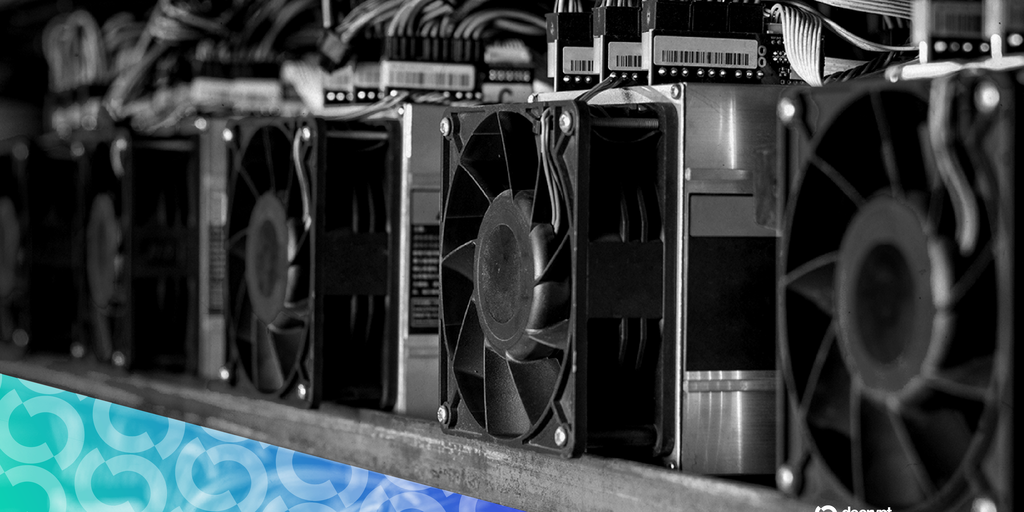
Liquid cooling, specifically direct-to-chip or immersion cooling, is becoming a standard requirement for high-density AI racks. This technology is far more efficient than traditional air-cooling methods, allowing data centers to pack more computing power into a smaller footprint while reducing energy consumption for cooling. The retrofit of the Big Boden facility will therefore involve not just replacing mining rigs with GPUs but a complete overhaul of the thermal management and power distribution systems. The 32-megawatt utility connection, initially designed for Bitcoin mining, will need to be re-engineered to deliver stable and efficient power to the new GPU infrastructure, ensuring optimal performance and reliability for demanding AI workloads. Kilic noted that the site has "evolved from a GPU compute facility supporting Ethereum" and is now slated for conversion into a "more powerful AI installation," underscoring the scale of this technological transformation.
Sweden’s Strategic Advantage and Broader Industry Context
Sweden offers several compelling advantages for establishing large-scale data centers. The country boasts a stable political and economic environment, reliable infrastructure, and a cool climate, which naturally aids in data center cooling, reducing operational costs. Critically, Sweden’s energy grid is predominantly powered by renewable sources, primarily hydropower and wind. This aligns perfectly with HIVE’s commitment to sustainable computing and its environmental, social, and governance (ESG) objectives. Operating AI data centers with renewable energy is increasingly important for corporate clients seeking to minimize their carbon footprint.
HIVE’s strategic pivot is indicative of a broader trend within the digital asset industry. As the crypto landscape matures and competition intensifies, many mining companies are exploring diversification strategies. Repurposing existing energy infrastructure and technical expertise to serve the AI market represents a logical and potentially highly profitable pathway. Companies like HIVE, with their experience in managing massive arrays of GPUs and high-power consumption, are uniquely positioned to transition into providers of HPC services.
The AI "gold rush" has created a massive demand for the underlying infrastructure. Hyperscale cloud providers like Amazon Web Services, Microsoft Azure, and Google Cloud are rapidly expanding their AI capabilities, but specialized providers like HIVE can carve out niches, offering dedicated colocation or custom HPC solutions. The ability to provide sustainable, high-density computing capacity is a significant differentiator in this competitive landscape.
Conclusion
The Boden AI data center project represents a critical juncture for HIVE Digital Technologies. With a potential $45 million in annual revenue, it underscores the company’s successful strategic pivot from volatile crypto mining to the high-growth AI infrastructure market. While the path forward involves securing a definitive lease, finalizing financing, and undertaking substantial technical upgrades, the ongoing negotiations and lender due diligence indicate tangible progress. HIVE’s cautious yet determined approach, coupled with its growing portfolio of contracted GPU-cloud revenue and ambitious long-term targets, positions it as a significant player in the evolving landscape of high-performance computing. The successful realization of the Boden project would not only bolster HIVE’s financial standing but also solidify its reputation as a leading provider of sustainable AI infrastructure, capitalizing on the insatiable demand for computing power in the artificial intelligence era.