
The Iranian government has significantly escalated its efforts to dismantle illegal cryptocurrency mining operations, reporting the discovery and closure of 9,404 unauthorized mining farms over the past five months. This aggressive enforcement surge comes in response to a deepening energy crisis that has seen the nation grapple with persistent power outages, particularly during the peak demand months of summer. Kambiz Nazerian, the head of the Tehran Electricity Distribution Company, confirmed in a recent statement that these operations were localized within various districts of the capital, highlighting a widespread and decentralized network of energy-intensive activities that have placed the national grid under unprecedented strain.
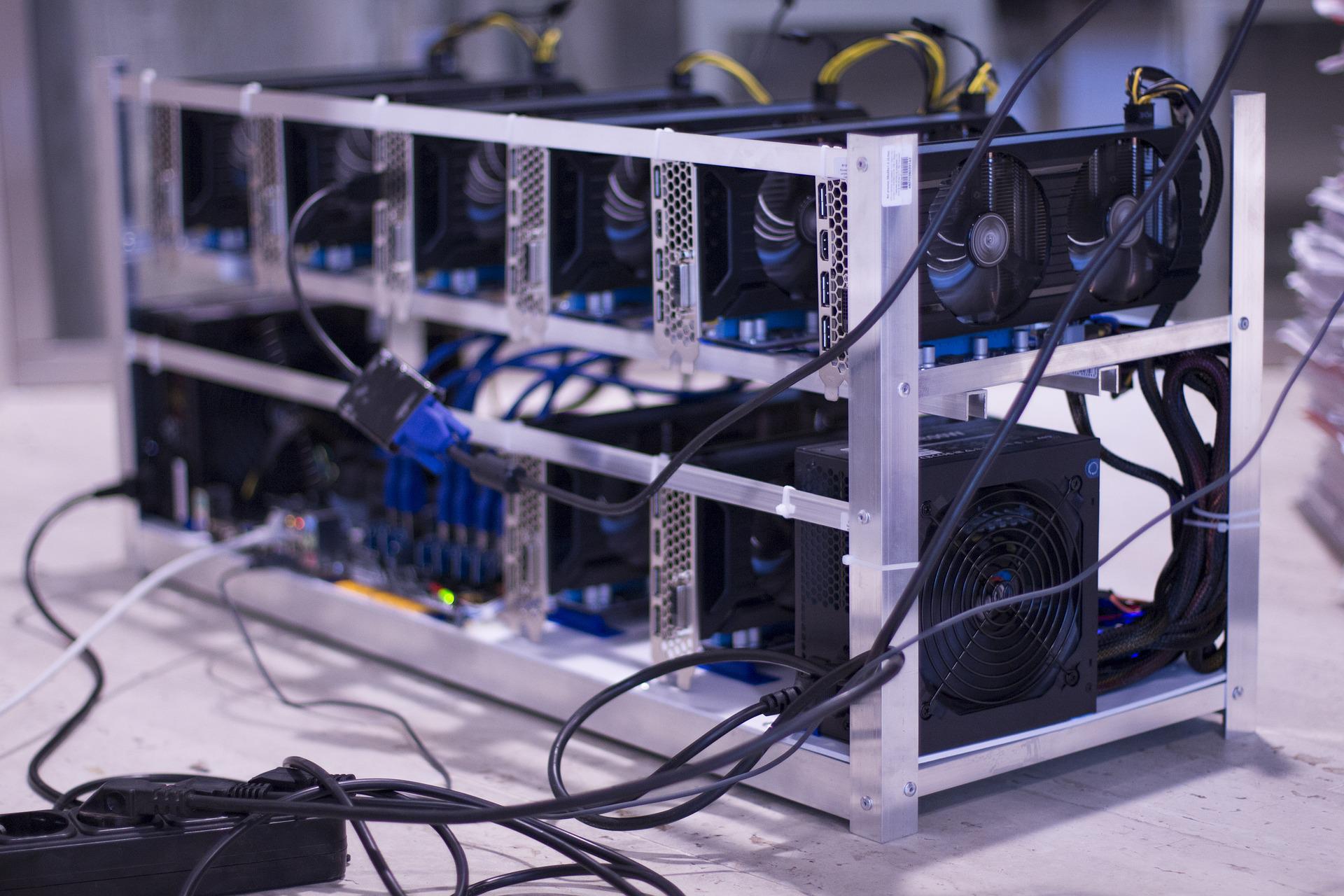
The scale of the recent crackdown reflects the Iranian authorities’ growing intolerance for unregulated digital asset extraction. In June alone, police and utility inspectors confiscated approximately 7,000 illegal mining machines. These devices, primarily Application-Specific Integrated Circuit (ASIC) miners, are designed for the sole purpose of solving complex cryptographic puzzles to secure blockchain networks like Bitcoin, a process known as Proof of Work (PoW). While lucrative, the process requires immense amounts of electricity, often equivalent to the consumption of entire residential neighborhoods.
The Intersection of Subsidized Energy and Digital Assets
Iran’s relationship with cryptocurrency mining is uniquely shaped by its domestic energy policy. As an oil- and gas-rich nation, the Iranian government heavily subsidizes electricity for its citizens and public institutions. These subsidies, intended to support the domestic economy and provide affordable utilities to the populace, have inadvertently created an ideal environment for cryptocurrency miners. By utilizing electricity priced far below global market rates, miners can maximize profit margins that would be unattainable in most other jurisdictions.
According to reports from local media outlets, including Iran International, a significant portion of these illegal operations has been discovered in public or semi-public spaces. To further reduce overhead costs and evade detection, miners have been found operating within mosques, schools, and industrial workshops. These locations often receive free or significantly discounted power, making them prime targets for "influential networks" and opportunistic individuals. Furthermore, the involvement of foreign entities has been noted; following China’s comprehensive ban on crypto mining in 2021, many Chinese mining syndicates relocated their hardware to Iran to take advantage of the low-cost energy landscape.
A Chronology of Iranian Crypto Regulation and Grid Stability
The current crackdown is the latest chapter in a multi-year effort to balance the economic potential of blockchain technology with the physical limitations of the national power grid.
In 2019, Iran became one of the first countries in the world to recognize cryptocurrency mining as a legitimate industrial activity. The government established a licensing framework, requiring miners to register with the Ministry of Industry, Mine and Trade, pay a higher electricity tariff than residential users, and sell their mined Bitcoin to the central bank to help fund imports—a strategic move to bypass international economic sanctions.
However, the growth of the legal sector was quickly overshadowed by an explosion in illegal mining. By March 2021, data from the Cambridge Bitcoin Electricity Consumption Index (CBECI) indicated that Iran accounted for approximately 7.5% of the global Bitcoin hashrate. This surge in activity coincided with severe droughts that reduced the output of the country’s hydroelectric plants, leading to a perfect storm of high demand and low supply.
In May 2021, following a series of catastrophic blackouts in major cities, the government issued a four-month blanket ban on all mining activities. This was followed by seasonal restrictions during the winter of 2021 and the summer of 2022. During these periods, even licensed miners were ordered to shut down their rigs to prioritize residential heating and cooling. Despite these measures, the persistence of illegal "underground" farms has forced the state-run energy provider, Tavanir, to take more drastic measures, including offering bounties to citizens who report illegal mining activities.
Data Analysis: The Energy Cost of Mining
The technical demands of the cryptocurrency industry are staggering when viewed through the lens of national energy security. Earlier this month, Iranian authorities reported the shutdown of 1,620 mining operations that had collectively consumed 250 megawatts of power over an 18-hour period. To put this in perspective, 250 megawatts is enough to power a mid-sized city or several large industrial complexes.
The hardware used in these operations, such as the Bitmain Antminer series, can consume between 3,000 to 5,000 watts per unit. When thousands of these machines run simultaneously, 24 hours a day, they create a "baseload" demand that the aging Iranian grid is often unable to sustain. This is particularly problematic during the summer, when air conditioning usage pushes the grid to its breaking point. The government has argued that the combined load of illegal mining is the primary catalyst for the "rolling blackouts" that have sparked public protests and hampered domestic industry.
Official Responses and Enforcement Strategy
Kambiz Nazerian’s announcement underscores a shift toward a more intelligence-led enforcement strategy. The Tehran Electricity Distribution Company, in coordination with the police, has begun using advanced load-monitoring software to identify unusual spikes in electricity consumption at the transformer level. By analyzing consumption patterns that do not align with residential or standard commercial behavior, authorities can pinpoint the exact buildings housing mining rigs.

Government officials have also voiced concerns regarding the broader economic implications. While mining provides a way for some to generate wealth amidst high inflation and a devalued Rial, the "theft" of subsidized electricity represents a direct loss to the national treasury. Tavanir has stated that illegal miners are effectively stealing from the public, as the subsidies are funded by national resources meant for social welfare and infrastructure development.
In addition to the seizure of equipment, the Iranian judiciary has signaled that it will pursue stiffer penalties for those caught operating illegal farms. This includes heavy fines equivalent to several times the value of the electricity consumed, the permanent confiscation of hardware, and potential prison sentences for repeat offenders or those linked to organized crime syndicates.
Broader Impact and Global Implications
The situation in Iran is a microcosm of a global debate regarding the sustainability of Proof of Work mining. Similar to Iran, regions like Kosovo and Kazakhstan have faced civil unrest and energy emergencies linked to the influx of crypto miners. In Kosovo, the government implemented a total ban on mining in early 2022 after an energy crisis forced the country to import expensive electricity from neighboring states. In Kazakhstan, which became the world’s second-largest mining hub after China’s ban, the government has introduced new tax laws and stricter energy quotas to rein in the industry.
For Iran, the stakes are uniquely high due to the geopolitical climate. The country views cryptocurrency as a vital tool for "sanction-busting," allowing it to conduct international trade without relying on the US-dominated SWIFT banking system. However, the internal cost of maintaining this digital financial lifeline is proving to be significant. The constant threat of grid failure not only impacts the quality of life for citizens but also threatens the stability of the manufacturing sector, which relies on a steady power supply to operate.
Conclusion and Future Outlook
As the September deadline for the lifting of the current mining restrictions approaches, the Iranian government finds itself at a crossroads. While the authorities have demonstrated their ability to seize nearly 10,000 farms in a matter of months, the underlying incentive—extremely cheap, subsidized power—remains.
The success of Iran’s digital asset strategy will likely depend on its ability to migrate mining operations to dedicated "energy zones" where miners can utilize flared natural gas or renewable energy sources that do not compete with the residential grid. Until such a transition occurs, the cat-and-mouse game between state authorities and illegal miners is expected to continue, with the stability of the national power grid hanging in the balance. The recent massive seizures in Tehran serve as a stark reminder that while the blockchain is virtual, its impact on physical infrastructure is very real, and the costs of unregulated growth are often borne by the public.