The Iranian government has significantly escalated its enforcement actions against unauthorized cryptocurrency mining operations following a series of severe power outages that have crippled the nation’s infrastructure and sparked public discontent. In a recent disclosure that underscores the scale of the underground industry, Kambiz Nazerian, the head of the Tehran Electricity Distribution Company, confirmed that law enforcement agencies and utility inspectors have identified and dismantled 9,404 illegal mining farms within the capital city of Tehran alone over the past five months. This aggressive campaign comes as the state struggles to balance its role as a regional energy giant with the reality of an aging domestic power grid and skyrocketing seasonal demand.
The surge in crypto-mining activity in Iran is a direct consequence of the country’s unique economic landscape. Boasting some of the world’s largest reserves of fossil fuels, the Iranian government heavily subsidizes electricity, making it among the cheapest in the world. While these subsidies were originally intended to support domestic industry and low-income households, they have inadvertently created a vacuum for energy-intensive cryptocurrency mining. The profitability of mining Bitcoin and other proof-of-work assets is largely determined by electricity costs; in Iran, the margins are so high that they have attracted not only local tech enthusiasts but also large-scale international syndicates.
The Magnitude of the Recent Seizures
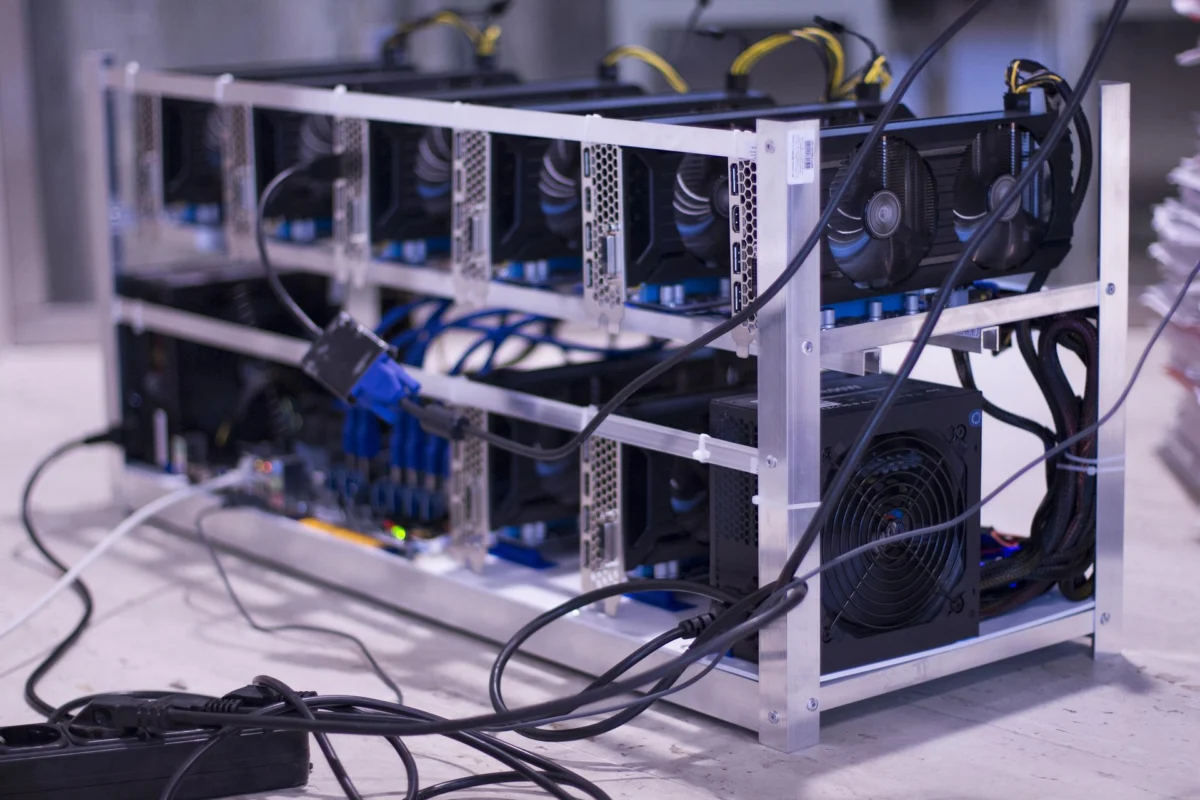
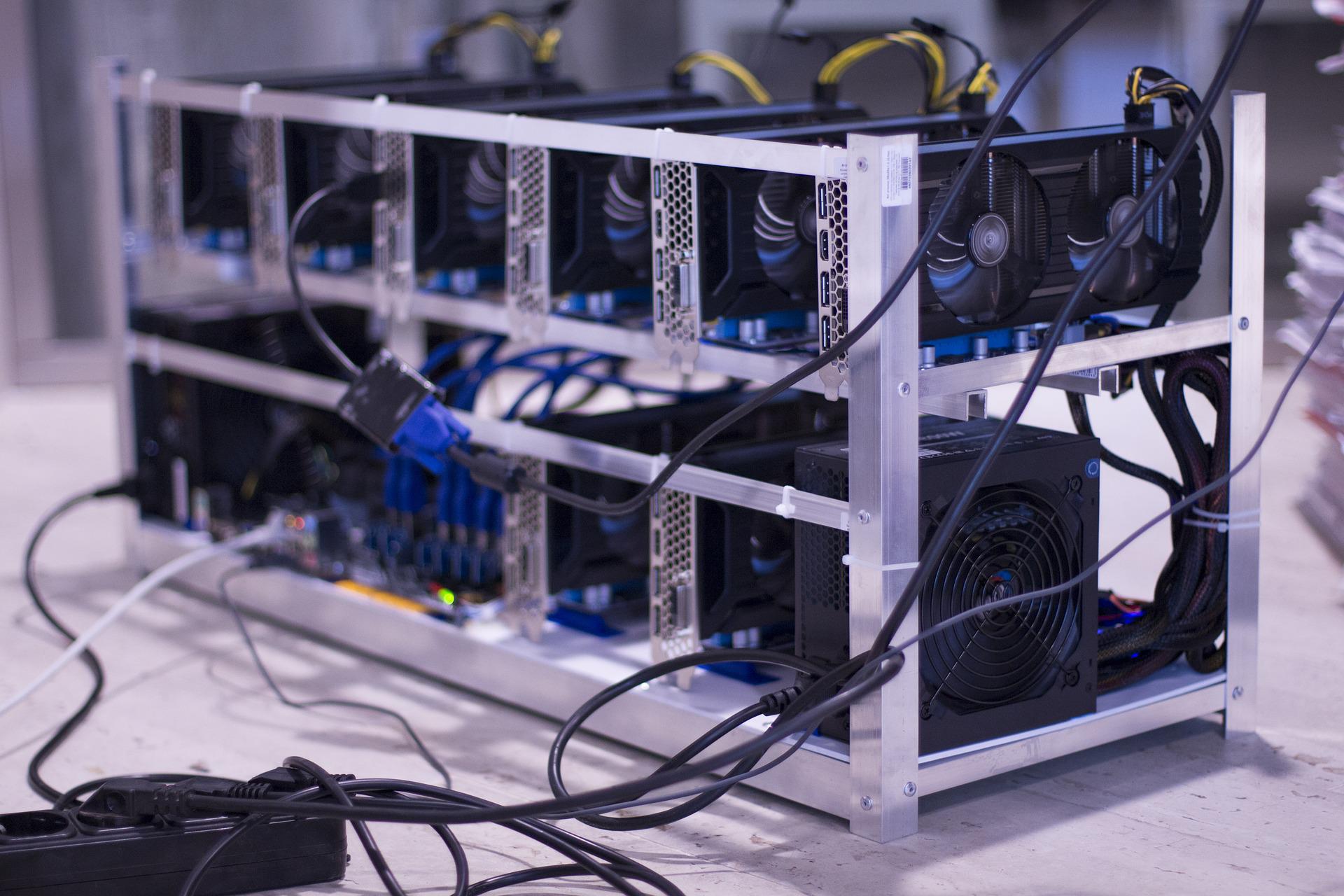
The recent crackdown in Tehran is part of a broader national strategy to safeguard the energy grid during the peak summer and winter months. According to reports from Iran International and other local media outlets, the 9,404 farms discovered in the capital were equipped with high-powered Application-Specific Integrated Circuit (ASIC) miners. These devices are designed for the sole purpose of solving the complex mathematical equations required to secure blockchain networks, a process that consumes vast amounts of electrical energy.
Earlier this year, in June, the Iranian police reported a massive single-month operation where over 7,000 illegal mining machines were confiscated. This was followed by the closure of an additional 1,620 mining operations earlier this month. Data provided by the state-run energy provider, Tavanir, indicates that these 1,620 operations alone had consumed an estimated 250 megawatts of electrical power over an 18-month period. To put this in perspective, 250 megawatts is roughly equivalent to the daily energy consumption of a mid-sized city, illustrating why the authorities view these "energy-guzzling" devices as a direct threat to national security and public welfare.
A History of Energy Instability and Crypto Regulation
The tension between the Iranian state and the crypto-mining sector is not a new phenomenon. Iran’s journey with digital assets has been a volatile mix of cautious embrace and strict prohibition. In early 2021, the Cambridge Bitcoin Electricity Consumption Index (CBECI) estimated that Iran contributed approximately 7.5% of the global Bitcoin hashrate. This significant share made Iran a major player in the global crypto ecosystem, but it came at a high cost to the domestic population.
The year 2021 marked a turning point when the country experienced a series of catastrophic blackouts during the summer heatwaves. These power failures left millions without air conditioning or refrigeration and led to widespread protests in several major cities. The government’s response was swift: officials blamed the illegal mining sector for the grid’s instability. In May 2021, then-President Hassan Rouhani announced a four-month blanket ban on all mining activities, including those that were legally licensed.
This cycle of seasonal bans has become a recurring theme in Iranian policy. In the summer of 2022, authorities again implemented restrictions to manage the surge in demand caused by high temperatures. To mitigate the crisis, the Ministry of Power cut off electricity to 118 licensed mining platforms, which had previously been operating under government oversight. The distinction between "licensed" and "illegal" miners is a critical component of the Iranian strategy. Licensed miners pay a higher, non-subsidized rate for electricity and are required to halt operations during peak demand. However, the vast majority of miners choose to operate in the shadows to take advantage of the subsidized rates meant for households and public institutions.
The Exploitation of Public Infrastructure
One of the more controversial aspects of the illegal mining boom in Iran is the location of these clandestine farms. Investigations have revealed that many unregistered miners have set up their equipment in public buildings, including mosques, schools, and community centers. Because these institutions receive either free or heavily subsidized electricity from the state, they provide a perfect cover for mining operations seeking to maximize profit.
The use of mosques for mining has particularly incensed the public and religious authorities. Videos circulating on social media in recent years showed stacks of ASIC miners operating within the walls of religious sites, leading to a public outcry regarding the misuse of religious endowments and public funds. This exploitation has forced the government to empower the police to conduct more intrusive inspections and has led to the installation of "smart meters" in public buildings to detect unusual spikes in energy consumption.
The Geopolitical and Economic Drivers
To understand why crypto mining persists in Iran despite the threat of imprisonment and asset seizure, one must look at the country’s broader economic situation. Iran has been under heavy international sanctions for decades, which has limited its access to the global banking system and caused the national currency, the Rial, to suffer from chronic inflation.
For many Iranians, cryptocurrency is not just a speculative investment but a financial lifeline. Mining provides a way to earn a "hard" currency (Bitcoin) that is not subject to the devaluation of the Rial. Furthermore, the anonymity of blockchain transactions allows for a level of international trade that is otherwise blocked by sanctions. This economic pressure has created a "shadow economy" where influential networks and even foreign entities—most notably Chinese mining groups—have moved their operations to Iran to exploit the cheap energy and the legal gray areas.
The involvement of Chinese groups became particularly pronounced after the Chinese government’s comprehensive ban on crypto mining in 2021. Seeking new frontiers with low energy costs, many Chinese miners relocated their rigs to Kazakhstan and Iran. While Kazakhstan initially welcomed the miners, it soon faced similar energy crises and social unrest, leading to its own crackdown. Iran has followed a similar trajectory, moving from a period of relative tolerance to one of strict enforcement.
Comparative Regional Crises
Iran is not alone in its struggle to reconcile the digital gold rush with infrastructure limitations. Other regions, such as Kosovo and parts of Russia, have faced nearly identical challenges. In Kosovo, the government implemented a total ban on cryptocurrency mining in early 2022 after the country was forced to import electricity at exorbitant prices during a global energy crunch. Similar to Iran, Kosovo’s northern regions had long benefited from free electricity, leading to a massive influx of miners that eventually pushed the national grid to its breaking point.

In Russia, the relationship with mining remains complex. While some regions with surplus hydroelectric power, like Irkutsk, have become hubs for miners, the central government has frequently debated bans or strict tax regimes to prevent residential areas from suffering "micro-blackouts" caused by overloaded transformers. These global parallels suggest that the "crypto-energy" conflict is a systemic issue that arises whenever the cost of energy is significantly decoupled from its market value.
Broader Impact and Future Implications
The ongoing crackdown in Iran has significant implications for the global Bitcoin network and the domestic economy. As Iran continues to seize thousands of machines, the global hashrate—the total computational power securing the network—may see fluctuations, though the network has proven resilient to such regional shifts in the past.
Domestically, the Iranian government is at a crossroads. On one hand, the state recognizes the potential of blockchain technology to bypass sanctions and generate revenue. There have been discussions about the Central Bank of Iran using mined cryptocurrency to pay for imports. On the other hand, the immediate need to provide stable electricity to its 85 million citizens is a political and social necessity.
The current strategy appears to be one of "formalization." The government is attempting to force all mining activity into a regulated framework where it can be taxed, monitored, and—most importantly—throttled during times of energy scarcity. However, as long as the disparity between subsidized electricity prices and the market value of Bitcoin remains large, the incentive for illegal mining will persist.
The seizure of 9,404 farms in Tehran is a clear signal that the Iranian authorities are no longer willing to tolerate the "leakage" of subsidized energy into the private pockets of miners. As the country moves toward the end of the current summer ban in September, the focus will likely shift from emergency seizures to long-term legislative reforms. These may include steeper fines, permanent bans for repeat offenders, and the potential integration of mining operations into the state’s own energy-industrial complex. For now, the "cat and mouse" game between the state’s electricity inspectors and the underground miners continues, with the stability of the national power grid hanging in the balance.