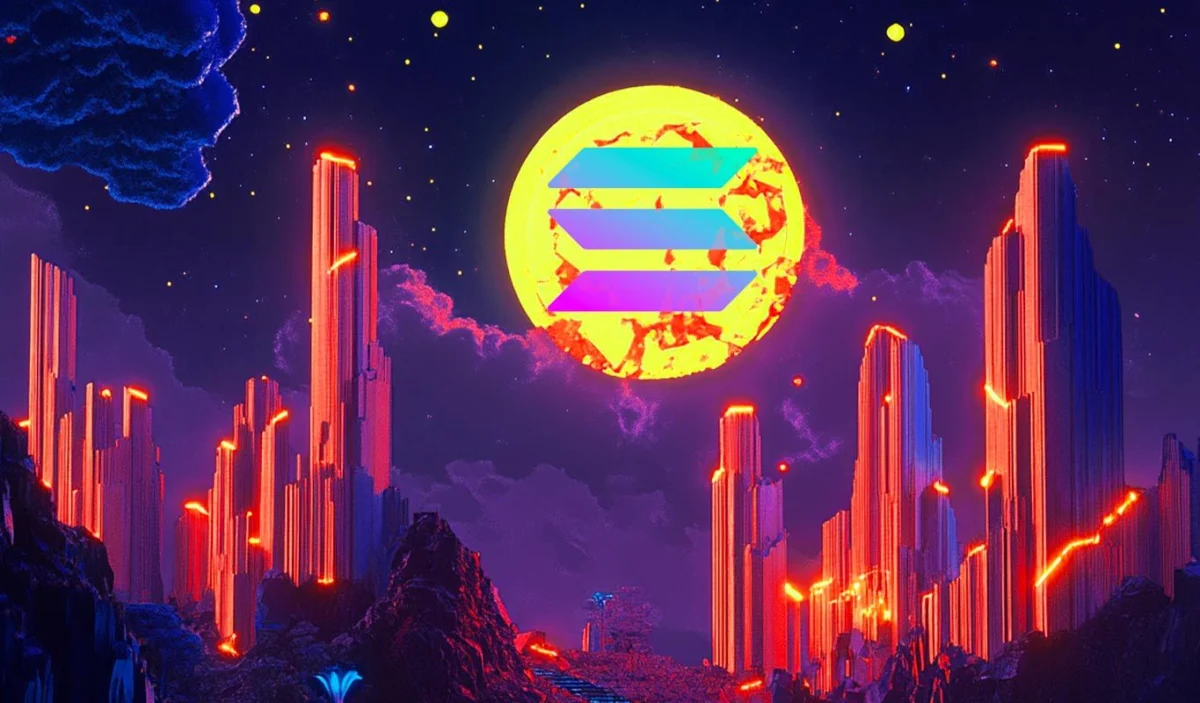
The global financial landscape is witnessing a significant convergence between traditional payment networks and decentralized blockchain technology as MoneyGram International, Inc. officially launches its cash-to-crypto services on the Solana network. This integration, facilitated through a single, streamlined Application Programming Interface (API), allows for compliant conversions between physical fiat currency and digital assets, effectively bridging the gap for millions of users worldwide. By embedding this service directly into the Solana Developer Platform’s payments module, the partnership aims to eliminate the technical and regulatory hurdles that have historically slowed the adoption of blockchain-based financial applications.
The move represents a strategic expansion of MoneyGram’s digital evolution, transforming the legacy money transfer giant into a critical infrastructure provider for the Web3 ecosystem. The service, known as MoneyGram Ramps, is now live and accessible to developers building on Solana, providing them with instant API credentials, sandbox testing environments, and comprehensive Software Development Kits (SDKs). Crucially, the integration allows developers to offer on-ramp and off-ramp services without the need to secure individual banking licenses or navigate the complex web of global financial regulations, as MoneyGram handles the underlying compliance and liquidity requirements.
The Evolution of On-Chain and Off-Chain Connectivity
The challenge of "the last mile"—the ability to convert digital tokens into spendable physical cash and vice versa—has long been cited as one of the primary barriers to the mainstream adoption of cryptocurrency. While digital exchanges offer high-volume trading, they often require users to have traditional bank accounts, which excludes the significant global population of unbanked or underbanked individuals. MoneyGram’s entry into the Solana ecosystem addresses this by leveraging its massive physical footprint of nearly 500,000 retail locations.
According to the official announcement, cash deposits into the Solana ecosystem are now available in over 25 countries. More impressively, the "off-ramp" capabilities, which allow users to withdraw their digital assets as local fiat currency, extend to more than 170 countries and territories. This global reach is facilitated by MoneyGram’s established network, which serves over 60 million active customers annually. The first Solana-native application to utilize this bridge is Rift, a digital wallet that now allows its users to move seamlessly between crypto and local currency using MoneyGram’s physical and digital infrastructure.
Technical Integration and Developer Accessibility
For developers within the Solana ecosystem, the integration is designed to be "plug-and-play." By including MoneyGram Ramps in the Solana Developer Platform, the Solana Foundation is making it easier for startups to build fintech products that have immediate real-world utility. Traditionally, a developer wishing to offer cash-to-crypto services would need to spend months, if not years, establishing relationships with regional banks, obtaining Money Service Business (MSB) licenses, and building robust Anti-Money Laundering (AML) and Know Your Customer (KYC) frameworks.
With the new API, these requirements are abstracted. The MoneyGram Ramps service provides a compliant layer that handles the verification of users and the physical movement of funds. This allows developers to focus on the user interface and the specific utility of their applications, whether they are focused on remittances, decentralized finance (DeFi), or the gig economy. The availability of documentation and a sandbox environment ensures that the integration process is shortened from months to days, fostering a more rapid innovation cycle within the Solana community.
Strategic Context: MoneyGram’s Pivot to Fintech
MoneyGram’s partnership with Solana is not an isolated event but part of a multi-year strategy to modernize its business model. Founded in the 1940s, MoneyGram spent decades as a leader in traditional wire transfers. However, the rise of digital-first competitors and the efficiency of blockchain technology prompted a pivot toward digital assets.
In 2021, MoneyGram began a high-profile collaboration with the Stellar Development Foundation to facilitate USDC (USD Coin) settlements. The expansion to Solana reflects a broader "multi-chain" philosophy, recognizing Solana’s growing dominance in the retail and payment sectors due to its high throughput and low transaction costs. Solana’s ability to process thousands of transactions per second with fees typically costing less than a penny makes it an ideal environment for the micro-transactions often associated with global remittances and gig worker payouts.
Implications for Global Remittances and the Gig Economy
The integration of MoneyGram Ramps onto Solana has profound implications for the $800 billion global remittance market. According to World Bank data, the average cost of sending $200 across international borders remains around 6%, a figure that the United Nations aims to reduce to 3% by 2030. Blockchain technology, when combined with a physical cash network, can significantly lower these costs by removing intermediary correspondent banks.
Beyond simple money transfers, the partnership targets the burgeoning gig economy. Freelancers and gig workers in developing nations often face delays and high fees when receiving payments from international clients. By using Solana-based stablecoins and MoneyGram’s off-ramps, these workers can receive their earnings near-instantly and withdraw them in their local currency at a nearby retail location.
Furthermore, the system provides a new avenue for humanitarian aid distribution. International NGOs can distribute aid via on-chain tokens, ensuring transparency and reducing the risk of funds being diverted. Recipients can then visit a MoneyGram location to convert those tokens into the cash they need for food, medicine, and housing, even in regions where the traditional banking system is fractured or non-existent.
Official Perspectives from Industry Leaders
The leadership of both the Solana Foundation and MoneyGram have emphasized the transformative nature of this collaboration. Lily Liu, President of the Solana Foundation, highlighted the network’s role as a foundational layer for a more equitable financial system. "Solana is infrastructure for the more than six billion people on the internet, powering a faster, more open, global financial system," Liu stated. She noted that by connecting the Solana ecosystem to MoneyGram’s network, developers are empowered to build applications with "real-world utility at global scale."
Anthony Soohoo, Chairman and CEO of MoneyGram, echoed these sentiments, focusing on the concept of "access" as the primary driver of future payment systems. "The future of payments is built on access," Soohoo said. "Every platform we connect expands the reach of our network. Every customer we serve makes that network more valuable. Bringing MoneyGram Ramps to Solana is another step toward building a truly open, global payments network."
Market Analysis and Future Outlook
The integration comes at a time when the regulatory environment for digital assets is becoming more defined in several major markets. By utilizing a regulated entity like MoneyGram, the Solana ecosystem gains a layer of legitimacy that may attract more conservative institutional and retail users. The partnership also positions Solana as a primary competitor to other payment-focused blockchains and traditional fintech platforms like PayPal and Stripe, both of which have recently increased their involvement in the crypto space.
From a technical standpoint, the success of this integration will depend on the speed of adoption among wallet providers and dApp (decentralized application) developers. While Rift is the first to implement the service, the Solana Foundation expects a wave of integrations in the coming quarters. The ability for a user in a remote village to receive a digital payment and walk to a local shop to receive physical cash remains the "holy grail" of crypto-utility, and this partnership brings that reality closer to the mainstream.
As the digital footprint of MoneyGram continues to expand across 200 countries, its role as a "translator" between the legacy financial world and the burgeoning "on-chain" economy will likely grow. For Solana, the partnership reinforces its narrative as the "Visa of the blockchain world," focusing on speed, scalability, and practical, everyday use cases that extend far beyond speculative trading.
In conclusion, the launch of MoneyGram Ramps on Solana is more than a technical update; it is a significant milestone in the maturation of the digital asset industry. By combining the speed of the Solana blockchain with the trust and physical reach of MoneyGram, the two organizations are creating a hybrid financial model that honors the convenience of cash while embracing the efficiency of the digital future. As more developers leverage this API, the boundaries between traditional fiat and decentralized finance will continue to blur, potentially leading to a more inclusive and efficient global economy.