The Montana State Senate has taken a definitive step toward cementing the region’s status as a hub for digital innovation by passing Senate Bill 178, a comprehensive legislative package designed to protect the rights of cryptocurrency miners and provide legal clarity for digital asset holders. In a 37-13 vote on Thursday, the state senate advanced the bill, which seeks to prevent discriminatory practices against mining operations, whether they are industrial-scale facilities or individual enthusiasts operating out of their homes. This legislative move signals a growing divide in the United States regarding the regulation of blockchain technology, as several states move to enact protective frameworks while federal agencies continue to grapple with enforcement-heavy oversight.
The bill, which now moves to the Montana House of Representatives, is part of a broader national "Right to Mine" movement. Its primary objective is to ensure that digital asset mining is recognized as a legal activity that cannot be arbitrarily restricted by local governments through zoning changes or punitive electricity rates. By establishing these protections, Montana aims to provide a stable regulatory environment for an industry that has often faced volatility not only in market prices but also in the legal landscape.
A Legislative Shield for Crypto Miners
At the heart of Senate Bill 178 is the explicit "right to mine digital assets." This provision is intended to protect miners from being targeted by local municipalities that may harbor ideological or environmental objections to the practice. Historically, cryptocurrency mining has faced scrutiny due to its high energy consumption, leading some local jurisdictions to implement moratoriums or use zoning laws to force operations to close. The Montana bill seeks to preempt such actions by neutralizing the power of local governments to use zoning laws specifically to target active mining operations.
Furthermore, the legislation addresses the critical issue of utility costs. Cryptocurrency mining is an energy-intensive process, and miners are often vulnerable to sudden spikes in electricity rates if utility providers or local boards decide to categorize them differently from other industrial consumers. The bill forbids any form of discrimination regarding electricity rates charged to mining operations, ensuring that they are billed on the same scale as other industrial or residential users with similar load profiles. This protection extends to "at-home mining," ensuring that individual hobbyists can participate in securing blockchain networks without fear of legal reprisal or excessive utility surcharges.
Legal Reclassification and Tax Implications
Beyond the operational protections for miners, the bill introduces significant changes to how digital assets are viewed under Montana state law. If signed into law, the bill would officially classify digital assets—including cryptocurrencies and non-fungible tokens (NFTs)—as "personal property." This classification aligns digital assets with other traditional financial products such as stocks and bonds, providing a clearer framework for taxation, inheritance, and ownership rights.
Crucially, the bill also addresses the use of cryptocurrency as a medium of exchange. It proposes the termination of any additional taxes that might be applied when digital assets are used for payments. Currently, the complexity of tax reporting for small crypto transactions remains a significant barrier to mainstream adoption. By removing these hurdles, Montana legislators hope to encourage the practical use of Bitcoin and other assets in daily commerce, positioning the state as a leader in the transition toward a digital economy.

Historical Context and Regional Trends
Montana’s legislative push does not exist in a vacuum. It follows a decade of evolving sentiment within the state regarding the blockchain industry. In 2020, Missoula County passed a notable resolution requiring all Bitcoin miners within the county to purchase or build renewable energy assets equivalent to the amount of energy they consume. While that resolution focused on environmental sustainability, Senate Bill 178 seeks to balance those concerns with a statewide guarantee of operational rights, ensuring that local environmental mandates do not become de facto bans on the industry.
The trend of "pro-mining" legislation is gaining momentum across the United States. Just one week prior to the Montana vote, the Mississippi Senate passed the Mississippi Digital Asset Mining Act, a bill with nearly identical intent. The Mississippi legislation similarly protects the right to mine and prevents discriminatory utility rates. These state-level actions are often supported by advocacy groups such as the Satoshi Action Fund, which works with lawmakers to draft "Right to Mine" policies that protect the decentralized nature of blockchain networks.
The Global Landscape: Norway and the Rejection of Mining Bans
The debate over cryptocurrency mining is a global phenomenon, with various nations taking drastically different approaches. While China famously banned the practice in 2021, other regions have reconsidered proposed restrictions after analyzing the economic benefits. In May 2022, the Norwegian parliament voted against a proposed ban on Bitcoin mining. The proposal, which was initially introduced by the Red Party, argued that mining was an inefficient use of renewable energy.
However, a majority of the Norwegian parliament rejected the ban, recognizing that the mining industry can provide a valuable "load-balancing" service for the energy grid. Miners can consume excess energy during periods of low demand and shut down during peak hours, helping to stabilize the grid. Montana’s legislative approach mirrors this logic, viewing the industry as a potential partner in energy management rather than a mere drain on resources.
Market Context and Institutional Adoption
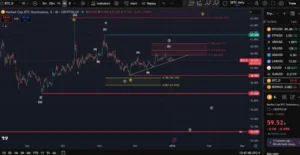
The legislative activity in Montana comes at a time when the cryptocurrency market is showing signs of resilience following the "crypto winter" of 2022. Bitcoin, which reached an all-time high of approximately $69,000 in November 2021, experienced a significant retracement throughout the following year. However, as of early 2023, the asset has demonstrated a steady recovery. At the time of the bill’s passage, Bitcoin was trading near the $23,887 mark, representing a 1% increase in a 24-hour period.
This market stability is being bolstered by increasing institutional interest and real-world utility. For example, in January 2023, the digital wallet provider Strike announced a pilot integration with Clover, a major point-of-sale (POS) giant. This integration allows merchants to accept Bitcoin payments via the Lightning Network, a "Layer 2" scaling solution that enables near-instant and low-cost transactions. Such developments highlight the growing demand for the very payment protections that Montana’s new bill seeks to provide.
Economic and Strategic Implications for Montana
For Montana, the passage of Senate Bill 178 is a strategic economic move. The state possesses vast energy resources and a climate that is naturally conducive to the cooling requirements of large-scale data centers. By providing legal certainty, Montana is positioning itself to attract capital investment from mining firms that might otherwise look to more regulated or unfriendly jurisdictions.

Economists suggest that the growth of the mining industry in rural states can lead to job creation in the technology and electrical engineering sectors. Furthermore, the classification of digital assets as personal property provides a robust legal foundation for the burgeoning NFT market and decentralized finance (DeFi) sectors. As digital assets become more integrated into the broader financial system, states that have established clear property rights will likely have a competitive advantage in attracting fintech startups and investors.
The Path to Law
Despite the successful vote in the Senate, the bill still faces several hurdles. It must now pass through the Montana House of Representatives, where it will undergo further debate and potential amendments. If approved by the House, the final step will be a signature from Governor Greg Gianforte. While the Governor’s stance on this specific bill has not been explicitly stated, his administration has generally been supportive of business-friendly policies and technological growth.
Opponents of the bill typically cite environmental concerns, arguing that the state should prioritize energy for traditional industries and residential use. However, proponents argue that the bill does not exempt miners from environmental regulations; rather, it ensures they are treated fairly under existing laws. They contend that by protecting the "right to mine," Montana is defending the fundamental principles of a free market and technological neutrality.
Conclusion: A New Frontier for Digital Rights
The passage of Senate Bill 178 in the Montana Senate represents a significant milestone in the ongoing effort to integrate cryptocurrency into the American legal and economic fabric. By moving to protect miners, eliminate discriminatory taxes, and define digital assets as personal property, Montana is setting a precedent that other states may soon follow.
As the federal government continues to debate the overarching regulatory framework for the crypto industry, the actions of states like Montana and Mississippi are creating a "bottom-up" approach to regulation. This state-level protection provides a necessary buffer for the industry, ensuring that the United States remains a viable home for the decentralized technologies that are poised to redefine global finance. Whether this bill ultimately becomes law or serves as a template for future legislation, it has already succeeded in elevating the conversation regarding the digital rights of citizens and the economic potential of the blockchain era.