


A wave of alarming notifications concerning NordVPN login attempts, suspicious account activity, and urgent password reset warnings engulfed the social media platform X (formerly Twitter) earlier today, sparking widespread panic among users. The sudden deluge of alerts, predominantly referencing NordVPN’s "Dark Web Monitor" feature, led many to mistakenly believe that the popular virtual private network (VPN) provider itself had suffered a significant data breach. Within the space of an hour, timelines were transformed into a wall of anxious posts, with users expressing fear and frustration, many swearing they had just been "hacked."
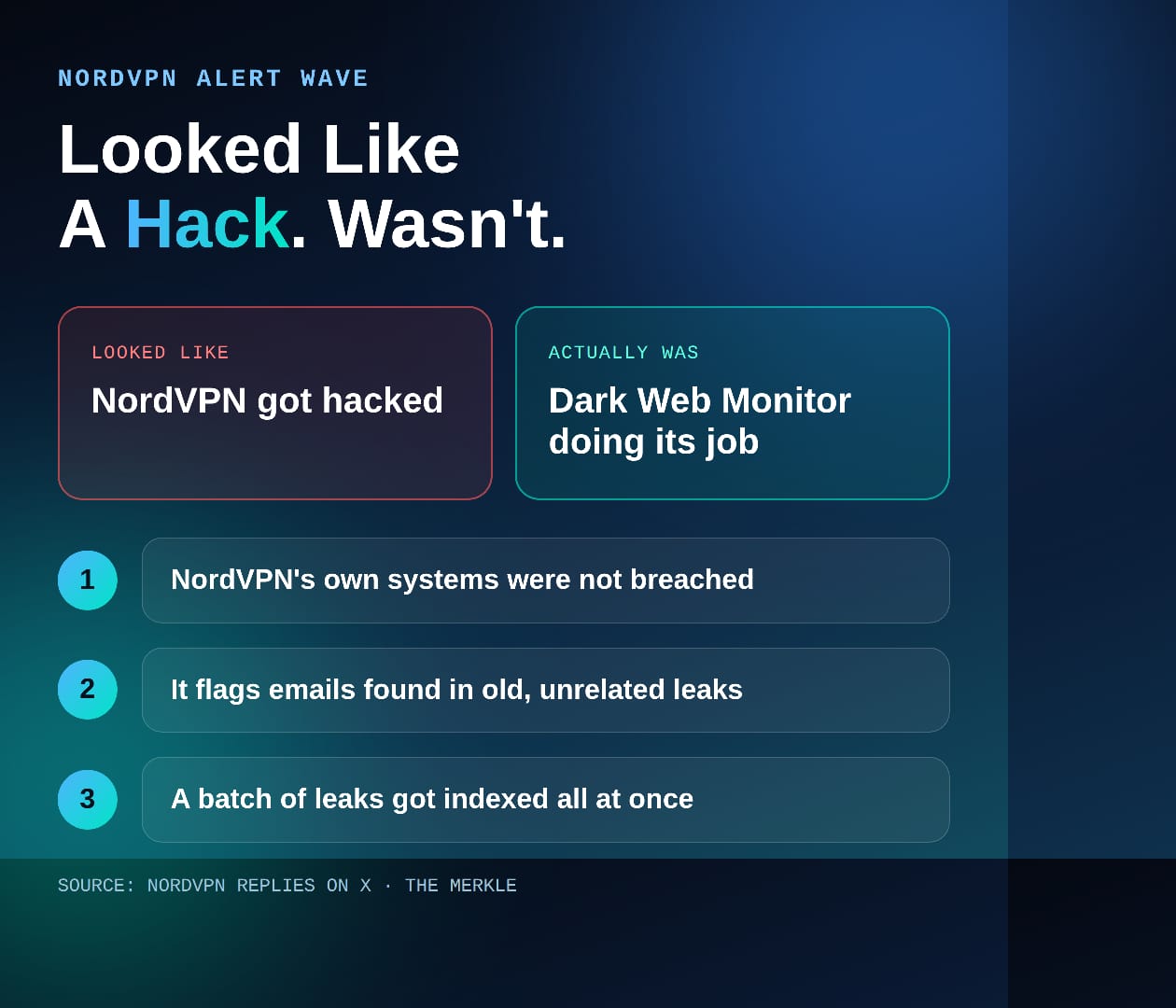
The initial confusion stemmed from the sheer volume and simultaneous nature of the alerts. For many, the sight of a security company’s name attached to thousands of warnings instantly conjured images of a large-scale corporate hack. This immediate assumption, while understandable given the context, proved to be a critical misinterpretation of the situation. NordVPN quickly moved to address the burgeoning crisis, clarifying that its services remained secure and that the alerts were, in fact, an indication that its Dark Web Monitor feature was operating precisely as designed. The underlying issue was not a breach of NordVPN’s infrastructure but rather the detection of a massive compilation of user data, including email addresses and passwords, exposed in unrelated third-party data leaks now circulating on the dark web.
The Unfolding Panic on X: A Digital Firestorm
The digital landscape of X became a crucible of concern as users began reporting identical experiences. Early morning reports quickly escalated into a torrent of posts detailing unexpected notifications: "Suspicious login attempt detected," "Your password may have been compromised," and direct prompts to reset passwords. Crucially, almost every report cited NordVPN’s Dark Web Monitor as the source of the alert. This consistent thread, coupled with the rapid dissemination characteristic of social media, amplified the sense of an unfolding catastrophe. Screenshots of the alerts, accompanied by urgent pleas for information and expressions of shock, flooded feeds, creating a self-reinforcing cycle of alarm.
The speed at which the panic spread underscored the inherent vulnerabilities of online communication during a perceived security incident. Without immediate, comprehensive context, users defaulted to the most alarming interpretation: a direct breach of their trusted VPN provider. This instinct is deeply ingrained in the digital age, where high-profile data breaches are an unfortunately common occurrence. The phenomenon highlights how rapidly misinformation, even well-intentioned, can propagate in the absence of clear, authoritative information, turning individual concern into collective panic. The very tool designed to protect users inadvertently became the catalyst for widespread alarm due to a misunderstanding of its operational mechanics.
NordVPN’s Official Stance: Clarifying the Misconception
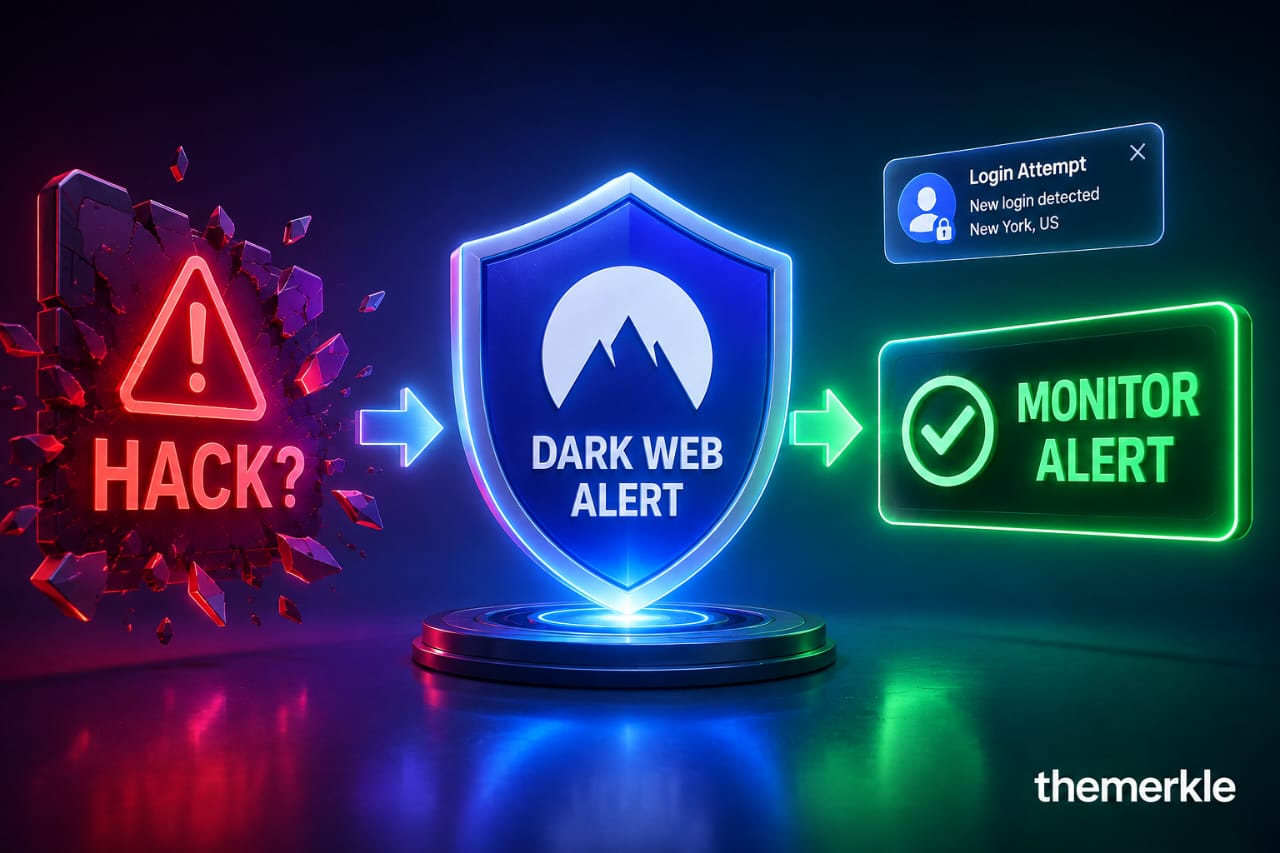
As the digital firestorm intensified, NordVPN’s official support channels on X became a focal point for user inquiries. The company maintained a consistent and reassuring message across its numerous replies: NordVPN’s systems had not been breached. Instead, the alerts were generated by its Dark Web Monitor feature, which actively scans the dark web for signs of exposed user information. In a series of direct responses, NordVPN explained that the notifications signaled that a user’s registered email address or other associated data had been identified in a third-party data leak, not that their NordVPN account itself had been compromised.
This clarification is paramount. The Dark Web Monitor functions as a proactive security layer, continuously checking email addresses and other specified digital assets against databases of leaked credentials found on illicit online marketplaces and forums. When a match is found, indicating that a user’s information has appeared in a breach originating from another service or platform, the system triggers an alert. This proactive detection allows users to take immediate steps to secure their accounts before malicious actors can exploit the exposed data. The company’s steadfast explanation, consistent across multiple interactions, gradually began to cut through the initial panic, offering a more nuanced and accurate understanding of the situation.
The "Five Million" Revelation: Understanding the Scale of Exposure
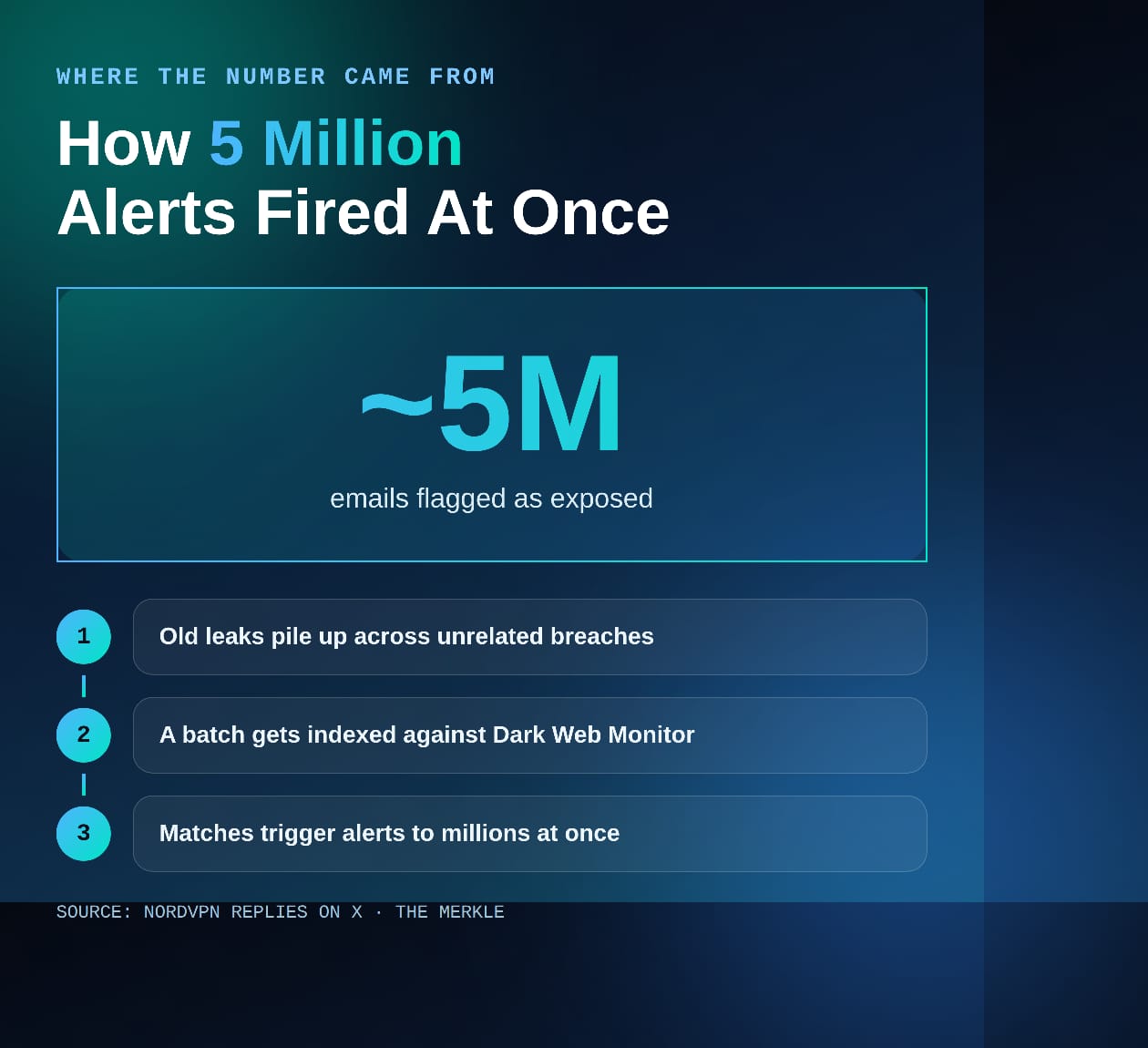
The scale of the alerts was driven by a staggering figure: NordVPN reported that approximately 5 million email addresses were identified as exposed. This number, when presented without context, understandably fueled the misconception of a fresh, massive breach directly impacting NordVPN users. However, the company’s clarification revealed that these 5 million email addresses were not sourced from a single, new NordVPN-specific breach. Instead, they represented a compilation of credentials from various, often older and unrelated, data breaches originating from countless other online services.
What likely occurred was a large batch of previously leaked data, aggregated from various sources over time, was newly indexed or processed by NordVPN’s Dark Web Monitor database. This simultaneous cross-referencing against its user base triggered a mass wave of alerts, impacting millions of users concurrently. Such compilations of exposed credentials are a common commodity on the dark web, often traded and sold in bulk by cybercriminals. These datasets typically contain email addresses paired with passwords, which are then used for credential-stuffing attacks. The sheer volume of this newly processed data, rather than a singular incident, was the primary driver behind the widespread, simultaneous notifications. This distinction is crucial for understanding the true nature of the threat and formulating an appropriate response. It highlights the pervasive nature of data breaches across the digital ecosystem, where a single user’s information can be exposed multiple times through various compromises of different online services.
The Mechanics of Dark Web Monitoring: A Proactive Defense
To fully grasp the recent event, it’s essential to understand the intricate workings of dark web monitoring services like NordVPN’s. These tools are designed as an early warning system in the relentless battle against cybercrime. They operate by continuously scanning vast swathes of the dark web, including illicit forums, paste sites, and underground marketplaces where stolen data is bought, sold, and shared. Their objective is to identify instances where personal information – primarily email addresses, passwords, and sometimes more sensitive data – appears in compromised datasets.
These monitoring services do not "hack" anything; rather, they passively observe and collect publicly available (though illicitly obtained) data. They then cross-reference this collected data against the email addresses and other assets that users have chosen to monitor. When a match is found, an alert is triggered, notifying the user that their information has been exposed in a third-party breach. This proactive approach aims to empower users to take defensive measures, such as changing passwords, enabling two-factor authentication (2FA), and reviewing account activity, before their exposed data can be fully exploited by malicious actors. In essence, the Dark Web Monitor acted precisely as intended, detecting a significant compilation of existing compromised data and issuing timely warnings to affected users.
Why the Alerts Are Still Critical: Beyond the Misconception
Despite the initial misunderstanding regarding a direct NordVPN breach, the underlying alerts remain critically important and should not be dismissed. The fact that 5 million email addresses, many undoubtedly linked to active accounts, appeared in dark web compilations signifies a real and immediate threat to digital security. The primary danger stems from a pervasive cyberattack technique known as "credential stuffing."
Credential stuffing attacks leverage databases of leaked email-and-password combinations, often compiled from numerous past data breaches. Attackers automate processes to try these leaked credentials across a wide array of popular online services, banking on the common user practice of reusing passwords across multiple accounts. If a user has an email address and password exposed in a leak from, say, an old forum, and they reuse that same password for their social media, banking, or email accounts, attackers can easily gain unauthorized access. The wave of suspicious login attempts and unsolicited password reset prompts reported on X today is a direct consequence of such credential-stuffing campaigns, initiated by malicious actors attempting to exploit the newly identified exposed data. Even if your NordVPN account itself is secure, your digital identity across other platforms could be at risk if the email and password combination is compromised elsewhere.
The Anatomy of a Credential Stuffing Attack
To elaborate on the threat, consider the lifecycle of a typical credential stuffing attack. It begins with data breaches, which are regrettably frequent occurrences impacting companies of all sizes. These breaches result in databases containing millions of usernames (often email addresses) and corresponding passwords. Once these datasets are available on the dark web, cybercriminals acquire them. They then employ specialized software tools that automate the process of testing these leaked credential pairs against login portals of popular websites and services.
The efficacy of credential stuffing hinges on password reuse. Studies consistently show that a significant percentage of internet users reuse passwords, either entirely or with minor variations, across multiple accounts. This human tendency creates a vast attack surface. When a leaked credential pair from one service works on another, attackers gain unauthorized access, which can lead to various forms of exploitation:
- Account Takeover: Full control of the compromised account.
- Financial Fraud: Access to banking, e-commerce, or cryptocurrency accounts.
- Identity Theft: Harvesting personal information for broader identity fraud.
- Phishing Campaigns: Using the compromised account to send malicious emails to contacts.
- Further Data Exfiltration: Accessing more sensitive data stored within the account.
The automation involved means that millions of attempts can be made in a short period, overwhelming security systems not specifically designed to detect such distributed attacks. The recent NordVPN alerts served as an early warning that users’ credentials were prime targets for such campaigns, underscoring the critical need for immediate defensive action.
Navigating the Aftermath: User Actions and Best Practices
In the wake of such widespread alerts, a clear, actionable strategy for users is paramount. The initial panic, while understandable, must give way to informed and decisive action. The most critical step is to treat every Dark Web Monitor alert as a genuine indication of exposure, even if it’s from a third-party source.
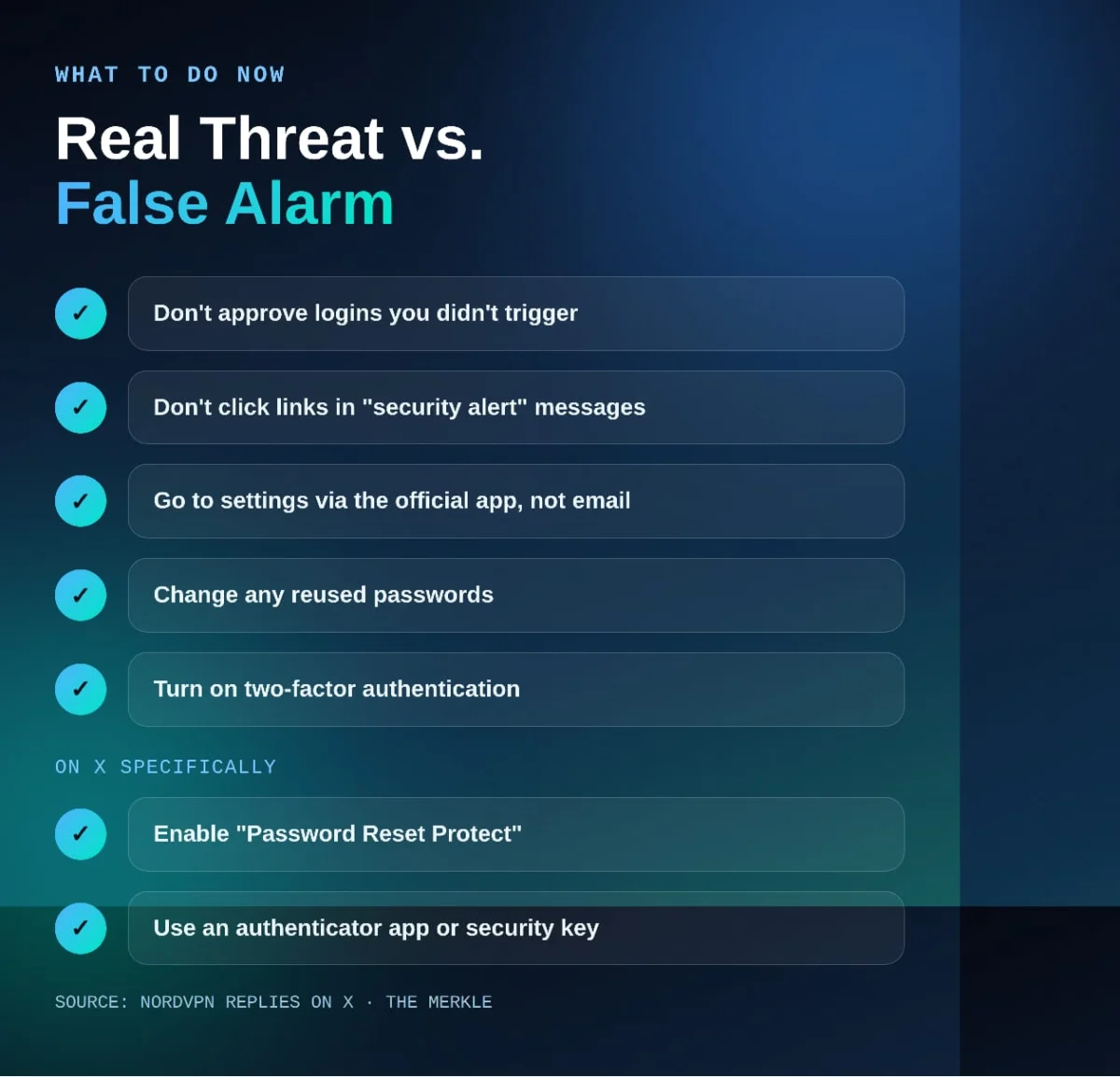
- Immediate Password Changes: For any email address flagged by the Dark Web Monitor, immediately change the password for that email account. More importantly, identify and change passwords for any other online service where that email address was used with the same or a similar password. Prioritize critical accounts such as banking, email, social media, and any services storing sensitive personal or financial information.
- Enable Two-Factor Authentication (2FA): This is arguably the single most effective security measure against credential stuffing. Even if an attacker obtains your password, 2FA requires a second verification step (e.g., a code from an authenticator app, a physical security key, or an SMS code) to log in. While SMS 2FA is better than none, authenticator apps (like Google Authenticator, Authy) or hardware security keys (like YubiKey) offer superior protection.
- Beware of Phishing Scams: Moments of widespread security concern are ripe for exploitation by scammers. Malicious actors frequently send fake "security alert" emails or messages, often mimicking legitimate brands like NordVPN, urging users to click on malicious links or provide login credentials. Always navigate directly to official websites or use official apps to manage your accounts and change passwords, rather than clicking links in unsolicited communications.
- Use Unique, Strong Passwords: The incident serves as a stark reminder of the importance of using unique, complex passwords for every online account. A password manager can significantly aid in generating, storing, and managing these unique passwords securely.
- Review Account Activity: Regularly check your account activity logs for any unusual logins or changes, especially for email and financial accounts.
- "Password Reset Protect" on X: For users experiencing a flood of unsolicited password reset emails on X, enabling the "Password Reset Protect" feature within X’s security settings is highly recommended. This feature adds an extra layer of verification to prevent unauthorized password resets.
Broader Implications for Digital Security
The NordVPN incident, though ultimately a demonstration of a security tool working as intended, serves as a powerful reminder of the persistent and evolving challenges in digital security. Data leaks are not isolated events; they contribute to a vast, interconnected web of compromised information that can resurface years later. The "old, unrelated breaches" mentioned in the original article are a testament to the long shelf-life of stolen data and the enduring threat they pose.
This event underscores several broader implications for individuals, cybersecurity companies, and the digital ecosystem at large:
- The Need for Constant Vigilance: Users cannot afford complacency. Proactive measures like dark web monitoring, strong password hygiene, and 2FA are no longer optional but essential.
- The Role of Security Tools: While they can sometimes cause temporary confusion, tools like Dark Web Monitors are vital in alerting users to dangers they might otherwise remain unaware of. Their effectiveness hinges on user understanding and appropriate response.
- Cybersecurity Education: There’s an ongoing need for clearer communication from security providers and broader education for the public about common cyber threats, how security tools work, and how to react to various alerts.
- The Interconnectedness of Threats: A breach in one service can have ripple effects across a user’s entire digital life if security best practices are not followed.
In conclusion, the recent wave of NordVPN Dark Web Monitor alerts was a significant event, not because NordVPN was hacked, but because it exposed the sheer volume of user credentials currently circulating on the dark web from myriad third-party breaches. It was a potent, if initially confusing, wake-up call for millions, highlighting the critical importance of robust personal cybersecurity practices in an increasingly interconnected and vulnerable digital world. The panic may have subsided, but the underlying threat remains, demanding continued vigilance and proactive measures from every internet user.














