


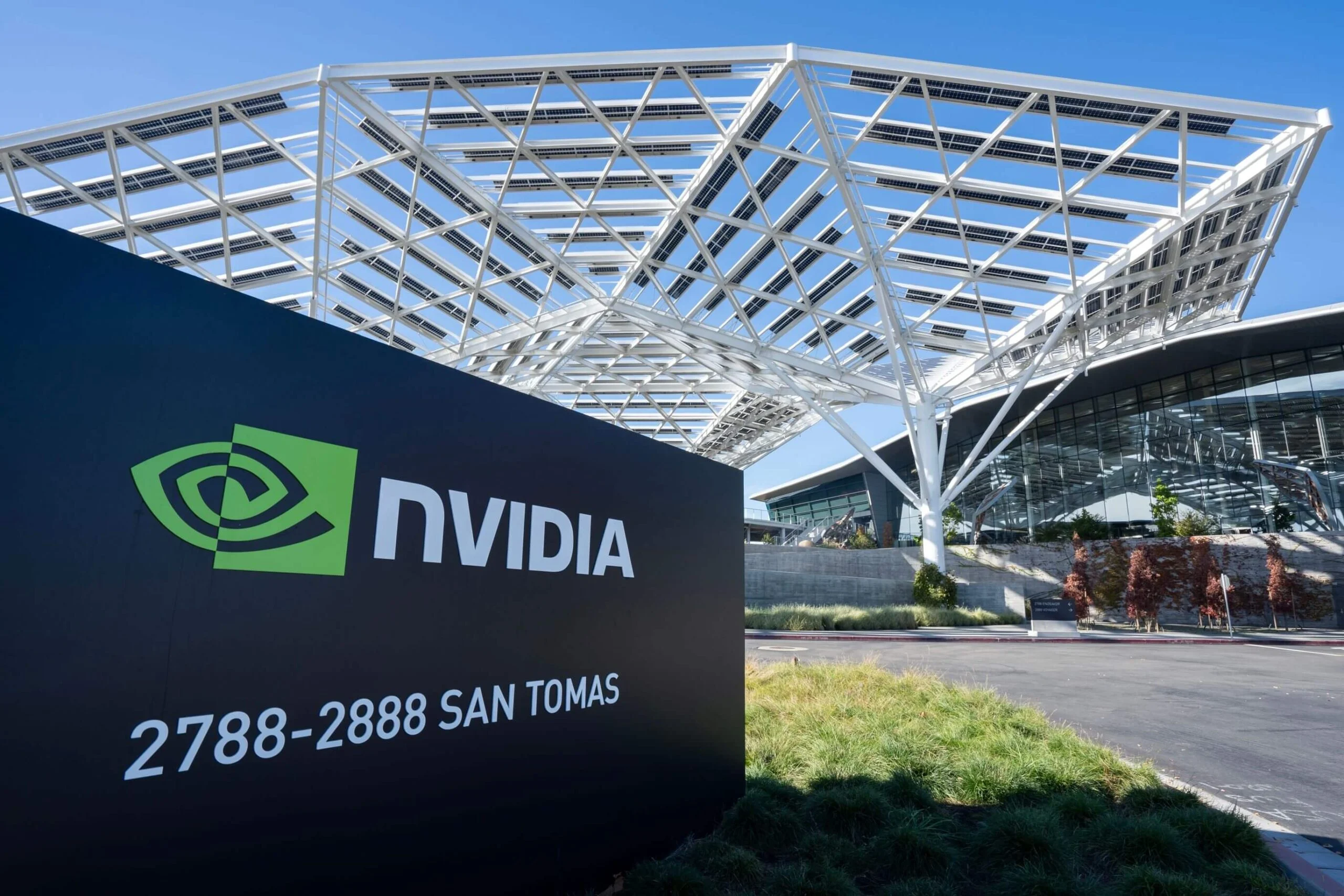
Indonesia is poised to become a significant hub for artificial intelligence (AI) infrastructure in Southeast Asia, following a landmark financing deal that will see Zankore deploy a substantial Nvidia-powered GPU and cloud ecosystem. The company has successfully secured up to $3.1 billion in debt financing, earmarked for the development of cutting-edge AI factory infrastructure, with an initial phase targeting 100 megawatts (MW) of capacity, ultimately scaling to an ambitious one gigawatt (GW). This strategic expansion comes as Nvidia (NVDA) stock traded at $224.34, reflecting a modest dip of 0.62% in recent trading, while the company continues to solidify its global infrastructure footprint.
The Strategic Imperative: Fueling Indonesia’s Digital Ambitions
The deployment of such a large-scale AI infrastructure project underscores the burgeoning demand for high-performance computing necessary to power the next generation of AI applications. Indonesia, with its vast population of over 280 million and rapidly expanding digital economy, represents a critical market for technological advancement in Southeast Asia. The nation’s digital economy is projected to reach an impressive $330 billion by 2030, driven by robust growth in e-commerce, fintech, and digital services. However, this growth is heavily reliant on robust underlying infrastructure, particularly for advanced technologies like AI.
Currently, much of Indonesia’s digital infrastructure relies on a mix of local and international data centers. The Zankore project, with its focus on Nvidia’s specialized GPUs, represents a significant leap forward, providing the localized, high-density computing power essential for training complex AI models, running sophisticated simulations, and accelerating AI-driven innovation across various sectors. This investment aligns with the Indonesian government’s vision to transform the country into a regional digital powerhouse, fostering local talent and reducing dependence on foreign cloud providers for critical AI workloads.
Zankore’s Vision: Building an AI Factory
Zankore, positioning itself as a key player in the regional AI infrastructure landscape, aims to establish what it terms an "AI factory" in Indonesia. The initial 100 MW deployment signifies a substantial starting point. To put this into perspective, a single megawatt of modern data center capacity can house hundreds, if not thousands, of high-performance GPUs, depending on their power requirements and cooling solutions. Scaling this to one gigawatt – equivalent to 1,000 megawatts – represents an immense computational capacity, capable of supporting a wide array of AI development, from large language models (LLMs) and generative AI applications to scientific research, drug discovery, and advanced analytics.
This phased approach, beginning with 100 MW and escalating to 1 GW, suggests a strategic build-out designed to meet growing demand and demonstrate operational capabilities. The infrastructure will not merely house GPUs but will encompass a complete ecosystem, including high-speed interconnects, specialized cooling systems, robust power delivery, and potentially software stacks like Nvidia’s CUDA platform, which is critical for developers to leverage the full power of Nvidia’s hardware. Zankore’s plan highlights a comprehensive vision to provide not just hardware, but a full-fledged environment conducive to advanced AI development and deployment.
A Landmark Financing Model for AI Infrastructure
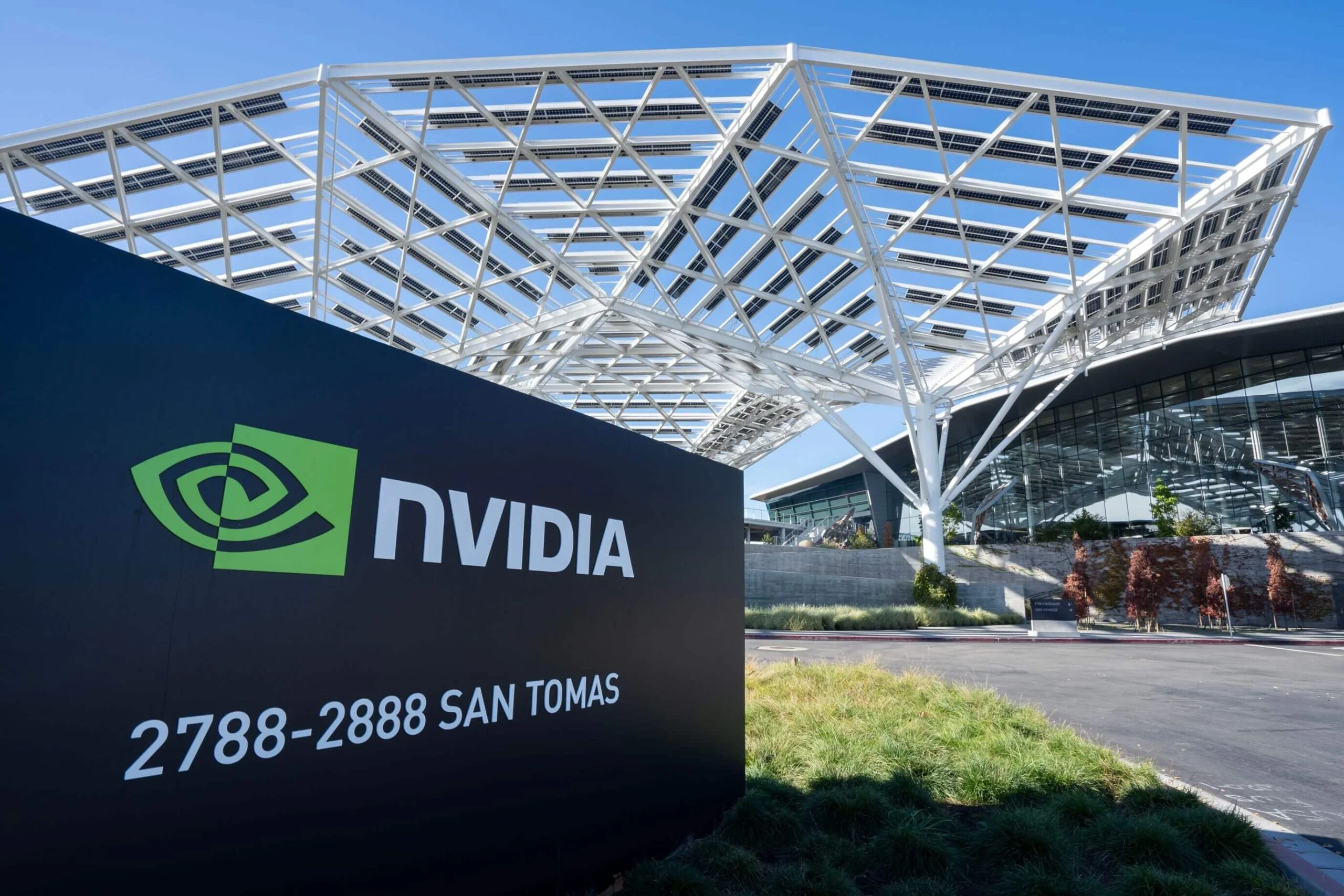
The $3.1 billion debt financing package is a testament to the strong investor confidence in the long-term growth trajectory of AI and the critical need for specialized infrastructure. This arrangement distinguishes itself from traditional venture capital or equity financing often associated with tech startups. Instead, it leverages a structured debt model, indicative of the perceived stability and revenue-generating potential of AI infrastructure as an asset class.
Citi acted as the exclusive debt adviser for Zankore, playing a pivotal role in structuring the complex financial arrangement. The consortium of lenders includes prominent global and regional financial institutions: ING, Natixis, Qatar National Bank (QNB), and United Overseas Bank (UOB). Their participation underscores a shared belief in the project’s viability and the strategic importance of AI infrastructure in emerging markets.
A crucial element of this financing framework involves revenue-sharing and credit-support arrangements directly linked to customer demand. This innovative structure mitigates risk for the lenders by tying infrastructure deployment and investment to anticipated or actual revenue generated through project operations. This implies that Zankore has either secured significant pre-commitments from future clients or has demonstrated a robust pipeline of demand for its AI computing services, ensuring a stable revenue stream to service the debt. This model could serve as a blueprint for future large-scale AI infrastructure projects, particularly in regions where traditional financing might be more challenging to secure.
Nvidia’s Expanding Global Footprint and Ecosystem Diversification
For Nvidia, this collaboration with Zankore represents a strategic move to further diversify its infrastructure business beyond its traditional client base of major technology companies and hyperscale cloud providers like Amazon Web Services, Microsoft Azure, and Google Cloud. While these giants remain Nvidia’s primary customers, initiatives like the Zankore project enable Nvidia to penetrate new markets and foster AI development in regions where direct investment by hyperscalers might be slower or less comprehensive.
Nvidia’s CEO, Jensen Huang, has consistently emphasized the company’s role in building the "AI factories" of the future. The Zankore project perfectly aligns with this vision, showcasing how Nvidia’s powerful GPUs and software ecosystem can be deployed through regional partners to accelerate AI adoption globally. This partnership model allows Nvidia to extend its reach into critical emerging economies like Indonesia, providing the foundational computing power necessary for local innovation and digital transformation. It solidifies Nvidia’s position not just as a chip manufacturer, but as the architect of the global AI computing infrastructure.
Inferred Statements and Reactions:
While official statements are yet to be widely released, the significance of this deal allows for logical inference of reactions from key stakeholders:
A hypothetical statement from Zankore’s CEO might emphasize: "This monumental financing is a game-changer for Indonesia’s digital future. Our partnership with Nvidia and the robust support from our esteemed lenders enable us to build a world-class AI factory that will empower Indonesian enterprises, researchers, and startups to innovate at an unprecedented scale. We are not just deploying infrastructure; we are laying the groundwork for a new era of AI-driven economic growth and technological sovereignty in the region."
An Nvidia executive could potentially comment: "Nvidia is committed to democratizing access to AI computing worldwide. Our collaboration with Zankore in Indonesia is a prime example of how we are partnering with visionary companies to deploy critical AI infrastructure in rapidly growing markets. This project underscores the universal demand for accelerated computing and will unlock immense potential for AI innovation across Southeast Asia, contributing significantly to Indonesia’s digital transformation agenda."
A representative from Citi, as the exclusive debt adviser, might state: "We are incredibly proud to have advised Zankore on this landmark financing. The successful syndication among leading global and regional banks reflects strong investor confidence in Zankore’s strategic vision and the robust economic fundamentals driving AI infrastructure demand. This innovative financing structure, linking deployment to customer demand, sets a new precedent for large-scale technology investments in the region."
Furthermore, an Indonesian government official, perhaps from the Ministry of Communications and Informatics or the Ministry of National Development Planning, would likely welcome the investment: "Indonesia warmly embraces this significant investment in our digital infrastructure. Zankore’s AI factory, powered by Nvidia, will be instrumental in accelerating our national AI strategy, fostering digital talent, and positioning Indonesia as a leader in the global digital economy. This project is a testament to the attractive investment climate in Indonesia and our commitment to leveraging advanced technologies for sustainable development."
Broader Impact and Implications
The Zankore-Nvidia collaboration carries profound implications for several fronts:
- For Indonesia and Southeast Asia: The project is a critical enabler for accelerating AI adoption across various industries, from e-commerce and logistics to healthcare and smart cities. It will foster a vibrant AI ecosystem, attracting talent, stimulating research, and potentially spurring the growth of local AI startups. Having localized high-performance computing reduces latency and can address data sovereignty concerns, making it more appealing for sensitive government or industry data processing.
- For Nvidia’s Market Strategy: It validates Nvidia’s strategy of expanding its ecosystem through diverse partnerships, especially in emerging markets with high growth potential. It demonstrates that demand for Nvidia’s specialized hardware extends beyond the traditional hyperscalers and can be financed through innovative debt structures. This model could be replicated in other regions.
- For the AI Infrastructure Market: The $3.1 billion debt financing deal sets a precedent for how large-scale AI infrastructure can be funded. It signals to the broader financial community that AI computing facilities are viable, investable assets, potentially opening new avenues for capital deployment in the rapidly evolving AI sector. The revenue-sharing and credit-support mechanisms highlight a maturing market where financial engineering is adapting to the unique characteristics of AI asset deployment.
- Economic Impact: Beyond technological advancement, the project is expected to create numerous high-skilled jobs in data center operations, AI engineering, and related support services. It represents a substantial foreign direct investment (FDI) that will contribute to Indonesia’s GDP and strengthen its position in the global technology value chain.
Nvidia Stock Context and Future Outlook
While the news of the Zankore financing is a significant long-term positive for Nvidia’s growth trajectory, its immediate impact on NVDA stock performance was relatively muted, with shares trading down 0.62% at $224.34. This often occurs with strategic infrastructure announcements, as their benefits accrue over years rather than immediately translating into short-term earnings surges. Investors often evaluate such news within the broader context of market sentiment, macroeconomic factors, and the company’s quarterly performance.
From a technical analysis perspective, Nvidia shares have recently struggled to maintain positions above the $225.50 resistance zone. Holding above this level would signal renewed bullish momentum. Conversely, key support levels are identified at $224.00 and $223.50. The current price action suggests a period of consolidation, possibly influenced by profit-taking after significant gains or broader market uncertainties, rather than a direct negative reaction to the Indonesia expansion. Over the long term, strategic expansions like the Zankore project are crucial for sustaining Nvidia’s market leadership and driving future revenue growth as AI adoption continues its exponential rise globally.
The securing of funding and the clear milestones for deployment — an initial 100 MW capacity with a target of one GW — provide a robust framework for the Indonesia project’s progression. With five prominent lenders backing the venture, Zankore is now well-capitalized to move forward with the development of this critical Nvidia-powered GPU and cloud infrastructure, marking a pivotal moment for AI in Southeast Asia.














