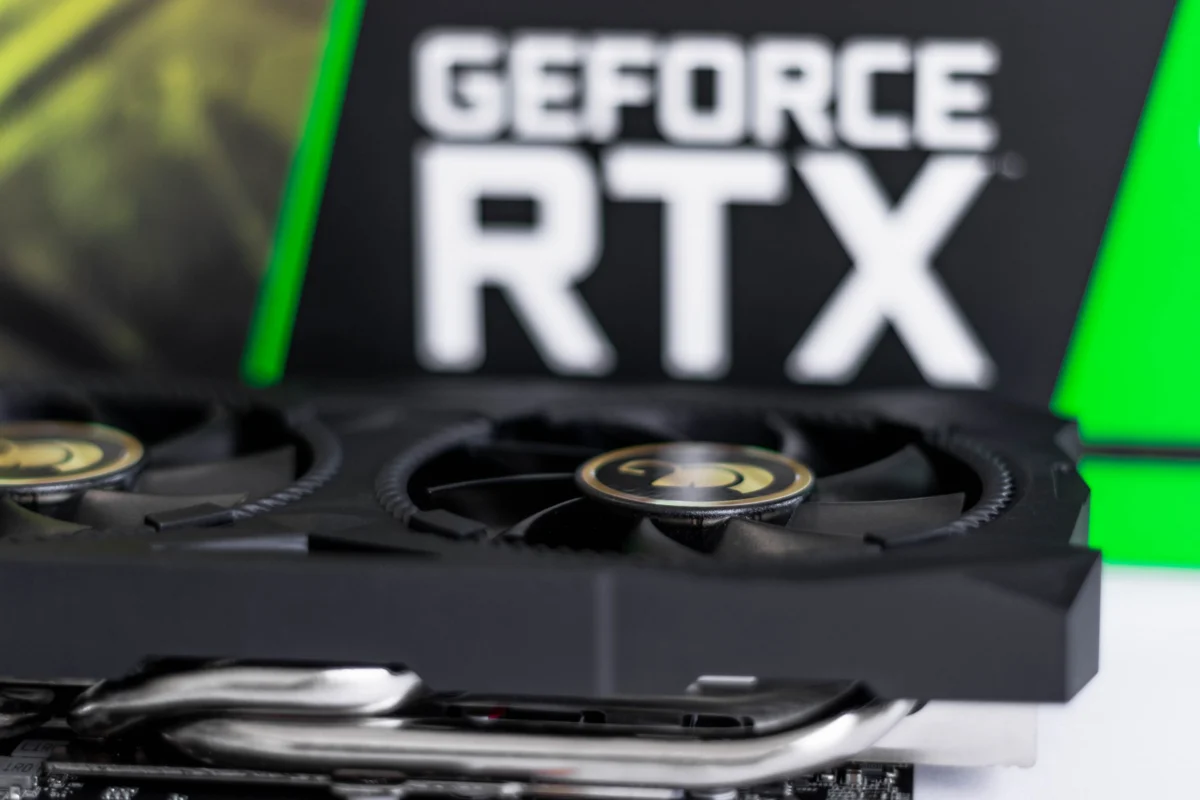
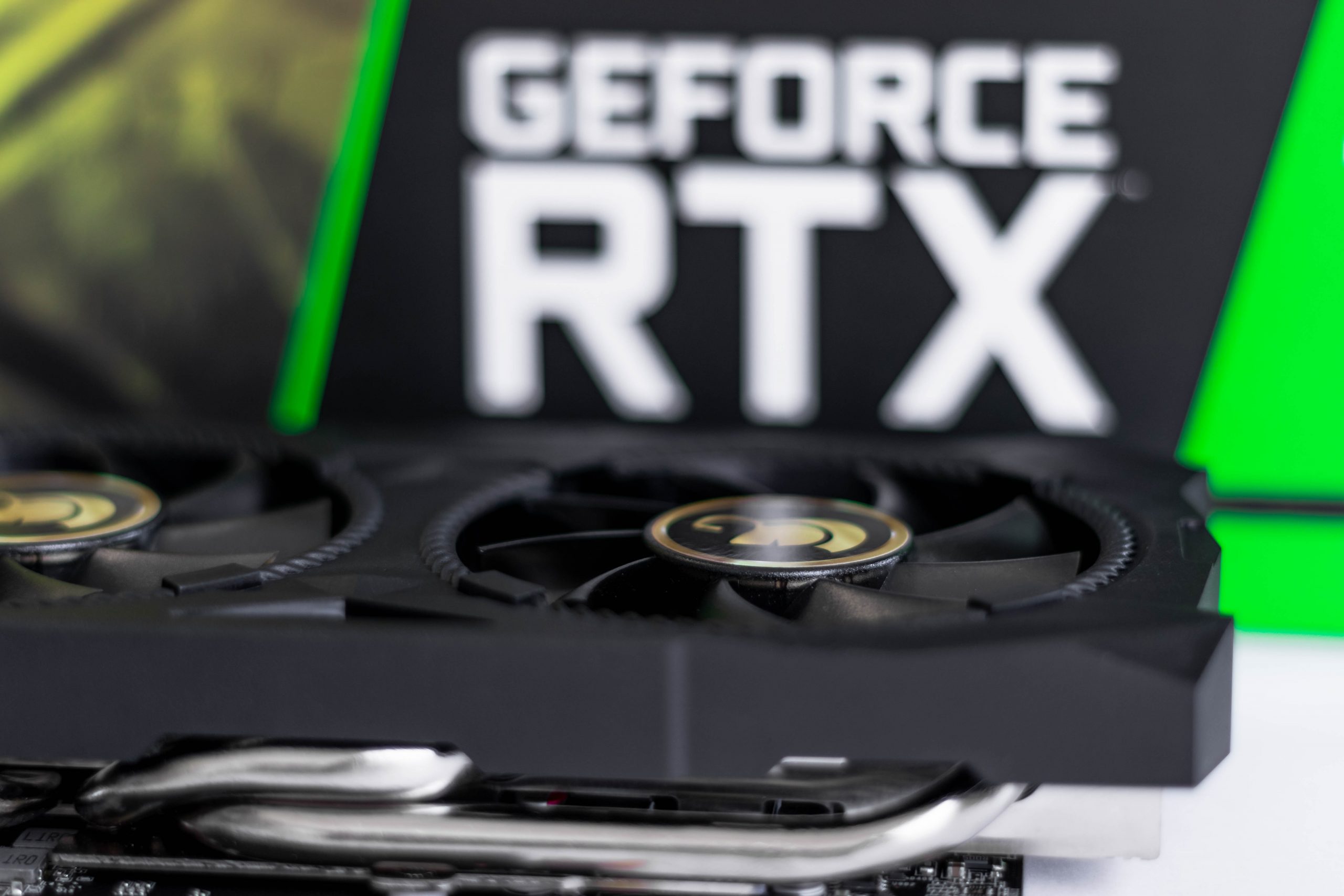
The secondary market for high-end graphics processing units (GPUs) in China is currently experiencing a massive influx of inventory as cryptocurrency miners begin a fire sale of their hardware. Following a series of escalating regulatory pressures from Beijing, the market has seen Nvidia RTX 3060 cards listed for as low as $270. This price point represents a significant correction from the inflated values seen during the height of the recent mining boom, signaling a dramatic shift in the global hardware supply chain and the domestic digital asset landscape.
As the Chinese government intensifies its efforts to eliminate domestic Bitcoin mining operations, the resulting exodus of miners has created a surplus of used equipment. This liquidation includes thousands of units from both Nvidia and AMD, ranging from the latest Ampere and RDNA2 architectures to legacy cards from the Pascal and Polaris generations. The sudden availability of these components is a direct consequence of a nationwide policy shift that has rendered large-scale mining unviable within Chinese borders.
The Catalyst: China’s Systematic Mining Prohibition
The current market saturation is the direct result of a multi-phased crackdown by Chinese authorities. In mid-2021, the State Council’s Financial Stability and Development Committee, led by Vice Premier Liu He, announced a formal intent to crack down on Bitcoin mining and trading activities. The primary drivers behind this decision were cited as financial risk mitigation and the pursuit of national carbon neutrality goals.
Following the central government’s directive, major mining hubs including Xinjiang, Inner Mongolia, and Sichuan—which previously accounted for a significant portion of the global hash rate—ordered mining facilities to shut down immediately. Local power grids were instructed to cease electricity supply to suspected mining farms. This left domestic miners with two choices: relocate their operations to more favorable jurisdictions like Kazakhstan, Russia, or North America, or liquidate their hardware assets to recoup capital. For many small-to-medium-scale operators, the logistical costs and geopolitical risks of relocation proved prohibitive, leading to the current flood of second-hand GPUs.
Market Data and Pricing Trends
The impact on pricing has been immediate and severe. On popular Chinese second-hand trading platforms such as Xianyu (Alibaba’s used goods marketplace), listings for Nvidia’s GeForce RTX 30-series have plummeted.
Detailed pricing reports indicate the following trends:
- Nvidia RTX 3060: Spotted at prices as low as $270 (approx. 1,760 RMB), significantly below its original global MSRP of $329.
- Nvidia RTX 3060 Ti: Listed for approximately $350.
- Nvidia RTX 3070: Units are moving for roughly $400, a fraction of their previous scalper-influenced market highs which often exceeded $1,000.
- Mining Laptops: In a more unusual move, some miners are selling laptops equipped with RTX 3060 GPUs for around $1,000 per unit. These machines were often utilized in makeshift mining racks when desktop GPUs were unavailable.
Despite these attractive price points, the movement of stock is not instantaneous. A critical barrier for the average consumer is the "bulk-only" nature of these sales. Most liquidating miners are seeking to offload their inventory in batches of 100 to 200 units. This suggests that the current buyers are likely smaller distributors, internet cafe owners, or secondary resellers rather than individual gamers.
Technical Risks and the "Mining Card" Stigma
While the low prices are enticing, industry experts warn of the inherent risks associated with purchasing ex-mining hardware. Graphics cards used in professional mining operations are typically subjected to 24/7 operation under high thermal loads. While many professional miners undervolt the GPU core to save energy, they simultaneously overclock the Video Random Access Memory (VRAM) to maximize hash rates.
This prolonged stress can lead to:

- VRAM Degradation: Constant high-frequency operation can wear out memory modules, leading to artifacts or system instability.
- Fan Failure: Cooling fans are mechanical components with finite lifespans; 24/7 operation significantly accelerates their failure rate.
- Thermal Pad/Paste Drying: High sustained temperatures can dry out thermal interfaces, requiring the user to perform manual maintenance to prevent overheating.
Furthermore, these cards are often sold without original packaging or manufacturer warranties, as many brands have explicitly stated that mining use voids standard consumer protection policies. This lack of recourse has contributed to a cautious sentiment among retail buyers, further depressing prices on the used market.
Global Supply Chain Implications
The liquidation in China is occurring alongside a broader easing of the global GPU shortage. Markets in Europe, specifically Germany and Austria, have reported price drops of up to 40% in recent months. Several factors are contributing to this cooling effect:
- LHR (Lite Hash Rate) Technology: Nvidia’s introduction of hash rate limiters on new cards has made them less attractive to miners, ensuring more stock reaches the gaming community.
- Increased Production: Semiconductor manufacturers have slowly begun to catch up with the backlog of orders created by the COVID-19 pandemic.
- Ethereum’s Transition: The impending shift of the Ethereum network from Proof-of-Work (PoW) to Proof-of-Stake (PoS)—commonly referred to as "The Merge"—will eliminate the need for GPU mining on the world’s most profitable altcoin network. Nvidia CEO Jensen Huang noted during the E3 2021 period that this transition would likely improve availability for the core gaming demographic.
Economic Shift: From Decentralized Crypto to the Digital Yuan
The suppression of the mining industry in China is not merely a regulatory hurdle but part of a larger strategic pivot toward state-sanctioned digital currency. As the "mining void" expands, the People’s Bank of China (PBOC) has accelerated the rollout of the Digital Yuan (e-CNY).
By removing decentralized competitors like Bitcoin, the Chinese government is clearing the path for its Central Bank Digital Currency (CBDC), which offers the state unparalleled transparency and control over the domestic monetary supply. This transition suggests that the mining crackdown is a permanent structural change rather than a temporary cooling period, reinforcing the likelihood that the dumped GPUs will not be returning to Chinese server racks anytime soon.
Cryptocurrency Market Context
The hardware liquidation is mirrored by a period of volatility and stagnation in the cryptocurrency markets. At the time of reporting, Bitcoin (BTC) is trading at approximately $33,000, representing a modest 2% gain over a 24-hour period but a slight decline on the weekly chart.

Technical analysis shows that Bitcoin has struggled to breach the $35,000 resistance level, remaining stuck in a range-bound pattern. The loss of China’s mining power—which once accounted for over 60% of the global hash rate—caused a temporary drop in network difficulty, though the hash rate has begun to recover as operations migrate to the United States and Central Asia. This "hash rate migration" confirms that while the hardware is leaving China, the global mining industry is simply decentralizing further, moving away from the regulatory risks of East Asia.
Conclusion and Outlook
The flood of cheap GPUs in the Chinese market serves as a stark reminder of how quickly regulatory shifts can disrupt technology supply chains. For the global gaming community, the "Great Mining Migration" is a double-edged sword. On one hand, it signals the beginning of the end for the extreme GPU shortages that have defined the last two years. On the other hand, the influx of potentially degraded hardware into the secondary market creates a "buyer beware" environment.
As miners continue to dump stock, and as Ethereum inches closer to its Proof-of-Stake transition, the era of GPUs as a primary tool for speculative wealth generation appears to be waning. In its place, a more traditional market structure is emerging, where hardware is once again valued for its intended purpose: rendering and gaming. For now, the $270 RTX 3060 remains a symbol of a closing chapter in China’s complex relationship with the cryptocurrency world.