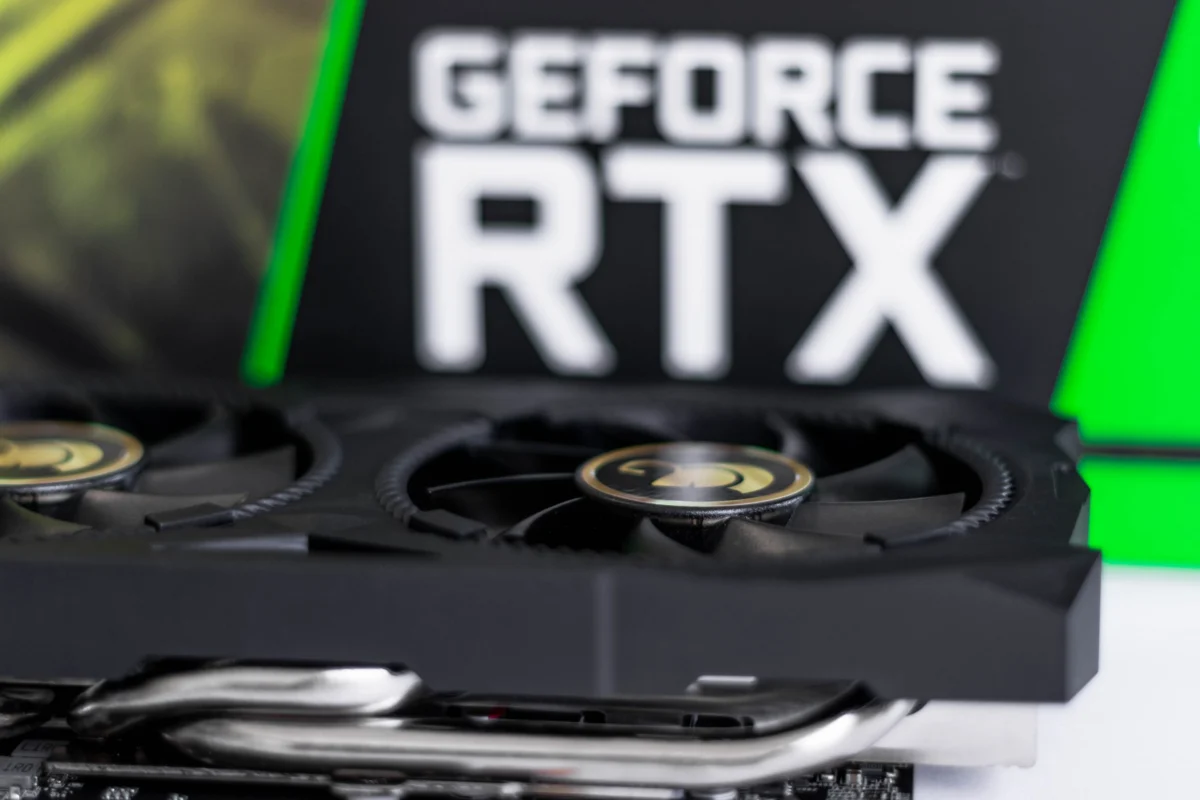
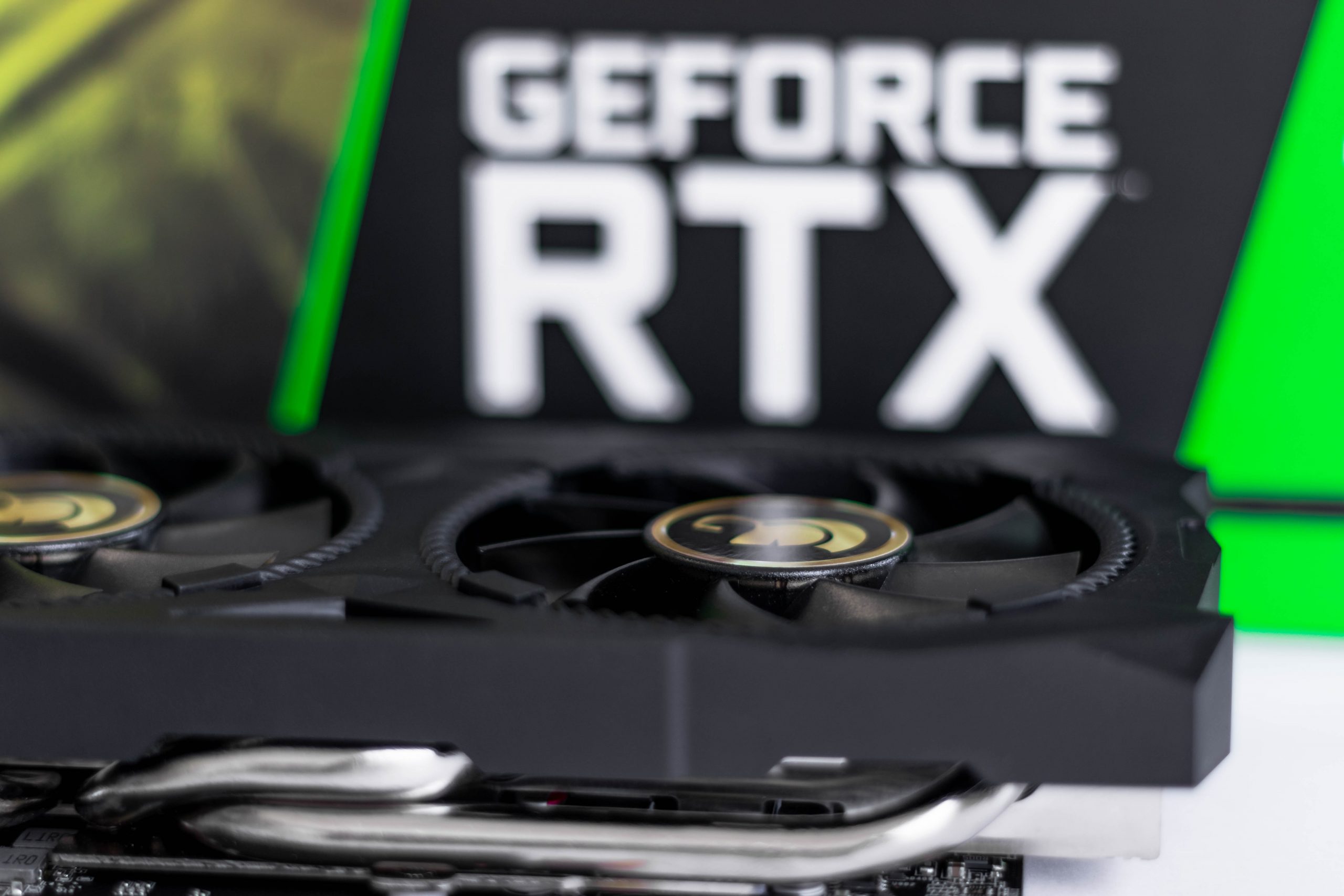
The secondary market for high-end graphics processing units is experiencing a dramatic shift as Chinese cryptocurrency miners begin offloading massive quantities of hardware following a series of stringent government interventions. In a move that has caught the attention of both hardware enthusiasts and market analysts, Nvidia GeForce RTX 3060 cards are being listed for as low as $270 on regional second-hand platforms. This price point represents a significant discount not only from the peak prices seen during the height of the global semiconductor shortage but also falls below the original manufacturer’s suggested retail price (MSRP) of $329. This liquidation event is the direct result of a multi-province crackdown on mining operations within China, forcing a fundamental restructuring of the global hash rate distribution.
The influx of used hardware is not limited to mid-range options. Reports from online marketplaces and industry insiders indicate that higher-tier models, such as the RTX 3070 and the RTX 3060 Ti, are also being sold at heavily discounted rates, with prices hovering around $400 and $350, respectively. While these prices appear highly attractive to a gaming community that has struggled with triple-digit markups for over a year, the liquidation comes with significant caveats. Most sellers are currently refusing to sell individual units, instead requiring buyers to purchase in bulk lots ranging from 100 to 200 units. This "lot-only" sales strategy targets large-scale distributors or international mining operations looking to relocate rather than the average consumer.
The Regulatory Catalyst: China’s Decisive Exit from Crypto Mining
The sudden saturation of the used GPU market is the culmination of an escalating regulatory offensive by the Chinese government. For years, China was the undisputed global hub for cryptocurrency mining, at one point accounting for over 65% of the total Bitcoin hash rate. This dominance was fueled by access to cheap hydroelectric power in provinces like Sichuan and Yunnan, as well as coal-based energy in Inner Mongolia and Xinjiang.
The tide turned in mid-2021 when the State Council’s Financial Stability and Development Committee, led by Vice Premier Liu He, announced a coordinated effort to crack down on Bitcoin mining and trading activities. The government cited concerns over financial risks, capital flight, and the environmental impact of energy-intensive mining operations, which stood in direct opposition to China’s stated goals of achieving carbon neutrality by 2060.
Following the central government’s directive, provincial authorities moved swiftly. Inner Mongolia was among the first to implement a "clean-up" of mining projects, followed by Sichuan, which ordered the shut-down of 26 major mining farms in a single week. The result was a "Great Migration" of mining hardware. While institutional-scale miners with significant capital have attempted to ship their rigs to more favorable jurisdictions—such as Texas in the United States, Kazakhstan, and Russia—smaller and medium-sized operations have found the logistics of international relocation prohibitively expensive. For these operators, selling their hardware on the domestic used market has become the only viable way to recoup their initial investments.
Hardware Concerns: The Risks of Mining-Used GPUs
While the $270 price tag for an RTX 3060 is enticing, hardware experts have issued warnings regarding the long-term reliability of these specific units. Unlike GPUs used for traditional gaming, which experience intermittent loads and fluctuating temperatures, mining GPUs are typically run 24 hours a day, seven days a week. To maximize efficiency, miners often "undervolt" the core clock while aggressively "overclocking" the video memory (VRAM).
Continuous operation at high temperatures can lead to thermal pad degradation and fan failure. In some cases, prolonged exposure to high heat can cause the VRAM modules to discolor or suffer from "silicon lottery" exhaustion, significantly shortening the lifespan of the card. Furthermore, the environment in which these cards were housed varies wildly; cards from industrial-scale farms may have been kept in climate-controlled environments, while others may have been exposed to high humidity or dust in makeshift rural facilities.
The market has also seen the emergence of unorthodox mining hardware, such as laptops equipped with RTX 3060 chips. During the height of the mining craze, some operators turned to gaming laptops because standalone desktop GPUs were unavailable. These laptops are now appearing on the market for approximately $1,000 per unit. Analysts suggest that the resale value of these laptops may be even more precarious than the desktop cards, given the integrated nature of laptop cooling systems and the potential for battery swelling under constant heat stress.
Market Response and the "Wait-and-See" Approach
Despite the low prices, the second-hand market in China has not seen an immediate clearance of inventory. There is a palpable sense of hesitation among potential buyers, driven by two primary factors. First, the bulk-purchase requirement excludes the vast majority of individual PC builders. Second, there is a widespread expectation that prices will continue to fall. As more provinces enforce bans and the window for domestic operation closes entirely, miners may become desperate enough to break down their bulk lots into individual sales or further slash prices to clear stock.

Outside of China, the global GPU market is beginning to show signs of stabilization. In European markets, specifically Germany and Austria, reports indicate that retail prices for new graphics cards have dropped by as much as 40% from their May peaks. While still above MSRP, the trend suggests that the combination of China’s crackdown and increased production from Nvidia and AMD is finally beginning to bridge the supply-demand gap.
The Role of Ethereum and the Shift to Proof-of-Stake
The liquidation of GPUs is also being influenced by the broader technological roadmap of the Ethereum network. Unlike Bitcoin, which is mined using specialized ASIC (Application-Specific Integrated Circuit) hardware, Ethereum has historically been the primary driver of GPU demand. However, the Ethereum network is in the process of transitioning from a Proof-of-Work (PoW) consensus mechanism to Proof-of-Stake (PoS), a move often referred to as "The Merge."
Once the transition to PoS is complete, Ethereum will no longer require GPU mining to secure the network. This looming "end-of-life" for GPU mining has created a sense of urgency among miners. Nvidia CEO Jensen Huang recently acknowledged this shift, noting in an interview that the company’s implementation of Lite Hash Rate (LHR) technology—which artificially limits the mining performance of new cards—combined with the eventual Ethereum transition, will help steer GPUs back into the hands of the gaming community.
Economic and Geopolitical Implications
China’s aggressive stance against decentralized cryptocurrencies is not occurring in a vacuum. As the government removes the competition posed by Bitcoin and other digital assets, it is simultaneously accelerating the rollout of its own Central Bank Digital Currency (CBDC), the digital Yuan (e-CNY). By clearing the domestic landscape of private mining and trading, the People’s Bank of China (PBoC) is positioning the digital Yuan as the primary vehicle for the nation’s digital economy, ensuring state oversight of all financial transactions and reducing the risks of illicit capital outflows.
The "Great Mining Migration" also has significant geopolitical implications. The exodus of miners from China is effectively decentralizing the Bitcoin network’s geographic footprint, a move that many industry proponents view as a long-term positive for the network’s resilience. Countries that offer regulatory clarity and stable energy grids are now competing to attract these displaced businesses, potentially shifting the center of gravity for the crypto-financial industry to the West.

Bitcoin Price Action and Future Outlook
As of the latest market data, Bitcoin (BTC) continues to trade in a volatile range, currently floating around the $33,000 mark. While the asset has seen a modest 2% recovery over a 24-hour period, it remains down on the weekly chart, struggling to reclaim the critical $35,000 resistance level. The range-bound nature of the market has further dampened the enthusiasm of miners, as the decreasing profitability of mining—combined with rising energy costs in non-Chinese jurisdictions—makes the ROI on used hardware less certain.
The current situation in the Chinese GPU market serves as a stark reminder of how quickly regulatory shifts can disrupt global supply chains and asset valuations. For gamers and professionals who have waited years for affordable hardware, the "dumping" of cards by Chinese miners represents a glimmer of hope. However, for the cryptocurrency industry, it marks the end of an era. The era of China as the world’s mining powerhouse is over, and the hardware that once powered that empire is now being sold off in bulk, one pallet at a time, to the highest bidder. Whether these "battle-scarred" GPUs will find a second life in gaming rigs or simply end up as electronic waste remains to be seen, but the impact on the global market is undeniable.