


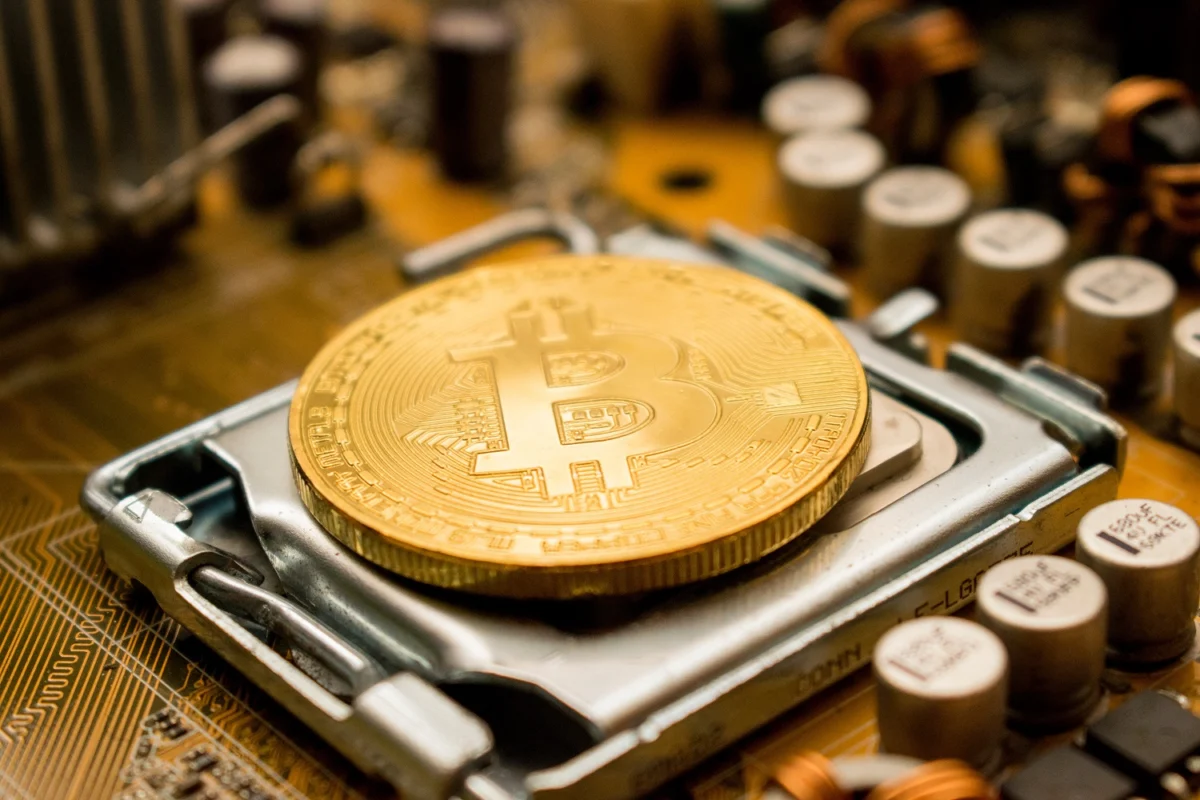
The Russian Association of Crypto Industry and Blockchain (RACIB) has officially inaugurated a comprehensive project aimed at transforming the Russian Federation into a primary destination for global Bitcoin mining operations. This strategic move comes at a critical juncture in the evolution of the digital asset industry, as the global "hash rate"—the computational power securing the Bitcoin network—seeks new territories following a series of aggressive regulatory crackdowns in traditional mining strongholds. By leveraging the nation’s vast energy surpluses, favorable climatic conditions, and existing industrial infrastructure, RACIB intends to bridge the gap between state energy providers and international mining enterprises looking for long-term stability.
The initiative is largely a response to the seismic shifts occurring in the global cryptocurrency landscape, most notably the "Great Mining Migration" triggered by China’s systemic dismantling of its domestic mining sector. For years, China accounted for more than 65% of the global Bitcoin hash rate. However, recent prohibitions across major provinces such as Sichuan, Inner Mongolia, and Xinjiang have forced thousands of miners to liquidate their hardware or seek refuge in more hospitable jurisdictions. RACIB views this exodus not merely as a temporary market disruption but as a historic opportunity for Russia to assert its dominance in the digital economy.
Russia’s Competitive Advantages: A Natural Fortress for Mining
The Russian Association of Crypto Industry and Blockchain has identified several structural advantages that position Russia as a superior alternative to other emerging mining hubs like Kazakhstan or the United States. Chief among these is the nation’s status as a global energy powerhouse. Russia consistently ranks among the top five countries worldwide in terms of electricity production. More importantly, the country possesses a significant surplus of generating capacity that remains underutilized. In certain industrial regions, particularly in Siberia and the Far East, the energy surplus can reach as high as 50% of the total regional capacity. This excess energy, often a byproduct of massive hydroelectric and nuclear projects, provides a stable and inexpensive power source that is essential for the high-overhead business of cryptocurrency mining.
Environmental considerations have also become a focal point for RACIB’s pitch to international investors. As the global discourse around Bitcoin’s carbon footprint intensifies, Russia’s energy mix offers a surprisingly "green" profile for industrial miners. Approximately 40% of the nation’s power is derived from low-carbon sources, including hydroelectric plants and nuclear facilities. By situating mining clusters near these sources, operators can significantly reduce their environmental impact compared to the coal-heavy operations that previously dominated the Chinese landscape.
Furthermore, Russia’s geography provides a unique logistical advantage: its climate. Bitcoin mining involves thousands of Application-Specific Integrated Circuit (ASIC) miners running at peak capacity, generating immense heat. In warmer climates, cooling these machines requires sophisticated and expensive HVAC systems, which can consume up to 30% of an operation’s total energy budget. In contrast, the naturally cold temperatures found in Russian regions such as Irkutsk and Krasnoyarsk allow for "free cooling" techniques, where ambient air is used to regulate hardware temperatures, drastically lowering operational expenditures and increasing the lifespan of the equipment.
The Geopolitical Context and Regional Rivalry
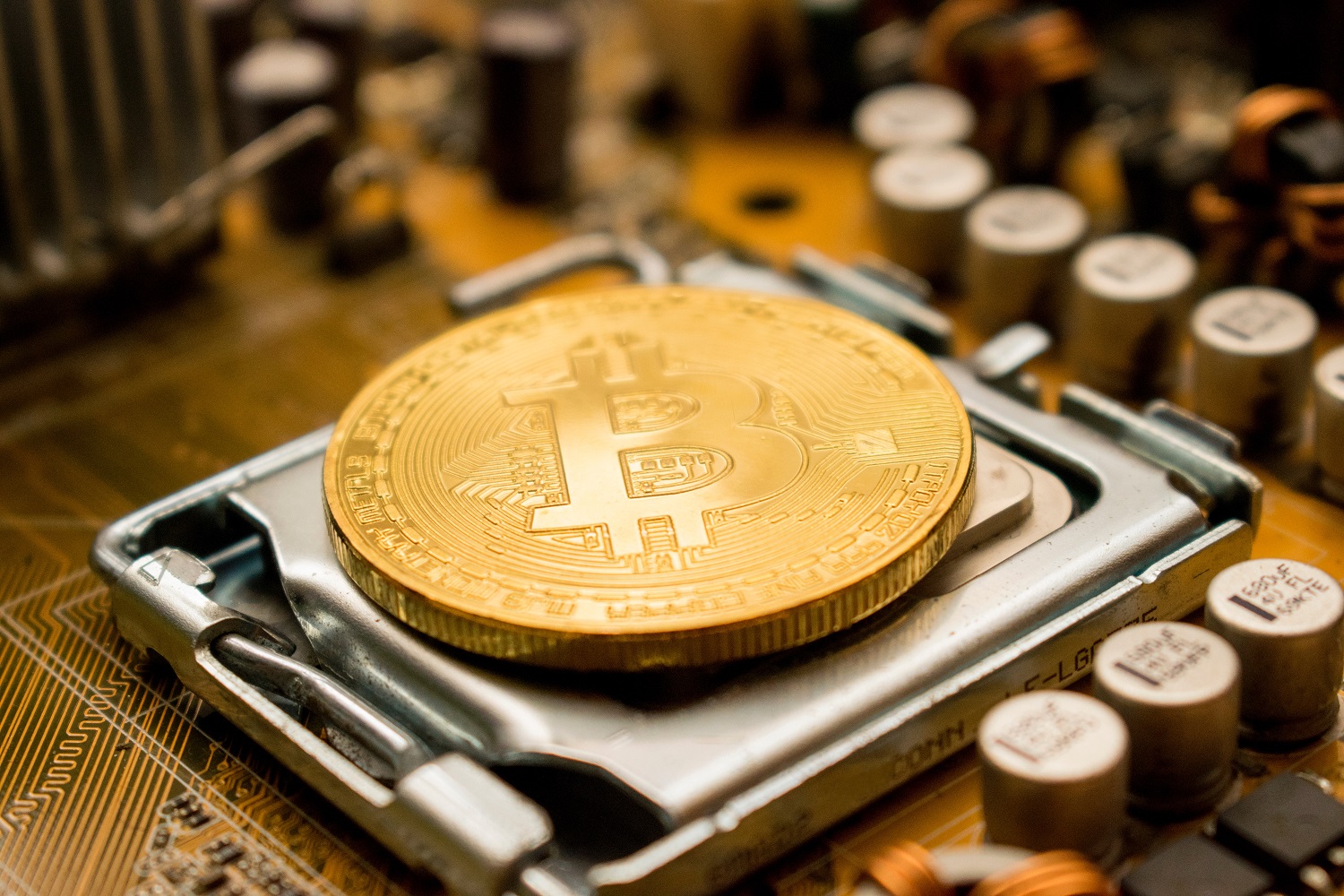
The launch of the RACIB project is also a calculated move to regain ground lost to regional competitors. Recent data from the Cambridge Bitcoin Electricity Consumption Index (CBECI) indicated that Kazakhstan had briefly overtaken Russia in terms of global hash rate share, moving into the third-place position globally. This shift was largely due to Kazakhstan’s proximity to China and its initially low electricity costs. However, Kazakhstan has recently faced challenges, including grid instability and the introduction of new taxes and regulations on miners, which have tempered its appeal.
By formalizing a pathway for foreign investment, RACIB aims to ensure that Russia does not just compete for the third spot but moves toward the top of the global rankings. The association’s plan involves creating "specialized clusters"—dedicated economic zones equipped with the necessary high-voltage transformers and fiber-optic connectivity required for large-scale data centers. These clusters are designed to act as turnkey solutions for foreign miners, providing them with legal protections and direct contracts with energy suppliers.
Chronology of the Global Mining Shift
The current initiative is the culmination of a series of events that began in early 2021. To understand the significance of RACIB’s project, one must look at the timeline of the global mining transition:
- First Quarter 2021: China’s State Council announces a crackdown on Bitcoin mining and trading, citing concerns over financial risks and carbon neutrality goals.
- May–June 2021: Major Chinese provinces, including Sichuan (the heart of hydroelectric mining), issue immediate shut-down orders. The global hash rate plummets by nearly 50% as machines are unplugged.
- July 2021: Reports emerge of secondary market floods, with high-end GPUs like the Nvidia RTX 3060 being sold for as low as $270 as Chinese miners liquidate assets.
- Late July 2021: RACIB announces its strategic project, signaling Russia’s readiness to absorb the displaced computational power.
- Concurrent Events: In Southeast Asia, nations like Malaysia take a more punitive approach, exemplified by the highly publicized destruction of over 1,000 mining rigs by police using a steamroller, further signaling to the industry that legal and organized hubs are the only viable path forward.
Official Responses and Regulatory Outlook
While RACIB is an industry association rather than a government agency, its initiatives are closely watched by Russian policymakers. The Russian government’s stance on cryptocurrency has historically been complex, oscillating between calls for a total ban by the Central Bank of Russia and more permissive, tax-focused frameworks proposed by the Ministry of Finance.
RACIB’s project appears to align with the Ministry of Finance’s view that Bitcoin mining should be treated as a legitimate industrial activity. By centralizing mining into controlled clusters, the state can more effectively monitor energy consumption, ensure grid stability, and collect tax revenue from an industry that was previously operating in a "gray" legal area. Industry analysts suggest that if the RACIB project successfully attracts large-scale foreign capital, it could provide the necessary impetus for the Russian Duma to pass more comprehensive legislation clarifying the status of digital assets and mining.
A spokesperson for the association noted that the goal is not only to provide a physical location for hardware but to integrate these operations into the broader "global digital economy." This includes fostering an ecosystem of maintenance services, software developers, and financial intermediaries that can support the infrastructure of global cryptocurrency networks from within Russian borders.

Market Implications and the Price of Bitcoin
The timing of Russia’s push into the mining sector coincides with a period of heightened volatility and consolidation for Bitcoin’s price. As of the latest market data, Bitcoin (BTC) is trading in a narrow corridor around the $30,700 mark. The asset has faced significant downward pressure, losing approximately 7% of its value over the past week and nearly 14% over the last month.
Technical analysts observe that Bitcoin has struggled to break out of a consolidation range between $30,000 and $35,000. The migration of miners plays a subtle but vital role in these price dynamics. When miners are in transition, they often sell a portion of their BTC holdings to cover relocation costs and hardware upgrades, creating "miner capitulation" that can suppress prices. Conversely, once miners find a stable home—such as the facilities proposed by RACIB—they tend to hold their rewards longer, reducing the "sell-side" pressure on exchanges.
The successful integration of displaced miners into the Russian energy grid could lead to a stabilization of the Bitcoin network’s hash rate, which is a key indicator of network security and long-term investor confidence. As the hash rate recovers, it often serves as a lagging indicator of a potential price recovery, as it signals that the industry has adapted to regulatory shocks.
Broader Economic and Global Impact
The implications of Russia’s bid to become a mining superpower extend beyond the immediate crypto market. For the Russian energy sector, Bitcoin mining offers a way to monetize "stranded" energy—power that is produced in remote areas but cannot be easily transported to major population centers. By placing data centers directly at the source of production, energy companies can create a consistent, 24/7 demand profile, improving the economic viability of aging infrastructure and funding new renewable energy projects.
On a global scale, the decentralization of mining away from China is generally viewed as a positive development for the Bitcoin network. A more geographically distributed hash rate makes the network more resilient to the geopolitical whims of any single nation. If Russia, the United States, and Kazakhstan emerge as the three pillars of global mining, the network will have achieved a level of jurisdictional diversity that was previously unthinkable during the era of Chinese dominance.
As RACIB moves forward with its project, the international community will be watching closely to see how the Russian government balances the influx of digital asset activity with its broader financial stability goals. If successful, Russia may not only reclaim its position in the top three mining nations but could redefine the relationship between sovereign energy policy and the decentralized world of cryptocurrency. The coming months will be decisive as the first wave of relocated hardware begins to come online in the newly designated Russian mining clusters, testing the nation’s infrastructure and the association’s vision for a digital future.














