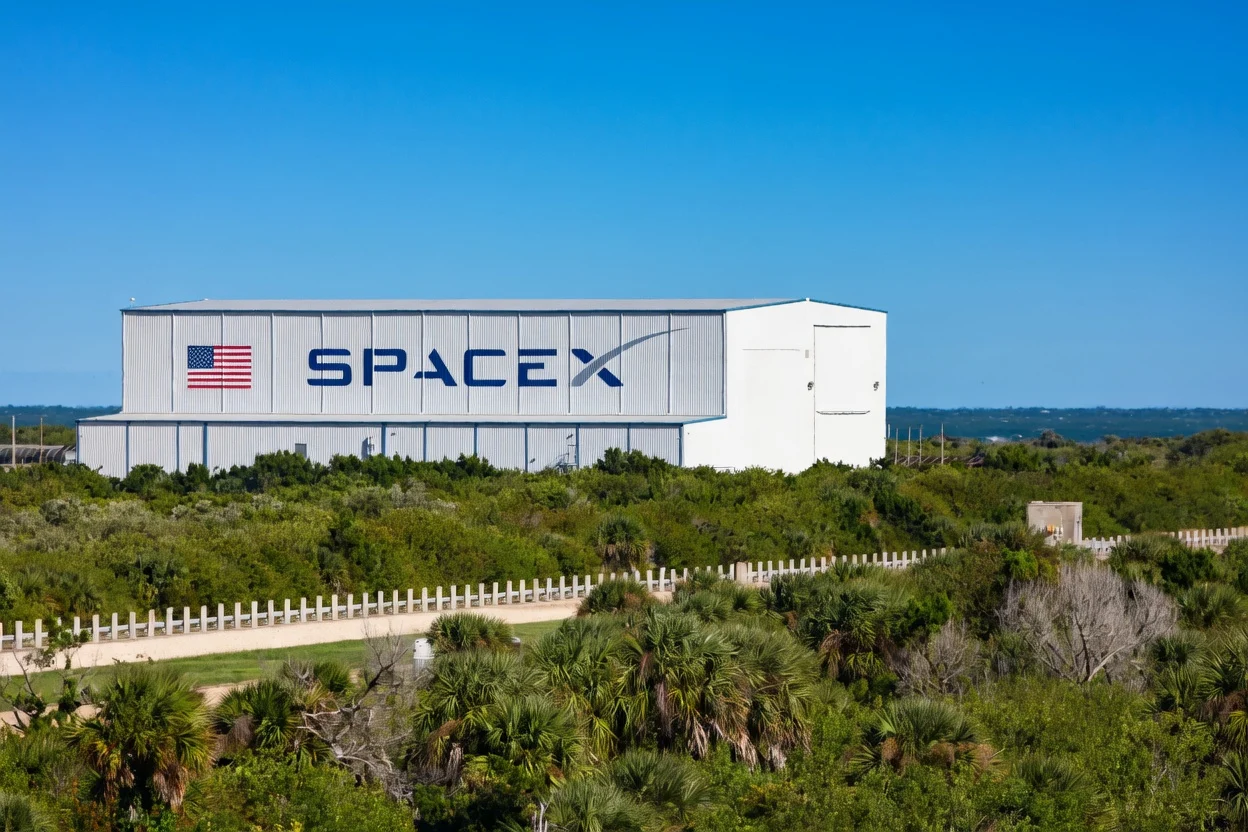
Shares of SpaceX, trading under the identifier SPCX, experienced a significant rally exceeding 6% during Friday’s trading session, closing at approximately $116.82. This upward trajectory positioned the aerospace giant to halt a challenging four-week slide that had eroded roughly 33% of its shareholder value, signaling a potential turning point for investors. The renewed investor confidence was primarily fueled by the company’s release of impressive second-quarter financial results earlier in the week, which comfortably surpassed market expectations and painted a robust picture of its operational and financial health.
The Elon Musk-led enterprise disclosed its financial performance after market close on Tuesday, revealing a remarkable $7.8 billion in quarterly revenue. This figure represents an astounding 92% year-over-year increase, significantly outperforming Wall Street’s consensus projection of $6.8 billion. Beyond the top-line growth, SpaceX also reported an adjusted EBITDA of $3.5 billion, far exceeding analyst estimates which had clustered around $2.1 billion. These figures underscore the company’s accelerating revenue streams and its ability to translate ambitious projects into substantial profitability, driven by its diverse portfolio of launch services, satellite internet, and burgeoning space exploration initiatives.
A Volatile Journey Since Public Debut
The journey for SPCX shares has been marked by considerable volatility since their initial public offering (IPO), or a similar significant public debut event, at $135 per share. Following this debut, the stock experienced a dramatic surge, reaching an all-time high of $225.64. However, this peak was followed by a sharp correction, with shares plummeting as much as 50% from that high. Despite Friday’s rally, current trading levels remain approximately 15% beneath the initial offering price, reflecting the challenging market conditions and investor re-evaluations that have characterized its post-debut period. The unique nature of investing in a company like SpaceX, often through secondary markets or special purpose vehicles that track its valuation, adds another layer of complexity to its stock performance compared to traditionally listed public companies.
Individual Investors Bear the Brunt of Early Volatility
A significant aspect of SpaceX’s public debut was the substantial participation of individual investors. During the initial offering, retail traders secured approximately 20% of the available shares, demonstrating a strong appetite for exposure to the pioneering space company. This aggressive retail buying continued in the immediate aftermath of the offering, with JPMorgan analysis indicating that individual traders poured at least $3.6 billion into SPCX stock during the first eight weeks of public trading.
However, this enthusiasm has come at a considerable cost for many. Based on an estimated weighted average cost of approximately $150 per share for these retail participants, current trading levels translate into aggregate paper losses totaling around $4.5 billion. This stark figure highlights the risks associated with high-growth, high-volatility investments, especially for those entering the market without the strategic agility or exit mechanisms available to larger institutional players. In contrast, institutional buyers, often possessing more sophisticated trading strategies and market insights, were better positioned to capitalize on earlier elevated prices, largely sidestepping the steepest portion of the subsequent selloff. This divergence in outcomes underscores the differing capabilities and risk appetites between retail and institutional investment segments in volatile market environments.
Wall Street Reassesses with Upward Revisions
The strong second-quarter performance has triggered a noticeable shift in Wall Street sentiment, with several prominent research firms upgrading their outlook and price targets for SPCX. On Thursday, Argus Research elevated its rating on SPCX from "Hold" to "Buy," establishing a new price objective of $160. The research firm justified its upgraded stance by applying a 20-times multiple to its significantly increased 2027 revenue projection of $110 billion. Argus specifically highlighted SpaceX’s swift return on capital investments, particularly noting its advancements in artificial intelligence infrastructure, as a significant catalyst for future growth and profitability. This acknowledgement of AI’s role within SpaceX’s operations points to an evolving understanding of the company’s technological breadth beyond rockets and satellites.
Other major financial institutions also reaffirmed their bullish perspectives. Raymond James maintained its "Strong Buy" recommendation, reiterating an ambitious $800 price target, reflecting a long-term conviction in SpaceX’s transformative potential. Bernstein increased its forecast to $248, driven by elevated revenue projections that acknowledge the company’s accelerating growth trajectory. Cantor Fitzgerald held its "Overweight" stance with a target of $246, while UBS reaffirmed its "Buy" rating and a $210 target. Mizuho also kept its "Outperform" designation, setting a $200 target, underscoring a broad consensus among analysts regarding the company’s positive outlook.
These revised targets are supported by substantially increased long-term revenue expectations across the board. Analysts now anticipate approximately $102 billion in 2027 revenue, according to FactSet data. This represents a notable increase from the $72 billion consensus recorded at the end of July, indicating a significant re-rating of SpaceX’s future earning potential by the financial community. This upward revision aligns closely with management’s internal projections, which indicated that the company is tracking toward a year-end 2026 revenue run rate approaching an impressive $100 billion, substantially above previous guidance. The confidence from both internal management and external analysts paints a picture of robust, sustained growth for the company in the coming years. As of Friday’s session, the stock had posted a solid 7.8% gain for the week, cementing the positive market reaction to its latest financial disclosures.
Deep Dive into SpaceX’s Growth Engines
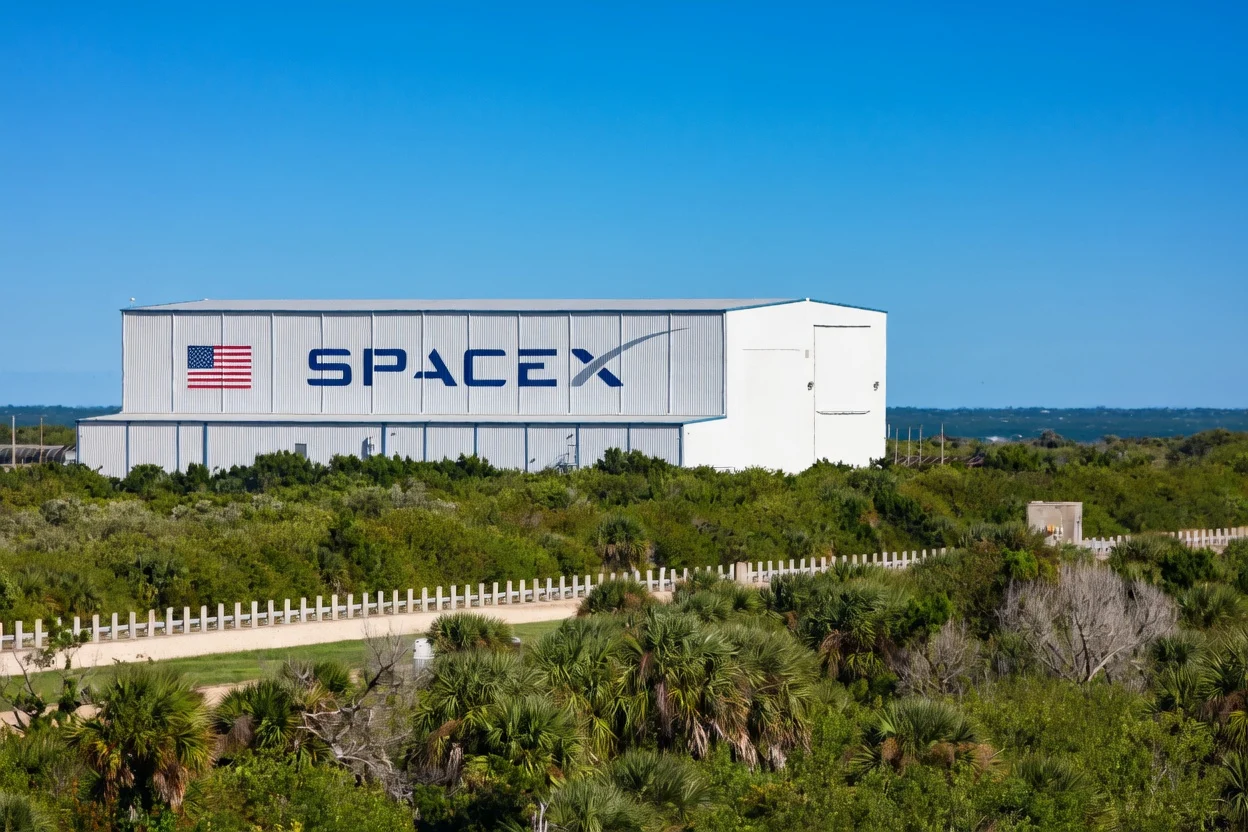
SpaceX’s phenomenal growth is not accidental; it is the culmination of years of relentless innovation and strategic execution across multiple highly capital-intensive sectors. The company’s diverse revenue streams provide both resilience and synergistic opportunities for expansion.
Starlink: The Global Satellite Internet Constellation
A primary driver of SpaceX’s surging revenue is its Starlink satellite internet service. Starlink, which aims to provide high-speed, low-latency internet access globally, especially to underserved and remote areas, has been expanding at an aggressive pace. The company has deployed thousands of satellites into low Earth orbit (LEO) using its reusable Falcon 9 rockets, creating a vast network that serves over 2 million subscribers worldwide as of recent reports. The service’s rapid adoption, coupled with its expansion into enterprise solutions, maritime, aviation, and even direct-to-cell capabilities, positions Starlink as a formidable player in the telecommunications sector. The recurring revenue model of Starlink subscriptions provides a stable and growing financial foundation for SpaceX, allowing it to fund other ambitious projects. The significant capital investments in building out this infrastructure, including ground stations and user terminals, are now beginning to yield substantial returns, validating the long-term vision behind the constellation.
Dominance in Launch Services: Falcon 9 and Falcon Heavy
SpaceX continues to dominate the global launch services market with its highly reliable and cost-effective Falcon 9 and Falcon Heavy rockets. The company’s pioneering work in rocket reusability has fundamentally reshaped the economics of space access, dramatically lowering launch costs for both commercial and government clients. Falcon 9 has achieved an unprecedented cadence of launches, regularly setting new records for annual flights. This reliability and efficiency have secured numerous contracts with NASA, the U.S. Space Force, and a multitude of international satellite operators. The robust backlog of launch missions ensures a steady and predictable revenue stream, further bolstering SpaceX’s financial position. The ability to launch its own Starlink satellites also provides a significant competitive advantage, allowing for vertical integration and optimized deployment schedules.
Starship and Human Space Exploration: The Future Frontier
Beyond its current operational successes, SpaceX’s long-term vision is anchored by its ambitious Starship program. Starship, a fully reusable super heavy-lift launch system, is designed to transport both cargo and humans to the Moon, Mars, and beyond. While still in its development and testing phases, Starship represents the ultimate scalability and cost-efficiency goal for space travel. Its selection by NASA for the Human Landing System (HLS) program to return astronauts to the lunar surface is a testament to its potential and a significant government contract that promises substantial future revenue. The progress in Starship’s development, despite challenges and setbacks inherent in pioneering aerospace engineering, is a critical component of SpaceX’s future valuation and its narrative as a leader in human space exploration. The long-term implications of successful Starship development could unlock entirely new markets for space tourism, resource utilization, and interplanetary transport.
AI Infrastructure and Technological Synergies
Argus Research’s specific mention of "artificial intelligence infrastructure" as a catalyst highlights a less obvious but increasingly critical aspect of SpaceX’s strategy. AI and machine learning are integral to optimizing Starlink’s complex satellite network, managing data flow, enhancing rocket autonomy, and processing vast amounts of telemetry data from launches. As SpaceX continues to expand its data-intensive operations, investments in robust AI capabilities will be crucial for efficiency, reliability, and innovation. This focus on advanced computing infrastructure positions SpaceX not just as an aerospace company, but also as a significant player in the broader technology landscape, leveraging cutting-edge AI to manage its increasingly complex and interconnected systems.
Navigating Future Headwinds: Lockup Expirations and Competition
Despite the strong Q2 results and a bullish Wall Street, several potential headwinds remain on the horizon for SPCX investors. A primary concern revolves around upcoming lockup expiration timelines. Mizuho analysts have specifically pointed out that approximately 911.5 million insider-held shares will soon become eligible for trading. These "lockups" typically prevent early investors, founders, and employees from selling their shares for a specified period after a public debut, ensuring market stability. However, as these periods expire, the sudden influx of a large volume of shares into the market can create significant selling pressure, potentially depressing the stock price. Additional tranches of insider-held shares are anticipated throughout the coming twelve months, suggesting that this potential selling pressure could be a sustained factor that investors need to monitor closely.
Beyond lockup expirations, SpaceX operates in an increasingly competitive environment. While it currently holds a dominant position in several segments, competitors like Blue Origin, United Launch Alliance (ULA), Rocket Lab, and a host of emerging "New Space" companies are continually innovating and vying for market share. The high capital requirements and inherent risks of space ventures also pose ongoing challenges, from regulatory hurdles and spectrum allocation debates to the complex issue of space debris. Macroeconomic factors, such as rising interest rates and broader investor sentiment towards high-growth, long-duration assets, could also influence SPCX’s performance.
Moreover, the ambitious nature of SpaceX’s projects, particularly Starship, entails significant execution risk. Any major delays or failures could impact investor confidence and the company’s financial projections. The valuation multiples applied by analysts, while indicative of strong growth potential, also price in a considerable degree of future success, leaving little room for error.
Broader Implications for the Space Economy
SpaceX’s continued growth and financial success have profound implications for the nascent but rapidly expanding space economy. As a market leader and a disruptive innovator, SpaceX has demonstrably lowered the barriers to space access, making satellite deployment and scientific missions more affordable and frequent. This has, in turn, spurred investment and innovation across the entire "New Space" sector, fostering a vibrant ecosystem of satellite manufacturers, data analytics firms, and space-based service providers.
The success of Starlink is accelerating the global deployment of satellite internet, fundamentally changing connectivity paradigms for millions and driving competition in the telecommunications industry. Furthermore, SpaceX’s long-term vision for human space exploration, embodied by Starship, continues to inspire and push the boundaries of what is technologically feasible, laying the groundwork for future lunar and Martian economies. The company’s ability to attract substantial private capital and deliver on complex engineering projects serves as a blueprint for other ambitious ventures in the space sector.
In conclusion, SpaceX’s strong second-quarter performance marks a pivotal moment, reaffirming its robust financial health and operational momentum after a period of significant stock market volatility. The substantial revenue growth and impressive EBITDA figures have recalibrated Wall Street’s expectations, leading to widespread upgrades and an increasingly bullish outlook for the company’s future. While challenges such as impending lockup expirations and intense competition persist, the underlying strength of its diversified business model—spanning satellite internet, launch services, and advanced space exploration—positions SpaceX as a formidable force shaping the future of the global space economy. The focus now shifts to how effectively the company can navigate these challenges while continuing its trajectory of innovation and growth.