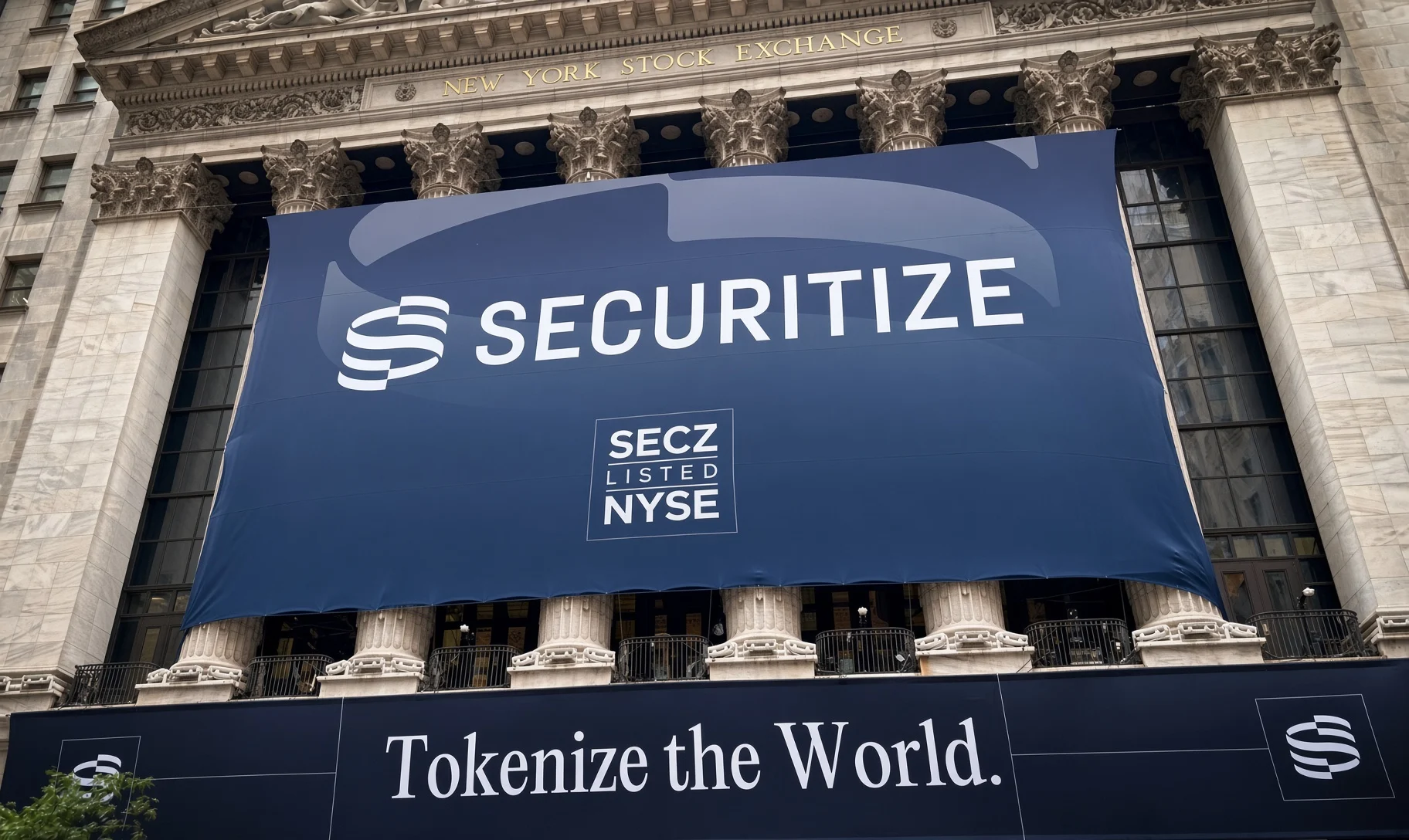
Sui, a burgeoning layer-1 blockchain, has achieved a significant milestone in the institutional adoption of digital assets with its inaugural integration with Securitize, a leading digital asset securities firm. This collaboration culminates in the launch of the Neuberger Securitize High Income Tokenized Fund, known by its ticker HINC. This innovative fund introduces a sophisticated array of high-yield bonds, collateralized loan obligations (CLOs), and leveraged loans onto the Sui network, representing a notable departure from the treasury and money market products that have predominantly defined the tokenized fund landscape to date. The launch of HINC also spans other prominent blockchain networks, including Avalanche, Ethereum, and Solana, underscoring a strategic multi-chain approach to institutional liquidity and accessibility.
The Neuberger Securitize High Income Tokenized Fund (HINC) represents a pivotal advancement in the evolution of tokenized real-world assets (RWAs). Unlike its predecessors, which largely focused on lower-risk, highly liquid instruments like government bonds and money market funds, HINC ventures into the more complex and higher-yielding segments of the fixed income market. This actively managed fund primarily targets high-yield corporate bonds, complemented by strategic allocations to CLOs and leveraged loans. These asset classes are characterized by their potential for higher returns, albeit with commensurately higher risk profiles compared to investment-grade debt. The inclusion of such sophisticated instruments on-chain signifies a maturing appetite among both issuers and investors for more diverse and complex digital asset offerings.
The Strategic Imperative: Beyond Traditional Tokenization
The tokenization of financial assets is rapidly gaining traction, propelled by the promise of enhanced liquidity, fractional ownership, increased transparency, and reduced settlement times. However, the initial wave of tokenized funds primarily concentrated on replicating the characteristics of traditional money market funds or short-term government debt. While these products served as crucial proofs of concept and laid the groundwork for regulatory acceptance, they often lacked the yield and diversification sought by institutional investors with broader mandates.
HINC addresses this gap by introducing a fixed income strategy that is common in traditional finance but has remained largely absent in tokenized form. High-yield bonds, often referred to as "junk bonds," are debt instruments issued by companies with lower credit ratings, offering higher coupon payments to compensate investors for the increased risk of default. Collateralized Loan Obligations (CLOs) are complex structured finance products that pool together various types of corporate loans and then slice them into different tranches, each with varying risk and return profiles. Leveraged loans are loans extended to companies or private equity firms that already have significant amounts of debt. These asset classes require specialized expertise in credit analysis and active management, areas where Neuberger Berman, as the subadvisor, brings substantial value.
The Architects of HINC: Securitize and Neuberger Berman
The collaboration behind HINC brings together two powerhouses in their respective fields: Securitize in digital asset securities and Neuberger Berman in traditional asset management. Securitize, a registered broker-dealer, transfer agent, and alternative trading system (ATS) operator with the U.S. Securities and Exchange Commission (SEC), provides the critical regulated infrastructure for the tokenization process. Its robust platform ensures compliance with existing securities laws, offering a secure and legally sound pathway for traditional assets to be represented on blockchain. Securitize’s expertise in handling the intricacies of securities issuance, investor onboarding, and secondary trading within a regulated framework has made it a leader in bridging the gap between TradFi and decentralized finance (DeFi). Carlos Domingo, CEO and Founder at Securitize, articulated the broader vision, stating that "tokenizing an asset is only the beginning," emphasizing that its value truly blossoms as it gains accessibility across the burgeoning on-chain economy. He added that expanding Securitize assets across blockchain ecosystems like Sui is crucial for building long-term connectivity for investors.
Neuberger Berman, a private, independent investment manager founded in 1939, is renowned for its deep expertise across a wide spectrum of asset classes, including equities, fixed income, private equity, and hedge funds. With over $230 billion in assets under management across its platform, Neuberger Berman’s involvement as subadvisor to HINC marks a significant validation for the tokenized fund space. This engagement is the firm’s first foray as a subadvisor to a tokenized fund, signaling a growing acceptance and exploration of blockchain technology by established financial institutions. Their role in HINC involves actively managing the underlying portfolio of high-yield bonds, CLOs, and leveraged loans, leveraging their decades of experience in credit research and portfolio construction to deliver on the fund’s investment objectives. The firm’s reputation for rigorous due diligence and sophisticated risk management is crucial for a fund investing in these higher-risk fixed income segments.
Sui’s Expanding Institutional Footprint
The integration with Securitize and the launch of HINC represent a pivotal moment for the Sui network, solidifying its position as a preferred infrastructure for institutional-grade real-world assets. Sui, developed by Mysten Labs, the original contributors to the network, was designed from the ground up to address the unique demands of enterprise and institutional applications. Its object-centric model, combined with the Move programming language, enables parallel execution of transactions, leading to high throughput, low latency, and predictable gas fees—characteristics essential for large-scale financial operations.
Adeniyi Abiodun, Co-Founder and CPO of Mysten Labs, underscored the significance of this launch, describing it as "Securitize’s inaugural integration with Sui, signaling a significant shift in the trajectory of institutional tokenization." He elaborated that asset managers are increasingly looking beyond basic instruments towards networks built to handle full regulatory complexity, a domain for which Sui was "designed precisely for this level of sophistication." Abiodun’s comments highlight Sui’s strategic focus on providing compliance-ready infrastructure, which is a critical prerequisite for traditional asset managers contemplating the transition of capital on-chain.
Sui has actively been cultivating an ecosystem geared towards institutional adoption, with HINC joining a growing roster of institutional activities from firms such as Matrixdock, R25, KAIO, and Mubadala Capital. These initiatives collectively broaden the range of tokenized financial products available on the network, demonstrating a concerted effort to attract diverse capital flows and sophisticated financial instruments. The network’s architectural design, which facilitates complex transaction types and maintains high levels of security and scalability, is proving increasingly attractive to institutions seeking reliable and efficient blockchain solutions for their digital asset strategies.
The Multi-Chain Strategy: A Path to Broader Accessibility
The decision to launch HINC not only on Sui but also across Avalanche, Ethereum, and Solana underscores a pragmatic multi-chain strategy adopted by Securitize. This approach acknowledges the fragmented nature of the blockchain ecosystem and the diverse preferences of institutional investors. By making HINC accessible on multiple leading networks, Securitize aims to maximize liquidity, reach a wider investor base, and enhance interoperability within the burgeoning digital asset landscape.
- Ethereum: As the most established and largest smart contract platform, Ethereum offers unparalleled liquidity and a vast developer ecosystem, making it a natural choice for institutional digital assets.
- Solana: Known for its high throughput and low transaction costs, Solana appeals to applications requiring speed and efficiency, which can be beneficial for managing active funds.
- Avalanche: With its subnet architecture, Avalanche provides institutions with the flexibility to create custom, permissioned blockchains that meet specific regulatory and operational requirements, offering a tailored environment for sophisticated financial products.
- Sui: As a newer entrant, Sui offers cutting-edge scalability and a design philosophy specifically catering to institutional use cases, positioning it as a strong contender for future growth in the RWA space.
This multi-chain deployment reflects a broader industry trend where asset issuers are moving towards blockchain-agnostic strategies to ensure their tokenized products are available wherever institutional capital resides. This enhances the "network effect" for tokenized assets, as their utility and value increase with broader accessibility and interoperability across different digital economies.
The Broader Implications: The Future of Tokenized Real-World Assets
The launch of HINC is more than just another tokenized fund; it is a powerful indicator of the accelerating institutional shift towards digital assets and the increasing sophistication of on-chain financial products. Analysts and industry experts project substantial growth in the tokenized real-world asset market, with some estimates suggesting it could reach trillions of dollars by the end of the decade. Firms like BlackRock’s Larry Fink have openly expressed their belief in the transformative potential of tokenization for capital markets.
The benefits driving this trend are multifaceted:
- Enhanced Liquidity: Tokenization can unlock liquidity for illiquid assets by enabling fractional ownership and facilitating peer-to-peer trading on secondary markets.
- Reduced Costs and Improved Efficiency: Automation through smart contracts can streamline back-office operations, reduce settlement times, and lower administrative overhead.
- Increased Transparency: Blockchain’s immutable ledger provides a transparent record of ownership and transactions, enhancing trust and auditability.
- Broader Investor Access: Fractionalization allows a wider range of investors to participate in asset classes traditionally reserved for high-net-worth individuals or institutional players.
- Programmability: Digital assets can be embedded with complex rules and logic, enabling innovative financial products and automated compliance.
The move beyond treasuries and money markets into higher-yield, more complex fixed income instruments like those in HINC demonstrates a growing confidence in the underlying blockchain technology and the evolving regulatory frameworks. It signals that institutions are moving past experimental phases and are actively seeking to integrate digital assets into their core investment strategies.
Challenges and Opportunities Ahead
Despite the rapid progress, the institutional tokenization of RWAs still faces significant challenges. Regulatory clarity remains a patchwork globally, requiring issuers like Securitize to navigate complex and often disparate legal landscapes. Interoperability between different blockchains, while addressed in part by HINC’s multi-chain launch, still requires further standardization and robust cross-chain solutions. Furthermore, educating traditional investors and building sufficient liquidity in nascent digital asset markets are ongoing efforts.
However, the opportunities far outweigh these hurdles. As traditional financial products continue their inexorable migration on-chain, Sui’s programmable infrastructure, combined with the regulatory expertise of firms like Securitize and the asset management prowess of Neuberger Berman, offers a robust foundation for even more complex and innovative offerings. The HINC fund serves as a testament to the potential for blockchain technology to not only replicate existing financial instruments but to fundamentally reshape and enhance global capital markets. Eligible investors interested in further details on HINC can access information directly through Securitize, marking a clear path for participation in this evolving financial frontier. The collaboration between Sui, Securitize, and Neuberger Berman sets a new precedent for the integration of traditional finance with the digital asset economy, promising a future of greater efficiency, accessibility, and innovation in investment.