


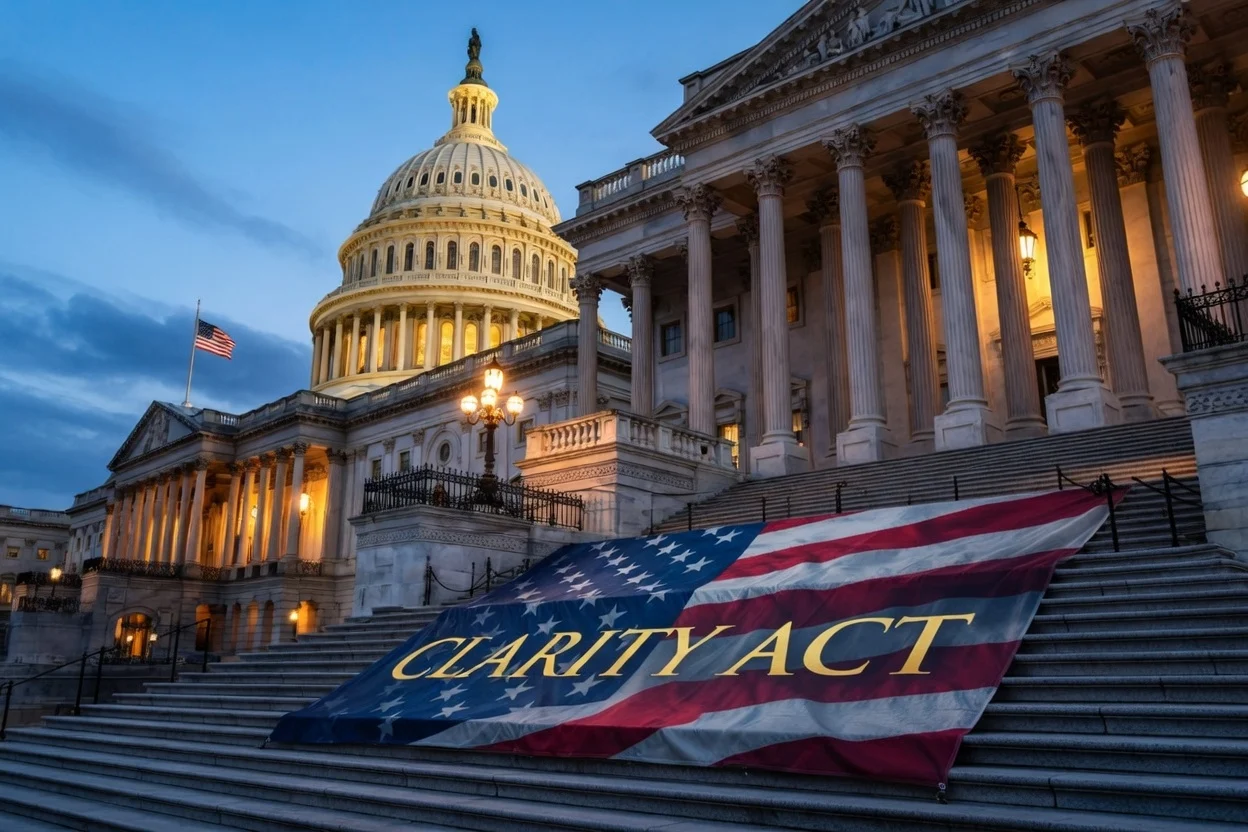
Despite the procedural stall of the CLARITY Act in the U.S. Senate on September 15, 2026, the regulatory landscape for digital assets continues to evolve through the determined efforts of federal agencies. While Congress grapples with establishing a comprehensive legislative framework, the Securities and Exchange Commission (SEC) and the Commodity Futures Trading Commission (CFTC) are actively exercising their existing authorities to address critical aspects of the burgeoning cryptocurrency market, including tokenization, recordkeeping, and trading protocols. These incremental steps are progressively shaping the compliance obligations for institutions as they navigate the complexities of digital assets, encompassing a wide array of altcoins and blockchain-based financial instruments. However, the inherent limitations of agency action mean that fundamental questions surrounding jurisdictional clarity, registration requirements, and robust consumer safeguards, which only comprehensive legislation could definitively resolve, largely remain unanswered.
The Stalled CLARITY Act and Its Potential Impact
The CLARITY Act, a bipartisan legislative initiative, aimed to establish a definitive federal market-structure framework for digital assets. Its core objective was to provide clear definitions for when tokens should be classified as securities or commodities, thereby demarcating the oversight responsibilities between the SEC and the CFTC. Furthermore, the bill sought to institute standardized registration pathways and introduce comprehensive consumer protection requirements across the digital asset ecosystem. The failure of the Senate to advance the bill in a procedural vote on September 15, 2026, while not a final rejection, underscored the persistent challenges in achieving legislative consensus on cryptocurrency regulation. Prior to this vote, prediction markets had placed the bill’s odds of passage by 2026 at approximately 14%, a figure that reflected a calendar-year estimate rather than a short-term forecast. With no subsequent vote currently scheduled, the legislative path forward for a holistic framework remains uncertain.
Had it been enacted, the CLARITY Act promised to significantly de-risk the digital asset space for both market participants and investors. Clear categories for digital assets would substantially reduce the ongoing jurisdictional disputes that have plagued the industry, enabling firms to make more informed decisions about their operational structures and compliance strategies. For investors, the bill would have provided a firmer basis for understanding the duties and responsibilities of platforms holding their assets. In an environment where headlines frequently detail hacks, breaches, and significant losses, establishing consistent rules for safeguarding customer funds, maintaining accurate records, and responding to security incidents is paramount. While such a framework would not guarantee safety, prevent every hack, or shield investors from volatility-driven losses, it would foster a more secure and predictable operational environment.
Beyond individual investors, a clear regulatory framework is widely seen as a catalyst for increased institutional participation. Entities such as retirement plans, insurance companies, and traditional asset managers, which operate under stringent fiduciary duties, require explicit responsibilities and safeguards before significantly increasing their exposure to digital assets. Defined registration pathways and regulatory clarity could attract a broader base of buyers and sellers, thereby enhancing market liquidity and facilitating more efficient price discovery. Institutions, however, would still need to meticulously weigh risks associated with custody, demand fluctuations, liquidity constraints, and the inherent volatility of many digital assets. The current patchwork of regulation, characterized by agency-specific guidance and enforcement actions, often creates an environment of uncertainty that deters conservative institutional capital.
Chronology of Key Regulatory Developments Amidst Congressional Inertia
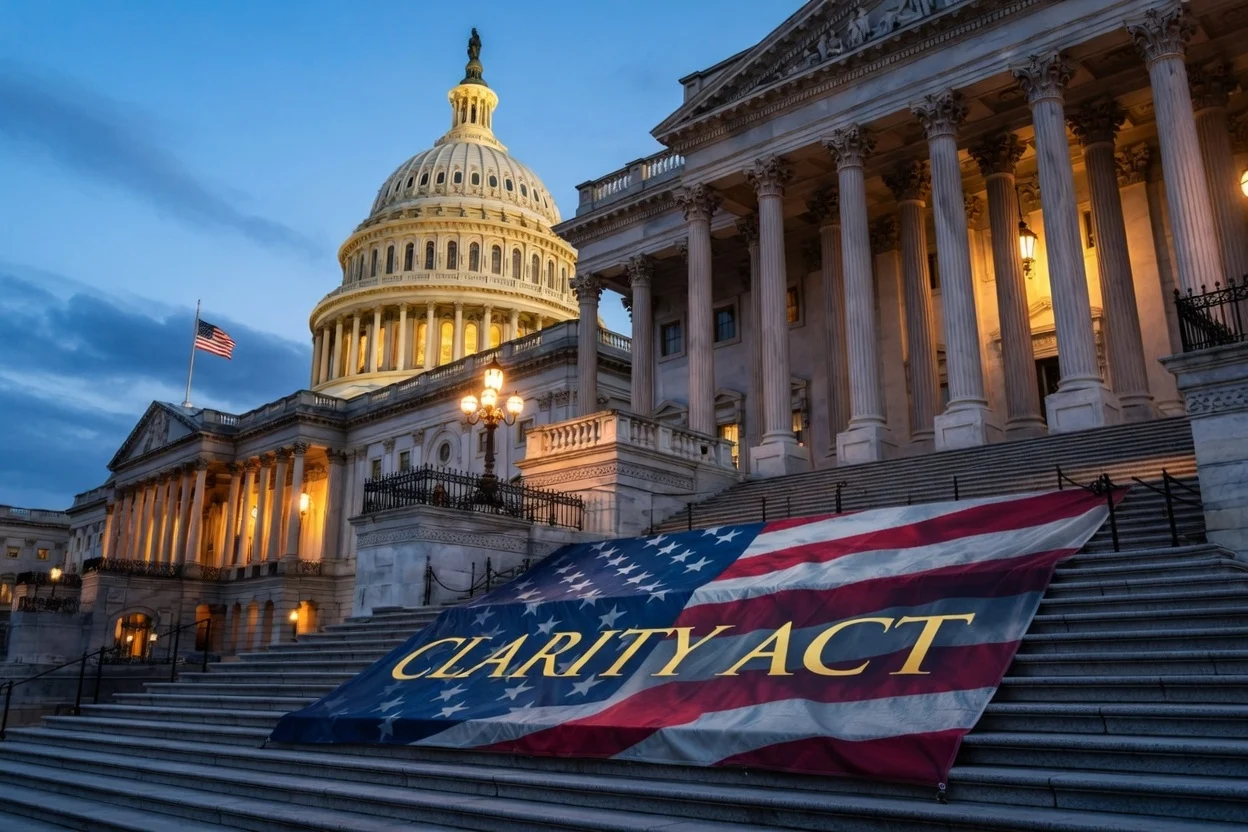
The journey towards comprehensive crypto regulation in the U.S. has been marked by a series of legislative proposals and executive actions, often moving in parallel with agency-led enforcement and guidance.
- Early 2010s: The emergence of Bitcoin sparks initial discussions, with the CFTC declaring Bitcoin a commodity in 2015, signaling its early assertion of jurisdiction over certain digital assets.
- Late 2010s: The ICO boom of 2017-2018 brings increased scrutiny from the SEC, which begins to classify many initial coin offerings as unregistered securities, initiating its "regulation by enforcement" approach.
- 2020-2022: A surge in crypto adoption and innovation, coupled with high-profile market events (e.g., Terra/Luna collapse, FTX bankruptcy), intensifies calls for clearer regulation. Several legislative proposals begin to circulate in Congress, aiming to clarify the roles of the SEC and CFTC. The CLARITY Act gains momentum as one of the more comprehensive proposals.
- Executive Order on Digital Assets (March 2022): President Biden issues an executive order calling for a whole-of-government approach to digital asset regulation, emphasizing consumer protection, financial stability, and U.S. competitiveness. This signals high-level recognition of the issue but tasks agencies with further action.
- September 15, 2026: The CLARITY Act fails to advance in a procedural vote in the Senate, highlighting the persistent legislative gridlock despite bipartisan interest.
- September 17, 2026: The SEC approves a temporary, conditional exemption for specific venues engaged in trading tokenized U.S. stocks within permissioned environments. This narrowly tailored measure allows for limited on-chain trading while the agency deliberates broader rules, notably excluding general crypto platforms or altcoins.
- September 24, 2026: The CFTC releases an updated FAQ, clarifying how registered entities may utilize tokenized forms of investments already permitted for customer funds and providing guidance on using blockchain systems for required recordkeeping. This update applies existing requirements to new technological applications rather than creating new regulatory regimes.
This chronology illustrates a persistent theme: while legislative efforts face significant hurdles, federal agencies continue to leverage their existing mandates to address the evolving realities of digital assets, often through guidance, exemptions, and enforcement actions.
SEC and CFTC Actions: Navigating the Regulatory Vacuum
In the absence of a comprehensive legislative framework like the CLARITY Act, the SEC and CFTC have been proactive in applying their existing authority to the digital asset space. These actions, while crucial for immediate compliance, are inherently narrower in scope than a statute and underscore the limitations of agency-led regulation.
The CFTC’s September 24, 2026, FAQ update serves as a prime example of this approach. It is particularly relevant for compliance within derivatives markets. The guidance clarified how registrants, such as Futures Commission Merchants (FCMs) and Derivatives Clearing Organizations (DCOs), may employ tokenized forms of investments that are already permitted for holding customer funds. This means if a firm is already authorized to hold U.S. Treasury bonds as collateral, the FAQ addresses how they might hold tokenized U.S. Treasury bonds within the existing regulatory framework, rather than expanding the list of eligible investments. Additionally, the update provided insights into the use of blockchain systems for maintaining and producing required records, a critical aspect of operational compliance in an increasingly digital financial landscape. It’s important to note that these FAQs reflect staff views, do not create binding rules, nor do they amend existing regulations. While they offer valuable guidance for compliance planning, their scope is significantly narrower than a statutory framework or a formal agency rule, focusing on registered firms rather than a comprehensive definition of digital assets or a definitive allocation of SEC and CFTC jurisdiction.
Concurrently, the SEC has also demonstrated its intent to regulate through its existing powers. On September 17, 2026, the commission approved a temporary, conditional exemption for certain venues facilitating the trading of tokenized U.S. stocks in permissioned environments. This five-year measure is designed to allow limited on-chain trading of National Market System (NMS) stocks while the agency develops broader regulatory approaches. Crucially, this exemption is highly specific: it does not authorize all crypto platforms, nor does it approve altcoins. Its narrow focus on tokenized NMS stocks within controlled settings highlights the SEC’s cautious, measured approach to integrating blockchain technology into traditional securities markets. This action reflects the SEC’s ongoing efforts to balance innovation with investor protection under its mandate, often leading to a strategy of "regulation by enforcement" where specific digital assets or activities are challenged in court to establish precedents.
These examples underscore the reasons why the CLARITY Act, or similar legislation, remains critically important despite the forward movement of agency regulation. While agencies can effectively address narrower questions, test new approaches, and provide guidance on specific applications of technology, their actions are fundamentally constrained by current statutes. Guidance documents can change, exemptions are typically conditional and temporary, and agency measures are always susceptible to legal challenges or shifts in leadership priorities. A congressional framework, by contrast, could provide more durable and comprehensive rules for asset classifications, clarify venue responsibilities, standardize registration processes, and enshrine robust investor protections, offering a level of certainty that agency actions alone cannot.

Supporting Data and Market Context
The need for regulatory clarity is amplified by the sheer scale and rapid growth of the digital asset market. As of late 2026, the total cryptocurrency market capitalization routinely exceeds $2 trillion, with Bitcoin and Ethereum representing significant portions, but thousands of altcoins contributing to a diverse and complex ecosystem. Institutional interest has surged, with a growing number of traditional financial firms exploring or actively participating in digital asset markets. Reports from major financial institutions indicate that a significant percentage of their clients are either invested in or considering digital assets. For instance, a 2026 survey by Fidelity Digital Assets revealed that over 70% of institutional investors globally are either invested in digital assets or plan to be in the near future, with a substantial portion citing regulatory clarity as a key factor influencing their decisions.
Despite this burgeoning interest, the U.S. regulatory landscape remains fragmented. The absence of clear rules has led to a "turf war" between the SEC and CFTC, each asserting jurisdiction over different aspects of the market. The SEC, under Chair Gary Gensler, has consistently argued that most cryptocurrencies, beyond Bitcoin, qualify as securities and fall under its purview. This stance has led to numerous enforcement actions against crypto exchanges and issuers for allegedly offering unregistered securities. Conversely, the CFTC has focused on digital assets as commodities, particularly in the derivatives space. This dual-agency approach, while necessary in the absence of legislation, creates significant compliance burdens and legal uncertainty for market participants, who often face conflicting signals or the risk of being regulated by both agencies.
Moreover, the global race for digital asset leadership highlights the urgency for the U.S. to establish a coherent framework. Countries and blocs like the European Union (with its MiCA framework), the UK, and several Asian nations are moving forward with comprehensive regulatory regimes. This global competition means that delayed or ambiguous regulation in the U.S. could lead to capital flight and innovation moving to more favorable jurisdictions.
Broader Impact and Implications
The ongoing regulatory uncertainty, coupled with incremental agency actions, carries significant implications for various stakeholders:
- For the Industry: The current environment necessitates a highly cautious and agile approach to compliance. Firms must navigate a complex web of existing regulations, agency guidance, and evolving enforcement priorities. This often translates to higher legal and compliance costs, potentially stifling innovation, especially for smaller startups. The lack of a clear "on-ramp" for new projects can push development offshore, impacting U.S. competitiveness in the global digital economy. The specific exemptions and FAQs, while helpful, are not scalable solutions for an entire industry.
- For Investors: While agencies strive to protect investors through enforcement, the absence of a clear legislative framework leaves many vulnerable. The fundamental questions about which assets are securities versus commodities, what protections apply to different platforms, and how to effectively seek recourse in cases of fraud or mismanagement, remain largely unanswered. The CLARITY Act would not eliminate market risk or make assets like Bitcoin "safe," as cryptocurrencies inherently remain speculative and volatile. However, it would provide a much-needed foundation for understanding platform duties and investor rights, fostering greater confidence.
- For Financial Stability: The rise of stablecoins and tokenized real-world assets also presents new challenges and opportunities for financial stability. While stablecoins and distributed-ledger systems offer potential for more efficient payment and settlement uses, particularly when tokens represent stable assets like U.S. Treasurys, their rapid growth necessitates careful oversight. These uses differ fundamentally from speculative trading of volatile cryptocurrencies and carry distinct, albeit significant, risks related to redemption, liquidity, and systemic contagion. A legislative framework could specifically address these emerging areas, ensuring appropriate reserves, transparency, and interoperability.
- For U.S. Competitiveness: The fragmented U.S. approach stands in contrast to the comprehensive regulatory frameworks emerging in other major economic blocs. The European Union’s Markets in Crypto-Assets (MiCA) regulation, for example, aims to provide a unified rulebook for crypto-asset issuers and service providers across all member states. Such clarity can attract businesses and investment, potentially positioning other regions as leaders in the digital asset space if the U.S. continues to lag on legislative clarity.
In conclusion, while the CLARITY Act’s legislative journey has stalled, the U.S. regulatory apparatus is not static. The CFTC’s FAQ updates on tokenized permitted investments and blockchain recordkeeping, alongside the SEC’s targeted exemption for tokenized NMS stock trading, demonstrate a pragmatic, albeit incremental, progression. These actions are vital for providing some measure of guidance and oversight within the existing legal framework. However, the overarching and fundamental questions — who precisely regulates each segment of the market, which firms are mandated to register, and what comprehensive consumer protections users can definitively expect — underscore the enduring necessity for a decisive legislative framework. Until Congress can forge a consensus and enact comprehensive digital asset legislation, the industry will continue to operate within a complex, often ambiguous, and evolving regulatory landscape shaped largely by agency interpretation and enforcement.














