


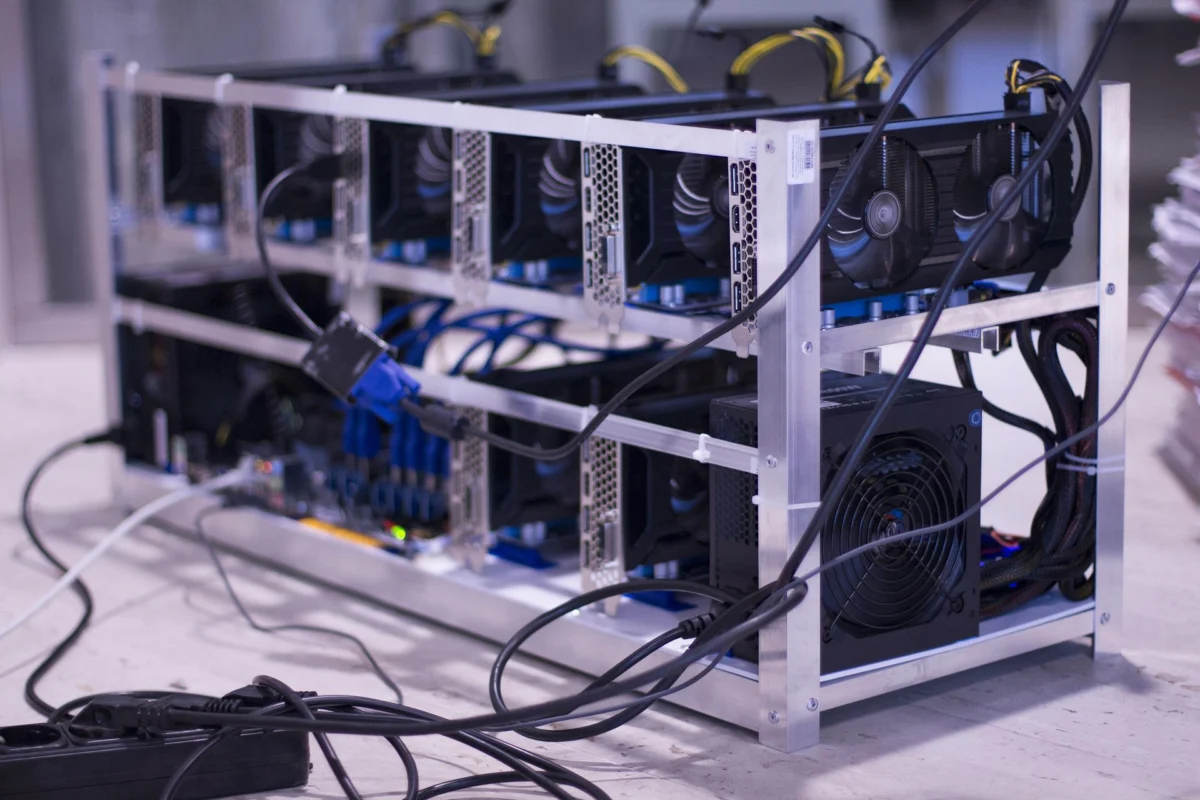
The Iranian government has significantly intensified its crackdown on unauthorized cryptocurrency mining operations, with state law enforcement agencies detecting and dismantling 9,404 illegal mining units across the capital city of Tehran over the past five months. This surge in enforcement comes as the Islamic Republic grapples with a systemic energy crisis characterized by frequent blackouts, aging infrastructure, and a widening gap between electricity supply and demand. According to statements released by Kambiz Nazerian, the head of the Tehran Electricity Distribution Company, the specialized police task forces identified these energy-intensive rigs settled within various districts of the capital, highlighting the pervasive nature of underground mining in Iran’s urban centers.
This latest wave of seizures is part of a broader national strategy to stabilize the country’s electrical grid, which has been pushed to the brink of collapse during peak summer months. In June alone, Iranian authorities reported the confiscation of approximately 7,000 illegal mining machines, signaling a consistent and aggressive campaign against miners who bypass legal channels to exploit the country’s heavily subsidized utility rates. The Iranian government’s struggle with cryptocurrency mining is not an isolated phenomenon but is symptomatic of a regional trend where low-cost energy attracts high-density computing operations, often at the expense of public infrastructure and residential stability.
The Roots of Iran’s Cryptocurrency Mining Boom
Iran’s emergence as a global hub for cryptocurrency mining is primarily driven by its vast reserves of fossil fuels, particularly natural gas, which allow the state to provide some of the most inexpensive electricity in the world. For years, the Iranian government has subsidized energy to support domestic industry and provide relief to its citizens under the weight of international economic sanctions. However, these low rates created a massive incentive for "tech-enthusiasts" and professional mining syndicates to establish operations within the country.
The economic logic is simple: the cost of the electricity required to "mint" a single Bitcoin in Iran is a fraction of the global average. This profit margin has attracted not only local entrepreneurs but also significant foreign investment. Reports from various Iranian media outlets suggest that a substantial portion of the country’s mining activity is conducted by highly organized and influential networks, including several Chinese investment groups. These entities often leverage industrial-scale hardware to maximize output, placing an unprecedented load on a grid that was never designed to accommodate such intensive, continuous demand.
Exploitation of Public Infrastructure and Subsidized Power
One of the most contentious aspects of the illegal mining landscape in Iran is the strategic placement of mining rigs in public and religious institutions. Because the government provides free or heavily subsidized electricity to mosques, schools, and other community centers, these locations have become prime targets for unregistered miners. By concealing high-powered ASIC (Application-Specific Integrated Circuit) machines within these facilities, miners can operate with zero overhead costs for energy, effectively siphoning resources intended for public service.
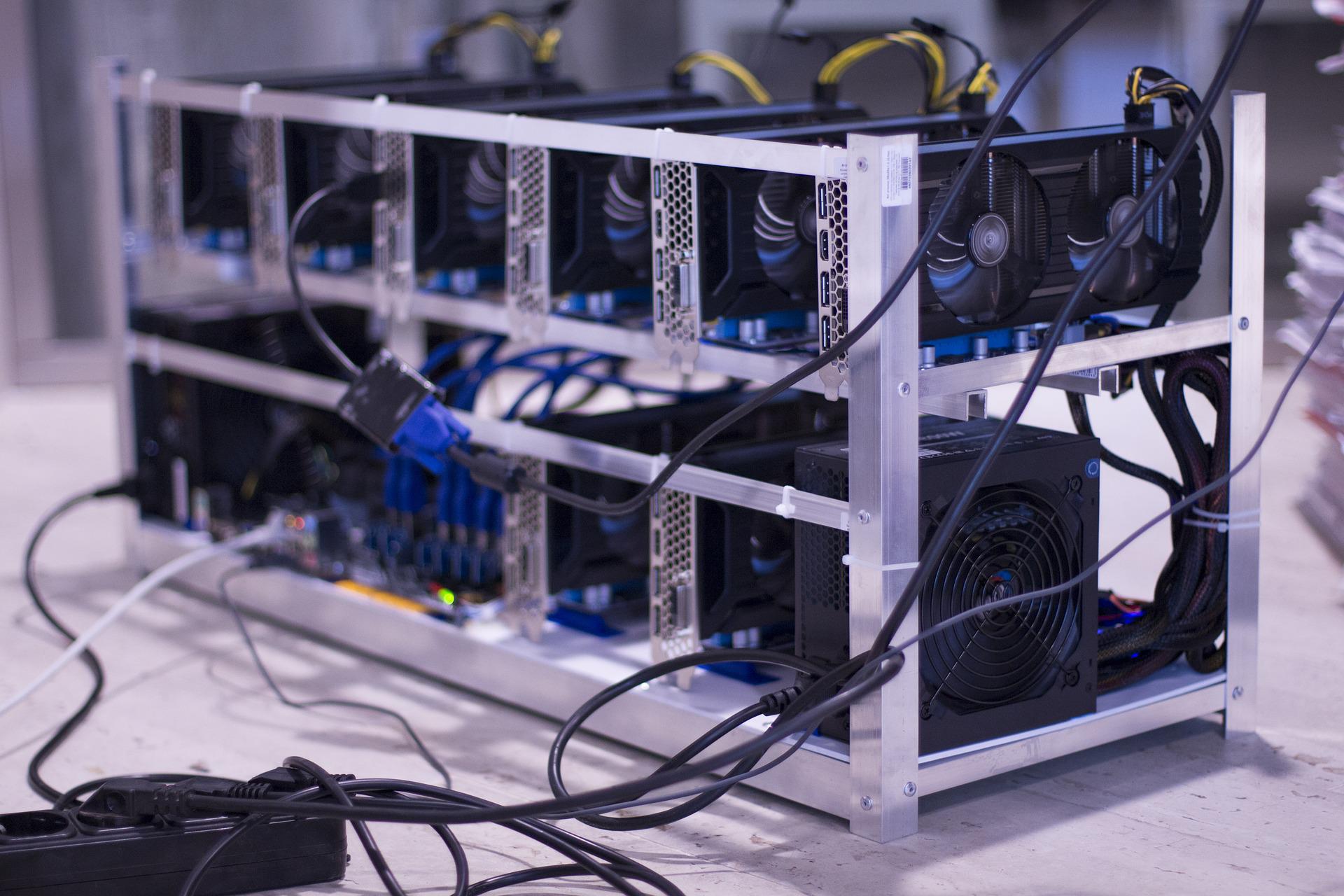
This practice has sparked public outrage and prompted the state-run energy provider, Tavanir, to implement more sophisticated monitoring systems to detect unusual spikes in consumption. The detection of over 9,000 units in Tehran suggests that the scale of this "parasitic" mining is much larger than previously estimated. Authorities have noted that the 1,620 operations shut down earlier this month alone consumed an estimated 250 megawatts of electrical power over an 18-month period—an amount of energy sufficient to power hundreds of thousands of Iranian households.
Chronology of Regulatory Action and Government Bans
The Iranian government’s relationship with the crypto industry has been a pendulum of cautious legalization and strict prohibition. The following timeline illustrates the escalating tensions between the state and the mining sector:
- Early 2021: Tavanir announces the seizure of 45,000 illegal mining machines that were found using subsidized electricity intended for other sectors.
- March 2021: Data from the Cambridge Bitcoin Electricity Consumption Index (CBECI) reveals that Iran accounts for approximately 7.5% of the global Bitcoin hashrate, placing it among the top mining nations in the world.
- May 2021: Following a series of devastating power outages and subsequent national protests, the Iranian presidency issues a blanket four-month ban on all cryptocurrency mining, including licensed operations, to preserve the grid during the summer heat.
- Late 2021: Restrictions are partially lifted for licensed miners, but the government imposes strict "peak hour" shutdowns, requiring miners to cease operations during periods of high residential demand.
- June 2022: A massive crackdown results in the confiscation of 7,000 illegal machines in a single month.
- August 2022: The Tehran Electricity Distribution Company confirms the cumulative seizure of 9,404 units over the previous five months, reaffirming the state’s zero-tolerance policy toward unregistered activities.
To manage the current crisis, authorities have gone as far as cutting the power supply to 118 licensed mining platforms during the hottest months of the year. This move demonstrates that even those who follow the legal framework are not immune to the country’s desperate need for load shedding.
The Intersection of Mining, Sanctions, and the National Economy
The Iranian government’s stance on cryptocurrency is complicated by the country’s unique geopolitical position. Under heavy secondary sanctions from the United States, Iran has looked toward digital assets as a potential vehicle for bypassing traditional banking restrictions and facilitating international trade. In some instances, the Central Bank of Iran has explored using mined Bitcoin to pay for imports, effectively turning the country’s energy reserves into liquid digital gold.
However, this strategic benefit is constantly at odds with the domestic reality of energy scarcity. While mining provides a way to "export" energy in the form of digital currency without needing physical pipelines or tankers, the infrastructure cost is proving to be unsustainable. The power blackouts caused by mining have led to widespread public dissatisfaction and protests, creating a political liability that the government cannot ignore. The authorities are thus caught in a paradox: they view cryptocurrency as a valuable tool for economic survival on the global stage, but they view the miners themselves as a threat to internal social and infrastructural stability.
Technical Demands and the Strain on the Grid
Cryptocurrency mining is a process that requires immense computational power to solve complex mathematical puzzles, which in turn secures the blockchain network. This process, known as Proof of Work (PoW), requires specialized hardware that runs 24 hours a day, generating significant heat and consuming vast amounts of electricity.

In a country like Iran, where the electrical grid is already strained by high temperatures and aging power plants, the addition of several gigawatts of mining demand can lead to catastrophic failures. The state-run energy provider Tavanir has reported that the unauthorized load from mining is one of the primary reasons for the frequency of "brownouts"—periods where voltage drops—and total blackouts. These fluctuations not only affect residential comfort but also damage industrial equipment and disrupt essential services like hospitals and water treatment plants.
Broader Implications and Global Context
Iran is not the only nation forced to choose between a burgeoning crypto industry and grid stability. In 2022, Kosovo implemented a similar ban on cryptocurrency mining following a state of emergency over energy shortages. Likewise, regions in Russia and parts of the United States (such as Texas) have faced legislative debates regarding the burden that large-scale mining operations place on local utilities.
The Iranian situation, however, is exacerbated by the lack of transparency and the prevalence of "gray market" operations. Because a significant portion of the mining is done illegally to take advantage of subsidies, the government cannot accurately forecast demand or tax the revenue generated. This has led to a "cat-and-mouse" game between miners and the police, with miners constantly moving their rigs to avoid detection and authorities using thermal imaging and grid analysis to track them down.
Conclusion: The Path Forward for Iranian Crypto Policy
As the current ban on mining operations is set to be reviewed or lifted in the coming months, the Iranian government faces a difficult path forward. The recent seizure of 9,404 units in Tehran serves as a warning to those operating outside the law, but it does not solve the underlying issue of energy mismanagement.
For Iran to successfully integrate cryptocurrency mining into its national economy, it must first modernize its power grid and establish a pricing tier for miners that reflects the true cost of energy production, thereby removing the incentive for illegal siphoning. Until the infrastructure can support the digital age’s demands, the "war on miners" is likely to continue, with the state prioritizing the basic needs of its citizens—lighting, cooling, and water—over the lucrative but volatile world of digital asset production. The coming winter and subsequent summer will be the ultimate test of whether Iran’s regulatory crackdowns are enough to keep the lights on for its 85 million residents.














