


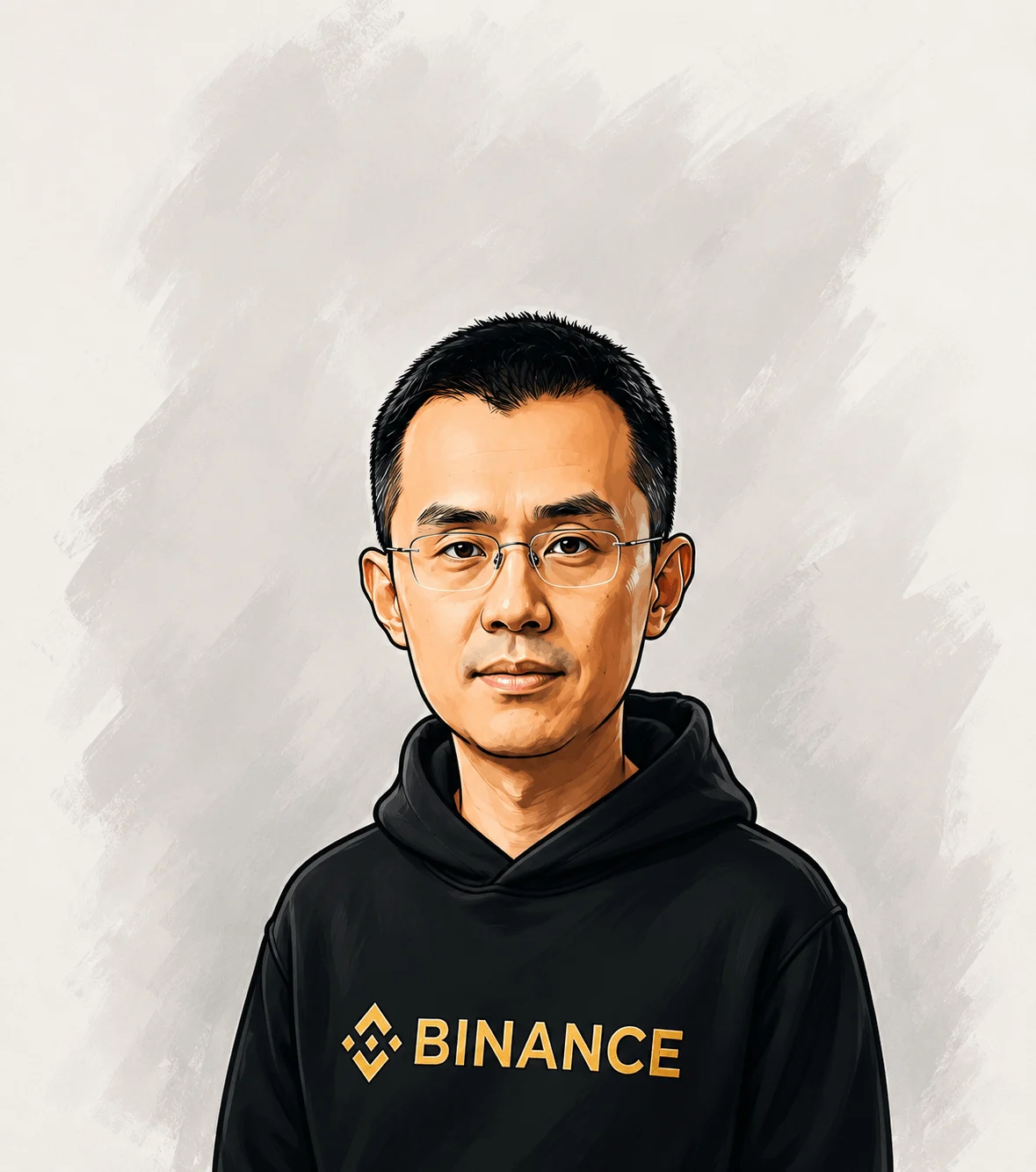
Changpeng "CZ" Zhao, the influential co-founder of global cryptocurrency exchange Binance, has announced his decision to retire a public crypto wallet address, citing an insurmountable deluge of unsolicited token deposits that rendered the address increasingly unmanageable. This pivotal move, disclosed by Zhao on August 16, 2026, stems from practical difficulties he encountered while attempting to navigate and manage his legitimate holdings, such as BNB, during a period of testing the Trust Wallet application. The unprecedented accumulation of unwanted digital assets within the wallet had escalated to a point where even routine account management became a public spectacle, repeatedly drawing the attention of traders and the broader crypto community to otherwise unrelated transactions. Zhao’s ultimate solution involves transferring out his desired assets, donating a significant sum to his non-profit educational initiative, Giggle Academy, and subsequently abandoning the address entirely.
The genesis of this operational challenge can be traced back to February 2025 when Zhao first publicly identified the wallet address. This initial disclosure occurred in the context of a philanthropic gesture: a donation of 150 BNB, valued at approximately $100,000 at the time of the transfer. While intended to foster transparency and perhaps inspire similar charitable contributions, the public visibility of the address inadvertently transformed it into a magnet for a wide array of unsolicited crypto deposits. The permissionless architecture inherent to blockchain networks, which allows any individual to send tokens to any public address without requiring the recipient’s explicit approval, proved to be both a foundational strength of decentralization and, in this specific instance, a significant operational challenge for a high-profile figure like Zhao.
Over the subsequent months, the trickle of unwanted tokens swelled into a torrent. By July 2026, Zhao publicly revealed that the wallet had become inundated with "tens of thousands" of distinct tokens, making the simple act of locating his intended BNB balance a formidable task. The sheer volume and diversity of these unsolicited assets created a digital quagmire, turning what should have been a straightforward wallet interface into a chaotic ledger. Zhao reported encountering significant difficulty in navigating the Trust Wallet interface due to the overwhelming number of token balances displayed. Attempts by Zhao to mitigate this issue through periodic "cleanup" operations, involving the burning of these unwanted tokens, inadvertently created another layer of complexity. Each burn transaction, publicly recorded on the immutable blockchain ledger, attracted fresh scrutiny and speculation from the crypto market, interpreting these operational maneuvers as potential market signals or even subtle endorsements of the very tokens he was attempting to discard. This cycle of receiving, attempting to clean, and inadvertently generating further attention became unsustainable.
Zhao’s predicament underscores a broader challenge faced by prominent individuals and entities within the cryptocurrency space. Unlike traditional financial accounts, where unwanted deposits can often be rejected or returned without public record, blockchain transactions are transparent and irreversible. For figures like CZ, whose every on-chain move is scrutinized by a global audience, the mere presence or movement of certain tokens can ignite widespread speculation. Meme coin spam, often sent en masse to popular addresses, thus transcended mere digital clutter; it became a catalyst for ongoing market discussion and the misinterpretation of routine wallet maintenance. Blockchain analytics firm Arkham Intelligence reported that over the past year, spam assets destroyed from wallets linked to Zhao exceeded an estimated $6.24 million, a testament to the persistent and costly nature of the problem. During one notable cleanup effort, Zhao himself sent 400 million third-party tokens, valued at approximately $1.6 million, to a standard 0x…dEaD burn address, a common practice for permanently removing tokens from circulation. However, even these decisive actions failed to stem the relentless tide of new, unsolicited deposits.
Chronology of a Public Wallet’s Journey
The lifecycle of CZ’s public wallet, from a transparent philanthropic tool to an unmanageable repository of digital detritus, offers a compelling case study in the dynamics of blockchain transparency and public engagement:
- February 2025: The wallet address is first made public by Changpeng Zhao. This occurs after he initiates a significant donation of 150 BNB from this address, valued at approximately $100,000 at the time of the transfer. The intention is likely to promote transparency and charitable giving within the crypto community, demonstrating direct on-chain philanthropy. This act, however, inadvertently exposes the address to the wider blockchain ecosystem, making it a target for all types of inbound transactions.
- Early 2025 – Mid 2026: Following its public disclosure, the wallet begins to receive an increasing volume of unsolicited token deposits. These range from obscure meme coins with minimal utility to tokens designed purely for speculative purposes, sent by various actors across different blockchain networks, primarily the BNB Chain. The total value of these unwanted assets quickly surpasses $1 million, accumulating steadily over time. Zhao explicitly states that he would not personally retain these unsolicited assets, acknowledging the ethical implications of holding tokens sent without his consent or request. This stance aims to mitigate any perception of endorsement or profit from such unsolicited transfers.
- July 2026: The problem reaches a critical mass. Zhao publicly expresses his frustration with the state of the wallet, revealing that it now holds "tens of thousands" of distinct tokens. This immense number significantly complicates the user experience, making it arduous to identify and manage legitimate holdings, like his BNB balance, within the wallet interface. The digital clutter impedes basic functionality and turns simple tasks into time-consuming endeavors.
- Various Cleanup Efforts (Throughout 2025-2026): In attempts to regain control and clear the wallet, Zhao undertakes several "cleanup" operations. These typically involve consolidating and then sending unwanted tokens to known burn addresses, effectively removing them from circulation and demonstrating his non-acceptance of the assets. One such notable instance involved the burning of 400 million third-party tokens, which were valued at approximately $1.6 million at the time of the transaction. Despite these concerted efforts, the permissionless nature of blockchain transactions meant that new unsolicited tokens would invariably arrive shortly after each cleanup, perpetuating the cycle and rendering continuous management unsustainable.
- August 16, 2026: Changpeng Zhao officially announces his decision to retire the problematic public wallet address. He communicates his plan to systematically transfer all legitimate and desired assets out of the wallet to a new, private address. Concurrently, he reveals his intention to donate the remaining valuable assets, specifically BNB and BinanceLife tokens, to Giggle Academy, a non-profit educational initiative he founded. This announcement signals a definitive end to his active management of the public address.
- Post-August 16, 2026 (Forthcoming): Following the transfer of legitimate assets and the charitable donation, the wallet address will be entirely abandoned by Zhao. While any future unsolicited deposits will still be visible on the blockchain, as the ledger is immutable, they will no longer trigger any management actions or public reactions from Zhao, effectively rendering the address dormant and unmanaged from his perspective. This marks a strategic shift from active management to passive observation for the address.
The Decision to Retire: A Practical and Philanthropic Resolution
Ultimately, Zhao concluded that the wallet could not be permanently purged of unsolicited assets, as new tokens continued to arrive relentlessly after every cleanup attempt. His chosen exit strategy involves a two-pronged approach: first, to transfer out any assets he genuinely wishes to preserve and manage, and second, to cease all future use of the address. This practical decision is coupled with a significant philanthropic act: the remaining BNB and BinanceLife tokens, which were acquired using BNB, will be donated to Giggle Academy before the address is fully abandoned. Odaily, a prominent crypto news outlet, estimated the value of this planned donation at approximately $960,000, thereby giving a charitable and impactful endpoint to a year-long operational challenge.
This move effectively transforms a personal operational headache into a substantial contribution to a cause Zhao deeply champions. Giggle Academy, a non-profit organization founded by Zhao, operates as a free online education platform specifically designed for children globally. Its innovative pedagogical approach integrates gamification, artificial intelligence (AI), and multilingual learning resources to provide engaging and accessible education, aiming to bridge educational gaps and foster digital literacy from a young age. The academy’s operational model involves converting most crypto donations, including those from Zhao, into BNB towards the end of each month. This BNB is then strategically sold when the academy requires operational funds to sustain its initiatives and expand its global reach, ensuring financial stability for its educational programs.
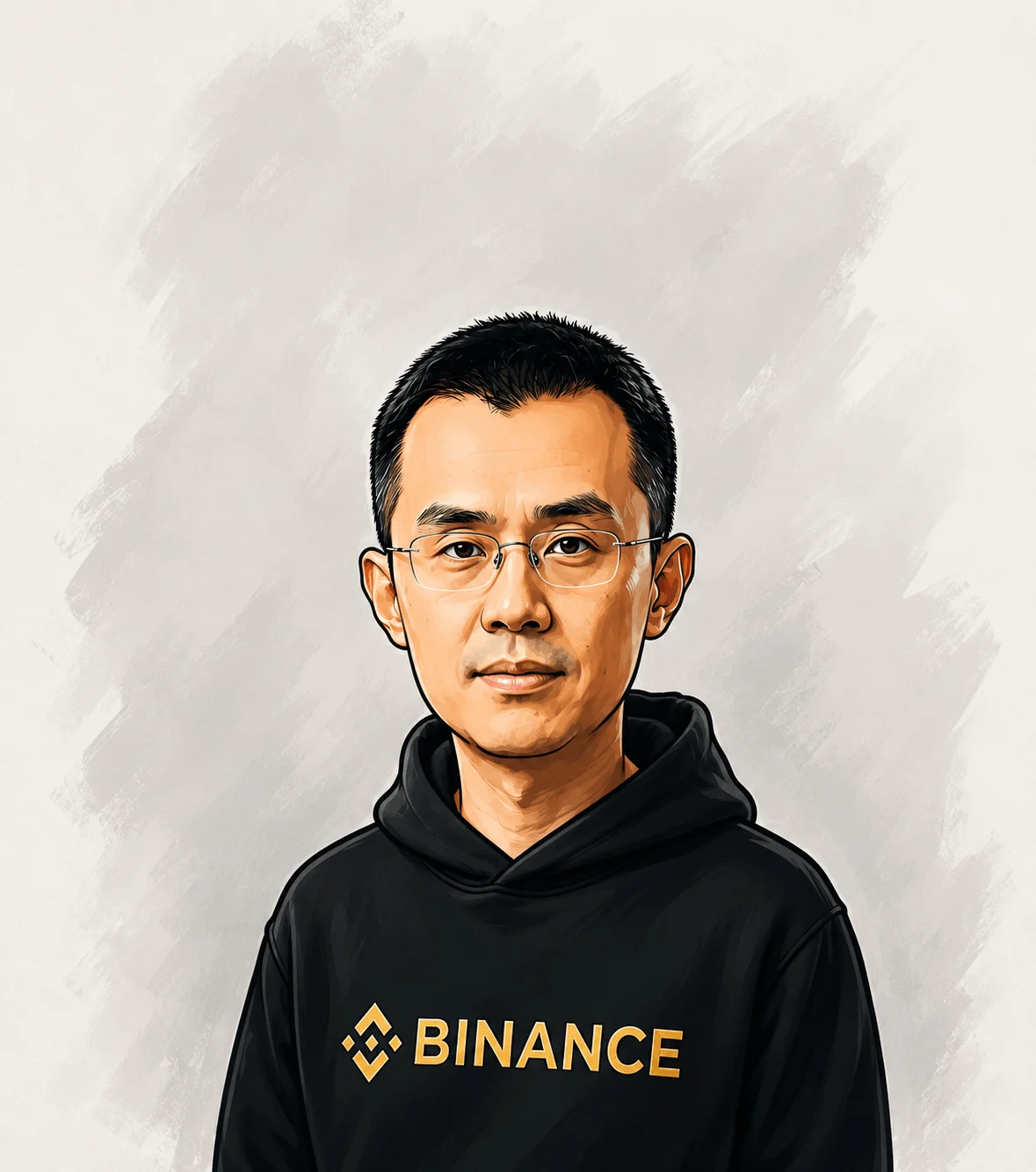
The BinanceLife token, another asset included in the donation, is described by Binance as a community-driven BNB Chain token, with its value primarily influenced by market sentiment and community activity rather than a centralized development team. On August 16, 2026, the token was trading near $0.504, reflecting a modest gain of approximately 5.7% over the preceding 24 hours, and boasted a market capitalization close to $500 million. By including such tokens in his donation, Zhao is not only contributing financial resources but also potentially boosting the visibility and community engagement of a project within the broader Binance ecosystem, demonstrating support for community-driven initiatives.
Zhao’s description of the retired wallet as an "effective burn address" highlights an important conceptual distinction. While technically different from sending assets to an inaccessible, cryptographically generated burn wallet (e.g., 0x…dEaD), abandoning the address achieves a similar outcome from an operational standpoint for Zhao. Future meme coin spam or unsolicited tokens sent to this address will remain publicly visible on the blockchain, as the ledger is immutable, but they will no longer trigger any wallet cleanup efforts or necessitate public reaction from him. This effectively renders the address inert from a management perspective. By pairing the retirement with a nearly $1 million donation to Giggle Academy, Zhao is closing a protracted year-long wallet management problem with a clearly defined, impactful final transfer, redirecting potential future distractions into tangible educational support for children worldwide.
Broader Implications for Crypto Wallet Management and Public Figures
The saga of CZ’s public wallet offers several critical insights into the evolving landscape of cryptocurrency and blockchain technology, particularly for high-profile individuals and organizations operating within this space.
Firstly, it underscores the inherent duality of blockchain transparency. While the immutable and public nature of ledger entries is foundational to trust and auditability in decentralized systems, it simultaneously introduces unique challenges related to privacy and operational security. For a figure as prominent as CZ, whose every on-chain movement is meticulously tracked by analytics firms and market observers, a publicly known address becomes a double-edged sword. It allows for transparent philanthropy and community engagement but also opens the floodgates to "dusting attacks" – sending tiny amounts of crypto to wallet addresses to potentially de-anonymize users – or, as in this case, simply create nuisance and overwhelming clutter. The sheer volume of unwanted assets highlights a potential vector for targeted disruption or simply overwhelming a user’s interface, proving that transparency, while beneficial, demands robust management strategies.
Secondly, the incident brings to light the nascent state of user experience and tooling in the crypto space. While wallets have advanced significantly in terms of security and basic functionality, the ability to effectively filter, ignore, or automatically manage unsolicited inbound transactions remains a frontier for development. The current manual and public nature of "cleanup" operations, as demonstrated by CZ’s efforts, is far from ideal for mainstream adoption or for managing high-volume public addresses. This situation could spur innovation in wallet software, potentially leading to features like customizable spam filters, "ignore" lists for specific tokens, or even more sophisticated AI-driven categorization of assets that distinguish between legitimate transfers and unsolicited spam, thereby enhancing user experience and operational efficiency for all crypto users, not just high-profile ones.
Thirdly, the case highlights the "market signal" phenomenon within crypto. Any transaction involving a high-profile wallet, especially one linked to a figure like Binance’s co-founder, is instantly amplified and analyzed by a global community of traders and enthusiasts. The act of burning tokens, intended as a simple cleanup, was often misinterpreted as a potential endorsement or a subtle market manipulation signal, leading to further speculation and unwanted attention on the tokens being discarded. This demonstrates the immense responsibility and scrutiny that comes with operating at the pinnacle of the crypto industry, where even mundane actions can have unintended market ripple effects and fuel speculative trading.
Finally, CZ’s resolution through a significant charitable donation sets a precedent for how high-profile individuals might address similar challenges. Instead of simply abandoning the wallet, which might be perceived negatively as a lack of responsibility or an admission of defeat, he has channeled the remaining value into a philanthropic endeavor. This not only provides a tangible benefit to Giggle Academy, aligning with his long-term vision for education, but also reinforces a positive public image, transforming a technical inconvenience into a benevolent act. It subtly communicates that while the permissionless nature of blockchain can create operational hurdles, it also provides novel avenues for transparent and impactful charitable giving, showcasing the dual potential of the technology.
In conclusion, Changpeng Zhao’s decision to retire his public crypto wallet is more than just a personal operational adjustment; it is a significant event that encapsulates several core tenets and challenges of the cryptocurrency world. It reflects the double-edged sword of blockchain transparency, the current limitations of wallet management tools for high-profile users, and the unique dynamics of market perception in a globally connected, always-on digital asset ecosystem. His resolution, culminating in a substantial donation to Giggle Academy, provides a pragmatic and socially responsible model for navigating the complexities of public visibility in the decentralized future. This episode will undoubtedly serve as a valuable case study for developers, users, and policymakers alike as the crypto industry continues its rapid evolution, emphasizing the need for more sophisticated tools and strategies to manage the open and permissionless nature of blockchain interactions.














