


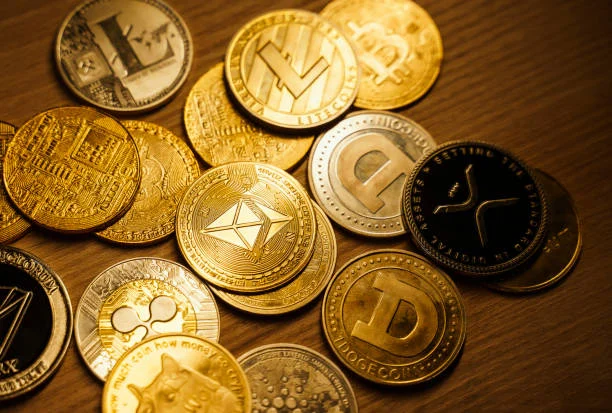
The data provided by CryptoQuant focuses specifically on spot market flows, which are often considered a more accurate representation of long-term investor intent than derivatives or futures markets. While futures markets can be driven by leverage and short-term hedging, spot flows indicate whether market participants are physically accumulating assets or liquidating their holdings to exit the market. The current delta of $209 billion in favor of sellers suggests that the "bid" for altcoins has reached a point of extreme fragility, leaving the sector vulnerable to continued stagnation or further downside volatility.
The Magnitude of the Spot Sell-Off
To understand the gravity of the current $209 billion cumulative sell volume difference, it is necessary to look back at the market cycle that began in 2020. During the early stages of the 2020-2021 bull run, the market saw a massive influx of retail and institutional capital into decentralized finance (DeFi) protocols and emerging Layer-1 blockchains. At that time, the net buy/sell volume was heavily skewed toward accumulation, leading to the "Altcoin Season" of 2021, where many assets saw 10x to 100x returns.
However, the current trajectory is a mirror image of that period. Since the peak of the 2021 cycle and the subsequent crashes of 2022—including the collapses of the Terra-Luna ecosystem and the FTX exchange—altcoins have struggled to regain their former momentum. The $209 billion sell pressure indicates that even as Bitcoin has reached new all-time highs in 2024, the capital has not significantly "trickled down" into the broader altcoin market in the way it did in previous cycles. Instead, investors appear to be using every minor relief rally as an opportunity to reduce their exposure to higher-risk assets.
A Chronology of Market Displacement
The path to the current state of altcoin exhaustion can be traced through several pivotal phases over the last four years. Following the 2020 halving and the subsequent explosion of interest in Ethereum-based applications, the altcoin market reached a state of euphoria in late 2021. However, the macro environment changed drastically in 2022 as the Federal Reserve began a series of aggressive interest rate hikes to combat inflation. This pivot toward "risk-off" sentiment hit the most speculative corners of the crypto market the hardest.
In 2023, the market began a slow recovery, but the nature of the recovery was fundamentally different from previous years. Rather than a broad-based rally, the gains were concentrated almost exclusively in Bitcoin. The narrative was further narrowed in early 2024 with the approval of Spot Bitcoin Exchange-Traded Funds (ETFs) in the United States. While this brought billions of dollars in institutional capital into the ecosystem, it created a "liquidity vacuum." Institutional investors now have a regulated, low-friction way to gain exposure to Bitcoin, which has reduced the incentive to gamble on unproven altcoin projects.
Throughout late 2024 and into early 2025, the "altcoin season" that many retail traders expected has failed to materialize. Instead, the market has seen a "fragmentation" of liquidity. While certain niches, such as Solana-based memecoins or specific AI-themed tokens, have seen bursts of activity, the vast majority of the top 500 cryptocurrencies have remained in a persistent downtrend relative to Bitcoin.
Analyzing the Drivers Behind Persistent Selling Pressure
Several factors contribute to the deepest spot sell pressure in four years. Chief among them is the professionalization of the crypto asset class. Institutional desks and hedge funds, which now command a larger share of the market than in 2020, prioritize liquidity and regulatory clarity. Bitcoin and, to a lesser extent, Ethereum meet these criteria. Most altcoins do not. Consequently, when large-scale investors rebalance their portfolios, they often liquidate altcoin positions to consolidate into Bitcoin or move into stablecoins to capture yield.
Furthermore, the "retail mania" that typically drives altcoin cycles has been noticeably absent or redirected. In previous cycles, retail investors used platforms like Coinbase or Binance to buy a diversified basket of "utility" tokens. In the current environment, retail participation has shifted toward extremely high-risk, low-liquidity assets like memecoins. This has left the "middle class" of the altcoin market—projects with significant market caps but no clear institutional use case—in a state of perpetual sell pressure as early investors and venture capital firms look for exit liquidity.
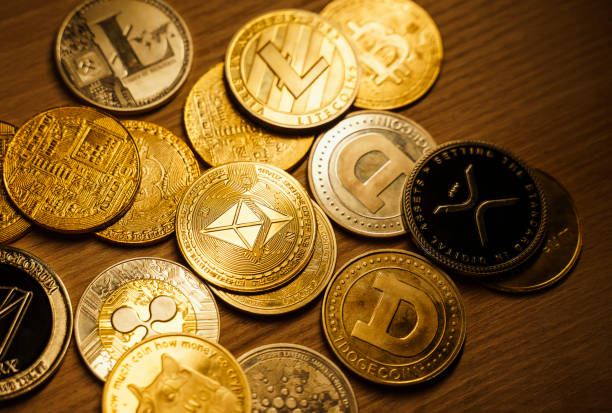
The role of stablecoins cannot be overstated in this analysis. As of 2025, the market capitalization of stablecoins like USDT and USDC remains near record highs. This suggests that while capital is not necessarily leaving the crypto ecosystem entirely, it is sitting on the sidelines. Investors are choosing the safety of a dollar-pegged asset over the volatility of an altcoin, especially when high-interest rates in traditional finance provide a compelling alternative for "parked" capital.
The Contrarian Perspective: Is a Bottom Near?
While the CryptoQuant data paints a grim picture of current demand, market historians often view extreme sell pressure as a necessary precursor to a market bottom. In technical analysis, a "capitulation" event occurs when the last remaining "weak hands"—investors who bought at higher prices and held through the decline—finally sell their positions.
The $209 billion cumulative sell volume suggests that the market has undergone a massive cleansing of speculative positions. When selling pressure is this deep and this prolonged, the market becomes "under-owned." If the majority of participants who intended to sell have already done so, it takes a significantly smaller amount of new "buy" pressure to move prices upward.
Traders often look at "Altcoin Season" gauges, which measure the performance of the top 50 altcoins against Bitcoin over a 90-day period. Currently, these gauges remain in the mid-to-low range, indicating that the market is far from a state of euphoria. From a contrarian standpoint, this skepticism is often more bullish than widespread optimism. However, as the CryptoQuant analysis warns, exhaustion is not the same as a reversal. A market can remain "out of favor" for an extended period if there is no catalyst to bring buyers back.
Broader Implications for the Crypto Ecosystem
The prolonged sell pressure on altcoins has significant implications for the future of the industry. First, it is likely to lead to a "great consolidation." Thousands of projects launched during the 2021-2022 era lack the treasury or the community support to survive another year of stagnant prices and net outflows. This could result in a healthier ecosystem where only projects with genuine utility and sustainable economic models survive.
Second, the data highlights the increasing dominance of Bitcoin. If the trend of spot selling in altcoins continues, Bitcoin’s market dominance could return to levels seen in the pre-DeFi era. This would reinforce Bitcoin’s status as "digital gold" while reclassifying altcoins as a separate, more speculative asset class akin to penny stocks or early-stage venture capital.
Finally, the shift from net selling to net accumulation will likely require a change in the macroeconomic backdrop. Should the Federal Reserve signal a more aggressive return to quantitative easing, or should regulatory clarity in the United States improve for "non-Bitcoin" assets, the $209 billion in sell pressure could eventually flip. Until that shift is reflected in the spot volume delta, the altcoin market remains in a defensive posture.
In summary, the data from CryptoQuant serves as a sobering reminder of the current market reality. While Bitcoin continues to capture the spotlight and institutional dollars, the broader altcoin market is laboring under the weight of a multi-year liquidation phase. For investors, the challenge remains distinguishing between a market that is "cheap" due to temporary lack of interest and one that is declining due to fundamental obsolescence. The path forward for altcoins will depend on their ability to attract real-world demand and move beyond the speculative cycles of the past.














