


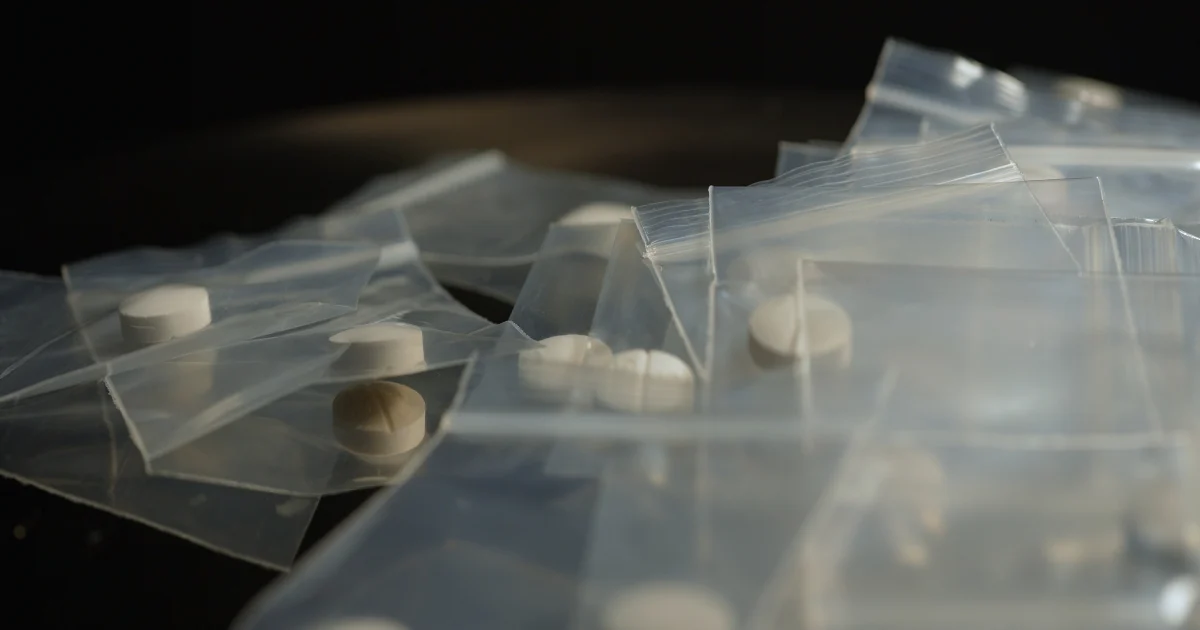
In a significant blow to the illicit synthetic opioid trade, federal authorities have unsealed charges against two brothers from Jacksonville, Florida, who allegedly operated a prolific darknet narcotics operation responsible for a series of overdoses across the United States. The case against Vladislav and Stanislav Chernyshov highlights a growing and dangerous evolution in the American drug crisis: the rise of nitazenes, a class of synthetic opioids that can be significantly more potent than fentanyl, distributed through the perceived anonymity of the darknet and cryptocurrency.
The U.S. Department of Justice announced the arrests following a multi-year, multi-agency investigation into a vendor known by the pseudonym "BarbaraWhite." This entity, active on several of the internet’s most notorious darknet marketplaces since at least 2020, is alleged to have distributed over 95,000 counterfeit pills. The gravity of the operation is underscored by its connection to at least 12 documented overdoses, three of which were fatal. The investigation serves as a landmark case study in how federal agents are now successfully combining traditional "boots-on-the-ground" surveillance with cutting-edge blockchain analytics to dismantle digital drug syndicates.
The Evolution of the Synthetic Opioid Crisis
The context of the BarbaraWhite investigation is rooted in a devastating national emergency. According to data from the Centers for Disease Control and Prevention (CDC), synthetic opioids have fundamentally reshaped the landscape of American drug mortality. At the peak of the crisis in 2023, synthetic opioids accounted for approximately 69% of the more than 100,000 recorded overdose deaths in the country. While fentanyl has long been the primary driver of these statistics, law enforcement and public health officials are now grappling with the emergence of nitazenes.
Nitazenes, often referred to as "Frankenstein drugs," were originally developed by researchers in the 1950s as potential pain-relieving medications but were never approved for human use due to their extreme potency and high risk of respiratory depression. In recent years, illicit chemists have revived these formulas to bypass fentanyl-specific regulations. Some nitazene analogs, such as isotonitazene or protonitazene, are estimated to be 10 to 40 times more powerful than fentanyl, making even microscopic amounts potentially lethal. The BarbaraWhite operation frequently marketed these substances as "fentanyl-free," a deceptive branding tactic that may have contributed to the high rate of overdoses among customers who believed they were consuming less dangerous substances.
Chronology of the BarbaraWhite Operation
The digital trail left by the BarbaraWhite persona began as early as 2020. According to the federal affidavit, the operation established a presence on several major darknet marketplaces, including Bohemia, Nemesis, and Abacus. These platforms, accessible only via specialized software like Tor, provide a storefront for illegal goods where transactions are shielded by layers of encryption.
Throughout its four-year tenure, BarbaraWhite built a reputation for reliability and scale. Records recovered from just three of the marketplaces indicate the sale of nearly 100,000 pills. The operation specialized in counterfeit medications—pills designed to look like legitimate prescription opioids or benzodiazepines but which actually contained a volatile mix of fillers and synthetic opioids.
The investigation gained significant momentum as law enforcement began linking specific non-fatal and fatal overdoses back to the packages shipped by the vendor. By analyzing postal records and tracking the physical movement of packages originating from the Jacksonville area, investigators began to narrow their focus. However, it was the financial architecture of the operation that ultimately provided the definitive link to the Chernyshov brothers.
Deciphering the Crypto Trail: A Financial Blueprint
The primary lure of cryptocurrency for darknet vendors is the perception of anonymity. By using Bitcoin and other digital assets, sellers believe they can bypass the traditional banking system and its associated "Know Your Customer" (KYC) regulations. However, the transparent nature of the blockchain—a public ledger of every transaction ever made—turned this perceived strength into a critical vulnerability.
Federal investigators utilized sophisticated blockchain analytics software to map the financial ecosystem of BarbaraWhite. By identifying Bitcoin addresses used for withdrawals on the Nemesis and Bohemia markets, agents were able to "cluster" various wallets belonging to the same entity. The analysis revealed a sophisticated flow of funds:

- Inbound Revenue: The identified wallets received approximately $220,000 in cryptocurrency from various darknet marketplaces, representing the proceeds of thousands of individual drug sales.
- Outbound Expenditures: The wallets sent approximately $230,000. These outgoing payments provided a roadmap of the operation’s supply chain.
A critical discovery in the financial data was a series of payments totaling approximately $7,210 to a chemical supplier based in China. This supplier is alleged to have been the source of the raw nitazenes used to press the counterfeit pills. This "precursor" stage of the operation is a common feature of the modern drug trade, where raw chemicals are shipped internationally under the guise of "research chemicals" or industrial supplies before being processed into retail-ready narcotics in domestic clandestine labs.
Further analysis of the blockchain data showed transactions between the BarbaraWhite wallets and other digital addresses that were eventually linked to a mobile payment app account belonging to Stanislav Chernyshov. This "off-ramp"—the point where cryptocurrency is converted into fiat currency or used in the real-world economy—is often where the digital and physical identities of cyber-criminals collide.
The China Connection and the Global Supply Chain
The BarbaraWhite case highlights the international dimensions of the synthetic drug trade. The $7,210 payment to a Chinese chemical supplier underscores the role of overseas laboratories in fueling the U.S. opioid crisis. China has historically been a primary source for the precursor chemicals used to manufacture synthetic opioids. Despite increased regulatory pressure and international cooperation, illicit manufacturers frequently alter the chemical structure of their products slightly to create new, "legal" analogs that fall outside existing controlled substance schedules.
This cat-and-mouse game allows vendors like the Chernyshov brothers to maintain a steady supply of high-potency chemicals. By importing these substances and pressing them into pills locally in Florida, the operation minimized the risk of international detection for finished products while maximizing the lethality and profitability of their inventory.
Law Enforcement Strategy: A Multi-Disciplinary Approach
The successful apprehension of the Jacksonville brothers was the result of a collaborative effort involving the FBI, the DEA, the U.S. Postal Inspection Service, and local law enforcement. The strategy employed represents the modern standard for narcotics investigations:
- Undercover Purchases: Agents conducted controlled buys of pills from the BarbaraWhite storefront to confirm the presence of nitazenes and gather physical evidence of packaging and shipping methods.
- Postal Intelligence: Investigators tracked the "indices" of the packages—the specific post offices used and the timing of the drop-offs—which allowed for the deployment of physical surveillance.
- Digital Forensics: The use of blockchain tracing tools allowed agents to see through "mixers" or other obfuscation techniques, providing the probable cause needed for subpoenas of mobile payment providers and internet service providers.
- Physical Surveillance: Once the digital and postal trails pointed to the Chernyshovs, agents monitored their movements, eventually witnessing activities consistent with the operation of a large-scale distribution hub.
Impact and Implications for Public Safety
The arrest of Vladislav and Stanislav Chernyshov is expected to have a significant impact on the availability of nitazenes in the darknet ecosystems they frequented. However, the case also serves as a stark warning regarding the resilience of the illicit drug market. As soon as one major vendor is removed, others often rise to fill the vacuum, frequently using the same supply chains and digital tactics.
The broader implications of this case are twofold. First, it demonstrates that the "anonymity" of cryptocurrency is a myth when faced with modern forensic tools. Law enforcement agencies are becoming increasingly adept at navigating the blockchain, making the darknet a much riskier environment for criminal enterprise than it was a decade ago.
Second, the case highlights the urgent need for expanded toxicological testing. Because nitazenes are relatively new to the illicit market, they are not always included in standard hospital or morgue toxicology screens. The fact that the BarbaraWhite operation was linked to 12 overdoses suggests that the actual number of victims may be higher, as many nitazene-related deaths may have been misclassified as "opioid-related" or "fentanyl-related" without specific testing for these newer analogs.
As the legal proceedings against the Chernyshov brothers move forward in the Middle District of Florida, the case stands as a testament to the lethality of the modern drug trade and the persistent efforts of federal authorities to adapt to the digital age. The distribution of 95,000 pills containing "Frankenstein drugs" represents a massive public health threat that was only neutralized through the intersection of traditional detective work and advanced financial technology.














