The cryptocurrency market frequently presents paradoxical scenarios where a token can experience a significant price decline, yet simultaneously exhibit signs of underlying strength and record-breaking utility. This dichotomy is currently epitomized by Hyperliquid’s native token, HYPE, which, despite a near 12% depreciation since its highly anticipated listing on Binance, is demonstrating robust on-chain metrics and unprecedented protocol activity. This situation prompts a closer examination of the prevailing "Binance listing curse" narrative, weighing short-term market reactions against long-term fundamental indicators to understand the true health and trajectory of the asset.
The Binance Listing: A High-Stakes Debut
Binance, one of the world’s largest cryptocurrency exchanges, officially opened spot trading for HYPE on September 24, 2026, at 11:00 UTC. The listing introduced three new trading pairs: HYPE/USDT, HYPE/USDC, and HYPE/TRY, with the latter specifically catering to verified Binance TR accounts. Notably, Binance waived any listing fees for HYPE, a practice often reserved for high-profile or strategically important projects. However, the exchange did attach its "Seed Tag" to the token. This designation is a critical signal from Binance, indicating that an asset is considered to possess unusually high volatility and risk. Consequently, any user wishing to trade HYPE on Binance is mandated to complete a 90-day risk quiz, a measure designed to ensure traders acknowledge and understand the inherent risks associated with such volatile assets. This Seed Tag, while a cautionary measure, also subtly highlights the perceived speculative nature surrounding new listings, often amplifying existing market FUD (Fear, Uncertainty, and Doubt).
The Pre-Listing Peak and Immediate Aftermath

The timing of the Binance listing proved to be a pivotal factor in HYPE’s initial price performance. The token reached its all-time high (ATH) of $97.96 on September 23, 2026, a mere day before its debut on the global exchange. This pre-listing surge provided early investors and large holders with what many analysts describe as a near-perfect exit window, allowing them to capitalize on peak demand before a fresh wave of retail buyers entered the market via Binance. Such a sequence of events—an ATH immediately preceding a major exchange listing—often fuels the "listing curse" narrative, suggesting that early beneficiaries liquidate their positions into the new liquidity provided by the listing.
On listing day itself, HYPE experienced a notable decline, dropping approximately 4.5% to 6% and settling around $90.50. This immediate downturn was attributed to significant token blocks being moved and sold by large holders. The deep order books and vast liquidity offered by Binance facilitate such large-scale selling without drastically impacting the price, a stark contrast to executing similar trades on smaller, less liquid platforms like Hyperliquid’s own decentralized exchange. This immediate selling pressure aligns perfectly with the historical pattern observed in many newly listed tokens, where initial enthusiasm is met with profit-taking from early entrants.
A brief recovery attempt materialized within the first week, pushing the price back towards $94, representing a modest 6% increase from the post-listing low. However, this rebound proved fleeting.
The Enduring Price Pressure: A Confirmation of the "Listing Curse"?
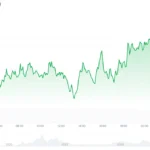
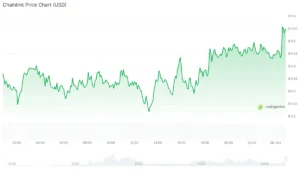
As of recent market observations, HYPE is trading around $85.99, reflecting a 1.82% daily decline within a 24-hour range of $84.87 to $89.08. Broader market data from platforms like CoinGecko corroborate this downward pressure, showing a 7-day decline of 7.8%. This performance is particularly noteworthy when compared to the global cryptocurrency market, which experienced a more modest 2.4% decline over the same period. This indicates that HYPE is not only falling but is actively underperforming the broader market, lending further credence to the "Binance listing curse" proponents. From its pre-listing all-time high of $97.96 to its current price near $86, HYPE has sustained a drawdown of close to 12% in less than a week, a trajectory that precisely matches the pattern frequently cited by those who argue that tokens often underperform following a Binance listing.

Market analysts suggest that this reaction is not unique to HYPE but rather a recurring phenomenon in the crypto ecosystem. A Binance listing, while undoubtedly a significant milestone for any project, often functions as a major liquidity event for early investors, venture capitalists, and project insiders. The unparalleled liquidity and reach of an exchange like Binance enable these large holders to offload substantial positions without incurring significant slippage or moving the market against themselves, a feat that would be challenging on smaller, more nascent venues. This systematic profit-taking, driven by the desire to realize gains after a prolonged holding period or to free up capital for other ventures, creates intense selling pressure that can overshadow the initial retail buying enthusiasm. The "Binance listing curse" thus becomes less of a baseless fear and more of a well-documented market cliché, rooted in the predictable dynamics of supply and demand around major liquidity events.
The Counter-Narrative: Hyperliquid’s Underlying Strength
Despite the observable price depreciation and the prevailing "listing curse" narrative, a deeper dive into Hyperliquid’s on-chain usage data and internal financial strategies reveals a starkly different and compelling picture of robust health and sustained growth. This divergence between price action and fundamental performance is what makes HYPE’s post-listing journey particularly intriguing.
Strategic Accumulation by Hyperliquid Strategies
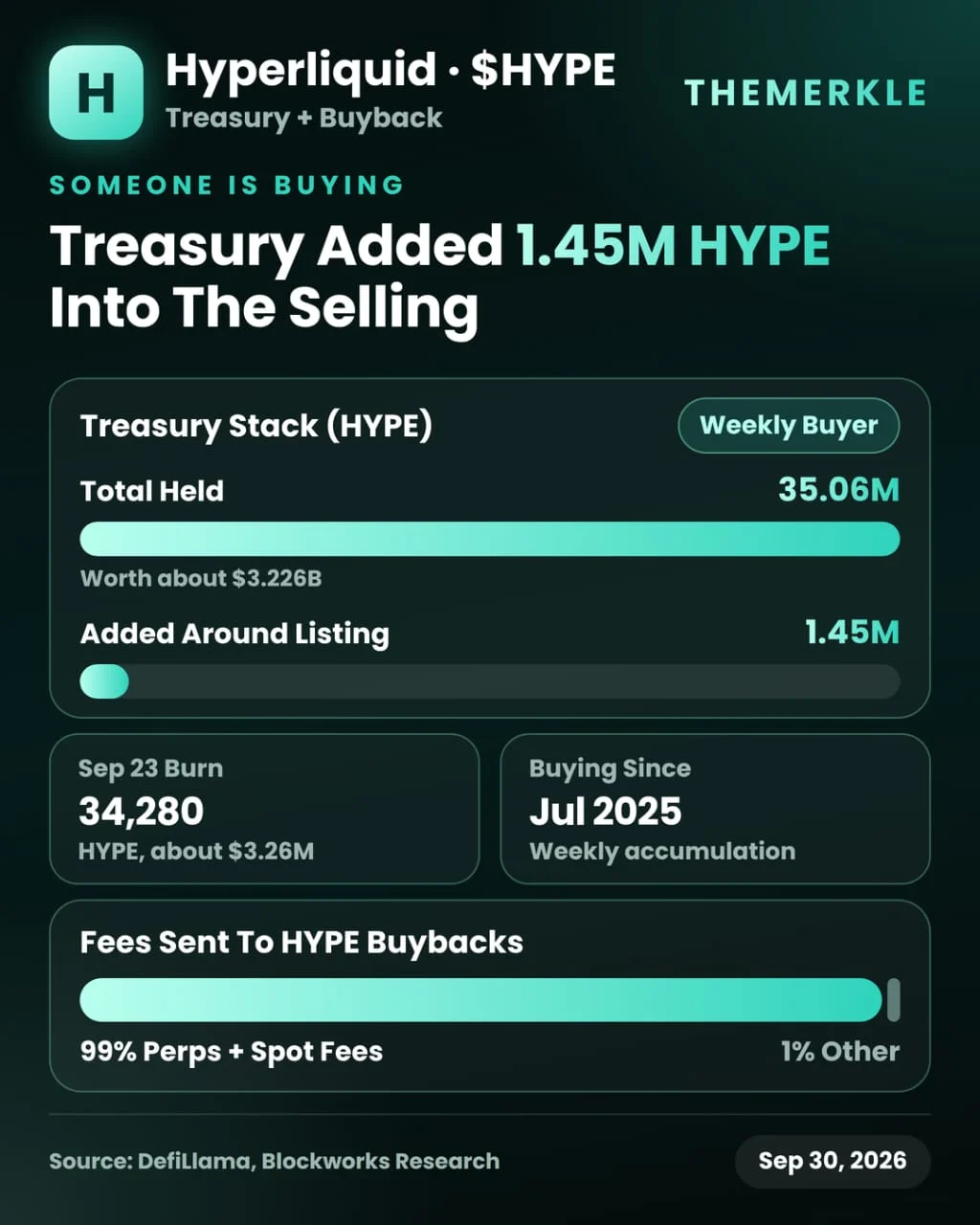
One of the most compelling counterpoints to the selling pressure narrative comes from Hyperliquid Strategies, the entity responsible for managing the protocol’s treasury. According to its purchase history documented on DefiLlama’s Hyperliquid Strategies treasury dashboard, the entity aggressively added 1.45 million HYPE tokens to its position during the reporting period encompassing the Binance listing. This substantial accumulation directly contrasts with the broader market’s selling behavior.

Furthermore, this recent purchase is not an isolated incident but part of a consistent pattern of weekly accumulation that dates back to the company’s first announced purchase in July 2025. This long-term strategy has resulted in Hyperliquid Strategies now holding approximately 35.06 million HYPE tokens, valued at an estimated $3.226 billion. This makes it by far the largest corporate position in the token. The behavior of a protocol’s treasury, actively adding to its stack at such a scale precisely when the open market is selling into fresh liquidity, is highly indicative. It suggests an insider conviction that goes beyond short-term price fluctuations, signaling confidence in the token’s long-term value and the protocol’s future prospects, rather than an attempt to cash out.
The Protocol’s Deflationary Engine: The Assistance Fund
Beyond strategic corporate buying, Hyperliquid benefits from a powerful, structural buyback and burn mechanism embedded within its protocol. The Hyperliquid Assistance Fund automatically converts 99% of all perpetual futures fees and 99% of all spot trading fees generated on the platform into HYPE token purchases. These purchased tokens are then permanently removed from circulation through a burning process. This deflationary mechanism operates continuously in the background, irrespective of the token’s spot price.
Detailed analytics from Blockworks Research’s Hyperliquid AF Buyback Summary dashboard illustrate the significant impact of this mechanism. On September 23, 2026, the day before the Binance listing, the Assistance Fund bought back and burned an impressive 34,280 HYPE tokens, valued at approximately $3.26 million. This substantial single-day burn highlights the immense transactional volume and fee generation occurring on the Hyperliquid platform, directly translating into continuous demand for HYPE and a reduction in its circulating supply. This automatic, protocol-level buyback provides a consistent floor for demand and acts as a long-term value accrual mechanism, often overlooked in the immediate aftermath of listing-day headlines focused solely on spot price action.
Unwavering On-Chain Usage and Growth

The most compelling evidence challenging the "listing curse" narrative comes from Hyperliquid’s core operational metrics, which demonstrate unwavering usage and growth. According to DefiLlama’s Hyperliquid dashboard, the protocol generated an astounding $72.66 million in fees over the past 30 days, with $56.33 million of that classified as protocol revenue. This translates to an annualized rate of $911.46 million in fees and $687.95 million in revenue, figures that place Hyperliquid among the top-tier decentralized finance (DeFi) protocols in terms of economic activity.
The protocol’s perpetual futures arm, a cornerstone of its offerings, processed an immense $190.782 billion in trading volume over the same 30-day window, as reported on DefiLlama’s Hyperliquid Perps page. Such colossal trading volumes underscore the platform’s robust liquidity, deep market penetration, and consistent trader engagement. Furthermore, the Total Value Locked (TVL) within the Hyperliquid ecosystem has increased by 10% over the past 30 days. This growth in TVL is particularly significant as it indicates a continued inflow of capital and user deposits into the protocol, signaling strong confidence from users in the platform’s security and future prospects, even as the token’s price experiences short-term volatility. The combination of high fees, massive trading volume, and growing TVL paints a picture of a protocol that is not merely surviving but thriving, irrespective of its native token’s immediate price movements on centralized exchanges.
Cross-Platform Demand: HYPE’s Dominance on Sunrise
Further validation of HYPE’s underlying demand and utility emerged from an entirely different ecosystem. Sunrise, a prominent Solana-based liquidity protocol, recorded its highest weekly trading volume ever during the week of September 21 to 27, 2026. Remarkably, HYPE tokens led this entire leaderboard, registering an astonishing $213.84 million in trading volume. This figure alone accounted for nearly 22% of Sunrise’s record-breaking $977.6 million week, as detailed by Blockworks Research’s Sunrise dashboard.
The fact that HYPE not only featured prominently but actually topped the volume charts on an entirely separate, high-performance blockchain like Solana speaks volumes about its cross-chain demand and the organic interest it commands. A token does not casually lead a record week on a distinct platform without significant underlying demand, strategic liquidity provisions, or strong arbitrage opportunities. This cross-ecosystem dominance suggests that HYPE’s utility and desirability extend beyond its immediate home on Hyperliquid, indicating a broader market recognition and active participation that transcends the immediate impact of its Binance listing.

Reconciling Discrepancies: Short-Term Volatility vs. Long-Term Value
The case of Hyperliquid’s HYPE token presents a compelling example of the complexities inherent in cryptocurrency market analysis, where seemingly contradictory narratives coexist. On one hand, the price chart undeniably supports the "Binance listing curse" FUD: HYPE debuted on the global exchange at an inopportune moment, immediately following its all-time high, and has since bled approximately 12% of its value, underperforming the wider crypto market. This short-term volatility and downward pressure are typical of liquidity events where early investors realize profits.
On the other hand, a rigorous examination of Hyperliquid’s fundamental metrics paints a dramatically different and bullish picture. The protocol’s robust fee generation, massive trading volumes, and consistent TVL growth all point to a platform that is experiencing strong user adoption and economic activity. Coupled with Hyperliquid Strategies’ aggressive and consistent accumulation of HYPE and the powerful, deflationary buyback and burn mechanism of the Assistance Fund, these fundamentals suggest a project with deep underlying strength and long-term value accrual potential. The token’s unexpected dominance on an external platform like Sunrise further underscores its organic demand and utility beyond a single exchange listing.
This divergence between short-term price action and long-term fundamental health creates a critical juncture for investors. The immediate selling pressure from the Binance listing might continue to exert influence in the short term, driven by market psychology and the realization of profits by early entrants. However, the sustained and growing utility, coupled with strategic internal accumulation and a potent deflationary mechanism, forms a strong foundation that could eventually pull the token’s price back in line with its fundamental value. The ongoing narrative around HYPE is therefore not a simple pump-or-dump scenario, but a nuanced interplay between market mechanics, investor sentiment, and verifiable on-chain utility. Observing whether Hyperliquid’s undeniable operational strength can ultimately overcome the initial listing-induced volatility will be a key indicator for the token’s future trajectory.
Disclosure: This is not trading or investment advice. Always do your research before buying any cryptocurrency or investing in any services.