NVIDIA, Tesla, SpaceX, Microsoft, Amazon, and Alphabet are among a significant cohort of over 60 prominent U.S. equities poised to enter the realm of round-the-clock tokenized trading. This potential paradigm shift in financial market access was signaled through a recent filing with the U.S. Securities and Exchange Commission (SEC) by OKXICE, a strategic joint venture between the global cryptocurrency exchange OKX and the Intercontinental Exchange (ICE). The filing, submitted on Sunday, formally notifies the SEC of the venture’s intentions to establish a marketplace facilitating the acquisition of tokenized stocks.
A New Era of Digital Finance
The initiative is spearheaded by former New York Governor Andrew Cuomo, who serves as co-chair of OKXICE. He articulated the firms’ ambition to launch this innovative trading venue under the SEC’s newly introduced "innovation exemption." This regulatory framework is designed to foster the development and adoption of novel financial technologies while ensuring investor protection. Cuomo’s statement underscored the transformative potential of this move, stating, "This is a landmark step toward a truly global, 24/7 Wall Street – and toward keeping the future of digital finance anchored here in the United States. The digital asset revolution is already transforming our financial system. Tokenized securities are part of what comes next."
This development marks a critical juncture in the integration of traditional finance with the burgeoning digital asset ecosystem. The ability to trade major U.S. stocks on a perpetual basis, independent of traditional market hours, could fundamentally alter investment strategies, risk management, and global market accessibility. The move signifies a growing recognition of blockchain technology’s capacity to enhance liquidity, efficiency, and transparency in financial markets.
Genesis of the Initiative: A Timeline of Developments
The journey towards this potential tokenized trading future has been building for some time, driven by increasing institutional interest in digital assets and the underlying blockchain technology.
2022 onwards: Andrew Cuomo began advising OKX on policy matters. This period coincided with significant regulatory scrutiny for cryptocurrency exchanges globally. OKX itself faced a substantial $504 million settlement with the U.S. Department of Justice (DOJ) concerning anti-money-laundering violations, highlighting the evolving regulatory landscape for digital asset platforms.
Recent Months/Years: Intercontinental Exchange (ICE), the parent company of the New York Stock Exchange (NYSE), has been actively expanding its footprint in the digital asset infrastructure space. This strategic pivot includes substantial investments in key players within the crypto ecosystem.
- Investment in OKX: ICE’s partnership with OKX through the OKXICE joint venture represents a significant commitment to bridging traditional and digital finance.
- Investment in Polymarket: ICE has also invested in Polymarket, a decentralized prediction market platform, signaling an interest in innovative applications of blockchain technology.
- Participation in Circle’s Arc Presale: Furthermore, ICE participated in a $222 million presale for Circle’s Arc platform, a stablecoin infrastructure initiative. This round also saw participation from major financial institutions like BlackRock and Apollo, underscoring a broader trend of established financial players exploring digital asset opportunities.
Sunday’s Filing: The formal filing with the SEC by OKXICE on Sunday is the most recent and perhaps most consequential step in this evolving narrative. It signals a concrete plan to operationalize a tokenized stock trading venue, moving beyond conceptual discussions and investment into tangible market development.
The Mechanics of Tokenized Securities
Tokenized securities represent traditional financial assets, such as stocks, bonds, or real estate, that have been converted into digital tokens on a blockchain. This process typically involves:
- Asset Tokenization: A legal and technical framework is established to represent ownership of an underlying asset as digital tokens. This involves associating specific rights and attributes of the traditional asset with its digital counterpart.
- Blockchain Infrastructure: These tokens are issued and managed on a blockchain network, which provides a decentralized, immutable, and transparent ledger for tracking ownership and transactions.
- Smart Contracts: Automated agreements, known as smart contracts, govern the issuance, transfer, and management of these tokens, ensuring compliance with predefined rules and regulations.
- Trading Platforms: Specialized marketplaces are developed to facilitate the buying and selling of these tokenized assets.
The advantages of tokenization are manifold:
- 24/7 Accessibility: Unlike traditional stock markets with fixed trading hours, tokenized assets can theoretically be traded at any time, anywhere in the world, provided the platform is operational.
- Increased Liquidity: By broadening access and enabling continuous trading, tokenization can potentially increase the liquidity of assets, making it easier for investors to buy and sell.
- Fractional Ownership: Tokenization can facilitate fractional ownership, allowing investors to purchase portions of high-value assets, thereby democratizing access to investment opportunities.
- Enhanced Transparency and Efficiency: Blockchain technology provides a transparent and auditable record of all transactions, reducing the potential for fraud and streamlining settlement processes.
- Reduced Costs: Automation through smart contracts and the elimination of intermediaries can lead to lower transaction fees and operational costs.
Supporting Data and Market Context
The move by OKXICE is not an isolated event but rather a reflection of a broader global trend towards the tokenization of real-world assets (RWAs). Recent reports and market analyses indicate a significant growth trajectory for the tokenized RWA market:
- Projected Market Growth: Industry forecasts suggest that the tokenized RWA market could reach trillions of dollars in the coming decade. For instance, reports from financial institutions like Goldman Sachs and Boston Consulting Group have projected the market size to be in the range of $2 trillion to $10 trillion by 2030. This growth is fueled by the perceived benefits of blockchain technology in traditional finance.
- Institutional Adoption: Major financial institutions, asset managers, and custodians are increasingly exploring and investing in blockchain-based solutions for asset management and trading. This includes pilot programs for tokenized securities and the development of digital asset infrastructure.
- Regulatory Evolution: Regulators worldwide are grappling with how to best oversee the burgeoning digital asset space. The SEC’s "innovation exemption" itself is a testament to this evolving regulatory landscape, acknowledging the need for frameworks that can accommodate new technologies.
- Cryptocurrency Market Maturation: The cryptocurrency market, while still volatile, has matured significantly, with increasing institutional participation and a growing understanding of the underlying blockchain technology. This maturation has paved the way for the application of these technologies to traditional financial instruments.
The inclusion of major U.S. stocks like NVIDIA, Tesla, and Microsoft in this tokenized trading initiative is particularly noteworthy. These are highly liquid and widely held equities, making them prime candidates for the benefits of 24/7 trading and fractional ownership. The successful implementation of such a platform could set a precedent for the tokenization of a much wider array of financial assets.
Official Responses and Broader Implications
The filing has generated considerable interest and anticipation within the financial and digital asset communities. While specific official responses from all named companies are not yet public, the involvement of ICE, a major player in traditional financial markets, lends significant credibility to the venture.
Analysis of Implications:
- Democratization of Investment: The ability to trade these blue-chip stocks 24/7 and potentially through fractional ownership could significantly lower the barriers to entry for a broader range of investors, including retail participants and those in different time zones.
- Competitive Landscape: This initiative could intensify competition within the financial services industry, pushing traditional exchanges and brokers to innovate and potentially adopt similar tokenization strategies to remain competitive.
- Regulatory Challenges and Opportunities: The SEC’s "innovation exemption" signals a willingness to explore new regulatory paradigms. However, the long-term regulatory framework for tokenized securities will continue to evolve, requiring ongoing dialogue and adaptation. Ensuring investor protection, market integrity, and compliance with existing securities laws will be paramount.
- Global Market Integration: A successful 24/7 tokenized trading platform for U.S. stocks could pave the way for greater integration of global financial markets, allowing for more seamless cross-border investment.
- Technological Advancement: The development and deployment of such a platform will necessitate robust blockchain infrastructure, secure custody solutions, and advanced trading technologies, driving further innovation in the digital asset space.
- Potential for Arbitrage and Volatility: The constant trading window could introduce new arbitrage opportunities and potentially impact market volatility, requiring sophisticated risk management strategies from both market participants and operators.
Looking Ahead: The Future of Trading
The SEC filing by OKXICE represents a pivotal moment in the ongoing convergence of traditional finance and digital assets. The proposed marketplace for tokenized stocks, leveraging the SEC’s innovation exemption, has the potential to redefine market accessibility, efficiency, and global participation. As the digital asset revolution continues to reshape the financial landscape, tokenized securities are emerging as a key component of what comes next. The coming months will be critical in observing the SEC’s review process, the development of OKXICE’s trading venue, and the broader market’s adaptation to this groundbreaking evolution in financial trading. The ambition for a "truly global, 24/7 Wall Street" is now one step closer to reality.
Disclaimer: Opinions expressed at The Daily Hodl are not investment advice. Investors should do their due diligence before making any high-risk investments in Bitcoin, cryptocurrency or digital assets. Please be advised that your transfers and trades are at your own risk, and any losses you may incur are your responsibility. The Daily Hodl does not recommend the buying or selling of any assets including cryptocurrencies, nor is The Daily Hodl an investment advisor. Please note that The Daily Hodl participates in affiliate marketing.
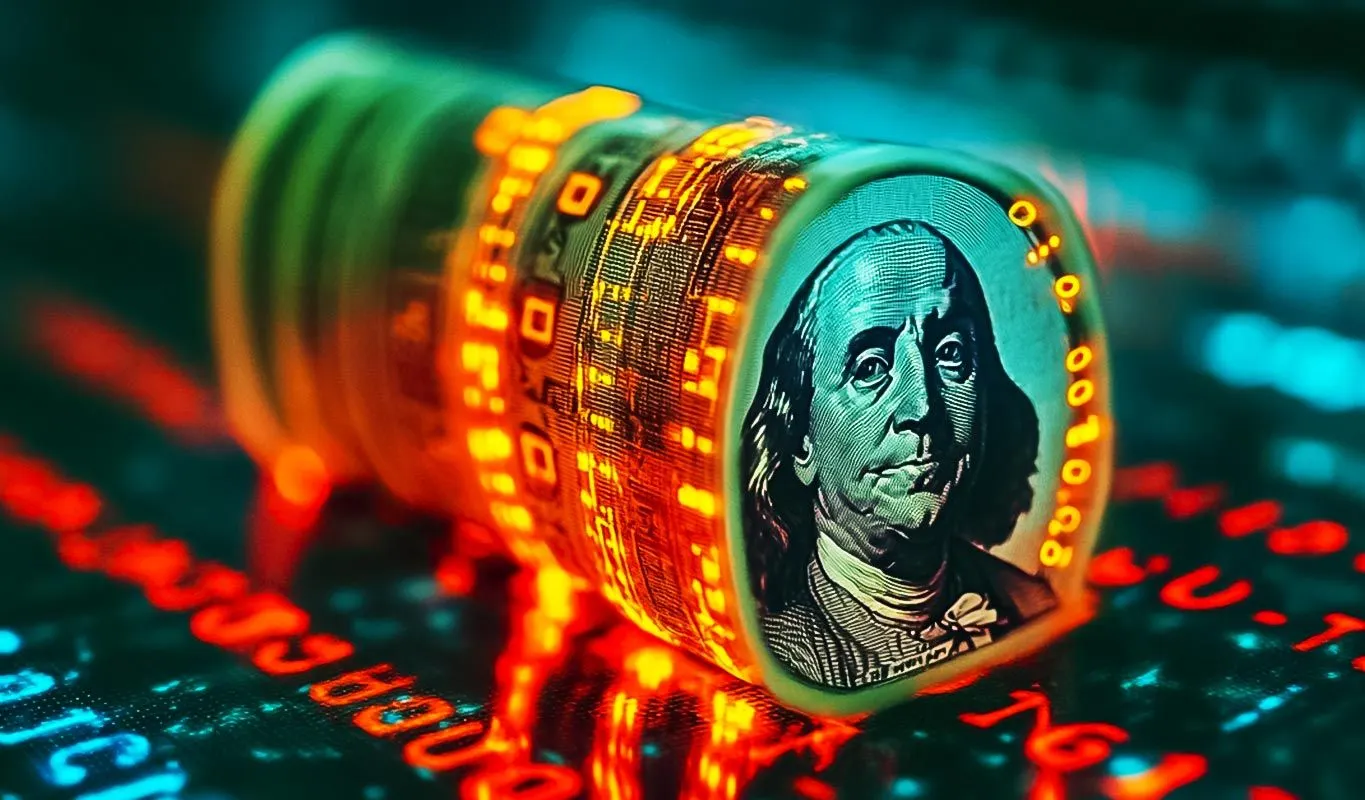
Generated Image: Midjourney