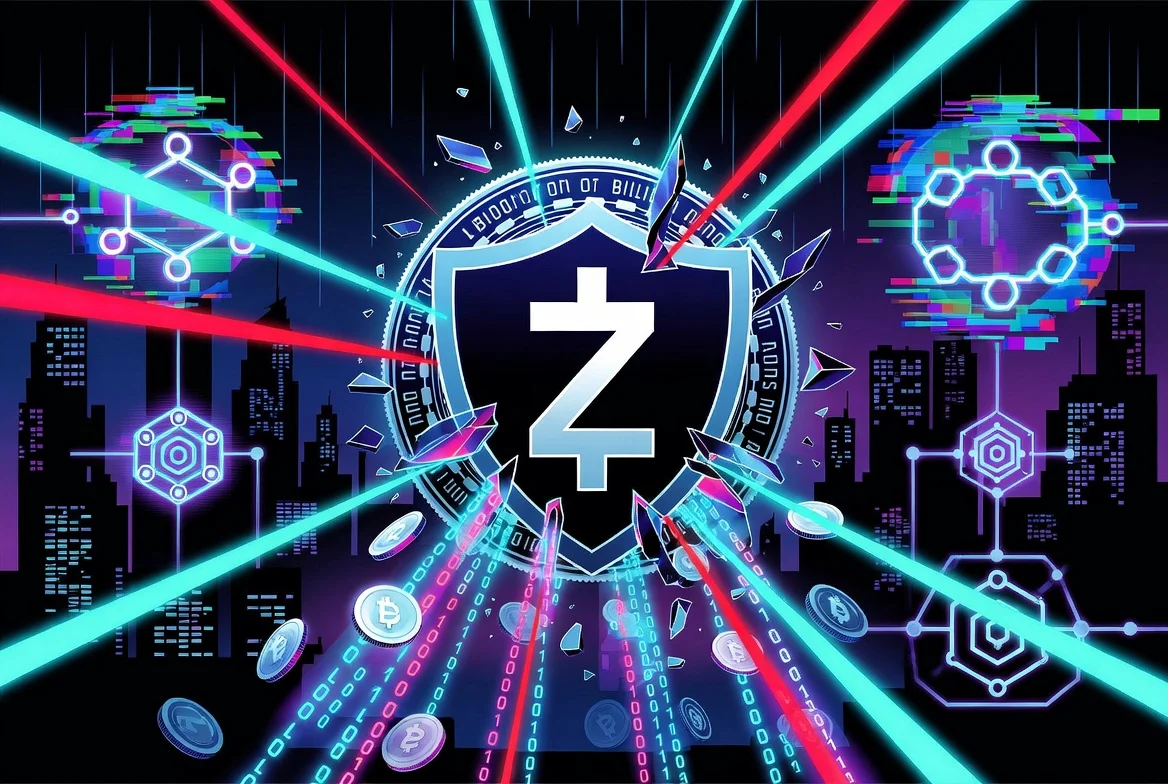
The Zcash ecosystem has reached a significant milestone in its ongoing commitment to protocol security and transparency following a comprehensive security audit conducted by Anthropic’s Mythos AI model. Zooko Wilcox, the founder of Zcash and a prominent figure in the cryptocurrency privacy sector, announced that the audit, which was commissioned by Shielded Labs, concluded without identifying any new serious vulnerabilities within the Zcash protocol. This development marks a pivotal moment for the privacy-centric blockchain, as it integrates advanced artificial intelligence into its defensive arsenal at a time when the broader cryptocurrency industry faces heightened scrutiny regarding code integrity and user safety.
The audit was facilitated by Shielded Labs, an independent organization dedicated to the advancement and maintenance of the Zcash network. By leveraging Anthropic’s specialized Mythos model, the team sought to subject the Zcash codebase to a rigorous automated review process designed to surface complex edge cases and structural weaknesses that might elude traditional scanning tools. While the announcement confirms the absence of critical bugs, it also emphasizes that security is an iterative process rather than a static achievement. Wilcox noted that Shielded Labs and other contributing entities are continuing their security hardening efforts to ensure the protocol remains resilient against evolving threats.
The Evolution of Security Auditing in the Blockchain Space
The utilization of Anthropic’s AI for a protocol-level audit represents a shift in how decentralized networks approach quality assurance. Historically, blockchain security has relied heavily on manual code reviews performed by boutique cybersecurity firms. While these human-led audits remain the gold standard for deep architectural analysis, they are often time-consuming and expensive. The introduction of AI models like Mythos provides a supplementary layer of protection, offering the ability to scan vast amounts of code with high-speed pattern recognition.
In the context of Zcash, a protocol built on sophisticated Zero-Knowledge Succinct Non-Interactive Arguments of Knowledge (zk-SNARKs), the complexity of the math and implementation is exceptionally high. Zcash was the first widespread application of zk-SNARKs, a form of cryptography that allows parties to prove the validity of a transaction without revealing the underlying data, such as the sender, receiver, or amount. Because the "shielded" nature of these transactions obscures on-chain data, the integrity of the protocol’s code is the only thing preventing catastrophic failures, such as undetected inflation or deanonymization.
The Mythos model, developed by Anthropic, is part of a new generation of AI tools specifically tuned for technical analysis and safety. Unlike general-purpose language models, these specialized versions are trained to understand the nuances of cryptographic primitives and memory-safe programming languages. The fact that such a model did not find serious flaws in the current Zcash implementation serves as a technical validation of the work performed by the Electric Coin Co. (ECC) and the Zcash Foundation over the last several years.
Strategic Importance for Privacy-Centric Assets
The timing of this security headline is particularly relevant given the current geopolitical and regulatory climate surrounding privacy coins. For several years, assets like Zcash and Monero have faced significant pressure from global regulators who express concerns over the potential for illicit use of anonymous transactions. This pressure has manifested in several high-profile delistings from major centralized exchanges, including Binance and OKX, in various jurisdictions.
By proactively seeking and publicizing high-tech security audits, Zcash proponents are attempting to shift the narrative from "anonymity for illicit use" to "security through robust engineering." A clean bill of health from an AI-driven audit provides a data point that developers can use to reassure exchanges, institutional investors, and users that the protocol is technically sound. It addresses the "technical risk" component of the privacy coin debate, even if it does not entirely resolve the "regulatory risk" component.
Furthermore, the involvement of Shielded Labs highlights the decentralization of Zcash governance. Initially, the development of Zcash was centralized under the Electric Coin Co. However, the ecosystem has moved toward a more distributed model where multiple independent organizations—including the Zcash Foundation and Shielded Labs—contribute to the core protocol. This multi-entity approach is designed to prevent single points of failure, both in terms of code development and organizational resilience.
Historical Context: Lessons from the Past
The emphasis on "no new serious bugs" carries weight because of Zcash’s history with protocol vulnerabilities. In 2019, the Zcash team revealed they had discovered and patched a "counterfeiting vulnerability" that could have allowed an attacker to create an infinite amount of ZEC without detection. The bug was located in the underlying cryptography of the Sapling upgrade. Crucially, the team managed to fix the issue before it was exploited, but the event underscored the extreme risks associated with cutting-edge privacy tech.
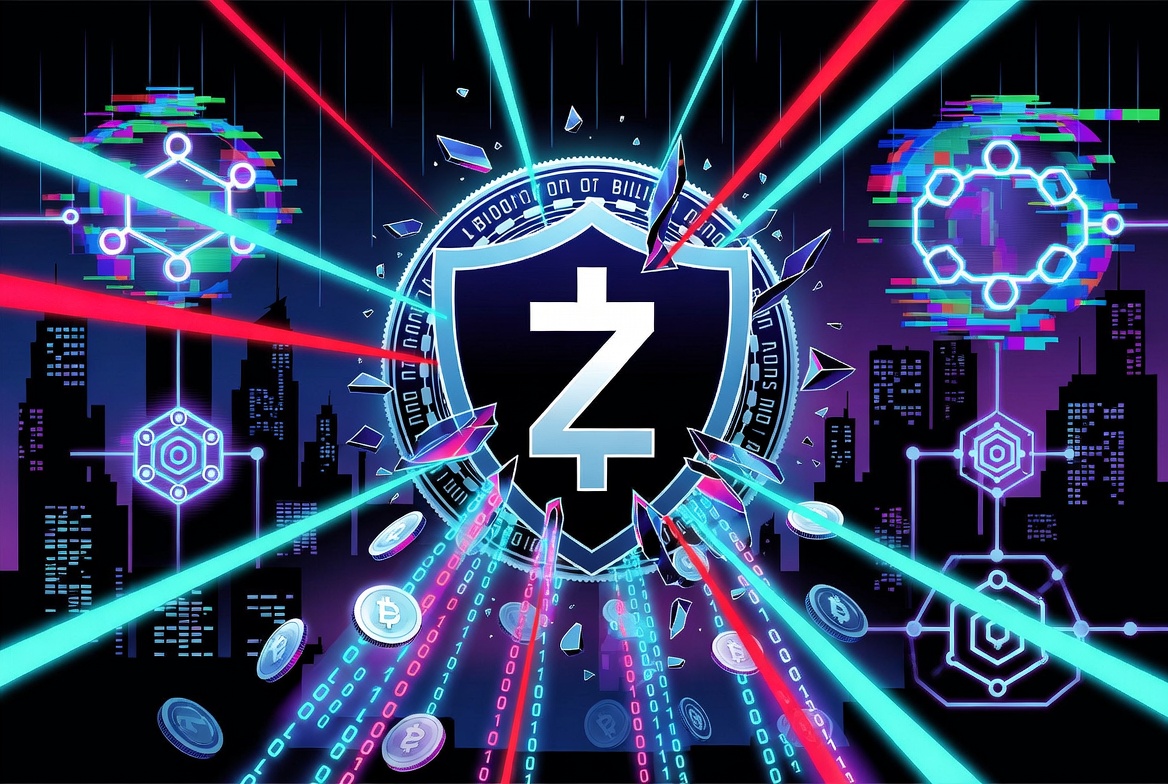
Since that event, the Zcash community has prioritized extreme caution. The transition from the original "Sprout" series to "Sapling," and later to the "Canopy" and "NU5" (Network Upgrade 5) phases, involved multiple layers of human audits. The NU5 upgrade was particularly significant as it introduced the Halo 2 proving system, which eliminated the need for a "trusted setup"—a previous point of contention and perceived vulnerability in the Zcash architecture. The recent AI audit serves as a check-up on this modern, "trustless" architecture to ensure that no regressions or new flaws were introduced during these complex transitions.
Technical Implications of AI-Assisted Audits
While the results are positive, cybersecurity experts caution that AI audits should not be viewed as a definitive "all-clear." Large language models and AI scanners are prone to "hallucinations" or may miss highly specific logic errors that require a deep understanding of game theory or economic incentives. Therefore, the Zcash developers have framed this as part of a "broader effort" rather than a replacement for human ingenuity.
The practical benefit of the Mythos audit likely lies in its ability to detect:
- Memory Safety Issues: Identifying potential buffer overflows or memory leaks in the C++ or Rust components of the codebase.
- Logic Inconsistencies: Ensuring that state transitions within the blockchain follow the predefined consensus rules.
- Cryptographic Implementation Errors: Checking if the standard libraries and custom zk-SNARK implementations are used correctly without introducing side-channel vulnerabilities.
As the Zcash protocol continues to evolve—with discussions ongoing regarding a potential shift from Proof-of-Work to Proof-of-Stake to increase efficiency and sustainability—automated auditing will become even more critical. Each major change to the consensus mechanism introduces a new surface area for potential attacks.
Market Reaction and Community Sentiment
The cryptocurrency market often reacts to security news with cautious optimism. For Zcash (ZEC) holders, the news provides a fundamental reason for confidence amid a volatile market environment. While price action remains influenced by broader trends in Bitcoin and the macroeconomic landscape, protocol stability is a prerequisite for any long-term utility or value accrual.
In community forums and social media, the reaction to Zooko Wilcox’s announcement has been largely supportive. Users have praised the transparency of the process and the willingness of Shielded Labs to utilize modern tools. There is an emerging consensus that for privacy coins to survive, they must be "more secure than the competition," as they do not have the luxury of transparency to help recover from hacks or exploits.
The broader crypto industry is also watching this experiment closely. If AI audits become a standard and reliable part of the development lifecycle, it could significantly lower the barrier to entry for new protocols while raising the overall floor for security across the entire decentralized finance (DeFi) and blockchain space.
Looking Ahead: The Path to Hardening
The next steps for the Zcash development teams involve a deep dive into the granular data provided by the Mythos model. Even if no "serious" bugs were found, such audits typically produce a list of "low" or "informational" severity findings. These often include suggestions for code optimization, better documentation, or the refactoring of complex functions to make them more readable and less prone to future errors.
Shielded Labs has indicated that they will continue to provide updates as their security hardening work progresses. The community is also awaiting more specific technical disclosures, such as the commit range of the code that was audited and the specific configurations used for the Mythos model. This level of detail is essential for independent researchers to verify the audit’s scope and efficacy.
In conclusion, the successful AI-led audit of Zcash by Anthropic’s Mythos model serves as a testament to the protocol’s maturity and the proactive stance of its leadership. By integrating cutting-edge AI into its security framework, Zcash is not only protecting its users but also setting a precedent for the future of blockchain maintenance. As the digital asset landscape continues to mature, the intersection of AI and cybersecurity will likely become the frontline in the battle to build a truly private and secure financial internet. For now, Zcash stands as a verified example of how legacy privacy protocols can adapt to the technological demands of a new era.