


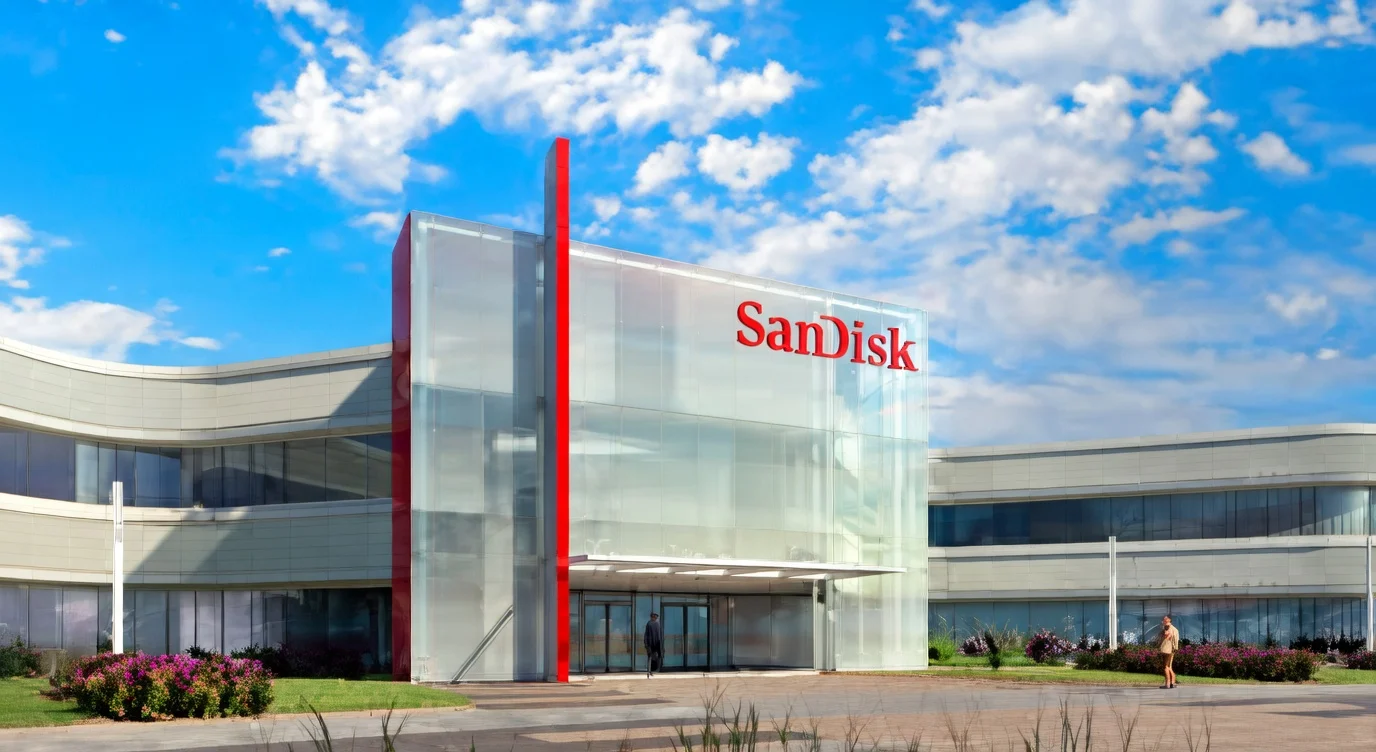
Two senior executives at Sandisk Corporation recently divested a combined $4.4 million worth of company shares, capitalizing on what has emerged as one of 2026’s most spectacular stock market rallies. These transactions come as Sandisk continues to ride an extraordinary wave of demand for its NAND flash memory technology, propelled primarily by the insatiable appetite for high-capacity storage within the rapidly expanding artificial intelligence (AI) data center ecosystem. The company’s stock performance has dramatically outpaced broader market indices, reflecting its pivotal role in the ongoing technological revolution.
The recent insider sales were meticulously documented through SEC filings, providing a clear picture of the executives’ movements. Michael Pokorny, Sandisk’s Chief Accounting Officer, executed a significant sale this past Tuesday, divesting 2,446 shares at an average price of $1,426.18 per share. This transaction generated substantial proceeds totaling approximately $3.5 million for Mr. Pokorny. Following this sale, his direct ownership in the company stands at a robust 22,375 shares, which, based on Thursday’s closing price of $1,382.72, are still valued at roughly $31 million. This substantial remaining stake underscores a continued alignment with the company’s long-term prospects despite the recent profit-taking.
Concurrently, Board Director Necip Sayiner also engaged in share disposal activities. On May 8, Mr. Sayiner sold 579 shares at an average selling price of $1,503.11, realizing proceeds of $870,300. Post-sale, Mr. Sayiner retains ownership of 2,900 shares, which currently hold an approximate market value of $4 million. These sales, occurring at elevated share price levels, highlight the opportunity executives have had to realize significant gains following the company’s unprecedented growth trajectory. Insider transactions are often scrutinized by investors for signals regarding management’s confidence, although they can also be driven by personal financial planning, diversification strategies, or liquidity needs. In Sandisk’s context, occurring amidst record highs, these sales largely appear to be a strategic realization of profits accumulated during a period of exceptional stock performance.
The Meteoric Ascent of Sandisk: A Post-Spin-off Phenomenon
Sandisk’s journey to its current valuation has been nothing short of remarkable, particularly since its re-emergence as an independent entity. The company completed its spin-off from Western Digital in February 2025, a strategic move designed to unlock value for shareholders by separating the distinct businesses of hard disk drives (HDDs) and flash memory. Western Digital had acquired Sandisk in 2016 for approximately $19 billion, integrating its NAND flash capabilities into a broader storage portfolio. The decision to spin off Sandisk again reflected a broader industry trend towards specialization, allowing each entity to focus on its core competencies and market dynamics. At its initial public offering (IPO) post-spin-off, Sandisk shares were priced at $38.50.
Since that pivotal moment, Sandisk stock has exhibited an extraordinary appreciation, climbing an astounding 3,640% from its IPO price to hover around the $1,400 mark. The year 2026 alone has seen the stock surge by an extraordinary 465%, making it one of the top-performing equities globally. To put this monumental outperformance into perspective, the Nasdaq 100, a benchmark index for leading technology companies, has advanced by merely 15% during the identical timeframe. This stark contrast underscores the unique and powerful tailwinds propelling Sandisk’s valuation, distinguishing it significantly from the broader technology sector’s performance. The spin-off allowed Sandisk to operate with greater agility, focus its capital allocation, and directly appeal to investors seeking pure-play exposure to the burgeoning flash memory market, unencumbered by the more mature HDD business.
The AI Imperative: Fueling Unprecedented NAND Demand
The primary catalyst behind Sandisk’s explosive growth is unequivocally the surging global demand for NAND flash memory technology, particularly its critical role in powering the burgeoning artificial intelligence sector. NAND flash, a type of non-volatile storage, is indispensable for AI applications due to its high density, speed, and endurance characteristics. AI workloads, ranging from the training of massive neural networks to the deployment of inference engines, require gargantuan amounts of data to be stored, accessed, and processed at extremely high speeds. Traditional storage solutions often fall short in meeting these rigorous demands, making advanced NAND flash solutions, such as those offered by Sandisk, essential components.
Hyperscale data centers, operated by technology giants like Amazon, Microsoft, Alphabet, and Meta, are at the forefront of this AI revolution. These companies have collectively committed an unprecedented approximately $700 billion towards infrastructure investments in 2026. This monumental capital deployment is directed towards building out the foundational compute and storage infrastructure necessary to support the escalating demands of AI development and deployment. This includes not just Graphics Processing Units (GPUs) and specialized AI accelerators, but also vast quantities of high-performance storage to feed these powerful processors with data. Sandisk has strategically positioned itself as a direct and primary beneficiary of this unparalleled capital expenditure cycle, with its advanced storage solutions becoming foundational elements in these next-generation AI data centers. The shift towards more complex AI models and the increasing size of training datasets further solidify the demand for high-capacity, low-latency storage.
Beyond the sheer volume of demand, the industry-wide memory supply constraints have played a significant role in driving pricing upward. A confluence of factors, including underinvestment in new fabrication capacity during previous downturns, geopolitical tensions affecting supply chains, and the sudden surge in AI-driven demand, has created a favorable pricing environment. This scarcity has allowed memory manufacturers, including Sandisk, to command higher prices for their products, further boosting revenue and profitability. This dynamic complements the strong volume expansion, creating a dual engine of growth for the company.
Robust Financial Performance and Strategic Evolution
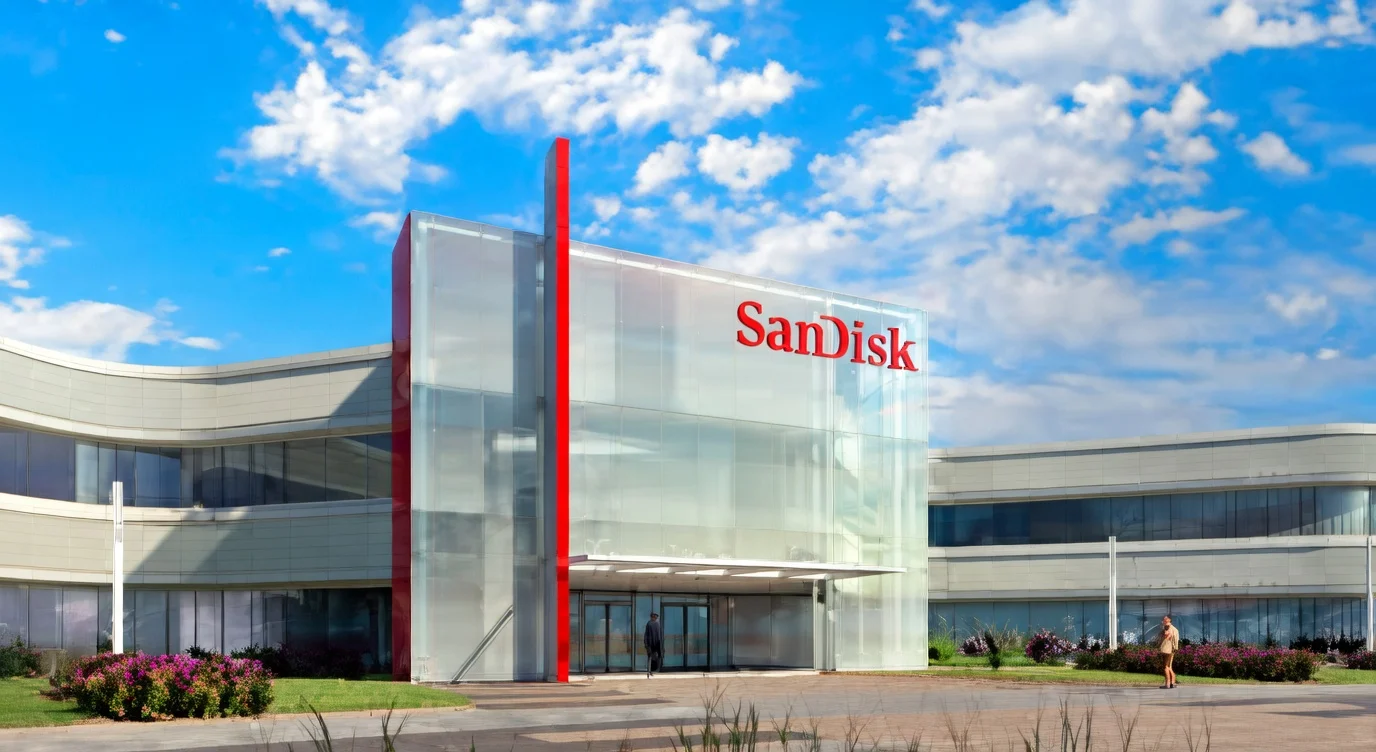
Sandisk’s fiscal Q3 2026 financial results vividly mirrored the explosive demand dynamics. The company reported a remarkable surge in revenue, which jumped 97% from the previous quarter and an even more impressive 251% year-over-year. This rapid acceleration in top-line growth underscores the unprecedented market conditions and Sandisk’s ability to capitalize on them. Profitability also saw a significant boost, with adjusted earnings per share reaching $23.41, a substantial increase from $5.15 in the preceding quarter. These figures highlight not just increased sales volume but also improved operational efficiency and pricing power.
A key indicator of Sandisk’s strategic success and market alignment is the revenue generated from its data center customers. This segment specifically increased by a staggering 233% during Q3, underscoring the company’s deepening penetration into the hyperscale market. Chief Executive David Goeckeler has explicitly characterized hyperscale operators as "higher-value customers." This statement signifies a strategic evolution from the company’s historically more diverse and fragmented client portfolio, which often included consumer electronics and enterprise clients with varying purchasing patterns and pricing sensitivities. The pivot towards fewer, larger, and more technologically sophisticated customers like hyperscalers allows Sandisk to forge deeper relationships, potentially offering more stable and higher-margin business.
In line with this strategic shift, Sandisk has been actively transitioning from transactional spot market sales towards structured, multi-year supply commitments. This proactive commercial approach aims to stabilize revenue streams and ensure long-term demand visibility. During Q3, the corporation successfully executed three such agreements, with an additional two contracts already secured in Q4. This framework provides significant advantages for both Sandisk and its major customers. For Sandisk, it ensures predictable revenue and more efficient production planning, reducing exposure to volatile market swings. For its hyperscale customers, these agreements guarantee critical storage capacity, a vital component for their continuous and rapid expansion of AI infrastructure, mitigating risks associated with supply shortages and price fluctuations.
Looking ahead, company leadership projects continued strong performance for Q4. Management anticipates revenue of approximately $8 billion, representing a phenomenal 321% increase versus the prior year. This aggressive forecast is coupled with a projected gross margin of 80%, modestly exceeding the already impressive 78.4% achieved in Q3. These projections signal continued confidence in the robust demand environment for NAND flash and the company’s ability to maintain strong pricing power and operational leverage.
Competitive Landscape and Valuation Scrutiny
While Sandisk’s performance has been exceptional, it operates within a competitive landscape where other players are also experiencing significant tailwinds from the AI boom. Industry competitors such as Western Digital, Seagate, and Micron Technology have similarly witnessed substantial share price appreciation, with all exceeding 100% gains during 2026. This broader market movement underscores the widespread impact of AI infrastructure buildout on the memory and storage sectors. However, Sandisk’s relative outperformance suggests it may have a particular technological edge, a more focused strategy, or a more favorable product mix catering directly to the highest-growth segments of the AI market.
At its present valuations, Sandisk trades at approximately 16 times trailing-twelve-month (TTM) revenue. This is a significant premium compared to its valuation of roughly 4.5 times TTM revenue at the beginning of the year. While high-growth technology companies, particularly those leading a transformative wave like AI, often command elevated multiples, this expanded valuation increases the stock’s vulnerability to any disappointing developments. These could range from company-specific execution issues, such as delays in product development or manufacturing hiccups, to broader macroeconomic headwinds that might dampen enterprise spending or introduce volatility into the memory market. Any deceleration in AI spending or a sudden increase in memory supply could exert downward pressure on Sandisk’s stock, making investor expectations incredibly high.
The recent insider transactions, therefore, represent more than just executives cashing in on gains. They occur at a critical juncture for Sandisk, as the company navigates both unprecedented growth opportunities and heightened scrutiny. While such sales are routine for executives and often planned in advance for personal financial management, their timing near record highs inevitably draws attention. For investors, these sales serve as a reminder of the inherent risks associated with high valuations and the importance of continuous monitoring of market dynamics and company fundamentals.
Future Outlook and Market Expectations
The future trajectory of Sandisk and the broader memory market remains intrinsically linked to the sustained momentum of AI development and deployment. The current consensus suggests that AI infrastructure buildout is still in its early to middle stages, implying a prolonged period of high demand for advanced memory solutions. However, the semiconductor industry is famously cyclical, and investors will be keenly watching for any signs of oversupply or a slowdown in hyperscale capital expenditures.
Sandisk’s strategic shift towards multi-year supply commitments is a proactive measure to mitigate some of this cyclical risk, aiming to provide greater stability and predictability in revenue streams. The company’s focus on "higher-value customers" and its strong projected gross margins also indicate a strategy geared towards maximizing profitability even as the market evolves.
Key factors that will influence Sandisk’s continued success include its ability to maintain technological leadership in NAND flash, particularly in developing higher-density and faster memory solutions optimized for future AI generations. Managing supply chain complexities, navigating geopolitical influences on semiconductor manufacturing, and fending off competition from other memory giants will also be crucial. While the immediate outlook appears exceptionally strong, the long-term sustainability of its current growth trajectory and premium valuation will depend on Sandisk’s ability to consistently execute its strategy and adapt to the dynamic technological and economic landscape. The recent insider transactions, while financially sound for the individuals involved, serve as a subtle underscore to the extraordinary journey Sandisk has undertaken and the watchful eye investors will keep on its future performance.














