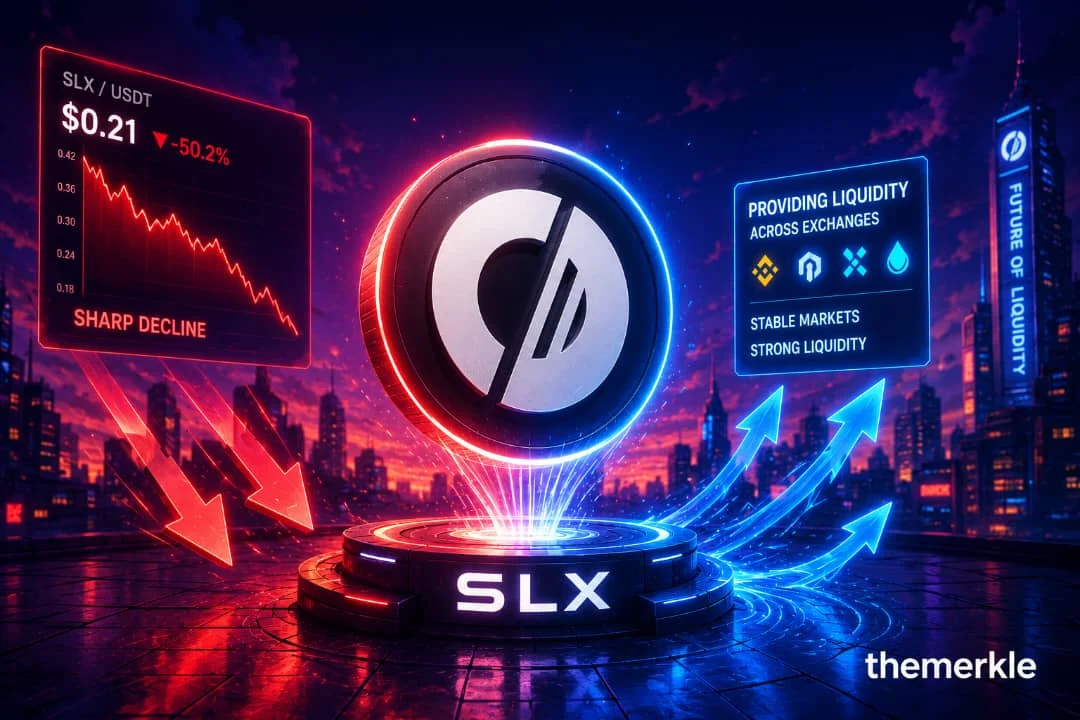
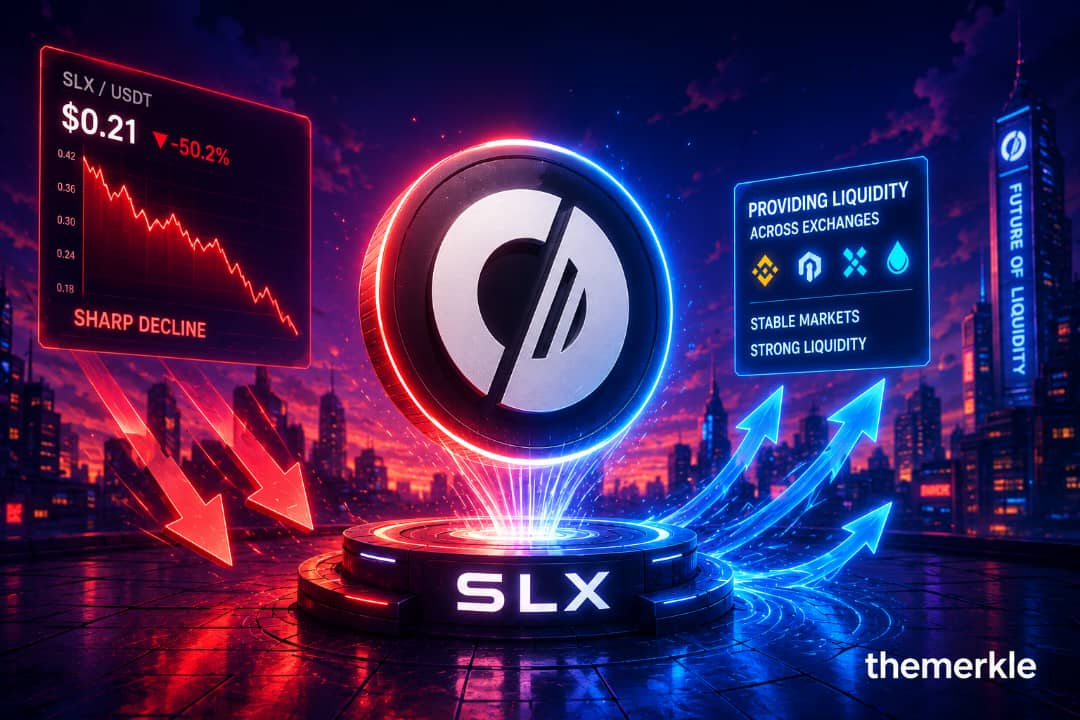
The Solstice project, a relatively new entrant in the burgeoning cryptocurrency ecosystem, found itself embroiled in significant controversy this week as its native SLX token experienced a sharp decline following community allegations of insider selling. On-chain analysts and concerned investors pointed to a specific wallet that had divested an estimated $645,000 worth of SLX tokens, sparking widespread speculation that the wallet might be controlled by early investors or even project team members. This development has ignited a broader discussion within the crypto community regarding market transparency, the role of liquidity providers, and the inherent challenges of price discovery for newly launched digital assets.
The Genesis of Suspicion: On-Chain Activity and Community Scrutiny
The controversy began to unfold shortly after the SLX token’s launch, with on-chain data quickly becoming the primary tool for community oversight. A particular wallet, identified by its consistent and substantial selling activity, became a focal point of suspicion. This wallet was observed to be highly active on Binance Alpha, a platform often utilized for early trading and liquidity management. Users began to voice concerns across social media platforms and crypto forums, questioning the timing and scale of these sales. The prevailing sentiment among these early observers was that such significant token movements, so soon after launch, resembled a strategic offloading by those with privileged access rather than organic market dynamics.
Analysts meticulously tracked the transactions originating from this wallet, noting a sustained selling pressure that appeared to exert a disproportionate influence on SLX’s price trajectory. In the nascent and often volatile world of newly launched tokens, where market capitalization can be relatively small and liquidity can be thin, large-volume sales can significantly impact price. The community’s unease was compounded by the fact that the crypto market, by its very design, champions transparency through publicly verifiable ledger data. Any activity perceived as opaque or self-serving, particularly by those associated with a project, is typically met with immediate and intense scrutiny. The initial days post-launch are critical for establishing investor confidence, and these observed sales quickly eroded that nascent trust.
Solstice Foundation’s Official Response: A Market Maker’s Mandate
In response to the escalating backlash and mounting allegations, the Solstice Foundation promptly issued a statement on May 26, 2026, aiming to clarify the situation and dispel rumors of insider selling. The Foundation unequivocally denied any direct affiliation with the contentious wallet, asserting that it was "not even owned by the team or foundation." Instead, Solstice explained that the wallet belonged to one of its "verified market makers," an external entity tasked with managing liquidity for SLX listings across various exchanges.
According to a Foundation spokesman, the activities observed were a standard component of professional market-making operations. The market maker, utilizing its own inventory of SLX tokens, was reportedly engaged in providing two-sided liquidity – simultaneously posting bids (buy orders) and asks (sell orders). The stated objective of this activity was to ensure stable pricing, reduce volatility, and facilitate an orderly trading environment as SLX began to expand its presence across multiple trading venues. Solstice further emphasized that all core team allocations of SLX tokens remained locked, adhering to a pre-defined vesting schedule, and that no core contributor was directly selling tokens. This arrangement with the market maker, the Foundation stated, had been vetted and confirmed with its exchange partners. The Foundation underscored that, in their view, such token movements through a designated market maker’s wallet were not only anticipated but essential for the healthy functioning and expansion of the SLX market.
Deconstructing Market Making: Traditional vs. Crypto Contexts
To understand the crux of this debate, it’s crucial to differentiate between traditional market-making principles and their evolving application within the cryptocurrency landscape. In conventional financial markets, market makers serve a vital function: they provide liquidity by continuously quoting both buy and sell prices for an asset. Their profit typically stems from the bid-ask spread – the difference between the price at which they’re willing to buy and the price at which they’re willing to sell. A key tenet of traditional market making is maintaining a "delta-neutral" or "flat" position, meaning they aim to balance their buys and sells to avoid taking significant directional price risk. Their primary role is to absorb short-term volatility, facilitating smooth trading rather than actively driving price in one direction.
However, the crypto market introduces unique complexities. New token launches often involve a transition from an Initial Coin Offering (ICO) or similar fundraising event to active trading on centralized exchanges (CEXs) and decentralized exchanges (DEXs) using Automated Market Makers (AMMs). This hybrid environment complicates the market maker’s role. AMMs, powered by smart contracts and liquidity pools, inherently provide continuous liquidity by algorithmically adjusting prices based on supply and demand within the pool. This raises a fundamental question: if AMMs are designed to provide robust, automated liquidity, what then is the precise role and justification for external, human-managed market makers, especially when their activities appear to exert directional pressure?
The argument from Solstice is that professional market makers are necessary to bridge liquidity across disparate trading venues (CEXs and DEXs), manage order books, and ensure price coherence, particularly during the critical post-launch phase. This is a common practice in the crypto industry, where projects often contract third-party firms to manage initial liquidity. However, the nature and execution of these activities are often where the friction arises.
Community’s Counter-Narrative: Quantity, Timing, and Impact
Despite the Solstice Foundation’s attempts at clarification, community skepticism has remained remarkably pronounced. Critics argue that the sheer volume of SLX tokens sold, coupled with the timing of these sales, strongly contradicts the narrative of a neutral market maker merely facilitating liquidity. One widely cited comparison, highlighted by crypto analyst Naeven_0 on Twitter, brought the quantitative imbalance into sharp focus: the market maker reportedly sold 3.02 million SLX tokens, valued at approximately $645,000 based on an average price of $0.21 per token. This contrasts starkly with the project’s entire ICO, which reportedly raised only about $362,000 by selling tokens at roughly $0.13 each. This suggests that the market maker offloaded nearly double the value of the project’s initial public raise.
Further compounding the community’s concern is the estimated proportion of the circulating supply that was sold. If 3.02 million SLX tokens represent 8-10% of the total circulating float, this implies a circulating supply ranging from approximately 30.2 million to 37.75 million SLX. Such a substantial percentage of the circulating supply, particularly in a nascent market with potentially limited organic demand, is widely believed to be significant enough to actively steer prices rather than merely stabilize them. Critics contend that this volume of selling pressure, emanating from a single wallet, suggests a deliberate and continuous downward force on the price, rather than the balanced, delta-neutral operation expected of a responsible market maker.
This perceived "heavy-handed" selling, critics argue, undermines the very purpose of market making by actively mispricing assets during the crucial price discovery phase. Instead of providing a steadying hand, the wallet’s activity appears to have contributed to downward momentum, shaking early investor confidence and potentially deterring new participants. The community’s pushback highlights a fundamental demand for market makers to operate with greater transparency and demonstrable neutrality, especially in a sector that prides itself on decentralization and open ledgers.
SLX Price Performance and Shifting Market Sentiment
The market maker controversy has unfolded against a backdrop of challenging price performance for the SLX token. Since its launch, SLX has reportedly experienced a decline of approximately 50%, losing half its value. This sharp depreciation is particularly striking given that, for a 24-hour period, SLX was listed as the #2 trending token on CoinMarketCap. This paradox—high visibility coupled with a steep price drop—only intensified scrutiny and fueled community concerns.
The phenomenon of a trending token experiencing significant price erosion creates a complex feedback loop. While being "trending" can attract new investors seeking potential gains, a sustained pattern of downward pressure quickly erodes confidence, especially among early buyers who anticipate stability or appreciation post-launch. Market sentiment, initially buoyed by the project’s potential and trending status, has demonstrably shifted towards skepticism. Traders are no longer just tracking price movements; they are delving into on-chain analytics, scrutinizing trading behaviors, and challenging the underlying structural explanations provided by project teams. This heightened scrutiny, in turn, amplifies the sensitivity to every major price action, creating a volatile environment where trust is paramount.
The Broader Implications: Transparency, Trust, and Evolving Market Dynamics
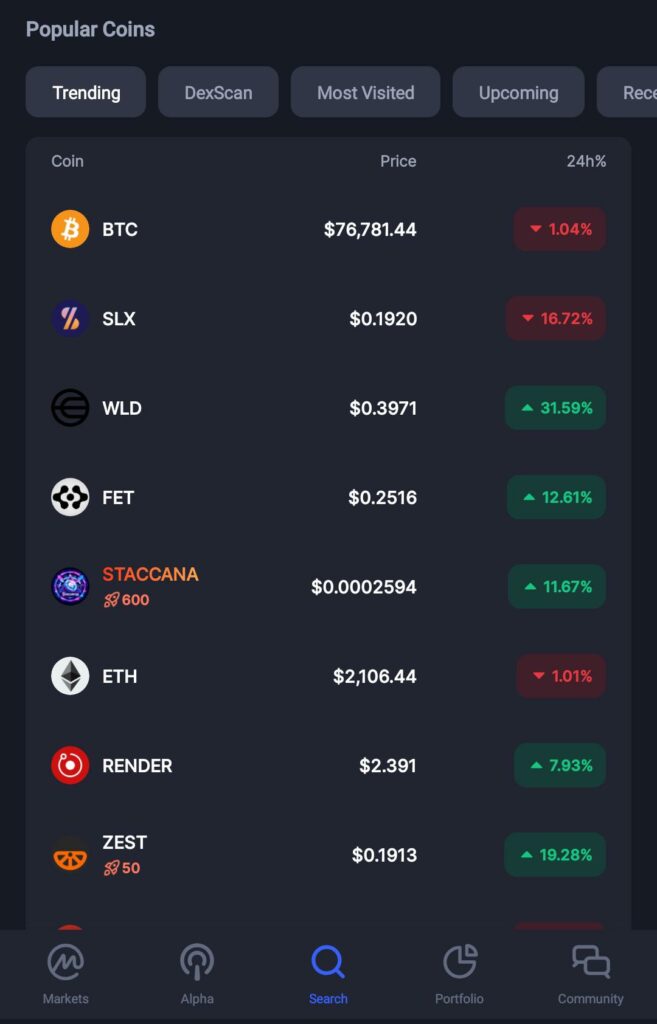
This incident transcends the specifics of a single wallet or token; it spotlights the fundamental challenges of transparency, communication, and trust within the broader cryptocurrency ecosystem. While the Solstice Foundation has offered an explanation, the episode underscores a growing demand from the crypto community: explanations must not only be provided but must also demonstrably align with observable outcomes in financial markets.
For many participants, the distinction between "market making" and "selling pressure" is not merely a technical nuance but an experiential reality. If users perceive the price of an asset being consistently driven down, the technical rationale behind that action often takes a backseat to its tangible effects on their investments and overall belief in the project. This tension between technical necessity (as argued by projects) and perceived fairness (as experienced by investors) is a recurring theme in the rapidly evolving digital asset space.
The Solstice controversy also feeds into a wider debate about the optimal design of tokenomics and liquidity provision. As the industry matures, there’s an increasing call for more robust and verifiable frameworks for market maker activity, potentially including public disclosure of market maker wallets, clearer reporting standards, or even programmatic controls that limit directional selling. Such measures could help rebuild trust and provide greater assurance to investors that market makers are indeed acting in a neutral, market-stabilizing capacity rather than contributing to price depreciation. The incident serves as a reminder that in an environment where decentralization is a core ethos, centralized interventions like traditional market making require meticulous justification and transparent execution to maintain community confidence.
The Path Forward for Solstice: Navigating Scrutiny
Moving forward, Solstice faces a delicate balancing act. The project must continue to support liquidity across various trading venues to ensure a healthy market for SLX, a critical function for any digital asset. Simultaneously, it must address the persistent community analysis and skepticism surrounding the scale and execution of its market maker’s activities. This will likely necessitate a proactive approach to communication, possibly involving more granular data on liquidity provision, enhanced transparency regarding market maker agreements, or even a re-evaluation of the current market-making strategy.
Strategic shifts may be required to align more closely with user expectations for transparency and fair market practices. This could involve exploring alternative liquidity solutions, implementing community governance over certain liquidity parameters, or simply engaging in more direct and empathetic dialogue with its investor base. The project’s ability to adapt and respond effectively to these concerns will be crucial for its long-term viability and reputation.
Conclusion: A Litmus Test for Decentralized Trust
In the fast-paced and ever-scrutinized world of digital assets, narrative and sentiment can move with the same velocity as price. The SLX token controversy is more than just an isolated incident; it represents a significant litmus test for the principles of transparency and trust that underpin the entire cryptocurrency movement. The next few weeks and months will reveal whether Solstice can successfully navigate this storm of public skepticism, restore investor confidence, and demonstrate that its commitment to market health aligns with observable outcomes. Failure to do so risks not only the future of the SLX token but also contributes to the broader narrative of opacity and potential manipulation that the crypto industry is constantly striving to overcome.