The cryptocurrency market is currently witnessing a notable shift in capital allocation, with institutional investors increasingly exploring altcoin-focused exchange-traded funds (ETFs) and foundational infrastructure projects. On June 18, 2024, XRP spot ETFs registered significant weekly net inflows of $5.3 million, a stark contrast to the net outflows experienced by Bitcoin ETFs during the same period, according to data compiled by CoinGecko. This movement underscores a broader trend of diversification and a search for new growth vectors beyond the established dominant cryptocurrency. Simultaneously, key developmental milestones are approaching for other major altcoins, including Cardano’s Leios testnet launch on June 23 and the anticipated SEC spot ETF threshold in August, as reported by CoinMarketCap. These parallel developments highlight an evolving landscape where strategic infrastructure plays and regulatory clarity are increasingly influencing investor sentiment and capital flows.
Historically, significant returns in previous cryptocurrency cycles have often been captured by investors who positioned themselves early, particularly by backing fundamental infrastructure setups before their products or services went fully live or gained mainstream recognition. This pattern suggests a strategic approach to investment, prioritizing long-term utility and foundational technology over short-term speculative trends. The current market environment, characterized by institutional maneuvers and technological advancements, appears to be echoing this historical precedent, prompting a closer examination of where smart money might be heading next.
Institutional Capital Rotation: A Deeper Dive into ETF Movements
The observed rotation of capital from Bitcoin ETFs into XRP-focused products on June 18 is a pivotal indicator of shifting institutional interest. While Bitcoin has traditionally served as the primary entry point for institutional investors into the crypto space, the emergence of altcoin-specific investment vehicles suggests a maturing market. The $5.3 million in net inflows into XRP ETFs, occurring concurrently with net redemptions from Bitcoin products, signifies a growing appetite among institutional players for diversification and exposure to assets with distinct value propositions and potential catalysts.
Spot ETFs, which directly hold the underlying asset, are crucial for institutional adoption as they provide a regulated, familiar investment vehicle that bypasses the complexities of direct cryptocurrency ownership. The successful launch of Bitcoin spot ETFs in the United States in January 2024 opened the floodgates for institutional capital, legitimizing the asset class further. However, as Bitcoin’s price movements become more correlated with traditional markets and its growth potential, while substantial, might be perceived as more measured, institutions are naturally looking towards the next frontier. XRP, with its focus on cross-border payments and its ongoing regulatory clarity efforts, presents an attractive alternative. The legal battles surrounding XRP have introduced significant volatility, but any perceived progress towards regulatory certainty in key jurisdictions could unlock substantial institutional demand, positioning it as a potentially undervalued asset within the institutional framework.

This trend is not isolated to XRP. The broader discussion around Ethereum spot ETFs, recently approved by the SEC for listing on U.S. exchanges, further validates the institutional pivot towards altcoins. Analysts widely anticipate that similar regulatory pathways could eventually open for other major cryptocurrencies, contingent on their market capitalization, liquidity, and, critically, their regulatory classification. The "SEC spot ETF threshold landing in August" mentioned in relation to Cardano alludes to this broader regulatory climate, where successful navigation of legal frameworks could pave the way for more diverse crypto investment products, thus attracting further institutional inflows.
Chainlink Secures FIFA World Cup Oracle Deal: Bolstering Web3 Infrastructure
Beyond direct investment products, the utility and adoption of foundational blockchain infrastructure continue to attract significant attention. Chainlink (LINK), a decentralized oracle network, recently solidified its position as a critical Web3 infrastructure provider by securing an official oracle deal for FIFA World Cup 2026 prediction markets through ADI Predictstreet, as reported by PRNewswire. This partnership is not merely a branding exercise; it underscores the indispensable role of oracles in bridging the gap between real-world data and blockchain applications.
Chainlink’s oracle network enables smart contracts to securely interact with off-chain data feeds, APIs, and traditional payment systems. In the context of prediction markets for a global event like the FIFA World Cup, accurate and tamper-proof data delivery is paramount. Chainlink’s robust infrastructure ensures that the outcomes of matches, player statistics, and other relevant real-world events are reliably fed into blockchain-based prediction platforms, enabling fair and transparent settlement of bets. This deal not only enhances Chainlink’s visibility but also demonstrates its real-world applicability and enterprise-grade reliability, attracting developers and businesses seeking secure data solutions for their decentralized applications.
The financial implications of such a partnership, while not immediately quantifiable in terms of direct revenue to Chainlink, are substantial in terms of network demand and adoption. Increased usage of Chainlink’s services translates into higher demand for its native LINK token, which is used to pay for oracle services and incentivize network participants. Trading at approximately $8.02 per CoinMarketCap, LINK’s price currently sits significantly below its all-time high of $52.99. However, strategic partnerships like the FIFA deal, coupled with its consistent development and integration across various blockchain ecosystems, position Chainlink as a long-term play for investors focused on the foundational layers of Web3. The expansion of active Chainlink addresses, hitting 5,679 in June, further attests to its growing network utility. Projections from various analytical platforms, such as Changelly, anticipate a price range of $7.73 to $10.03 for LINK in 2026, indicating a steady, albeit potentially measured, growth trajectory driven by fundamental adoption.
Cardano’s Leios Testnet Launch and ETF Prospects: A Focus on Scalability and Decentralization
Cardano (ADA) is also on the cusp of significant developmental milestones, poised to enhance its network capabilities and potentially attract further institutional interest. The Leios testnet is scheduled to launch on June 23, marking a crucial step in Cardano’s ongoing evolution. Leios is designed to significantly improve Cardano’s scalability and efficiency, addressing one of the core challenges faced by many blockchain networks. The protocol, which has accumulated over 705,000 lines of code, aims to enable a higher throughput of transactions and more complex decentralized applications (dApps) by optimizing transaction processing and resource utilization on the blockchain.
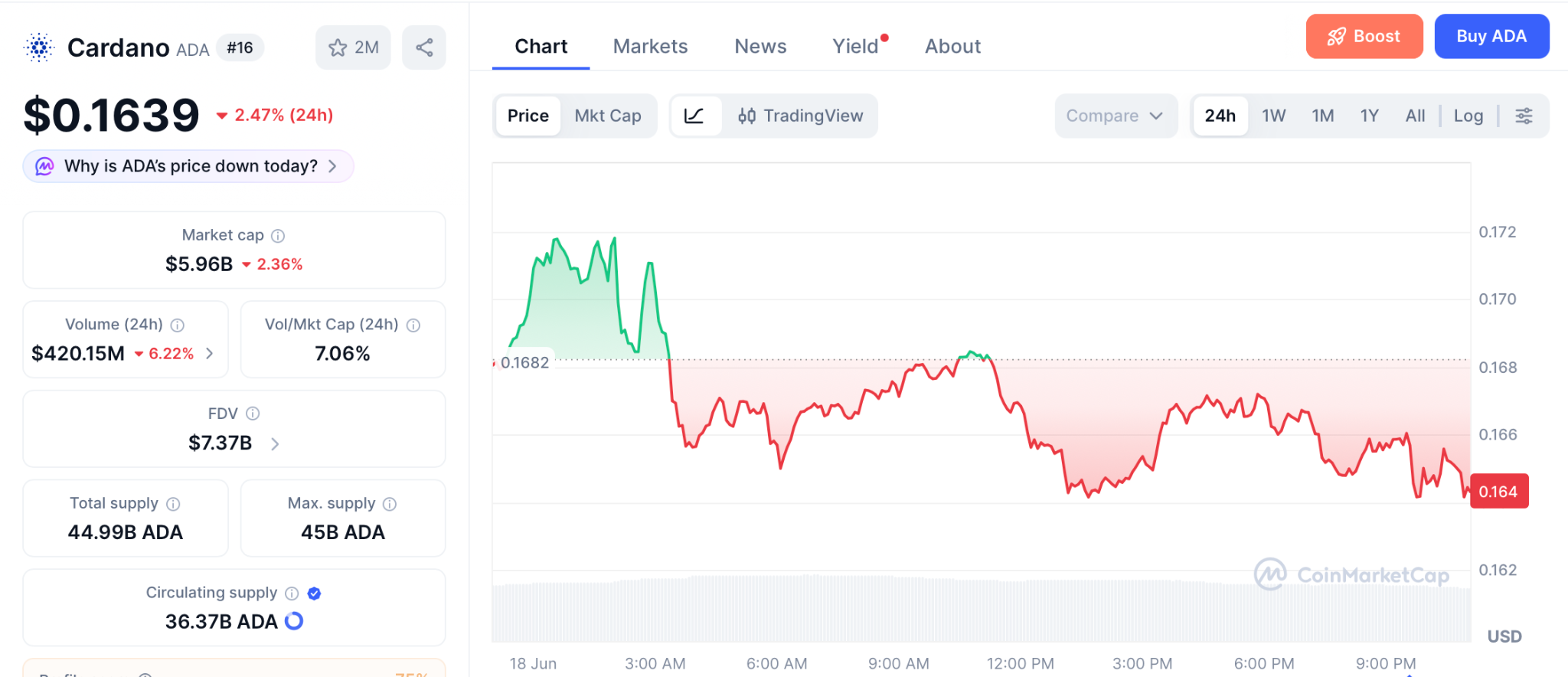
Testnets are vital components of blockchain development, providing a live environment for developers to test new features, protocols, and dApps before deploying them on the mainnet. The successful implementation and testing of Leios could unlock new functionalities and enhance the overall user experience on the Cardano network, attracting more developers and users to its ecosystem. Cardano, trading near $0.1639 per CoinMarketCap and down significantly from its $3.10 all-time high, is a project that prioritizes a research-driven, peer-reviewed approach to development, often leading to slower but more robust progress.
In parallel with its technological advancements, Cardano also faces an important regulatory juncture with the "SEC spot ETF threshold" expected in August. This period aligns with the completion of the six-month window for CME ADA futures, a factor that could influence regulatory considerations for a potential Grayscale spot ETF for ADA. The approval of such an ETF would provide institutional investors with a regulated gateway to expose themselves to Cardano, potentially injecting substantial capital into the ecosystem. While market analysts like Coinpedia project a target of $0.28 by late 2026 if ADA breaks above $0.22, suggesting a roughly 70% upside from current levels, the long-term impact of improved scalability and institutional accessibility could be far more profound. The convergence of technical maturation and potential regulatory acceptance positions Cardano as a project with significant long-term growth potential, appealing to investors who value rigorous development and a strong community.
The Presale Landscape: Pepeto and the Pursuit of Early-Stage Returns
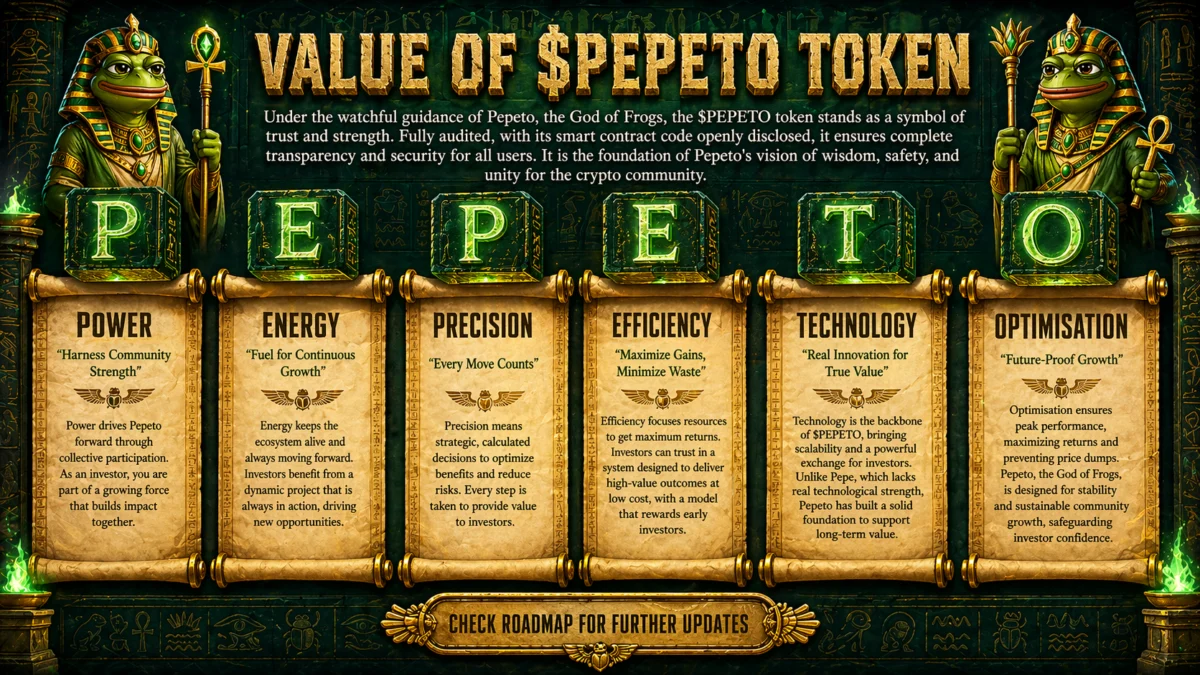
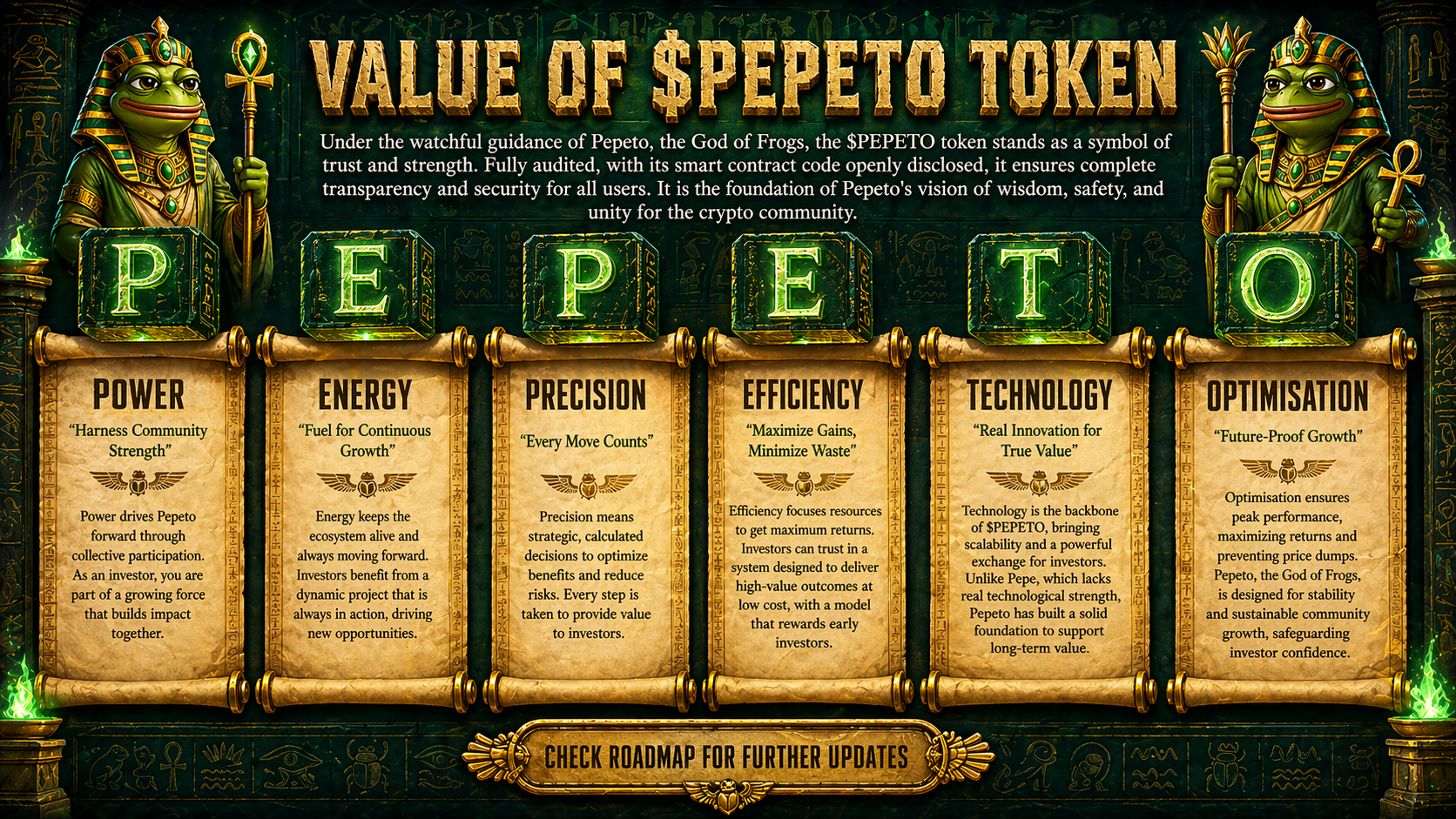
Amidst the established players and institutional shifts, the presale market continues to attract a segment of investors seeking outsized returns by backing nascent projects. One such project, Pepeto, is garnering attention, claiming to pull "heavier committed capital right now than anything sitting on exchanges." The project touts an impressive lineage, with its builder reportedly being the same individual who propelled Pepe (PEPE) to an $11 billion market capitalization, alongside a senior Binance developer. These claims, if substantiated, would lend significant credibility to the project in a market segment often fraught with risks.
According to the project’s promotional material, Pepeto has undergone audits by SolidProof and Coinsult, two independent blockchain security firms, which reviewed its entire contract set. This emphasis on security audits is critical for presale projects, as it aims to instill confidence in potential investors regarding the integrity of the smart contracts and the absence of critical vulnerabilities.
Pepeto’s ecosystem reportedly includes a working zero-fee trading engine called PepetoSwap, which also features a scanner designed to detect exploit code in token contracts before any capital enters the liquidity pool. Such a feature, if effective, would address a significant concern in decentralized finance (DeFi) – the prevalence of rug pulls and exploits. The presale entries are currently priced at $0.0000001877, with a reported $10.28 million already committed during a period characterized by "extreme fear" in the broader crypto market. Furthermore, Pepeto claims to offer a substantial 170% APY staking mechanism, compounding positions daily, which aims to incentivize long-term holding and participation within its ecosystem as a "Binance listing timeline draws closer."
The narrative surrounding Pepeto positions it as an early-stage opportunity, drawing parallels to the explosive growth witnessed by projects like Pepe and Shiba Inu in previous cycles. These comparisons, while enticing, inherently carry a high degree of speculation and risk. The "gap between entry and listing" is often cited as the primary driver of potential returns in presales, with early investors aiming to capitalize on the surge in demand and price appreciation that can accompany a major exchange listing. However, investors must conduct thorough due diligence, understand the inherent volatility and risks associated with presales, and verify all claims made by project teams. The allure of life-changing returns, as seen in past bull runs, continues to drive interest in these high-risk, high-reward ventures, but their success is never guaranteed.
Conclusion: Navigating a Maturing Yet Dynamic Crypto Landscape
The current cryptocurrency market presents a multifaceted landscape, characterized by the increasing maturity of institutional engagement alongside the persistent allure of high-growth, early-stage opportunities. The rotation of institutional capital into altcoin ETFs, exemplified by XRP’s recent inflows, signals a growing diversification strategy among sophisticated investors. This trend is further supported by the regulatory progression of Ethereum ETFs and the anticipated threshold for other altcoin spot ETFs, which are collectively paving the way for broader institutional adoption beyond Bitcoin.
Concurrently, foundational infrastructure projects like Chainlink continue to demonstrate their critical utility through high-profile partnerships, such as the FIFA World Cup oracle deal. These developments underscore the importance of robust, decentralized infrastructure in enabling the next generation of Web3 applications and attracting real-world demand. Similarly, Cardano’s upcoming Leios testnet launch represents a significant stride in its long-term vision for scalability and decentralization, potentially enhancing its appeal to both developers and institutional investors seeking resilient blockchain platforms.
In stark contrast to the measured growth trajectories and established market positions of Chainlink and Cardano, the presale market, with projects like Pepeto, continues to offer the tantalizing prospect of exponential returns for early adopters. While claims of experienced builders, security audits, and innovative features aim to de-risk these ventures, they remain inherently speculative and carry substantial risk. The historical examples of projects like Pepe and Shiba Inu serve as powerful narratives, yet they also highlight the extreme volatility and the "winner-take-all" nature often found in this segment of the market.

Ultimately, the choice for investors lies in navigating this dynamic environment by carefully balancing risk and reward. A 25% gain on LINK or a 70% recovery on ADA, while solid, might not redefine a financial future in the way an early presale entry could, should it achieve massive success. However, the probability of such success is dramatically lower. Smart money appears to be making calculated moves, rotating into real infrastructure and exploring new institutional avenues, while a segment of retail investors continues to seek out the next viral presale opportunity. As the market evolves, understanding these distinct dynamics and performing diligent research remains paramount for any investor seeking to participate in the future of digital assets.
FAQs
What trends are shaping institutional cryptocurrency investments right now?
Institutional cryptocurrency investments are increasingly characterized by a rotation of capital into altcoin-focused ETFs, seeking diversification beyond Bitcoin. This is driven by emerging regulatory clarity, such as the approval of Ethereum spot ETFs, and the pursuit of new growth vectors in assets like XRP, which recently saw significant inflows into its spot ETFs.
How does Chainlink’s FIFA World Cup deal impact its market position?
Chainlink’s deal to provide oracle services for FIFA World Cup 2026 prediction markets through ADI Predictstreet significantly bolsters its market position by demonstrating its real-world utility and enterprise-grade reliability. This partnership validates Chainlink’s critical role in connecting real-world data to blockchain applications, driving network demand and reinforcing its status as a foundational Web3 infrastructure provider.
What is the significance of Cardano’s Leios testnet launch and potential ETF threshold?
Cardano’s Leios testnet launch on June 23 is a crucial development aimed at enhancing the network’s scalability and efficiency, allowing for higher transaction throughput and more complex dApps. Concurrently, the "SEC spot ETF threshold" in August, coinciding with the completion of CME ADA futures’ six-month window, could pave the way for a Grayscale spot ETF for ADA, potentially unlocking significant institutional capital and increasing market accessibility for Cardano.
What are the reported features and risks associated with the Pepeto presale?
The Pepeto presale, claiming to be backed by the original Pepe builder and a former Binance developer, boasts a working zero-fee trading engine (PepetoSwap) with an exploit code scanner, and offers 170% APY staking. It has reportedly raised $10.28 million at a presale price of $0.0000001877 and undergone audits by SolidProof and Coinsult. While offering the potential for high returns akin to past successful presales, it carries the inherent high risks and speculative nature associated with early-stage cryptocurrency investments, necessitating thorough due diligence from potential investors.