BNB Smart Chain (BSC) has firmly established itself as one of the cryptocurrency ecosystem’s most active and technologically advanced Layer 1 networks, consistently delivering on its promise of efficiency and innovation since its inception in 2020. This year, 2026, marks a pivotal moment in its trajectory, characterized by a maturing ecosystem, ultra-low transaction fees, and a strategic embrace of real-world assets (RWAs) and expansive stablecoin offerings. These concerted efforts have successfully drawn in a diverse and growing base of users and developers, cementing BSC’s reputation as a high-performance, cost-effective blockchain solution with a strong economic foundation rooted in deflationary tokenomics.
A Foundation Forged in Innovation: The Genesis and Evolution of BNB Smart Chain
The journey of BNB Smart Chain began with a vision to create a parallel blockchain to Binance Chain, which was primarily designed for fast decentralized trading. Launched in September 2020, BSC quickly differentiated itself by offering EVM-compatibility, allowing developers to port over existing Ethereum-based applications with minimal effort. This strategic move, combined with significantly lower transaction fees and faster block times compared to the prevailing Ethereum network at the time, positioned BSC as an attractive alternative, especially during periods of high Ethereum gas prices. From its early days, often characterized by a rapid influx of decentralized finance (DeFi) projects and a thriving retail user base, BSC has continuously evolved. Its governance, driven by a delegated Proof of Stake (DPoS) consensus mechanism involving 21 active validators, has ensured a balance between decentralization and high transaction throughput. The network’s native token, BNB, which also powers the broader BNB Chain ecosystem, plays a critical role in governance, transaction fee payments, and various DeFi applications, making its tokenomics central to the chain’s economic health. The period between 2020 and 2024 saw BSC navigate explosive growth, periods of intense competition, and a relentless pursuit of technical excellence, all laying the groundwork for the transformative advancements witnessed in 2025 and early 2026.
Transformative Hardforks: Redefining Speed and Cost Efficiency in 2025
The year 2025 was monumental for BNB Smart Chain’s core infrastructure, marked by the successful implementation of four major protocol upgrades: Pascal, Lorentz, Maxwell, and Fermi. These hardforks, executed flawlessly without a single instance of network downtime, collectively represented a dramatic overhaul aimed at enhancing the network’s speed, reducing transaction costs, and improving overall user experience.
The Pascal hardfork, initiated in Q1 2025, focused on initial code optimizations and minor consensus adjustments, preparing the network for more significant throughput enhancements. This was followed by the Lorentz upgrade in Q2, which specifically targeted EVM compatibility improvements, ensuring smoother integration for new dApps and reducing potential friction for developers migrating from other EVM chains. The Maxwell hardfork, deployed in Q3, brought crucial advancements in state storage and data retrieval mechanisms, which are vital for maintaining network performance as the blockchain grows in size and complexity. Finally, the Fermi hardfork in Q4 2025, considered the most impactful, introduced sophisticated optimizations to the consensus layer, potentially laying the groundwork for future sharding capabilities or parallel transaction processing.
The combined effect of these upgrades was nothing short of revolutionary for the network’s performance metrics. Block times were dramatically slashed from an already competitive three seconds down to an astonishing 0.45 seconds. This near-instantaneous block finalization drastically improved the responsiveness of decentralized applications and user interactions. Concurrently, transaction finality, the time it takes for a transaction to be irreversibly added to the blockchain, plummeted from 7.5 seconds to a mere 1.1 seconds. Such rapid finality is a game-changer for high-frequency trading, gaming, and real-time payment applications, placing BNB Smart Chain at the forefront of Layer 1 performance.
Beyond speed, the upgrades also delivered significant cost reductions. Gas throughput, a measure of the network’s processing capacity, doubled to an impressive 133 million gas per second. This substantial increase in capacity directly contributes to the network’s ability to handle a larger volume of transactions without congestion. In a coordinated effort, validators on the network unanimously agreed to slash the minimum gas price from 1 Gwei to an unprecedented 0.05 Gwei. As confirmed by official statements from BNB Chain on X (formerly Twitter), these reductions translated into median transaction fees falling well below $0.01. For context, this positions BNB Smart Chain as one of the most economically viable blockchain networks globally, particularly appealing to users in emerging markets where even small fees can be a significant barrier.
"The 2025 hardforks were a testament to the relentless dedication of our core development teams and validator community," stated a spokesperson for the BNB Chain Foundation in a recent press briefing. "Our goal was clear: to deliver unparalleled speed and affordability without compromising security or decentralization. The results speak for themselves, empowering millions of users globally with accessible blockchain technology."
This dramatic improvement in efficiency directly fueled a surge in network activity. Daily transactions on BNB Smart Chain peaked at an all-time high of 31 million in 2025, a clear indication of robust user adoption and engagement. This record volume underscored the network’s capacity to handle mass-market applications and served as a strong competitive advantage against other EVM-compatible networks, many of which still grapple with higher costs and slower processing times. The lower barriers to entry fostered by these fee reductions were particularly impactful in fostering peer-to-peer stablecoin transfers, which saw exponential growth, especially in regions with volatile fiat currencies or limited access to traditional banking services.
Deflationary Mechanics: Strengthening BNB’s Economic Model
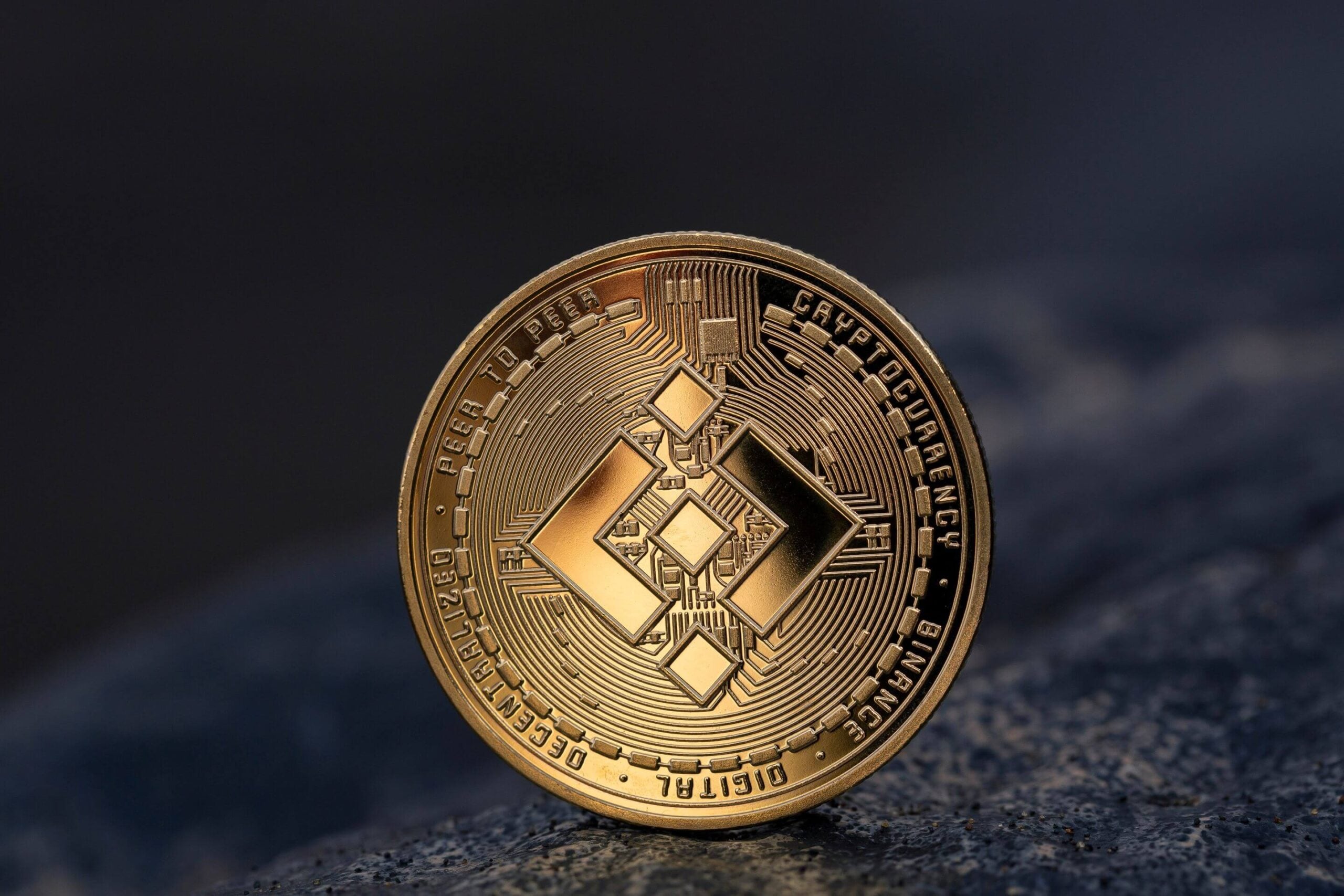
The protocol upgrades in 2025 also significantly reinforced BNB Smart Chain’s deflationary mechanics, a core pillar of the BNB token’s long-term value proposition. The BEP-95 burning mechanism, initially launched in October 2021, plays a crucial role by burning a fixed percentage—approximately 10%—of every gas fee collected in real-time. This means that as network activity and transaction volumes increase, a larger amount of BNB is permanently removed from circulation.
The record-breaking transaction volumes witnessed in 2025 directly accelerated this deflationary process. Higher usage translates to more gas fees collected, and consequently, more BNB tokens being burned. This continuous reduction in supply, juxtaposed against growing demand for network services, is designed to exert upward pressure on BNB’s value over time. The impact of this mechanism was clearly demonstrated in the 35th quarterly burn in Q1 2026, which alone saw over 1.57 million BNB tokens permanently eliminated. At the prevailing market prices, this burn event was valued at more than $1 billion, highlighting the substantial economic impact of the network’s deflationary strategy.
"BNB’s deflationary model is not just a theoretical concept; it’s an active, programmatic mechanism that strengthens the token’s economic integrity," remarked a leading crypto economist from BlockMetrics Research. "With increased utility and adoption, especially from high-volume activities like stablecoin transfers and RWA trading, the burning rate intensifies, creating a compelling value proposition for long-term holders. This model sets BNB apart from many inflationary or less rigorously controlled token supplies in the market."
In addition to BEP-95, other burning mechanisms, such as the BNB Auto-Burn, which adjusts the amount of BNB to be burned based on BNB’s price and the number of blocks generated on BSC, further contribute to the scarcity. This multi-pronged approach to supply reduction ensures that BNB remains a deflationary asset, aligning the incentives of network participants with the long-term health and value appreciation of the ecosystem.
Real-World Assets (RWAs) and Stablecoins: Expanding the Ecosystem’s Horizon
BNB Smart Chain has emerged as a natural and highly efficient home for the burgeoning sector of real-world assets (RWAs), bridging the gap between traditional finance and decentralized blockchain technology. In October 2025, Ondo Global Markets made a significant splash by launching on the chain, introducing a comprehensive suite of over 260 tokenized stocks and Exchange Traded Funds (ETFs). This offering included widely recognized names such as SPY (S&P 500 ETF), NVDA (NVIDIA), and TSLA (Tesla), providing blockchain users with unprecedented access to traditional equity markets. These tokens are fully backed by underlying securities held in regulated custodians, ensuring transparency and security, and support 24/7 trading with robust dividend tracking capabilities, features often unavailable in traditional markets.
The expansion continued into March 2026, when Ondo Finance announced the live deployment of over 60 additional tokenized stocks and ETFs on BNB Chain. These new additions strategically targeted high-growth sectors, including artificial intelligence (AI), defense, and renewable energy, reflecting global market trends and investor interest. This rapid expansion propelled Ondo Finance past the $1 billion mark in total value locked (TVL) across all chains, with BNB Chain contributing significantly to this milestone. The integration of tokenized commodities, such as PAXG and XAUT, which offer gold-backed exposure on-chain, further diversified the RWA offerings, catering to investors seeking stable, tangible assets within the digital realm.
"Our decision to prioritize BNB Smart Chain for our RWA offerings was driven by its unparalleled efficiency and a user base highly receptive to innovative financial products," explained Nathanial Young, CEO of Ondo Finance, in a recent interview. "The low fees and rapid finality of BSC make trading tokenized equities a seamless experience, democratizing access to global markets in a way that traditional finance simply cannot match. We see BNB Chain as a cornerstone for the future of tokenized assets."
On the stablecoin front, BNB Smart Chain continues to be a vibrant hub for liquidity and transactional activity. USDT (Tether) maintains its position as the leading stablecoin by supply on the chain, reflecting its widespread adoption across the crypto landscape. However, USD1 has rapidly ascended to second place, demonstrating significant momentum and continued market penetration. This growth can be attributed to a combination of strategic partnerships, enhanced liquidity provisions, and potentially favorable regulatory stances in specific jurisdictions.
A notable addition to the stablecoin ecosystem came in December 2025 with the launch of United Stables’ BSC-native stablecoin, $U. Backed by a diversified basket of established stablecoins including USDT, USDC, and USD1, $U quickly reached an impressive $1 billion in on-chain supply. A key innovation of $U is its support for gasless transfers via EIP-3009, a technical standard that enables users to make transactions without directly paying gas fees, instead relying on meta-transactions or sponsored transactions. This feature dramatically enhances user experience, making $U an ideal medium for everyday payments, remittances, and micro-transactions, particularly appealing to retail users and those in emerging economies.
A Dynamic DeFi Landscape: Innovation, Liquidity, and Retail Engagement
The decentralized finance (DeFi) ecosystem on BNB Smart Chain remains robust and highly active, characterized by strong trading volumes and deep liquidity across various protocols. Following its multi-chain deployment strategy, Uniswap, a leading decentralized exchange, has successfully captured a significant portion of trading volumes on BNB Smart Chain, bringing its battle-tested liquidity pools and innovative AMM model to the network. This development provides users with expanded trading options and enhances overall market efficiency.
Lending and borrowing protocols continue to form a critical component of the DeFi infrastructure. Venus, a prominent money market protocol, provides over $1.6 billion in lending liquidity, enabling users to earn yield on their digital assets or access collateralized loans. This deep liquidity supports a wide range of DeFi activities, from yield farming to more complex leverage strategies.
Liquid staking has also gained considerable traction, with ListaDAO emerging as a key player. ListaDAO allows BNB holders to stake their tokens while receiving a liquid staking derivative, which can then be used across other DeFi protocols. This innovation enables users to earn staking rewards for securing the network while simultaneously maintaining liquidity and participating in other DeFi opportunities, optimizing capital efficiency.
Beyond these established giants, the BNB Smart Chain ecosystem continues to foster a dynamic environment for retail activity. PancakeSwap, historically a cornerstone of BSC’s DeFi scene, continues to maintain strong user engagement with its extensive suite of services, including swapping, yield farming, and lottery games. Newer entrants like GMGN.AI are exploring the convergence of AI and DeFi, offering novel tools and services that leverage artificial intelligence for trading insights or protocol optimization. Furthermore, memecoin launchpads such as Four.meme maintain high retail interest, serving as incubators for new, community-driven tokens and contributing to the chain’s vibrant and sometimes speculative, culture. This diverse array of protocols ensures a broad appeal, catering to both seasoned DeFi users and new retail participants.
Broader Impact, Competitive Edge, and Future Trajectory
The confluence of these advancements – the radical technical upgrades, the robust deflationary tokenomics, the strategic integration of real-world assets, the expanding stablecoin offerings, and a vibrant DeFi ecosystem – has collectively solidified BNB Smart Chain’s position as a formidable force in the blockchain landscape of 2026. The network’s ability to deliver ultra-low fees and near-instant transaction finality makes it exceptionally competitive against other Layer 1s, including Ethereum, Solana, Polygon, and Avalanche. While Ethereum continues to innovate with its own scaling solutions, BSC’s existing performance metrics offer an immediate and highly scalable alternative for a wide array of applications.
For developers, BSC provides a familiar EVM environment coupled with a massive, active user base and a supportive ecosystem, making it an attractive platform for deploying new dApps, games, and financial primitives. For users, particularly those in emerging markets, the accessibility and cost-effectiveness of BSC have opened doors to financial inclusion, enabling easy access to stablecoins for remittances, payments, and savings, as well as participation in global investment opportunities through tokenized RWAs.
Looking ahead, the strategic implications are profound. BNB Smart Chain’s aggressive push into RWAs positions it as a leader in bridging traditional finance with decentralized technology, a trend widely anticipated to be a major driver of blockchain adoption in the coming years. The ongoing improvements to its core infrastructure suggest a sustained commitment to scalability and performance, essential for handling the demands of an increasingly interconnected digital economy. However, challenges remain. Regulatory landscapes around RWAs and stablecoins are still evolving, and BNB Smart Chain, as a prominent player, will undoubtedly face scrutiny. Sustaining innovation while maintaining decentralization and security will be an ongoing balancing act.
Despite these challenges, the current trajectory suggests that BNB Smart Chain is not merely keeping pace but actively shaping the future of blockchain technology. With a clear roadmap focused on performance, utility, and ecosystem expansion, analysts widely predict that BNB Smart Chain will continue to attract significant investment, foster groundbreaking innovation, and drive mass adoption across diverse sectors, reaffirming its status as a critical infrastructure layer in the decentralized future.