


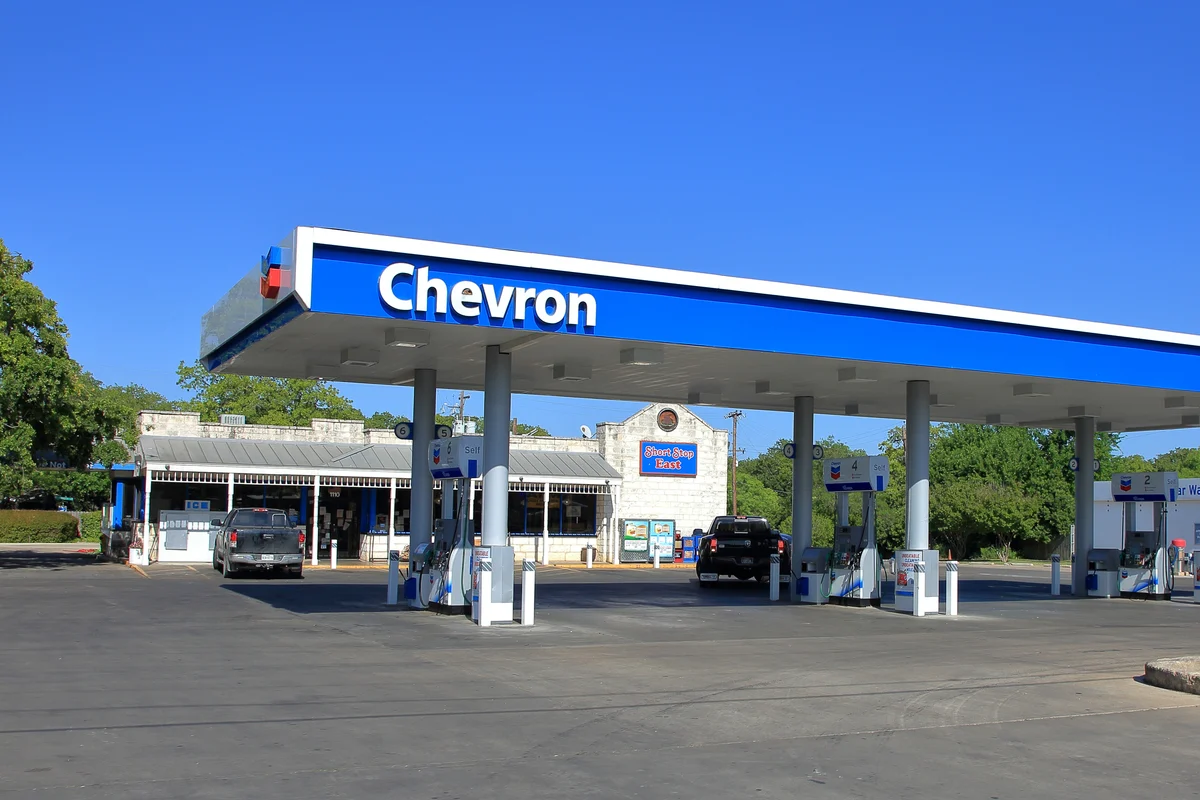
Chevron Corporation, the American energy giant, is on the cusp of finalizing a landmark agreement that will significantly augment its operational footprint in Venezuela, integrating two additional heavy-oil field assets into its portfolio and recalibrating its existing partnerships with the state-controlled Petróleos de Venezuela, S.A. (PDVSA). This strategic maneuver, expected to be unveiled officially on Wednesday in Caracas, marks a pivotal moment in the re-engagement of U.S. energy firms with Venezuela’s vast, yet largely underdeveloped, hydrocarbon reserves, a move actively encouraged by the Trump administration to bolster Western Hemisphere oil production and secure vital heavy crude supplies for domestic refineries.
The impending announcement, anticipated to draw attention from global energy markets, underscores a notable shift in the geopolitical and economic landscape surrounding Venezuela’s beleaguered oil industry. Following the disclosure of these developments, Chevron’s shares (CVX) advanced by 1.05%, reflecting investor confidence in the company’s expanding strategic position. The finalization of this arrangement is not merely an expansion for Chevron but represents a broader initiative by Washington to leverage American corporate investment to stabilize and potentially revitalize Venezuela’s oil output, which has suffered dramatically in recent years.
Details of Chevron’s Strategic Expansion
The core of Chevron’s new arrangement revolves around the integration of two heavy-oil field assets into its existing operational framework. These new additions will complement Chevron’s three current joint ventures with PDVSA, transforming its operational scope within the South American nation. A key component of this deal involves the transition of Chevron’s established partnerships into Venezuela’s updated energy regulatory structure. This regulatory recalibration is designed to grant the American corporation enhanced operational authority, a crucial factor for efficient and profitable production in a sector historically dominated by state control.
Beyond the regulatory framework, the agreement encompasses a previously negotiated asset exchange. This exchange is particularly significant as it will enable Chevron’s Petropiar heavy crude operation, one of its primary ventures in the country, to extend its reach into the adjacent Ayacucho 8 territory. This expansion into Ayacucho 8 is expected to unlock new reserves and operational synergies, optimizing production from what is already a vital asset. Informed sources close to the negotiations indicate that discussions also include a secondary territory within the Orinoco Belt, a region renowned for its immense heavy oil deposits, along with a prospective additional oil region that could further solidify Chevron’s holdings in the future. While the company has not yet issued an official statement on the matter, the scope of these negotiations points to a comprehensive and long-term commitment.
The Kobeissi Letter, a prominent financial commentary account, highlighted the unfolding developments on social media, stating on August 28, 2026: "BREAKING: Chevron, $CVX, Haliburton, $HAL, and other major US oil companies are nearing deals to invest ‘billions of dollars’ in Venezuela’s oil fields, per WSJ. This comes amid reports that the US is negotiating a deal to take a large stake in Venezuelan oil fields." This public commentary underscores the significant capital commitment expected from these agreements and the dual-track approach being pursued by the U.S. government.
Broader U.S. Corporate Re-engagement and Strategic Imperatives
Chevron’s expansion is part of a larger push by the Trump administration to encourage American energy corporations to commit capital to Venezuela. This policy initiative gained significant momentum following the removal of Nicolas Maduro in January 2026, creating an opening for renewed engagement. The primary objectives behind this encouragement are multifaceted: to strengthen oil production throughout the Western Hemisphere, thereby enhancing regional energy security, and to guarantee additional heavy crude supplies for domestic refineries in the United States. U.S. refineries are often specifically configured to process heavier crude grades, making Venezuela’s vast reserves particularly attractive.
The official unveiling of the arrangement on Wednesday in Venezuela’s capital city, Caracas, is expected to be a high-profile event. Leadership from multiple American energy firms will be present to formalize various production agreements. Notably, the nation’s Energy Secretary Chris Wright is scheduled to attend the proceedings, signaling the Venezuelan government’s endorsement and commitment to facilitating these foreign investments. This high-level attendance underscores the perceived mutual benefits of these deals for both the U.S. and Venezuela.
Beyond Chevron, other American companies are also making inroads. Halliburton, a leading American oilfield services provider, is actively negotiating to supply its advanced technology and services to Venezuela’s petroleum industry. Such agreements are crucial for modernizing and optimizing extraction processes, which have suffered from underinvestment and technological stagnation. Furthermore, Hunt Oil became the inaugural American firm to formalize an agreement for Venezuelan oil extraction earlier this month, preceding the current wave of industry contracts and setting a precedent for renewed U.S. corporate involvement. These developments indicate a carefully coordinated strategy to re-establish a significant American presence in Venezuela’s energy sector.
Venezuela’s Underexploited Oil Riches and Production Potential
Venezuela possesses among the planet’s most substantial confirmed petroleum reserves, representing approximately 17% of worldwide totals. These colossal reserves, predominantly heavy and extra-heavy crude, are concentrated primarily in the Orinoco Belt. Despite this immense natural wealth, the nation’s oil production has plummeted dramatically from historical highs of over 3 million barrels per day (bpd) in the late 1990s to significantly lower levels. Present production levels hover around 1.1 million barrels daily, a figure that has remained essentially unchanged from the previous year, highlighting the urgent need for foreign investment and expertise to reverse this decline.
The strategic importance of Venezuela’s heavy crude cannot be overstated for U.S. energy markets. Many refineries on the U.S. Gulf Coast are specifically designed to process these dense, sulfurous crudes, which require specialized infrastructure and processing units. Access to a stable and proximate supply of Venezuelan heavy crude could reduce reliance on more distant or politically volatile sources, enhancing the resilience and security of the U.S. energy supply chain. The Trump administration’s policy therefore aligns both geopolitical and economic objectives, aiming to secure a vital resource while simultaneously fostering stability in a key South American nation.
Historical Context: Nationalization and Lingering Hesitancy Among Competitors
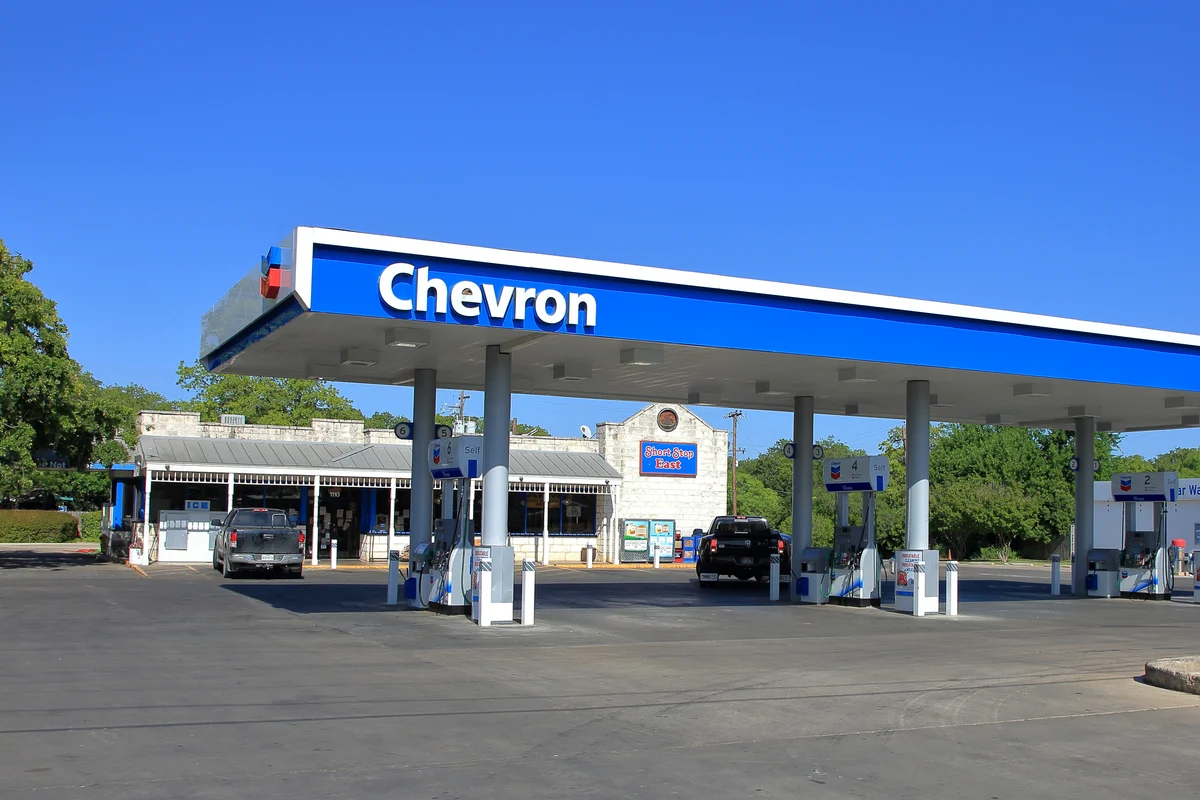
While Chevron is moving forward, its major American competitors, ExxonMobil and ConocoPhillips, have opted against participation at this time. Their reluctance stems from bitter experiences nearly two decades ago. Both corporations lost their Venezuelan holdings to nationalization under the leadership of then-President Hugo Chavez in 2007. This expropriation resulted in significant financial losses, and both companies continue to pursue billions in compensation through international arbitration, nearly twenty years after the events. The memory of these nationalizations serves as a powerful deterrent, creating a perception of elevated political risk that many companies are unwilling to undertake without ironclad guarantees.
The challenges in Venezuela’s oil sector extend beyond political risk. Many of the fields Venezuela is currently presenting for development are undeveloped territories, completely lacking fundamental infrastructure such as pipelines, processing facilities, or even reliable power supply. Converting these greenfield sites into operational assets would demand billions in initial capital expenditure, alongside significant time and technical expertise. This immense upfront investment, coupled with the historical precedent of nationalization, makes the prospect of re-entry daunting for firms that lack Chevron’s unique, long-standing operational presence and U.S. government authorization.
Chevron’s Unique Position and Competitive Advantage
In this complex environment, Chevron stands alone among major American oil producers with active Venezuelan operations, functioning under exclusive U.S. government authorization. This continuous operational presence, maintained even through periods of severe U.S. sanctions, provides Chevron with an unparalleled competitive advantage over its industry peers. The company possesses invaluable on-the-ground knowledge, established relationships with local stakeholders, and a deep understanding of the regulatory and operational intricacies of working within Venezuela. This operational experience allows Chevron to navigate the complexities more effectively and offers a significant head start over competitors still evaluating market entry and grappling with the logistical and political hurdles of establishing new operations.
The U.S. government’s explicit authorization for Chevron to operate in Venezuela, while sanctions were in place against PDVSA and the broader Venezuelan oil sector, has been critical. It effectively shielded Chevron from the full brunt of U.S. punitive measures, allowing it to maintain a minimal presence and preserve its assets. This strategic decision by the U.S. government has now positioned Chevron as the prime beneficiary of any normalization or re-engagement efforts, enabling it to expand rapidly where others fear to tread.
The Geopolitical Chessboard: Dual Negotiation Tracks
The corporate negotiations involving Chevron, Halliburton, and Hunt Oil occur independently from, yet concurrently with, more sophisticated discussions between the Trump administration and Venezuelan authorities. These separate discussions are focused on a potentially transformative agreement regarding direct American ownership stakes in 17 of the nation’s highest-potential fields. These specific fields are estimated to contain approximately 90 billion barrels of confirmed reserves, representing a substantial portion of Venezuela’s overall hydrocarbon wealth.
This dual-track approach—corporate investments alongside government-to-government negotiations for direct ownership—highlights the multi-layered strategy Washington is employing. The direct ownership stakes, if realized, would signify a far deeper and more entrenched U.S. presence in Venezuela’s energy future, potentially reshaping the country’s economic and geopolitical alignment for decades to come. Such an arrangement would likely involve complex revenue-sharing models and legal frameworks designed to protect American interests and investments, aiming to avoid the pitfalls of past nationalizations.
Economic and Energy Security Implications
The implications of these developments for both Venezuela and the United States are profound. For Venezuela, renewed foreign investment promises to inject much-needed capital, technology, and expertise into its dilapidated oil infrastructure. This could lead to a significant increase in production, generating crucial revenue for the state and potentially alleviating the severe economic crisis that has gripped the nation. Increased oil revenue could also provide the resources necessary for broader economic recovery and social programs, contingent on transparent and accountable governance.
For the United States, securing access to Venezuela’s heavy crude offers enhanced energy security, diversifying supply sources and potentially reducing reliance on politically sensitive regions. It aligns with a broader strategy of fostering stability and economic growth in the Western Hemisphere, creating a more secure and predictable regional environment. However, the long-term success of these initiatives hinges on the sustained political stability in Venezuela and the enforceability of these new agreements, a factor that remains a concern given the nation’s turbulent history.
Market Reaction and Investor Confidence
The immediate market reaction to the news of Chevron’s impending expansion was positive, with CVX shares advancing by 1.05%. This modest but significant rise indicates that investors view Chevron’s strategy in Venezuela as a calculated move with substantial upside potential. The company’s unique position, coupled with the backing of the U.S. government, appears to mitigate some of the inherent risks associated with operating in the region.
Further illustrating investor confidence, by the conclusion of Q2 2026, Chevron ranked as the energy sector’s most widely held stock among hedge funds tracked in the Insider Monkey database. A remarkable 101 institutional investors maintained combined positions valued at roughly $23.2 billion in Chevron, underscoring a broad consensus among sophisticated investors regarding the company’s strategic strength and future growth prospects. This strong institutional backing suggests that Chevron’s foray into an expanded Venezuelan presence is seen as a prudent long-term investment that could yield significant returns as global energy demands continue to evolve. The confluence of strategic expansion, government support, and robust investor confidence positions Chevron at the forefront of a potential resurgence in Venezuela’s critical oil sector.














