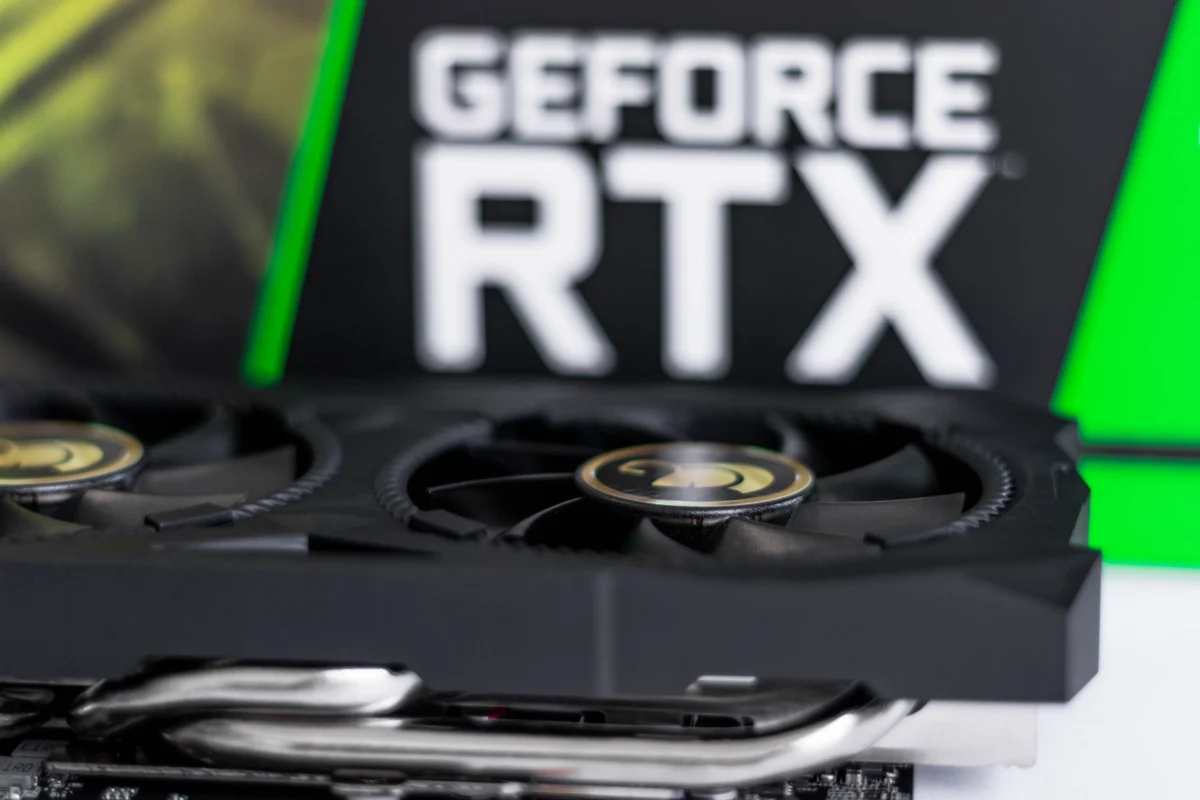
The landscape of the global graphics processing unit (GPU) market is undergoing a seismic shift as Chinese cryptocurrency miners begin a mass liquidation of their hardware. Following a series of escalating regulatory strikes from Beijing aimed at dismantling the domestic mining industry, the secondary market in China has been flooded with thousands of used graphics cards. Most notably, the Nvidia GeForce RTX 3060, a card that once commanded exorbitant premiums due to extreme scarcity, is now being spotted on resale platforms for as low as $270. This fire sale represents a dramatic reversal for a market that, for nearly two years, was defined by record-high prices and chronic supply shortages.
The Regulatory Catalyst: China’s Final Stand Against Mining
The current influx of used GPUs is the direct result of a multi-pronged regulatory offensive launched by the Chinese government. While China has historically had a complicated relationship with digital assets, the spring and summer of 2021 marked a definitive turning point. The State Council of the People’s Republic of China, led by Vice Premier Liu He, announced a stringent crackdown on Bitcoin mining and trading activities, citing concerns over financial stability and environmental impact.
This announcement triggered a domino effect across several provinces that were once the global hubs of mining activity. Inner Mongolia was the first to implement strict bans, followed quickly by Xinjiang and Qinghai. However, the most significant blow came when Sichuan, a province known for its abundant and cheap hydroelectric power, ordered the immediate shutdown of mining facilities. For many years, Sichuan had been the "mining capital of the world," but the provincial government’s decision to cut off power to data centers forced thousands of operators to either relocate their businesses abroad or liquidate their assets entirely.
The motives behind Beijing’s aggressive stance are twofold. First, the central government is focused on its "Dual Carbon" goals—peaking carbon emissions by 2030 and achieving carbon neutrality by 2060. Cryptocurrency mining, particularly when powered by coal-heavy grids in northern China, was seen as a major obstacle to these climate commitments. Second, the crackdown coincides with the rapid development and testing of the Digital Yuan (e-CNY). By removing the competition of decentralized cryptocurrencies, the People’s Bank of China (PBoC) aims to clear the path for its own central bank digital currency (CBDC), ensuring total sovereign control over the nation’s monetary system.
Market Dynamics: Bulk Sales and Pricing Anomalies
As the deadline for facility closures passed, the "Great Mining Migration" began. While large-scale industrial miners with significant capital have sought to move their operations to more crypto-friendly jurisdictions like Kazakhstan, Russia, or the United States (specifically Texas and Wyoming), smaller and medium-sized miners have opted for a different route: selling off their hardware to recoup capital.
This has led to an unprecedented volume of hardware hitting the second-hand market. Listings on Chinese e-commerce platforms like Xianyu (Alibaba’s second-hand marketplace) show vast quantities of GPUs from both Nvidia and AMD. The inventory includes the latest Ampere (Nvidia 30-series) and RDNA2 (AMD 6000-series) architectures, as well as older but still capable Pascal and Polaris generation cards.
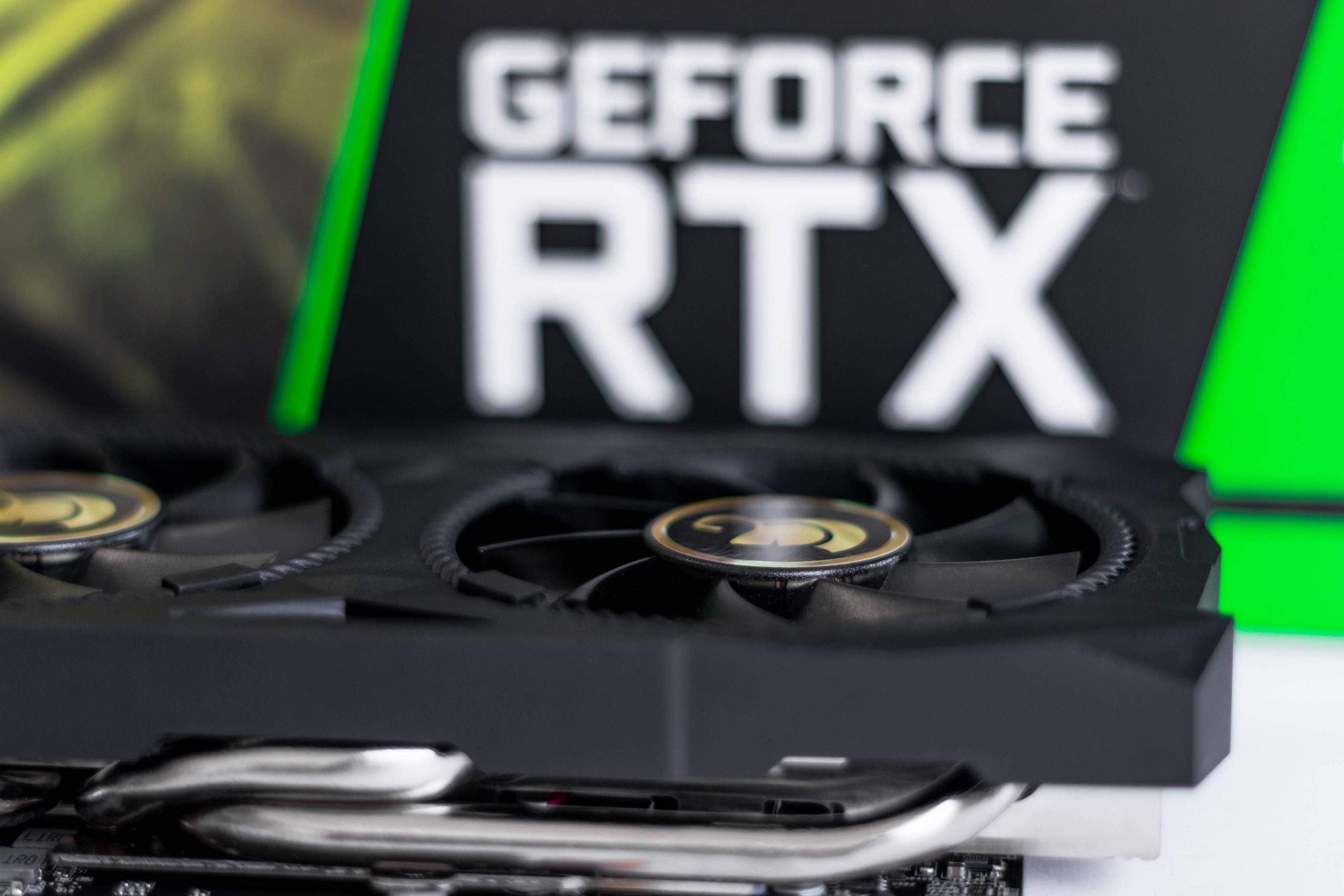
The pricing of these units reflects a desperate need for liquidity. The Nvidia RTX 3060, which has an official MSRP of $329 but frequently sold for over $800 at the height of the shortage, is now being offered for approximately $270. Higher-tier cards are also seeing deep discounts; the RTX 3070 is being listed for around $400, while the RTX 3060 Ti is hovering near $350.
However, these low prices come with a significant caveat: the "bulk-buy" requirement. Most sellers are not interested in individual retail transactions. Instead, they are listing GPUs in lots of 100 to 200 units. This strategy targets wholesale distributors or international exporters rather than the average PC gamer. Furthermore, the liquidation extends beyond desktop components. Some enterprising miners, who had turned to high-end gaming laptops when desktop GPUs were unavailable, are now selling RTX 3060-equipped laptops for roughly $1,000 per unit—a price point significantly lower than their original retail value.
Technical Risks and Buyer Hesitation
Despite the attractive pricing, the secondary market is not moving as quickly as some might expect. There is a palpable sense of hesitation among potential buyers, primarily due to the "mining fatigue" associated with these cards. Cryptocurrency mining is an intensive process that involves running GPUs 24 hours a day, seven days a week, often under significant thermal stress and in dusty industrial environments.

While many miners "undervolt" their cards to improve efficiency, others aggressively overclock the video memory (VRAM) to maximize hash rates. This constant operation can lead to several hardware issues:
- Thermal Degradation: Prolonged exposure to high heat can dry out thermal paste and pads, leading to overheating and reduced performance.
- Fan Failure: Cooling fans are mechanical parts with a finite lifespan; mining cards often have fans that are near the end of their operational life.
- VRAM Stability: The memory modules on cards used for Ethereum mining are under constant load, which can lead to artifacts or total card failure over time.
Because these cards are being sold "as-is" without manufacturer warranties—which are often voided by mining use or by the sheer fact that the cards were purchased in bulk through non-traditional channels—the risk for a retail consumer is high. This risk factor is a primary reason why prices continue to slide; the market is currently oversupplied with "high-risk" hardware that the average gamer is wary of touching.
The Global Ripple Effect and the Ethereum Transition
The situation in China is beginning to influence global GPU availability. While the initial impact is localized to the Asian market, international shipping and the cooling of the global crypto-mining craze are easing supply constraints elsewhere. In Europe, specifically in regions like Germany and Austria, analysts have noted a price drop of up to 40% for certain GPU models compared to the peak prices of early 2021.
Another major factor contributing to the availability of graphics cards is the anticipated shift of the Ethereum network. Ethereum, the most profitable coin to mine with GPUs, is in the process of transitioning from a Proof-of-Work (PoW) consensus mechanism to Proof-of-Stake (PoS). This transition, often referred to as "The Merge," will effectively end the need for GPU mining on the Ethereum network.
Nvidia CEO Jensen Huang addressed this shift during an interview around the time of the E3 gaming expo, suggesting that as Ethereum mining becomes less dependent on hardware, the supply for gamers will naturally improve. To further insulate the gaming market from miners, Nvidia also introduced "Lite Hash Rate" (LHR) versions of its cards, which feature software and hardware limiters to make them less effective for mining. However, with the Chinese crackdown providing a massive influx of "unlimited" older cards, the LHR strategy has become less relevant to the current market surplus.

Bitcoin’s Performance Amidst the Turmoil
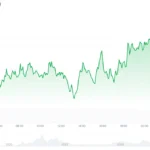
The regulatory pressure from China has had a visible impact on the price of Bitcoin and the overall sentiment of the crypto market. At the time of this report, Bitcoin (BTC) is trading at approximately $33,000. While this represents a modest 2% recovery over a 24-hour period, the asset remains down roughly 1% over the last week and is significantly lower than its all-time high of nearly $65,000 reached in April.
The market currently appears to be in a consolidation phase, trapped in a range-bound state between $30,000 and $35,000. Technical analysts point to a strong resistance level at $35,000, which the asset has struggled to breach for several weeks. The massive drop in the global hash rate—the total computational power securing the network—following the Chinese shutdown initially caused concern. However, the network has since shown resilience, with a "difficulty adjustment" occurring to ensure that block production remains stable even with fewer miners online.
Broader Implications for the Industry
The "Great GPU Dump" of 2021 serves as a case study in the volatility of the intersection between hardware supply chains and decentralized finance. For gamers, the event signals a long-awaited light at the end of the tunnel. As the mining-driven demand evaporates in one of the world’s largest markets, the artificial price inflation that has plagued the PC industry is finally beginning to deflate.
For the cryptocurrency industry, the exit of China marks the end of an era. While it has caused short-term price stagnation and a temporary dip in hash rate, many industry experts view the geographic decentralization of mining as a positive long-term development. As mining operations spread to North America, Northern Europe, and Central Asia, the network becomes less susceptible to the regulatory whims of any single nation.
In the immediate future, the influx of used Chinese GPUs will likely continue to suppress prices on the secondary market. However, for the average consumer, the choice remains a difficult one: take a gamble on a cheap, heavily-used mining card from a Chinese warehouse, or wait for new retail stock to finally stabilize at MSRP. Regardless of the choice, the era of the $1,000 mid-range graphics card appears to be coming to a swift and unceremonious end.