


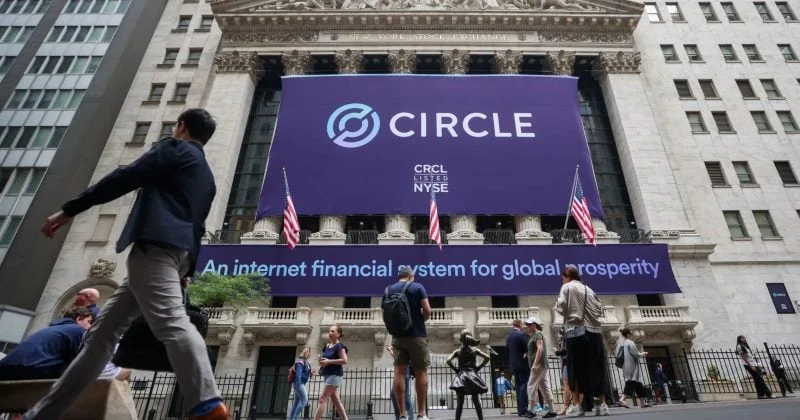
Circle Internet Financial, the issuer of the USD Coin (USDC), has officially received approval from the Office of the Comptroller of the Currency (OCC) to operate as a national digital currency bank, a milestone that effectively integrates one of the world’s largest stablecoin providers into the core of the United States federal banking system. This regulatory breakthrough represents the culmination of a multi-year effort by crypto-native firms to transition from the periphery of the financial services industry into a regulated framework identical to that of traditional national banks. By securing a national bank charter, Circle moves beyond its previous status as a state-regulated money transmitter, gaining a structural upgrade that provides federal preemption over a patchwork of state laws and places its operations under the direct supervision of the primary regulator for all national banks in the U.S.
For the broader digital asset ecosystem, this approval is a signal of a changing tide in Washington, suggesting that federal regulators are increasingly willing to bring major stablecoin issuers within the "regulatory perimeter" rather than leaving them to operate in the legal gray zones that have defined the industry for over a decade. The OCC charter is not merely a credential of legitimacy; it is a fundamental shift in how USDC is governed, audited, and integrated into the global economy. As a national bank, Circle will be required to meet stringent capital requirements, liquidity standards, and risk management protocols, potentially setting a new gold standard for the issuance of dollar-pegged digital assets.
The Strategic Importance of the National Bank Charter
The transition from a fintech entity to a federally chartered bank is a complex process that involves exhaustive vetting of a company’s management, financial stability, and internal controls. For Circle, the charter provides a level of legal certainty that has been elusive for the stablecoin sector. Previously, Circle operated primarily under Money Transmitter Licenses (MTLs) across various U.S. states. While these licenses allowed for the legal transfer of funds, they did not offer the same level of federal protection or the ability to hold reserves directly with the Federal Reserve, a privilege typically reserved for chartered depository institutions.
With this approval, Circle’s USDC moves closer to becoming a "tokenized deposit" equivalent in the eyes of institutional investors. The charter allows Circle to streamline its operations across state lines without seeking individual state-level approvals for new products or services. Furthermore, it provides the company with a "seat at the table" during high-level policy discussions regarding the future of the U.S. payments system. This is particularly relevant as the Federal Reserve and the Treasury Department continue to evaluate the necessity of a Central Bank Digital Currency (CBDC). By empowering a private issuer like Circle with a bank charter, the OCC may be positioning the U.S. to rely on a private-public partnership for digital dollar innovation rather than a government-issued token.
A Chronology of Circle’s Regulatory Journey
The path to this national bank charter was marked by several critical milestones and shifts in the regulatory landscape:
- 2013: Circle is founded by Jeremy Allaire and Sean Neville, initially focusing on a consumer-facing payment app before pivoting toward blockchain infrastructure.
- 2018: Circle, in partnership with Coinbase via the Centre Consortium, launches USDC. The asset is designed to be a fully reserved, transparent alternative to Tether (USDT).
- 2020: The OCC, then led by Acting Comptroller Brian Brooks, issues interpretive letters suggesting that national banks could provide custody for digital assets and hold reserves for stablecoin issuers. This opens the door for Circle to consider a federal charter.
- 2021: Circle officially announces its intention to become a "full-reserve national commercial bank." This period is marked by increased scrutiny from the SEC and other regulators following the rapid growth of the DeFi (Decentralized Finance) sector.
- 2022: The collapse of the Terra/Luna ecosystem and the subsequent bankruptcy of several crypto lenders lead to a "crypto winter." Regulators become more cautious, and the path to a charter appears to stall as the OCC, under new leadership, emphasizes "safe and sound" banking practices.
- 2023: Circle navigates the regional banking crisis, successfully managing the fallout from the collapse of Silicon Valley Bank (SVB), where a portion of USDC reserves were held. This event underscores the need for more direct access to the Federal Reserve’s payment rails.
- 2024: Following extensive audits and negotiations, the OCC grants the charter, signaling a new era of institutionalized digital finance.
Supporting Data: The Growth and Stability of USDC
The scale of Circle’s operations highlights why federal oversight became a necessity. As of late 2024, USDC maintains a market capitalization exceeding $35 billion, making it the second-largest stablecoin by market cap and a critical pillar of liquidity in the digital asset markets. Unlike some of its competitors, Circle has maintained a policy of holding its reserves in highly liquid assets.
Recent transparency reports indicate that USDC reserves are composed primarily of:
- U.S. Treasury Securities: Approximately 80% of reserves are held in short-term U.S. Treasuries, managed through the Circle Reserve Fund, which is overseen by BlackRock.
- Cash Deposits: The remaining 20% is held in cash at various U.S. partner banks, providing immediate liquidity for redemptions.
By moving these operations under an OCC charter, the management of these billions in assets will face bank-level examinations. This includes stress testing and rigorous "Know Your Customer" (KYC) and "Anti-Money Laundering" (AML) compliance, which are standard for national banks. Data from blockchain analytics firms suggest that USDC is the preferred stablecoin for institutional "on-chain" activity, with a significant portion of its volume originating from regulated financial entities rather than retail speculators.
Shifting the Competitive Landscape: Circle vs. Tether
The most immediate impact of the OCC approval is the widening gap between Circle and its primary rival, Tether (USDT). Tether, which boasts a market capitalization of over $120 billion, operates largely outside the U.S. regulatory framework. Domiciled in the British Virgin Islands and managed by a complex web of entities, Tether has frequently faced criticism regarding the transparency of its reserves and its reluctance to undergo a full Big Four audit.
Circle’s national bank charter creates a "flight to quality" scenario. Institutional players—such as hedge funds, pension funds, and multinational corporations—are often mandated to work only with regulated counterparties. A federally chartered bank offers a level of legal recourse and systemic stability that an offshore entity cannot match. While Tether remains the dominant liquidity provider in offshore and retail-heavy exchanges, Circle is positioning USDC as the compliant, "safe-haven" asset for the regulated financial world. This distinction is expected to accelerate the adoption of USDC in traditional payment rails, cross-border settlements, and corporate treasury management.
Official Responses and Policy Implications
While the OCC has not released a detailed play-by-play of the approval process, the move aligns with recent comments from various financial authorities. Federal Reserve Chair Jerome Powell has previously stated that stablecoins are "private forms of money" that require appropriate federal oversight. The granting of a charter to Circle suggests that the "appropriate oversight" involves integrating these firms into the existing banking architecture rather than creating an entirely new, separate regulatory body.
Industry reactions have been largely positive, though tempered by caution. Proponents of the "Clarity for Stablecoins Act," a piece of legislation currently making its way through Congress, argue that Circle’s charter provides a real-world template for how the law should function. Conversely, some consumer advocacy groups have expressed concern that granting bank charters to crypto firms might expose the traditional banking system to the volatility of the digital asset markets. However, because Circle operates on a "full-reserve" model—meaning it does not lend out its reserves like a traditional fractional-reserve bank—the systemic risk is theoretically lower.
Broader Impact and Future Implications
The long-term implications of Circle becoming a national bank extend far beyond the crypto market. It serves as a bridge between the "Internet of Value" and the legacy financial system.
1. Institutional Adoption: With a bank charter, Circle can more easily partner with traditional financial giants. We have already seen the beginnings of this with BlackRock’s involvement in managing USDC reserves. Future collaborations could see USDC integrated into standard banking apps, allowing everyday users to hold and send digital dollars with the same ease as a Zelle or Venmo transaction, but with the added benefits of blockchain efficiency.
2. Cross-Border Payments: One of the most significant use cases for a stablecoin issued by a national bank is the disruption of the $150 trillion cross-border payment market. Current systems like SWIFT are often slow and expensive. A federally chartered Circle could facilitate near-instant, low-cost international settlements that are fully compliant with U.S. law, potentially strengthening the dollar’s role as the global reserve currency in the digital age.
3. Operational Constraints and Risks: Being a bank is not without its drawbacks. Circle will now be subject to "bank-like" supervision, which could limit its ability to innovate as quickly as its offshore competitors. The OCC’s rules were designed for institutions that lend money, not for software-driven payment companies. There is a risk that the "regulatory burden" could lead to higher operational costs, which might eventually be passed on to users. Furthermore, if the OCC decides to tighten its grip on how digital assets interact with DeFi protocols, Circle might be forced to restrict certain USDC functionalities to remain in compliance.
Conclusion
Circle’s receipt of an OCC national bank charter is a defining moment in the maturation of the digital asset industry. It represents the transition of stablecoins from a "fintech experiment" to a recognized component of the national financial infrastructure. By choosing to play by the rules of the traditional banking system, Circle has gained a formidable competitive advantage in terms of credibility and institutional access.
As the OCC begins its active supervision of this new "digital currency bank," the financial world will be watching closely. The success or failure of this model will likely determine the regulatory trajectory for all other digital asset firms in the United States. For now, the message is clear: the digital dollar has arrived, and it is wearing the uniform of a national bank. This move not only solidifies Circle’s position in the market but also provides a blueprint for how the stability of the traditional financial system can be merged with the efficiency of blockchain technology.














