
The digital asset landscape is experiencing a seismic shift as institutional giants like BlackRock and Fidelity are actively pursuing regulatory approval for spot Ether Exchange-Traded Funds (ETFs). This surge in institutional interest, exemplified by BlackRock’s substantial accumulation of Ether (ETH), signals a growing conviction in the long-term viability of the second-largest cryptocurrency. Over the past nine days, BlackRock’s publicly traded Ether ETF has quietly amassed over $1 billion in the digital currency, a remarkable feat characterized by sustained buying with no instances of net selling, as highlighted by the on-chain intelligence platform Arkham.
This significant accumulation underscores a strategic approach by BlackRock, suggesting that the financial behemoth views Ether not as a fleeting speculative asset but as a foundational holding within its diverse investment portfolio. Arkham’s analysis indicates that BlackRock’s average acquisition price for Ether hovers around $3,060 per coin, a figure that reflects a calculated entry point amidst recent market dynamics. The sustained, unwavering purchasing activity from such a prominent player in traditional finance carries considerable weight, particularly within a volatile cryptocurrency market prone to sharp reversals and profit-taking maneuvers.
BlackRock’s $1 Billion Ether Accumulation: A Testament to Institutional Confidence
The sheer scale and consistency of BlackRock’s Ether acquisition are particularly noteworthy. In a market environment that often sees speculative trading and rapid profit-taking, investing over a billion dollars in a single digital asset represents a powerful endorsement. This unwavering commitment stands in stark contrast to more opportunistic trading strategies, suggesting a deep-seated belief in Ether’s fundamental value proposition and its potential for future growth.

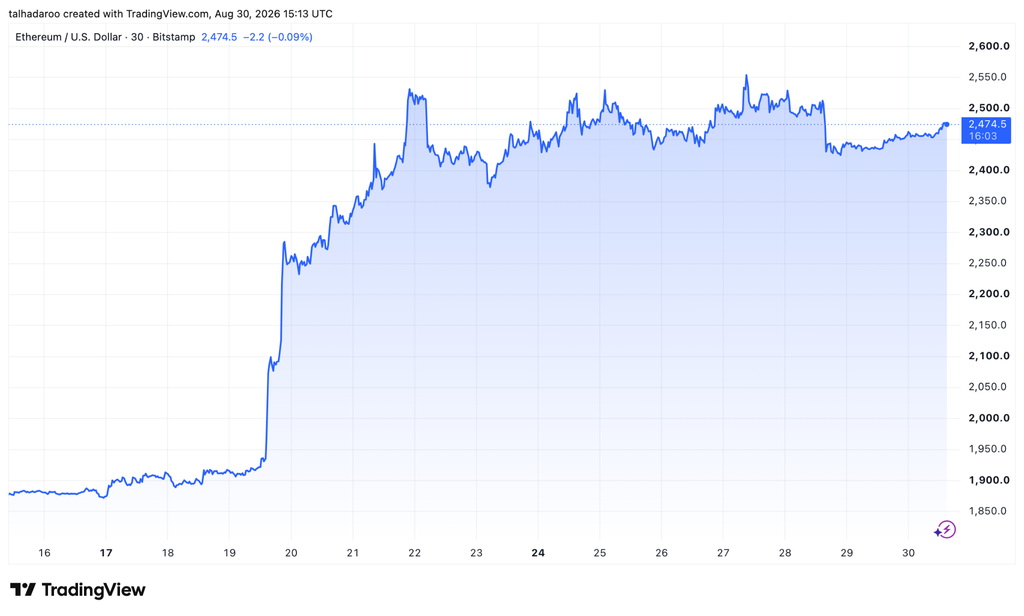
This institutional confidence comes at a crucial juncture for Ethereum. The cryptocurrency has recently experienced a significant price recovery, marking an impressive surge of over 28% in the past two weeks alone. This upward momentum, coupled with the persistent buying pressure from BlackRock, paints a picture of a market potentially entering a new phase of maturation, driven by sophisticated investors who are willing to allocate substantial capital. The uninterrupted buying streak indicates a strategic accumulation strategy, designed to build a significant position without triggering market-wide selling pressure.
The recent price chart for ETH/USD illustrates this recovery period, showcasing a consistent upward trend that has likely contributed to the increased confidence among major financial players. While the immediate influx of capital can be partly attributed to this price uptick, the absence of any net-selling sessions from BlackRock points towards deliberate, strategic accumulation rather than simple opportunistic trading. This suggests that the fund manager is building a long-term position, anticipating future appreciation and integration of Ether into mainstream investment portfolios.
The Broader Context: The Race for Spot Ether ETFs
BlackRock’s significant investment in Ether is intrinsically linked to its pursuit of a spot Ether ETF. The approval of a spot Bitcoin ETF earlier this year by the U.S. Securities and Exchange Commission (SEC) paved the way for similar products targeting other cryptocurrencies. Following BlackRock’s initial filing, other major financial institutions, including Fidelity, have also submitted applications for spot Ether ETFs. This collective push signifies a broader trend of traditional finance seeking to offer regulated, accessible investment vehicles for digital assets.

The journey towards regulatory approval for these ETFs has been a protracted one, marked by several rounds of scrutiny and deliberation by the SEC. The approval of spot Bitcoin ETFs was seen as a watershed moment, demonstrating a willingness from the U.S. regulator to embrace crypto-based investment products. Now, the focus has shifted to Ether, with market participants eagerly awaiting the SEC’s decision on these new applications. The SEC’s decision-making process typically involves evaluating factors such as market surveillance, investor protection, and the potential for market manipulation.
The timing of BlackRock’s substantial Ether purchases could be interpreted as a strategic move to bolster its position and demonstrate robust demand ahead of potential regulatory decisions. By accumulating a significant amount of Ether, BlackRock is not only diversifying its ETF holdings but also signaling to the market and regulators its commitment to the asset class. This proactive approach could influence the SEC’s perception of market maturity and institutional interest surrounding Ether.
Community Reactions and Market Sentiment
The news of BlackRock’s massive Ether accumulation has garnered significant attention and diverse reactions within the cryptocurrency community on platforms like X (formerly Twitter). While many view this as a bullish indicator, signifying institutional acceptance and potential price appreciation, others remain cautious, drawing parallels to past market cycles.

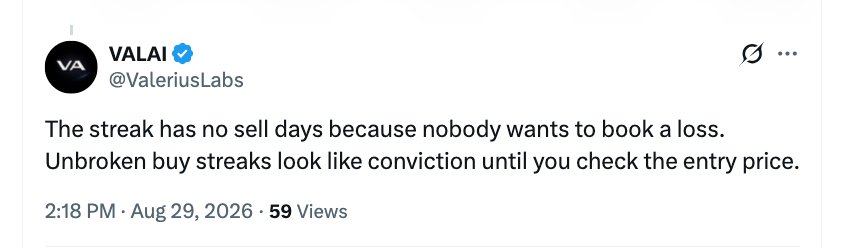
One prominent user on X, Valerius Labs, expressed a degree of skepticism, suggesting that BlackRock’s current order book might be "a little misleading" and urging speculators to exercise caution. This sentiment reflects a historical pattern in the crypto market where periods of price surges are often followed by sharp downturns, leading to significant losses for inexperienced traders who engage in excessive leveraged positions. The user’s comment serves as a reminder of the inherent volatility of digital assets and the importance of thorough due diligence.
Conversely, another user, zxcVika_ell, alluded to a "quiet accumulation phase," a strategy employed by astute investors who discreetly acquire assets during periods of price consolidation or minor downturns, often when market sentiment is bearish. These "under-the-radar" buyers are frequently rewarded when an inevitable price rally occurs. This perspective suggests that BlackRock’s actions might represent a sophisticated accumulation strategy, aimed at maximizing returns by acquiring Ether at favorable prices before widespread market awareness.
The differing opinions highlight the polarized views within the crypto community regarding institutional involvement. While some see it as a validation of the asset class and a catalyst for mainstream adoption, others remain wary of the potential for increased market manipulation or the concentration of power in the hands of a few large entities.
Implications for the Ethereum Ecosystem
The potential approval of spot Ether ETFs by the SEC would have profound implications for the Ethereum ecosystem. Firstly, it would provide a regulated and accessible avenue for a wider range of investors, including retail investors and institutional funds that are restricted from directly holding cryptocurrencies, to gain exposure to Ether. This increased demand could lead to significant price appreciation and enhance Ether’s status as a major asset class.
Secondly, the influx of institutional capital could further solidify Ethereum’s position as a leading blockchain platform. As more capital flows into Ether, it could fuel further development and innovation within the Ethereum ecosystem, including advancements in decentralized finance (DeFi), non-fungible tokens (NFTs), and other decentralized applications (dApps). Increased funding could accelerate the development of scalability solutions, such as layer-2 networks, and contribute to the overall security and robustness of the network.
Moreover, the successful launch of spot Ether ETFs could set a precedent for other digital assets, potentially paving the way for similar investment products for a wider array of cryptocurrencies. This would represent a significant step towards the broader integration of digital assets into the traditional financial system. The ongoing dialogue between financial institutions and regulators regarding these products is crucial for shaping the future regulatory framework for digital assets.
The Road Ahead: Navigating Volatility and Opportunity
The current market sentiment suggests a growing optimism that the digital currency market, bolstered by recent price recoveries and increasing institutional interest, is poised for further gains. However, the cryptocurrency market has a well-documented history of unpredictable swings and deceptive trends. Therefore, it remains paramount for investors and enthusiasts alike to seek information from credible sources, including reputable news outlets and robust on-chain analytics, to gain a comprehensive understanding of significant market movements before they fully materialize.
The actions of major financial players like BlackRock and Fidelity, coupled with the ongoing regulatory developments, are critical indicators of the evolving landscape of digital assets. As the market matures, the interplay between institutional adoption, regulatory frameworks, and community sentiment will continue to shape the trajectory of cryptocurrencies like Ethereum. The journey towards mainstream acceptance is ongoing, and the coming months are likely to be pivotal in determining the next chapter for Ether and the broader digital asset space. The continued pursuit of ETFs by major financial players indicates a long-term vision, transcending short-term market fluctuations and focusing on the enduring value and potential of blockchain technology.