


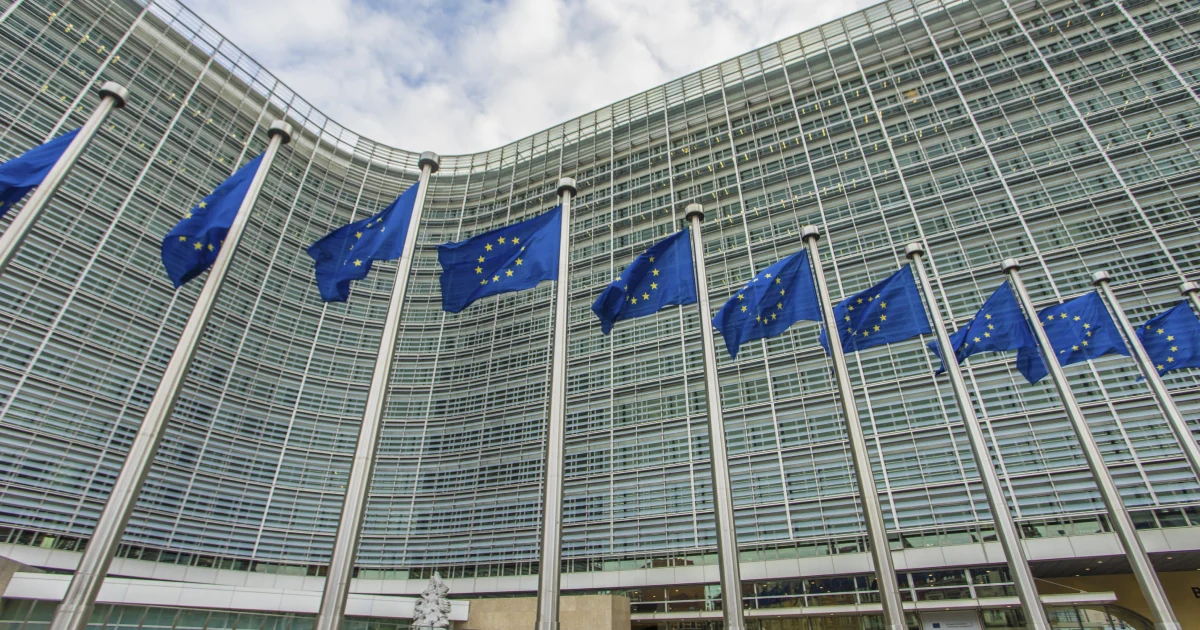
On July 23, 2026, the European Union formally adopted its 21st package of restrictive measures against the Russian Federation, representing the most extensive round of designations since 2022. This latest escalation involves 218 new listings, bringing the total number of sanctioned individuals and entities to unprecedented levels. The package is strategically designed to dismantle the financial and technological scaffolding that has allowed Moscow to sustain its war economy despite over four years of international pressure. Central to this package is a comprehensive crackdown on Russia’s financial infrastructure, specifically targeting over 100 banking institutions and crypto-asset service providers (CASPs) accused of facilitating the circumvention of existing trade barriers. Furthermore, the EU has introduced a pioneering legal mechanism that grants the Union the authority to impose jurisdiction-wide bans on crypto services in third countries found to be systemic hubs for sanctions evasion.
Strategic Targeting of Crypto-Asset Service Providers
The 21st sanctions package marks a definitive shift in the European Union’s approach to digital assets, moving from individual entity designations to jurisdictional risk management. The European Council has extended a transaction ban to 14 prominent crypto-related service platforms. These entities are headquartered across six different jurisdictions: Georgia, Panama, the United Arab Emirates (UAE), the Marshall Islands, Kyrgyzstan, and Belarus.
According to official Council findings, these 14 platforms have functioned as vital conduits for Russian state-affiliated actors and private enterprises seeking to move capital across borders outside the purview of the SWIFT banking network. By utilizing these platforms, Russian entities have been able to convert rubles into stablecoins or other liquid digital assets, which are then used to procure dual-use goods or settle international debts. The transaction ban prohibits any EU person, bank, or entity from engaging in business with these platforms, effectively severing their access to the European liquidity pool and financial markets.
The designations are not merely punitive but are intended to serve as a deterrent to other global CASPs. The EU’s evidence suggests that these 14 platforms maintained inadequate Anti-Money Laundering (AML) and Know Your Customer (KYC) protocols, deliberately allowing Russian users to obfuscate the origin of their funds.
The Third-Country Ban: A New Legal Frontier
Perhaps the most significant development within this package is the introduction of a first-of-its-kind legal mechanism regarding third-country crypto services. For the first time, the EU has the statutory power to prohibit all transactions between EU entities and any crypto-asset service provider located within a specific third-country jurisdiction if that country is deemed to be hosting services systematically used for sanctions evasion.
While the EU has not yet triggered a full country-level ban, the existence of this mechanism places immense pressure on national regulators in regions like Central Asia and the Middle East. If a jurisdiction is perceived as a "safe haven" for Russian crypto-evasion, the EU can now move to disconnect that entire nation’s crypto sector from the European market. This mirrors the logic of "secondary sanctions," a tool traditionally associated with U.S. foreign policy, now being adapted by Brussels to protect the integrity of the Eurozone’s financial borders.
For CASPs operating in these "at-risk" jurisdictions, the implications are severe. Even if an individual platform is compliant, the lack of robust national oversight could lead to a collective ban, causing them to lose access to European counterparties, banking relationships, and customers.
Chronology of EU-Russia Sanctions (2022–2026)
The 21st package is the culmination of a multi-year effort to refine and tighten the economic net around the Kremlin. To understand the gravity of the July 2026 measures, it is necessary to view them through the lens of previous iterations:
- February 2022 – May 2023: Initial packages focused on freezing the assets of the Russian Central Bank, disconnecting major banks from SWIFT, and banning the export of high-tech components.
- June 2023 – June 2024: The focus shifted to energy, including the implementation of the G7+ oil price cap and the ban on Russian seaborne crude. This period also saw the first major restrictions on the Russian diamond industry.
- January 2025 – June 2026: The EU began prioritizing "anti-circumvention." Packages 15 through 20 introduced the "No Russia" clause for exporters and began targeting the "shadow fleet" of tankers used to bypass oil price caps.
- July 23, 2026: The 21st package is enacted, focusing specifically on the digital financial loopholes (crypto) and the final remnants of Russia’s access to external financial messaging systems.
Deepening the Financial Freeze and the SWIFT Disconnection
Beyond the crypto sector, the 21st package delivers a massive blow to Russia’s traditional banking sector. Asset freezes have been imposed on 94 additional banks and financial institutions. Furthermore, the EU has extended transaction bans to 33 Russian credit institutions, effectively completing the process of disconnecting the Russian financial heartland from the global financial system.
A notable inclusion in this round is the sanctioning of a major Kyrgyz bank. This institution was identified as a primary link to Russia’s System for Transfer of Financial Messages (SPFS), the internal Russian alternative to SWIFT. By targeting non-Russian banks that facilitate SPFS transactions, the EU is signaling that any financial institution, regardless of location, that aids in the integration of Russia’s alternative financial architecture will face exclusion from the European market.
Energy Restrictions and the Shadow Fleet
The energy sector remains a primary revenue source for the Russian war chest, and the 21st package seeks to further diminish these returns. The EU has officially frozen the oil price cap at $44.10 per barrel, a level significantly lower than previous iterations, with this cap set to remain in place until at least July 15, 2027.
To enforce this cap, the EU has designated 41 additional vessels as part of the "shadow fleet." These are tankers that often operate under flags of convenience, utilize deceptive shipping practices, and maintain opaque ownership structures to transport Russian oil above the price cap. By sanctioning these specific vessels, the EU prohibits them from accessing European ports, insurance services, and technical assistance, significantly increasing the operational costs for Russian maritime exports.
Impact on the Military-Industrial Complex
The package also includes 56 new listings directly tied to Russia’s military-industrial complex. Of these, 37 are specifically linked to the production and supply chain of long-range drones. The EU’s intelligence services have tracked the procurement of specialized sensors and engines through various front companies, many of which have now been added to the prohibited list. This is intended to disrupt the "just-in-time" manufacturing processes that Russia has relied on to replenish its drone stockpiles.
Official Responses and International Reactions
The European Commission, in a statement following the adoption of the package, emphasized that the measures are a response to Russia’s continued aggression and its attempts to weaponize the global financial system. "We are closing the loopholes that have allowed the Kremlin to bypass our restrictions," said a spokesperson for the Commission. "Our message to third-country operators is clear: you cannot serve both the Russian war machine and the European market."
In Kyiv, the Ukrainian government welcomed the 21st package, particularly the focus on crypto-assets. Ukrainian officials have long argued that digital assets represented a "gaping hole" in the sanctions regime. However, they continue to advocate for a total ban on all Russian financial institutions and a complete embargo on liquid natural gas (LNG).
Market analysts suggest that while the 21st package is the most technically sophisticated to date, its success depends heavily on enforcement. The introduction of the third-country mechanism is seen as a "nuclear option" in financial diplomacy, and its actual deployment will likely be preceded by intense diplomatic negotiations with the jurisdictions involved.
Compliance and Implications for Global Businesses
For the global financial and crypto industries, the 21st package necessitates a radical overhaul of compliance frameworks. The "Heightened Risk" status of jurisdictions like the UAE and Panama in the context of Russian sanctions means that EU-based Crypto-Asset Service Providers (CASPs) must implement enhanced due diligence (EDD) for every transaction involving these regions.
Under the EU’s Transfer of Funds Regulation (TFR), CASPs are now required to scrutinize not just the sender and receiver, but the regulatory status and ownership of any third-country counterparty. Failure to identify exposure to the 14 designated platforms or any future entities caught in the third-country mechanism could result in massive fines and the loss of operating licenses under the Markets in Crypto-Assets (MiCA) regulation.
The EU has made it clear that "willful blindness" regarding the end-destination of funds or the ultimate beneficial ownership of assets will no longer be tolerated. As the digital and traditional financial worlds continue to converge, the 21st sanctions package serves as a landmark document, defining the boundaries of international economic warfare in the mid-2020s. By targeting the intersection of crypto-technology and traditional banking, the European Union is attempting to ensure that the cost of sustaining the conflict becomes unsustainable for the Russian state.














