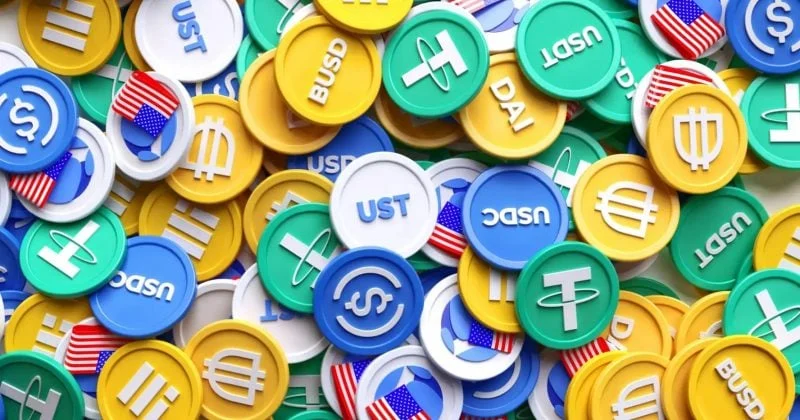
The long-standing narrative that Bitcoin serves as the primary currency for global criminal enterprises is facing a decisive debunking as new data reveals a seismic shift in the digital asset landscape. According to recent reports from Bitcoin-centric financial services firm River and blockchain analytics leaders such as Chainalysis and TRM Labs, the preference of illicit actors has migrated away from the world’s largest cryptocurrency in favor of stablecoins. This transition marks a fundamental change in the mechanics of cybercrime, money laundering, and sanctions evasion, suggesting that the "criminal" stigma long associated with Bitcoin is increasingly disconnected from the statistical reality of 2024 and 2025.
For over a decade, Bitcoin was frequently characterized by regulators and skeptical economists as a tool for "shadow" economies. However, the transparency of its public ledger and the maturation of blockchain forensics have made it a high-risk choice for sophisticated criminals. In its place, stablecoins—digital assets pegged to traditional fiat currencies like the U.S. dollar—have become the dominant medium for illicit on-chain activity. Data indicates that while Bitcoin’s share of illicit transaction volume has plummeted, stablecoin-related crime has surged, driven by the practical needs of scammers and sanctioned entities who prioritize price stability and liquidity over the decentralized ethos of Bitcoin.
The Statistical Reversal: A Five-Year Transformation
The most striking evidence of this shift is found in the comparative transaction volumes between 2020 and the projected landscape of 2025. In 2020, Bitcoin was responsible for approximately 70% of all illicit transaction volume in the cryptocurrency ecosystem. At that time, the infrastructure for stablecoins was still maturing, and Bitcoin remained the most accessible entry point for both legitimate and illegitimate users.
However, the subsequent five years have seen a total inversion of these metrics. According to data from Chainalysis, Bitcoin’s share of illicit volume has cratered to an estimated 7% as of early 2025. Conversely, stablecoins now account for roughly 84% of all illicit transaction volumes. This 1,100% relative increase in stablecoin dominance within the criminal sector highlights a pivot in the "user experience" requirements of illicit actors.
The total volume of illicit crypto activity has also reached record highs, even as Bitcoin’s participation in that activity shrinks. In 2024, stablecoins accounted for 63% of all illicit on-chain transactions. Within a single year, that figure jumped by 21 percentage points to reach the current 84% threshold. These figures are corroborated by TRM Labs, which noted that the growth in stablecoin-related crime is primarily driven by large-scale scams, fraudulent investment schemes, and activities involving blacklisted or sanctioned entities.
Chronology of the Shift: From Silk Road to Stablecoins
To understand why this shift occurred, it is necessary to examine the chronological evolution of the digital asset market.
- The Bitcoin Era (2009–2017): During the early years of cryptocurrency, Bitcoin was the only viable liquid asset for darknet marketplaces, most notably the Silk Road. Its perceived anonymity was its primary draw, though law enforcement eventually proved that the public nature of the blockchain allowed for effective retroactive tracking.
- The Rise of Stablecoins (2018–2021): With the launch and rapid adoption of Tether (USDT) and later USD Coin (USDC), the market gained a way to hedge against Bitcoin’s volatility. Criminals, like legitimate traders, began to realize that holding illicit gains in a volatile asset like Bitcoin introduced unnecessary "market risk" to their "operating profits."
- The Regulatory and Forensic Crackdown (2022–2023): Blockchain analytics firms like Chainalysis and TRM Labs developed sophisticated tools to Deanonymize Bitcoin transactions. Simultaneously, the U.S. Department of the Treasury’s Office of Foreign Assets Control (OFAC) began aggressively blacklisting specific crypto addresses.
- The Current Landscape (2024–2025): Illicit actors have now fully integrated stablecoins into their workflows. The ability to move "digital dollars" across borders instantly without the 10% or 20% price swings common to Bitcoin has made stablecoins the backbone of modern financial crime.
The Utility of Stability: Why Scammers Prefer USDT
The primary driver behind the migration to stablecoins is the elimination of volatility. For a scammer operating a "pig butchering" scheme or a fraudulent investment platform, price stability is essential. If a criminal defrauds a victim of $100,000, they want to ensure that the value remains $100,000 when they move it through various "tumblers" or off-ramps. If they held that value in Bitcoin, a sudden market downturn could erase their "earnings" before the laundering process is complete.
Furthermore, stablecoins like USDT (Tether) operate extensively on networks like Tron (TRX), which offer significantly lower transaction fees than the Bitcoin network. For high-volume criminal operations involving thousands of small-scale transactions, the cost-efficiency of stablecoins provides a clear logistical advantage.
Sanctioned entities, including rogue states and designated terrorist organizations, have also gravitated toward stablecoins. The ability to transact in a dollar-pegged asset allows these entities to bypass the SWIFT banking system while maintaining a predictable unit of account for international trade in illicit goods, such as oil or weapons.
Bitcoin’s Remaining Niche: Ransomware and Darknet Markets
Despite the overwhelming shift toward stablecoins, Bitcoin has not been entirely abandoned by the criminal underworld. It maintains a persistent presence in two specific areas: ransomware payments and darknet marketplace transactions.
Ransomware groups often demand payment in Bitcoin because the infrastructure for such payments is well-established. Victims, often corporate entities, find it easier to acquire Bitcoin through regulated exchanges than to navigate the specific liquidity pools required for large-scale stablecoin transfers. Additionally, while Bitcoin is transparent, the ecosystem of "mixers" and "tumblers" designed to obscure Bitcoin’s trail is more mature than similar tools for stablecoins.
Darknet markets also continue to use Bitcoin due to historical inertia. Many of these platforms have been operational for years, and their internal escrow systems and vendor reputations are built on Bitcoin-denominated balances. However, even in these sectors, there is growing competition from privacy-centric coins like Monero, which offer features that Bitcoin lacks.
Implications for Investors and the Regulatory Landscape
This data has profound implications for Bitcoin investors and the broader digital asset industry. For years, the "criminality" argument has been a cornerstone of the push for restrictive Bitcoin regulation. Figures in the U.S. Senate and various global regulatory bodies have frequently cited Bitcoin’s use in money laundering as a reason to limit its integration into the traditional financial system.
The fact that Bitcoin’s share of illicit volume has dropped to 7% significantly weakens this argument. It allows Bitcoin advocates to position the asset more firmly as "digital gold"—a legitimate store of value and a macro-hedge—rather than a tool for evasion.
Conversely, stablecoin issuers are now squarely in the crosshairs of global regulators. If 84% of illicit crypto volume is flowing through stablecoins, the pressure on issuers like Tether and Circle to implement more aggressive compliance frameworks will reach an all-time high.
Official Responses and Compliance Efforts
In response to these trends, stablecoin issuers and analytics firms have ramped up their cooperation with law enforcement. Tether, the issuer of USDT, has frequently reported its cooperation with the FBI and the Department of Justice to freeze wallets associated with illicit activity. In late 2023 and throughout 2024, Tether froze hundreds of millions of dollars in assets linked to human trafficking and sanctioned groups.
The competitive landscape of the stablecoin market is expected to shift based on these compliance efforts. As the United States moves toward formal stablecoin legislation—such as the Lummis-Gillibrand or McHenry-Waters bills—issuers that can demonstrate "bank-grade" compliance and seamless law enforcement integration will likely gain market share. Those perceived as lax or resistant to regulatory oversight may find themselves blacklisted or restricted from accessing U.S. dollar on-ramps.
Blockchain analytics firms are also evolving. Chainalysis and TRM Labs have built extensive monitoring infrastructure specifically designed to track stablecoin flows across multiple blockchains, including Ethereum, Tron, and Solana. These tools allow law enforcement to see "hops" between different assets, making it increasingly difficult for criminals to hide behind the perceived complexity of multi-chain transactions.
Fact-Based Analysis of Future Trends
The transition of illicit activity from Bitcoin to stablecoins is likely a permanent shift. As the crypto economy matures, the specialization of assets is becoming clearer: Bitcoin is the store of value, and stablecoins are the medium of exchange. Unfortunately, this utility as a medium of exchange applies to both legal and illegal commerce.
The "Bitcoin for criminals" narrative is effectively dead, replaced by a more complex reality where the U.S. dollar, in its digitized stablecoin form, remains the world’s most sought-after currency for all types of transactions. Moving forward, the industry should expect:
- Targeted Stablecoin Regulation: Legislation will likely focus on the "freezing mechanisms" of stablecoin issuers, requiring them to have the technical capability to halt transactions at the request of authorized government bodies.
- Bitcoin’s Institutional De-risking: As Bitcoin’s association with crime continues to fade, institutional adoption through ETFs and corporate balance sheets will likely accelerate, as the "reputational risk" for fiduciaries is diminished.
- The Rise of Forensics-as-a-Service: The demand for real-time monitoring of stablecoin transactions will create a massive market for analytics firms, shifting the focus from simple wallet tracking to complex behavioral analysis.
The numbers provided by River and Chainalysis tell a clear story: the digital asset world is no longer the "Wild West" of Bitcoin-funded anarchy. It has become a sophisticated financial ecosystem where the primary challenges for law enforcement and regulators have shifted from the assets themselves to the stable, dollar-pegged conduits that power modern global commerce—both legitimate and otherwise.